
 English
 Español
 русский
ASTM A519 Grade 4130 Geotechnical Drill Pipe – Ø89 mm x 6 mm for Soil Sampling
ASTM A519 Grade 4130 Geotechnical Drill Pipe – Ø89 mm x 6 mm for Soil Sampling

Content
On an oil rig, “pipe” can refer to multiple tubular products: drill pipe, casing, tubing, or surface line pipe. When drilling, the rotating tubular that connects the surface to the bit is drill pipe—a central part of the drill string. Casing and tubing are installed in the wellbore and generally stay there; drill pipe is made up and broken out repeatedly and must survive high torque, tension, bending, and cyclic fatigue.
This guide focuses on drill pipe (including common configurations used in water-well drilling such as mud rotary, air rotary, and DTH/rotary programs).
A drill pipe “joint” typically consists of a pipe body plus two heavy-walled ends called tool joints. Tool joints are welded to the pipe body and provide robust threaded connections for repeated make-up and break-out.
Because tool joints add significant metal, two strings with the same tube OD can have meaningfully different “real” weights depending on connection style and upset geometry. The most reliable approach is to treat pipe body and connection mass as separate when precision matters.
A typical designation like “3-1/2 inch, 13.3#, X-95, NC38, Range 2” encodes the drill pipe’s dimensions, strength, and connection standard. These are the specifications you need for selection, compatibility, and logistics.
For most decision-making, OD + grade + connection control compatibility and mechanical limits, while ID controls hydraulics and performance in mud or air systems.
The table below provides a compact reference for common drill pipe OD sizes and typical nominal weights, plain-end weights, IDs, and wall thicknesses. Use ID for hydraulic decisions, and use nominal/with-connection weight for logistics and string-weight estimates when you don’t have manufacturer joint weights.
| Size (OD) | Nominal wt (lb/ft) | Plain-end wt (lb/ft) | Typical ID (in) | Wall (in) |
|---|---|---|---|---|
| 2-3/8" | 6.65 | 6.26 | 1.815 | 0.280 |
| 2-7/8" | 10.40 | 9.72 | 2.151 | 0.362 |
| 3-1/2" | 13.30 | 12.31 | 2.764 | 0.368 |
| 4" | 14.00 | 12.93 | 3.340 | 0.330 |
| 4-1/2" | 16.60 | 14.98 | 3.826 | 0.337 |
| 5" | 19.50 | 17.93 | 4.276 | 0.362 |
| 5-1/2" | 21.90 | 19.81 | 4.778 | 0.361 |
| 6-5/8" | 27.70 | 24.22 | 5.901 | 0.362 |
Practical rule: when you need a quick estimate without manufacturer joint data, use nominal weight × joint length for a planning number, then add BHA components. For crane lifts and transport, always use the most conservative (heavier) published weight for the exact connection and length range.
Water-well drilling spans multiple methods (mud rotary, air rotary, DTH hammer). Many sizes overlap with oilfield drill pipe, but the decision drivers shift.
In practical terms, water-well drill pipe selection is frequently compatibility-first, while oilfield programs are often load-cycle and standards-first.
Most drill pipe tool joints use rotary-shouldered connections: tapered threads help stabbing and alignment, and a shoulder provides the primary seal and transmits torque. Connection “families” matter because they determine what can mate safely, what gauges you need, and what accessories are available.
Selection logic: choose IF/FH when you’re prioritizing hydraulics and minimizing restriction, choose NC when you want broad compatibility and common tooling, and choose REG when you must match existing stock. The correct choice ultimately depends on your rig’s torque/pullback capability and the rest of your tool string.
Some connections can partially mate but are not truly interchangeable. If threads “make up” but feel wrong, leak, or show shoulder mismatch, stop and verify with the correct gauges. A near-match can be unsafe for torque and tension service.
When you inherit pipe or mix suppliers, thread identification becomes the fastest way to avoid downtime. Use this workflow to get from “unknown pin/box” to a confirmed connection family and size.
Operational takeaway: the cost of gauging is usually trivial compared to the cost of galling, leaks, connection failure, or a stuck string event.
“Weight of drill pipe” can mean pipe-body weight, nominal weight, or an average joint weight including tool joints. Always confirm which definition you’re using before you compare quotes or calculate hookload.
If you know OD and ID (inches), estimate pipe-body weight per foot (steel) with: Weight (lb/ft) ≈ 2.673 × (OD² − ID²)
OD² − ID² ≈ 2.35, so weight ≈ 2.673 × 2.35 ≈ 6.27 lb/ft, which aligns with typical plain-end values in reference tables.
For safe handling: use air weight and conservative published joint weights. For drilling mechanics: compute buoyed hookload using an appropriate buoyancy factor for the fluid system.
Use this checklist to converge on a drill pipe program that matches your rig limits, drilling method, and connection ecosystem.
Smaller OD strings are common on smaller rigs and shallower programs; larger OD strings increase stiffness and torque capacity but add weight and cost. If hydraulics are limiting (pressure losses, air volume), prioritize ID continuity and connection style.
Higher grade increases yield strength but does not automatically solve fatigue or operating-practice issues. Choose grade based on tension/torque requirements, depth, and inspection discipline.
The fastest way to reduce downtime is to standardize on a single compatible connection family and verify inventory with proper gauges. Mixed threads are a predictable failure mode in both oilfield and water-well operations.
Most drill pipe problems trace back to thread and shoulder damage, contamination, improper makeup torque, or skipped inspections. These issues show up as galling, leaks, weak makeup, washouts, fatigue cracks, and connection failures.
The operating conclusion: disciplined handling and inspection produces the biggest reliability gains—often more than changing grade or upsizing pipe.
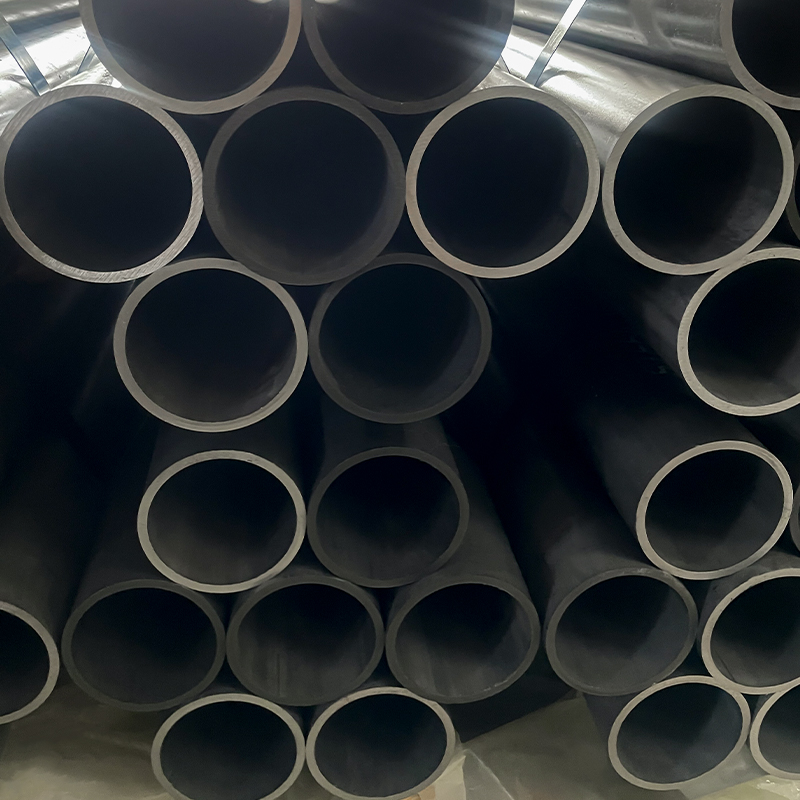
ASTM A519 Grade 4130 Geotechnical Drill Pipe – Ø89 mm x 6 mm for Soil Sampling
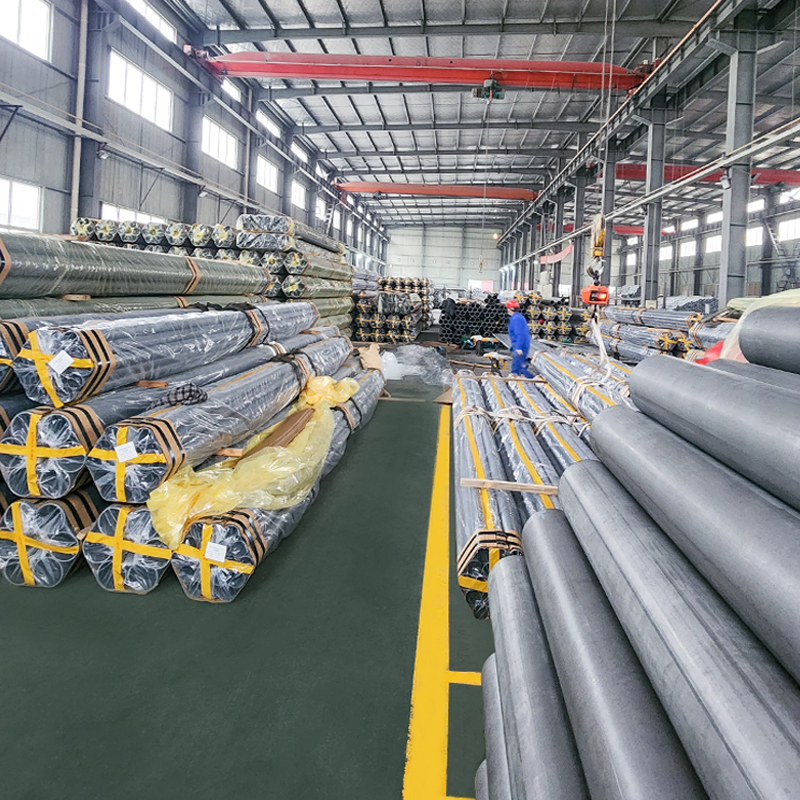
EN 10305-3 E235 Precision Conveyor Roller Tubing – Ø60.3 x 2.0 mm for Material H...
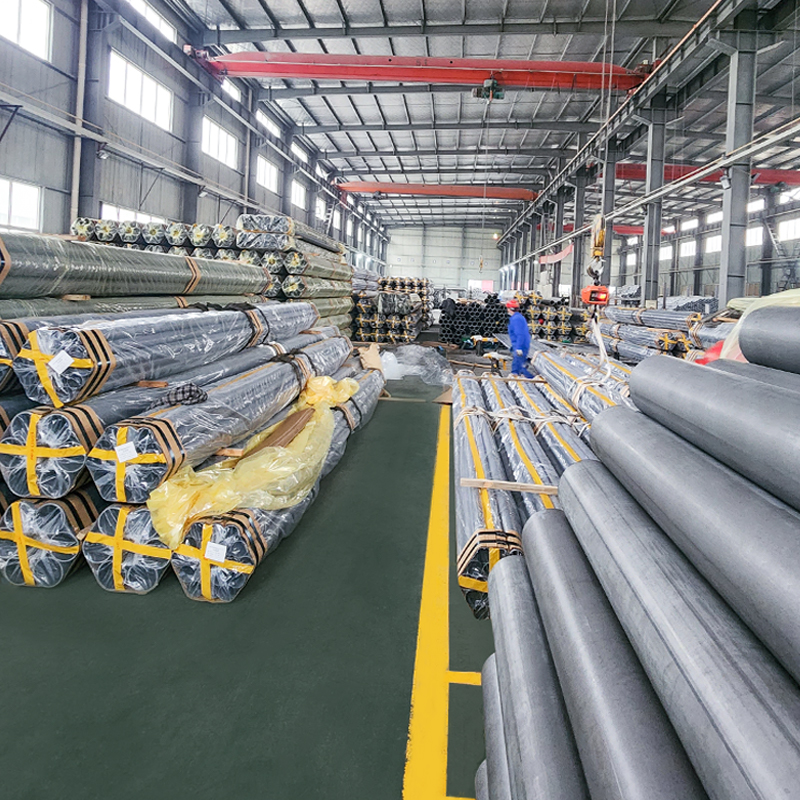
DIN 2394 ST37.2 Heavy-Duty Conveyor Roller Tubing – Ø89 x 3 mm for Mining & ...
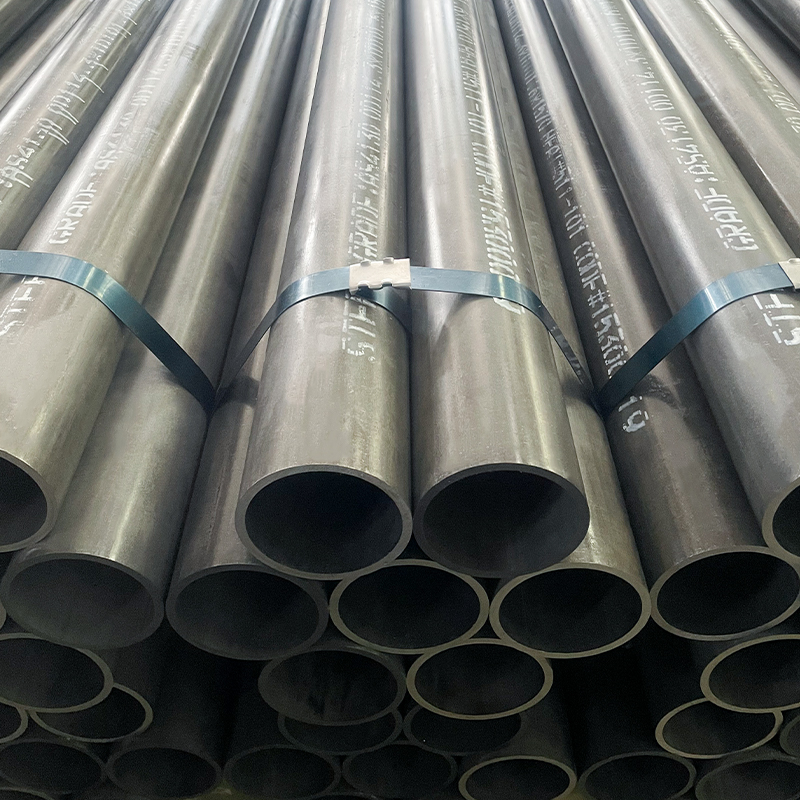
Mining Exploration Drill Rod Ø60 x 5mm – Alloy Steel 4130, High Strength Core Dr...
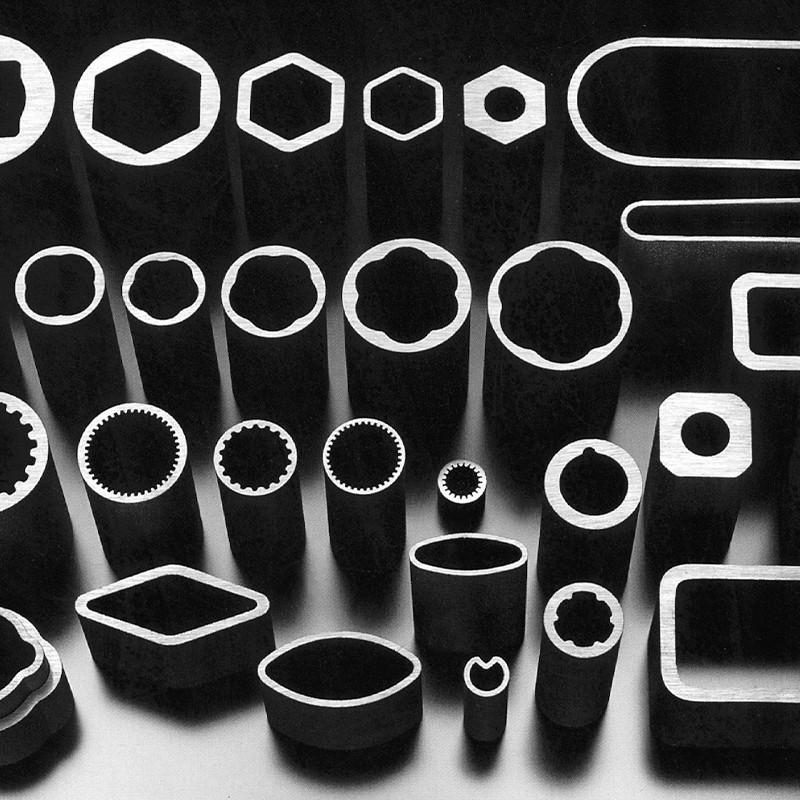
Our Special Shaped Steel Pipes are designed for applications requiring custom pr...
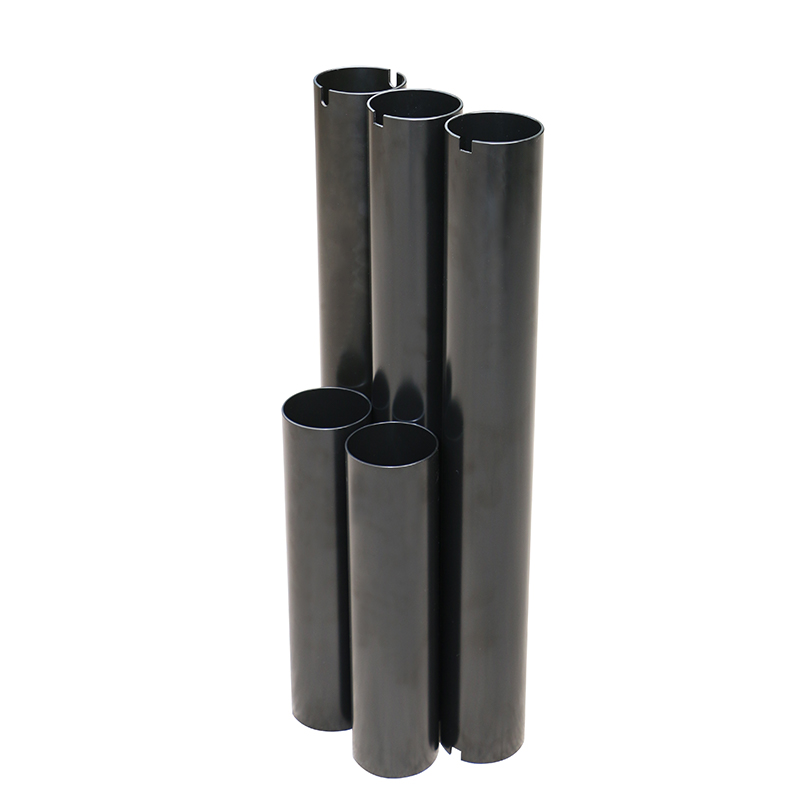
Our E-Coated Steel Pipes are treated with electro-coating (E-coating) to provide...


