
 English
 Español
 русский
Stainless Steel Heat Exchanger Tubes – ASTM A213 / A249, EN 10216-5 | Seamless & Welded
Our Stainless Steel Heat Exchanger Tubes are engineered for applications requiri...

Content
In most industrial contexts, “tubes on a heat exchanger” refers to the tube bundle used in shell-and-tube equipment. Tube choices determine heat-transfer area, pressure boundary integrity, pressure drop, fouling behavior, vibration risk, and overall maintainability.
Heat exchanger tubes do three jobs at once:
Because tubes serve as both “area” and “containment,” tube specification is a reliability decision, not just a thermal one.
Assigning a fluid to the tube side or shell side affects mechanical design, inspection access, fouling/cleaning strategy, and consequence of leakage.
OD influences area density (how much area fits in a shell), while ID controls tube-side velocity and pressure drop. Wall thickness is selected for pressure design, corrosion/erosion allowance, and structural margin for handling and vibration fatigue.
A useful scaling relationship is:
Heat-transfer area ≈ π × (tube OD) × (tube length) × (number of tubes)
Longer tubes increase area but can increase pressure drop and vibration sensitivity unless tube supports are robust.
Tube layout and pitch determine how many tubes fit in a shell diameter, how the shell-side flows around the tubes, what pressure drop you pay, and whether mechanical cleaning lanes exist.
Pitch is a trade-off among tubesheet ligament strength, manufacturability, fouling bridging, shell-side pressure drop, and cleanability. A widely used early sizing heuristic is pitch ≈ 1.25 × tube OD, then adjust to suit cleaning needs, allowable pressure drop, and mechanical constraints.
The tube-to-tubesheet interface drives leak tightness, retubing feasibility, and susceptibility to crevice corrosion and fatigue near the joint. Quality of tube hole finish and joint execution is a frequent differentiator between reliable service and chronic tube leaks.
A useful rule of thumb: if leakage consequences are high or service is aggressive, designers often lean toward welded + expanded style joints (subject to project specs and materials).
Baffles and tube supports exist to both guide shell-side flow and prevent tube vibration. Inadequate support or unfavorable crossflow can lead to fretting at support points and fatigue cracking—often presenting as a “sudden” tube leak at the plant level.
Mitigation commonly includes inlet impingement protection, tighter or redesigned support schemes, and layouts intended to reduce vibration excitation; the “right” fix depends on confirmed root cause.
Tube materials are selected primarily for corrosion/erosion resistance and mechanical integrity across the operating envelope. Heat transfer coefficient matters, but reliability and life-cycle cost usually dominate material upgrades.
Fouling reduces duty and often increases pressure drop. The right cleaning strategy depends on foulant type, tube layout, tube metallurgy, and how quickly performance degrades in your service.
Typical causes include pitting/crevice corrosion, vibration fatigue near supports, and joint integrity issues at the tubesheet. A disciplined approach is to map damage locations and correlate with flow entry points and support geometry.
This pattern usually points to fouling or flow restriction. Validate with trends of duty, approach temperatures, and pressure drop, then confirm deposit type by sampling or borescope.
If damage clusters at the inlet, suspect high-velocity jet impingement, solids, or flashing/two-phase maldistribution. The most effective fixes reduce localized momentum at the first rows of tubes.
When you specify tubes (new equipment, retube, or troubleshooting), capture the minimum data below. The goal is to eliminate ambiguity so procurement, fabrication, and inspection are aligned.
| Category | What to Specify | Why It Matters |
|---|---|---|
| Exchanger configuration | Fixed tubesheet / floating head / U-tube, pass arrangement | Defines thermal behavior and maintainability constraints |
| Tube geometry | Tube count, OD, wall, length | Sets area, pressure boundary, velocity, and pressure drop |
| Tube material | Alloy/spec, corrosion allowance, NDE requirements | Controls corrosion/erosion resistance and lifecycle cost |
| Layout and pitch | Triangular/square/rotated-square, pitch value, cleaning lanes | Drives area density, cleanability, and shell-side pressure drop |
| Tube-to-tubesheet joint | Expanded, welded, welded+expanded, seal-welded+expanded | Primary driver of leak tightness and retubing approach |
| Supports and vibration controls | Baffle type, spacing, inlet impingement protection | Reduces fretting and fatigue-driven tube failures |
| Operating envelope | Design/operating P&T, fluids, fouling factors, allowable ΔP | Anchors thermal design and validates mechanical margins |
| Cleaning and inspection plan | Mechanical vs chemical cleaning, ECT/UT scope and frequency | Ensures maintainability is designed in, not discovered late |
If you can only standardize one thing across projects, standardize the specification package: geometry, layout, joint type, supports, and cleaning constraints are where most rework and failures originate.
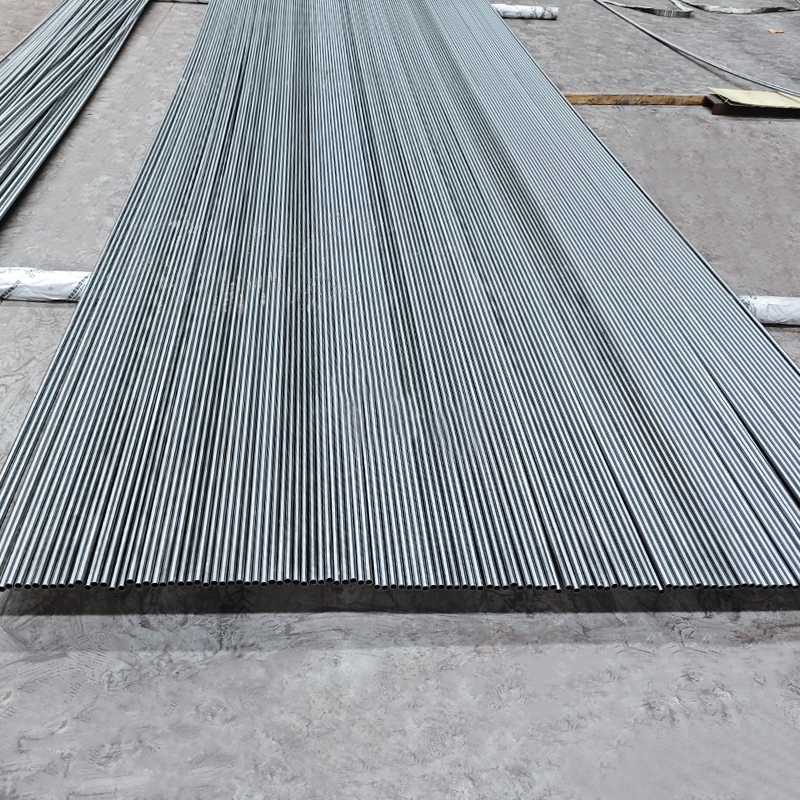
Our Stainless Steel Heat Exchanger Tubes are engineered for applications requiri...
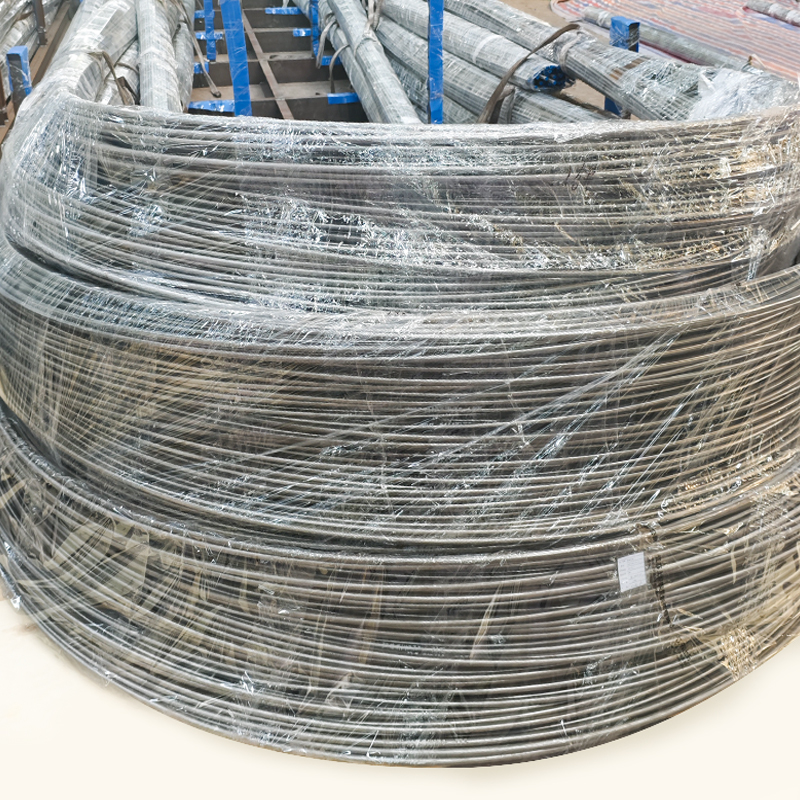
Our Carbon Steel Heat Exchanger Tubes are designed for use in low- to medium-tem...
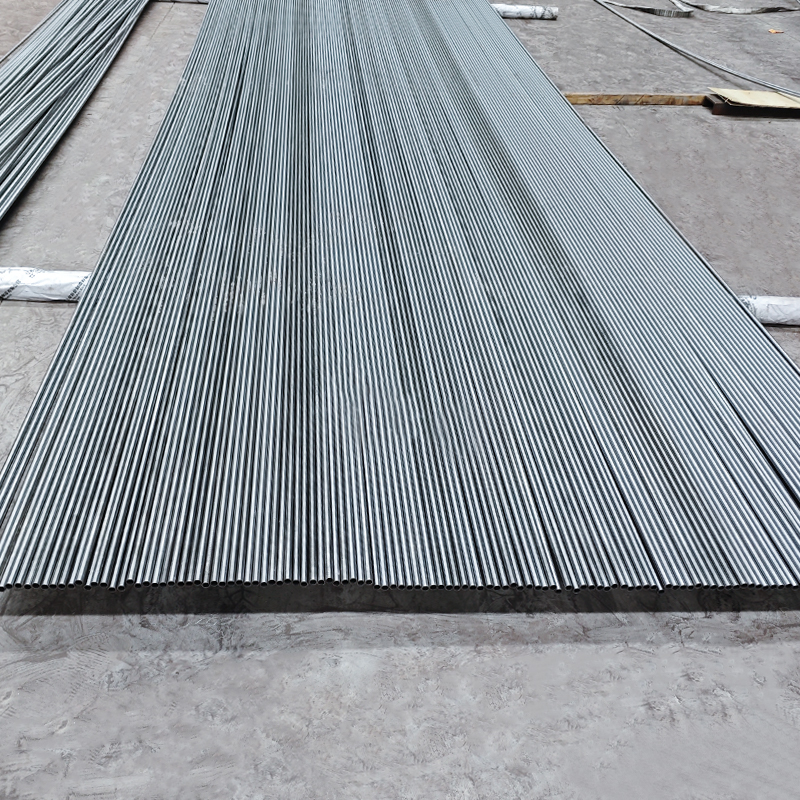
Our Carbon Steel Heat Exchanger Tubes are designed for use in low- to medium-tem...
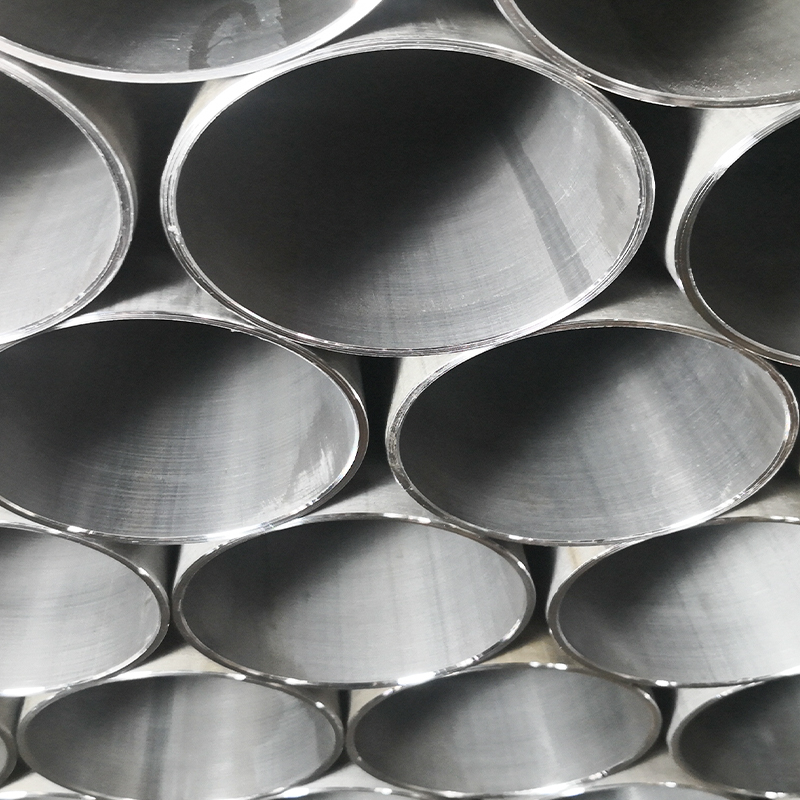
Our Super Smooth ID Tubes (SSID) are engineered for applications requiring extre...
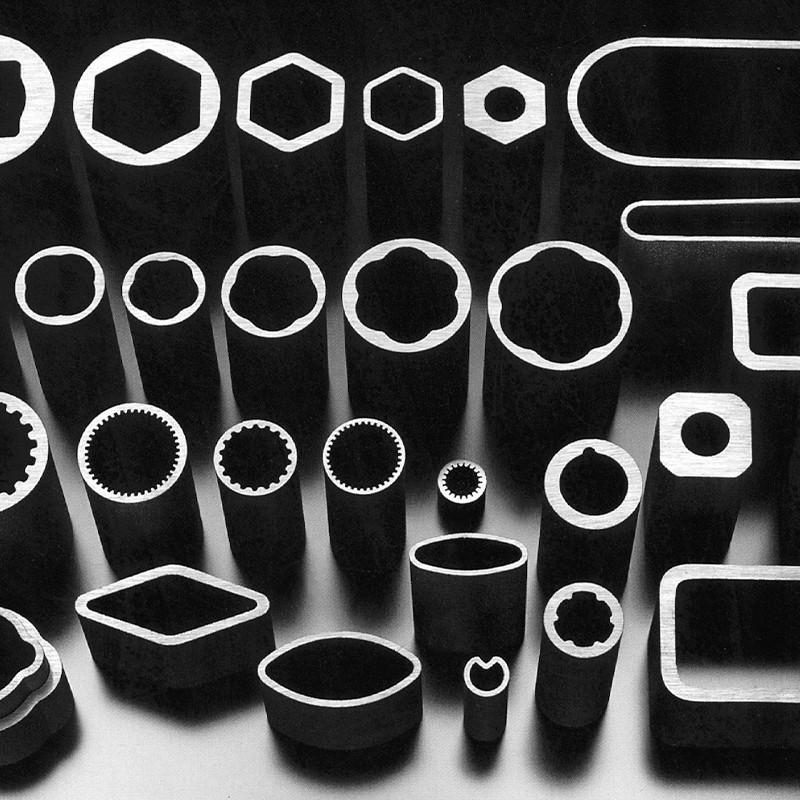
Our Special Shaped Steel Pipes are designed for applications requiring custom pr...
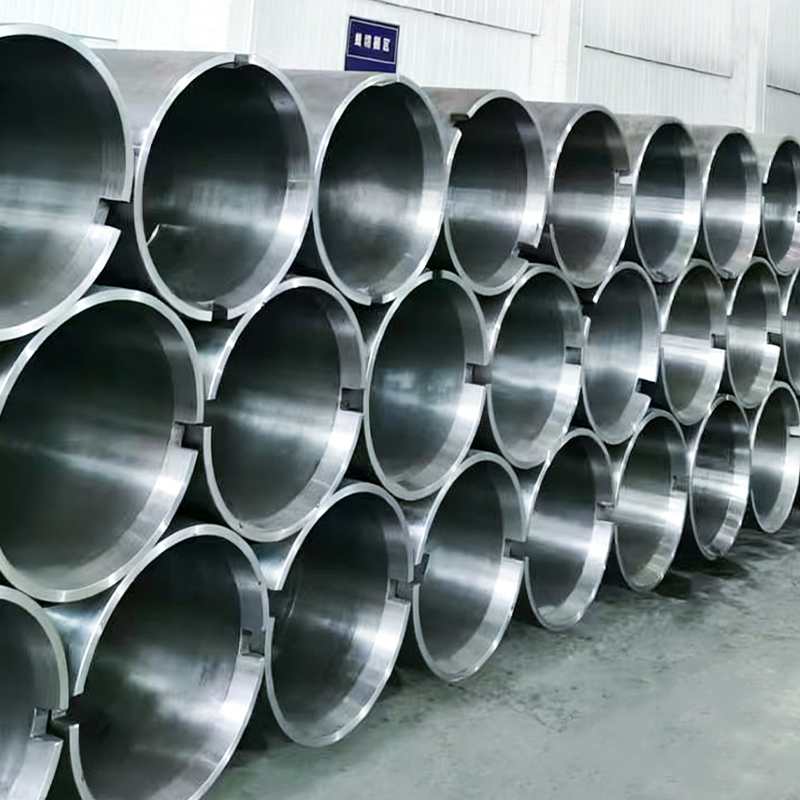
Our Centrifugal Casting Steel Tubes are engineered for high-strength, heavy-duty...


