
 English
 Español
 русский
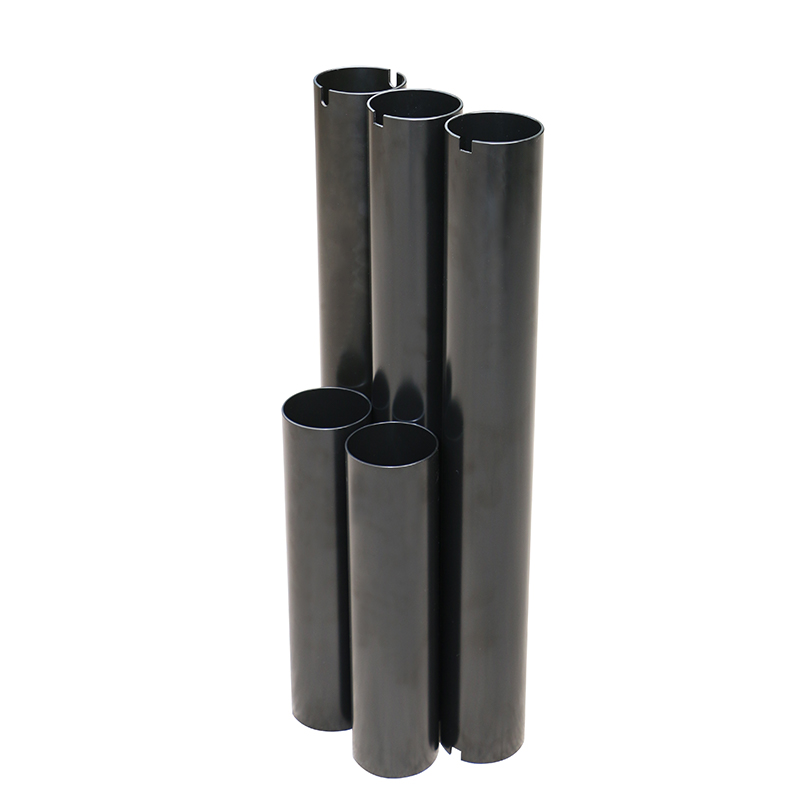
Finished Hydraulic Cylinder Barrel – Custom-Machined, Honed Steel Tube, Ready-to-Assemble
Our Finished Hydraulic Cylinder Barrels are precision-machined, honed steel tube...

Content
A hydraulic cylinder tube takes 12 minutes to hone. That same tube finished with skiving and roller burnishing needs less than two minutes. That 90% time gap is why more manufacturers are rethinking their internal finishing strategy.
Honing is an abrasive machining process that removes material with multiple stone segments mounted on a rotating, reciprocating head. The stones expand outward against the bore wall, cutting a controlled cross-hatch pattern. This pattern typically lies at a 30° to 60° included angle and is designed to retain an oil film under dynamic load.
Standard honing feed rates range from 0.5 to 2 m/min, depending on bore diameter and stock removal. Abrasive grits from 120 to 600 are common, with coolant fed through the tool to flush away the swarf and stone debris. The process generates a sludge containing oil, metal particles, and abrasive grains—requiring filtration and disposal.
When precision honed tubes are specified for hydraulic cylinders, honing delivers inside diameter tolerances of IT6–IT7 and surface roughness values of Ra 0.2–0.8 µm. The cross-hatch helps lubricate the seal interface, reducing stiction and extending seal life in reciprocating applications.
Skiving and roller burnishing combines two steps in one tool. On the forward stroke, a carbide skiving blade peels stock from the bore. Immediately behind the blade, hardened rollers compress the freshly cut surface, ironing the peaks into a smooth, cold-worked finish. The entire sequence completes in a single pass—no abrasive stones, no sludge.
Typical SRB feed rates sit between 5 and 15 m/min, roughly 8–10 times faster than conventional honing. Cycle time savings of 70–90% are consistent across bore sizes from 30 mm to 300 mm. The process runs dry or with minimal oil mist, producing only dry metallic chips that are easily recycled.
SRB consistently achieves dimensional tolerances of IT7–IT8. Surface roughness after burnishing lands between Ra 0.05 and 0.2 µm—a mirror finish that dramatically lowers friction. This superior surface finish can eliminate the need for additional polishing before seal assembly.
Side by side, the numbers reveal two fundamentally different economics. The table below stacks the processes across the six dimensions most engineers ask about first.
| Dimension | Honing | Skiving & Roller Burnishing (SRB) |
|---|---|---|
| Linear feed rate | 0.5–2 m/min | 5–15 m/min |
| Surface roughness (Ra) | 0.2–0.8 µm | 0.05–0.2 µm |
| Tolerance grade (IT) | IT6–IT7 | IT7–IT8 |
| Tooling setup | Multiple stone sets per diameter | Single tool head (interchangeable inserts) |
| Material hardness suitability | HRC 45+ (hardened steels) | HRC < 35 (soft to medium-carbon steels) |
| Waste stream | Oily sludge + spent abrasives (requires treatment) | Dry metal chips (ready to recycle) |
These gaps shape the entire production workflow. Faster feed rates multiply throughput. Fewer consumable changes reduce downtime. And eliminating sludge disposal takes a recurring cost off the books.
Surface texture is not a cosmetic attribute in a cylinder bore—it is a functional parameter that governs oil film thickness, seal wear, and leak rate. Honing’s cross-hatch valleys act as micro-reservoirs, holding lubricant against the seal lip during startup and stroke reversal. That oil retention cuts static friction and extends low-speed tracking accuracy.
Roller burnishing, in contrast, produces a plateau surface. The load-bearing peaks support the seal without deep valleys, yielding a lower friction coefficient in continuous motion. However, the absence of distinct oil pockets can raise stiction risk with certain urethane or PTFE seal compounds that rely on boundary lubrication.
For applications with frequent starts and stops, honed cross-hatch surfaces often reduce seal leakage by 20–40% compared to an equivalent burnished bore, based on extended cycle testing data. In high-speed, constant-duty cylinders, burnished bores can lower running friction by 10–15% and extend seal life by reducing heat build-up. The choice depends on the seal material and operating cycle—there is no universal winner.
Machine investment often leans in favor of honing at the capital budget stage. A new horizontal honing machine starts around $50,000 and reaches $150,000 for a heavy-duty CNC model. Vertical skiving machines carry a higher price tag—$80,000 to $200,000—because they must handle both heavy cuts and precise burnishing forces in one spindle.
Tooling tells a different story. A honing setup uses 4–8 stone assemblies per diameter size, each averaging 500–2,000 parts before replacement. Stone dressing cycles add labor and machine idle time. An SRB tool head uses replaceable carbide inserts and burnishing rollers that last 5,000–10,000 parts. When you calculate tool cost per meter of tube, SRB wins by 30–50%.
| Cost Element | Honing | SRB |
|---|---|---|
| Machine investment (mid-range) | $100,000 | $140,000 |
| Tooling cost per tool set | $800 (8 stones) | $1,200 (inserts + rollers) |
| Tool life (bore meters) | 2,000 m | 8,000 m |
| Cycle time per part | 12 min | 2 min |
| Tool cost per part | $0.40 | $0.15 |
| Waste disposal per part | $0.18 | $0.00 |
| Estimated all-in cost per part | $4.20 | $2.35 |
The table assumes a typical mid-volume production scenario. The per-part advantage grows with larger batch sizes because the faster cycle time absorbs the fixed machine overhead more efficiently.
Not every tube steel responds well to burnishing. The process relies on plastic deformation to flatten surface peaks, which demands a material with sufficient ductility. As a rule, steels above HRC 35 resist burnishing enough to limit surface improvement, and above HRC 45 the rollers risk premature wear without achieving the target Ra.
Honing, being an abrasive process, cuts regardless of hardness. Hard-chrome plated bores, nitrided surfaces, or through-hardened alloy steels are all candidates. The tradeoff is cutting speed—higher hardness slows stone breakdown and increases cycle time, but the process does not bottom out the way burnishing does.
Common steel grades and their recommended finishing processes:
For cold-drawn seamless tubes in hydraulic tubing grades, SRB typically delivers the fastest return on investment. When the specification demands hardness above that threshold, honing becomes the clear path to meeting print requirements.
Push four variables through a decision matrix and the right process usually surfaces without debate. Production volume and hardness drive the biggest forks in the road.
| Factor | Choose Honing When... | Choose SRB When... |
|---|---|---|
| Annual volume | Low to medium (<5,000 parts/year) | Medium to high (>5,000 parts/year) |
| Material hardness | HRC 35+ or hardened bores | As-drawn or normalized steel (HRC < 35) |
| Diameter tolerance | IT6 or tighter needed | IT7–IT8 acceptable |
| Surface roughness target | Ra 0.4–0.8 µm with cross-hatch required | Ra 0.05–0.2 µm mirror finish acceptable |
For mixed production environments, many shops run both processes side by side. The decision matrix keeps each job routed to the most cost-effective cell.
Honing and skiving roller burnishing serve two different production philosophies. Honing dominates when material hardness exceeds the burnishing threshold or when a defined cross-hatch is mandatory for seal function. SRB dominates when speed and unit cost drive the business case—and the vast majority of non-hardened hydraulic cylinder tubes fall squarely into that sweet spot.
The fastest way to build a solid business case is to run a few sample tubes through both processes and measure cycle time, finish, and tool wear directly. Engineering teams that do this often find the per-part savings tip the decision within a week of testing. To discuss your tube finishing requirements, get a cost comparison, or request sample processing, reach out to our application engineers.
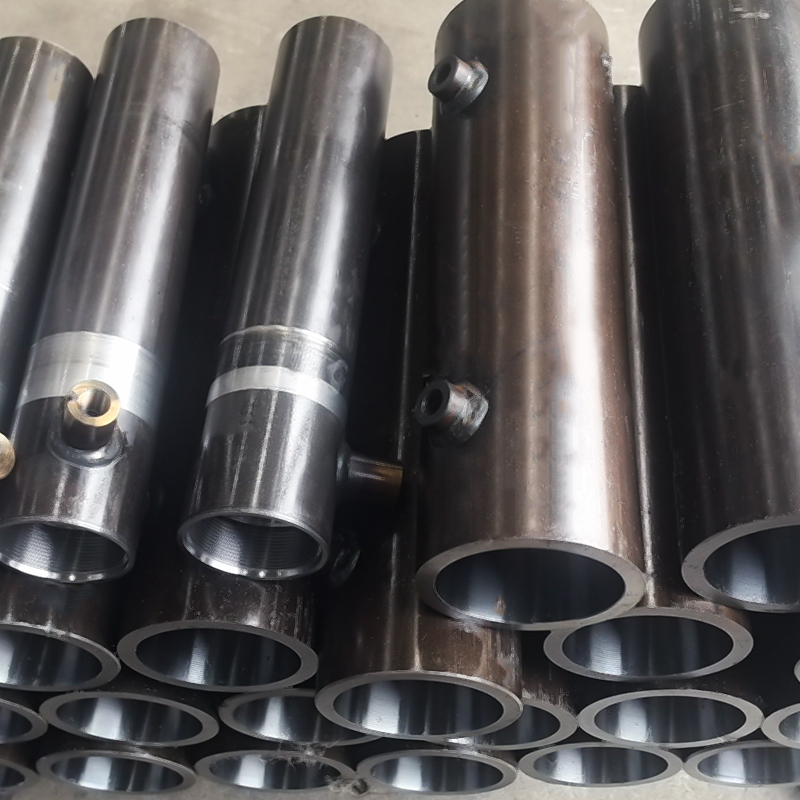
Our Finished Hydraulic Cylinder Barrels are precision-machined, honed steel tube...
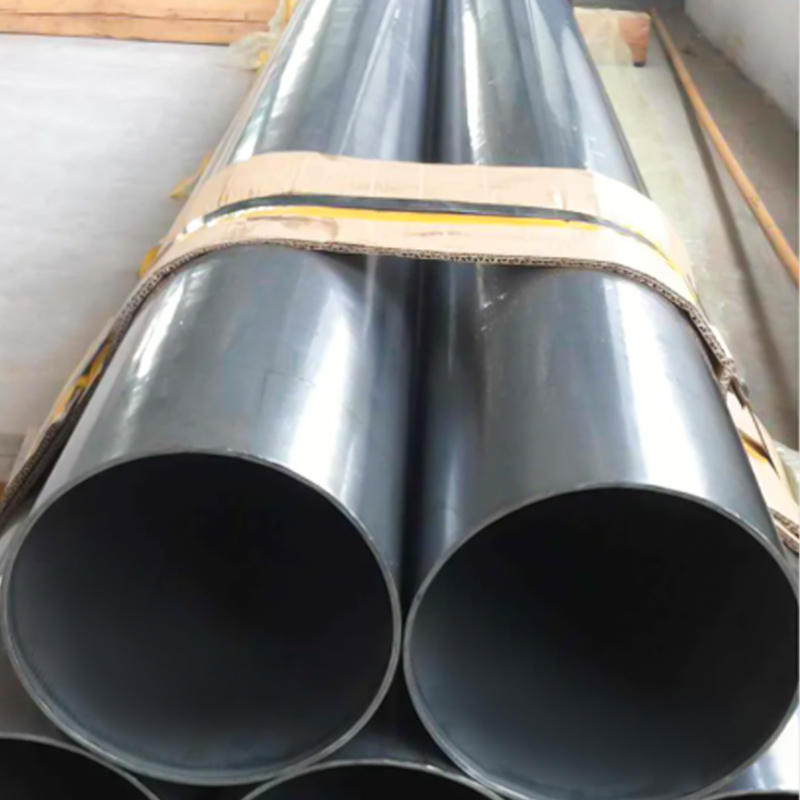
Cold-Rolled Steel Tube – ASTM A513 Type 2 Grades 1010, 1015, 1020, 1026 (1” x 0....
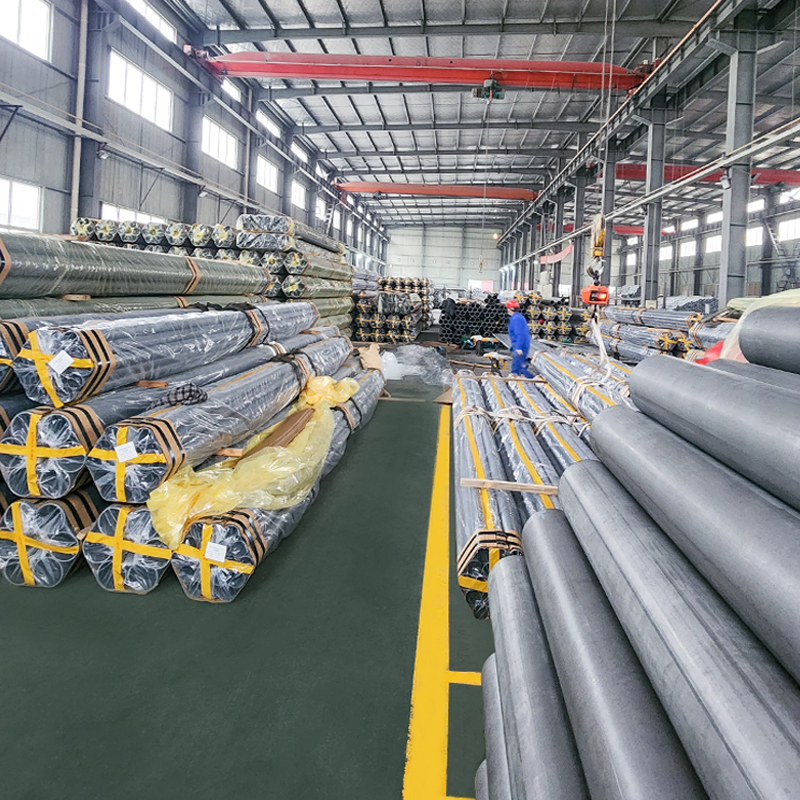
EN 10305-3 E235 Precision Conveyor Roller Tubing – Ø60.3 x 2.0 mm for Material H...
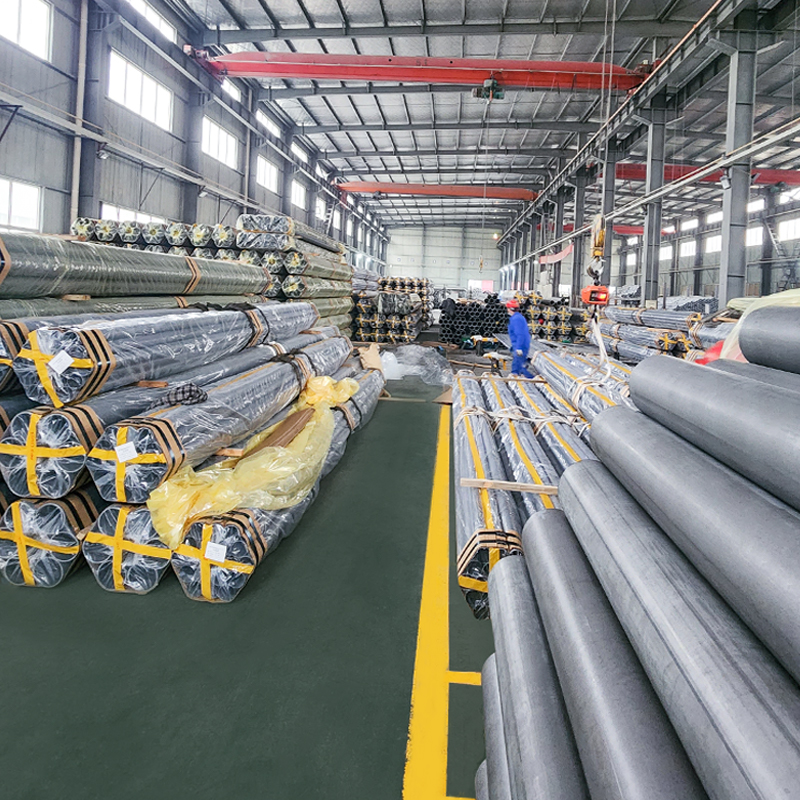
ASTM A513 Grade 1010 Precision Gravity Conveyor Roller Tubing – 2 in x 0.065 in
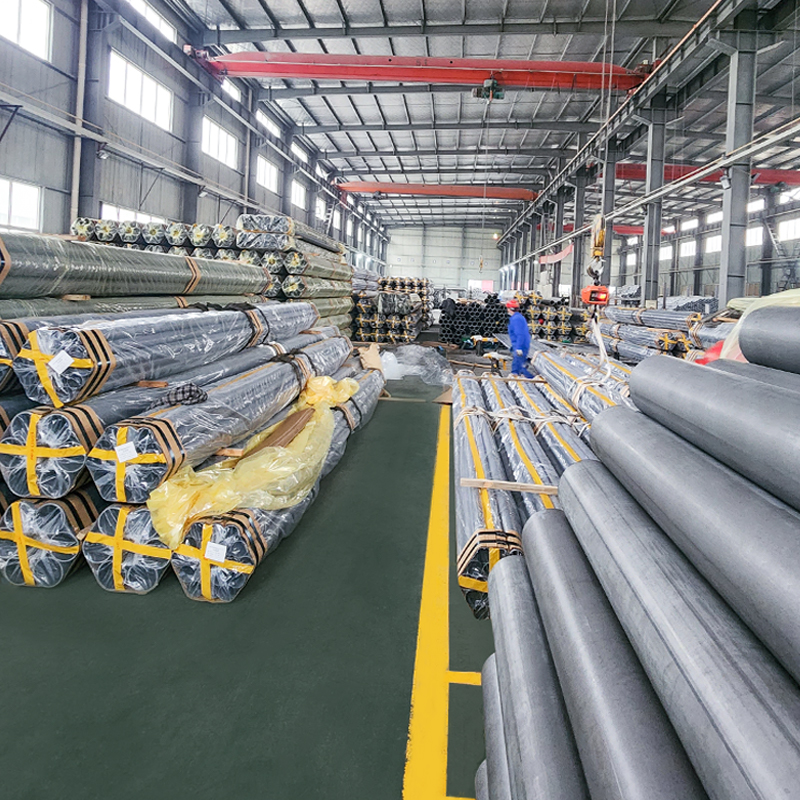
DIN 2394 ST37.2 Heavy-Duty Conveyor Roller Tubing – Ø89 x 3 mm for Mining & ...
Our E-Coated Steel Pipes are treated with electro-coating (E-coating) to provide...


