
 English
 Español
 русский
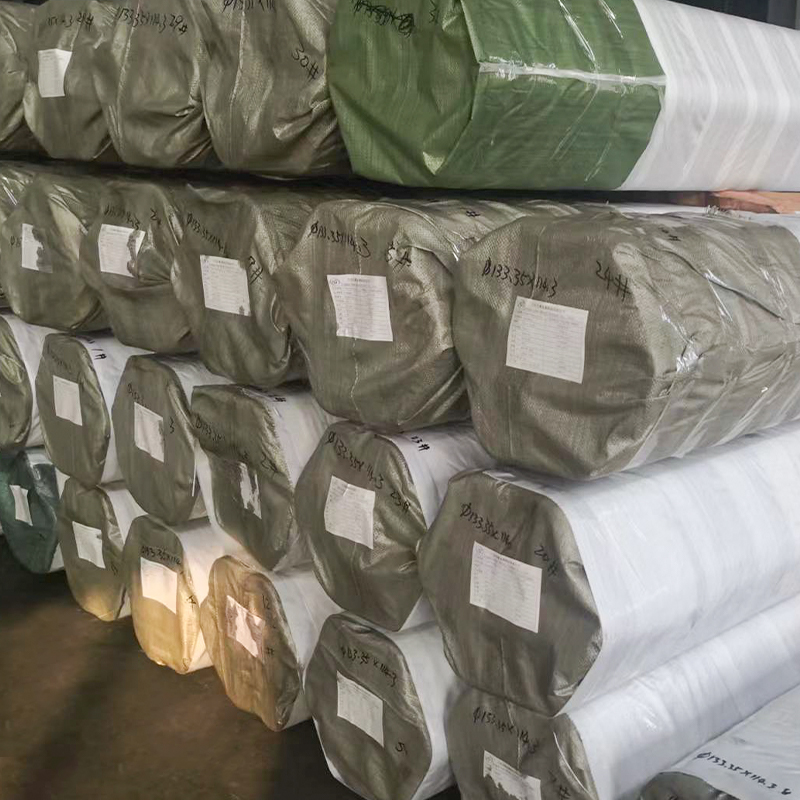
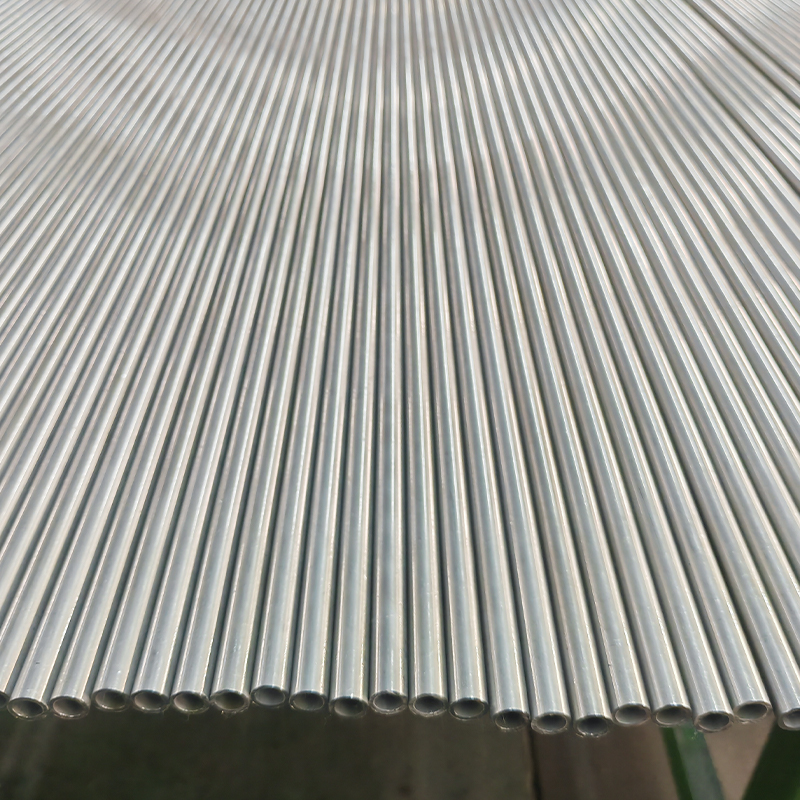
Hydraulic Cylinder Tube – ASTM A519 ST52, 27SiMn, 20MnV6 | Cold Drawn Seamless Steel Pipe for Honing & SRB
Our ASTM A519 Hydraulic Cylinder Tubes are precision-manufactured using cold dra...

Content
The performance gap between seamless and welded hydraulic cylinder tubes starts at the mill. Seamless tubing is pierced from a solid round billet—heated and rotary-pierced, then elongated on a mandrel. The hollow shell is cold-drawn or cold-pilgered to final dimensions. There is no longitudinal joint.
Welded tube begins as flat-rolled strip. The strip is roll-formed into a cylinder and joined using high-frequency induction welding or TIG welding. The as-welded tube carries a visible internal weld bead and a heat-affected zone (HAZ). To compete with seamless, many shops draw the welded tube over a mandrel. This cold-drawn welded (DOM) process refines the microstructure, flattens the weld bead, and brings tolerances close to seamless levels. You can source cold-drawn welded (DOM) tubes in EN 10305-2 grades for demanding hydraulic applications.
The contrast in starting stock explains the fundamental differences in wall uniformity, residual stress, and flaw distribution.
When a hydraulic cylinder cycles from 0 to 350 bar, the tube wall experiences hoop stress, axial stress, and fatigue loading. Seamless tube made from E355 (St52) typically delivers a minimum yield strength of 355 MPa. A comparable welded tube in 1026 grade might yield around 310 MPa—roughly 12% lower.
Pressure capacity tells the same story. Using Barlow’s formula for a 50 mm OD × 5 mm wall tube, a seamless E355 tube with tensile strength 600 MPa can withstand a burst pressure above 1200 bar. The welded equivalent in 1026 (tensile ∼440 MPa) would burst near 880 bar. ASME B31.3 assigns seamless tube a 20–25% higher allowable working pressure than welded tube of identical dimensions and material. This margin matters in mobile hydraulics where shock pressures spike 1.5× the nominal rating.
Fatigue resistance separates the two even further. At 10⁷ cycles, the fatigue limit of cold-drawn seamless tube is typically 15–30% above that of an equivalent welded tube. The reason is simple: the weld’s HAZ contains localized grain growth, micro-porosity, and tensile residual stresses that serve as crack initiation sites. A DOM tube, after heavy cold work, recovers much of the lost fatigue life—but rarely matches a fully through-hardened seamless tube in cyclic duty.
Hydraulic cylinder seal performance hinges on the inner surface roughness (Ra) and the diametral tolerance. A rougher or oversized bore accelerates seal wear and internal leakage. The numbers make the choice clear.
| Tube Type | ID Roughness (Ra) | Typical Tolerance |
|---|---|---|
| Seamless Cold-Drawn | 0.8 – 1.6 µm | H8 – H9 |
| Welded (ERW as-welded) | 3.2 – 6.3 µm | H11 – H12 |
| DOM (Cold-Drawn Welded) | 0.4 – 0.8 µm | H8 – H9 |
| Honed Seamless | 0.2 – 0.4 µm | H8 (within 0.025 mm) |
A raw welded tube at Ra 6.3 µm will chew through a polyurethane U-cup seal in industrial cylinders. Even a cold-drawn seamless tube at Ra 1.2 µm performs well, but where the application demands a mirror bore—like in servo-hydraulic cylinders—a honed SRB tube with Ra ≤0.4 µm directly extends seal life by 30–50%. You can see a finished example with honed SRB tube with mirror-like ID finish suitable for high-cycle hydraulic cylinders.
Tolerance is equally critical. An H8 bore (±0.039 mm for a 50 mm ID) keeps the extrusion gap for the seal consistent. An H11 tube (±0.160 mm) allows the seal lip to extrude under pressure, leading to blow-by failures. For pneumatic or low-pressure hydraulic systems (< 100 bar) H9–H11 is acceptable; beyond 200 bar, H8 becomes mandatory.
Hydraulic fluids containing water—water-glycol, phosphate esters, or even contaminated mineral oil—create corrosion cells. The weld seam is a permanent hot-spot. During welding, manganese and silicon segregate, creating micro-galvanic couples between the weld metal and the base material. The heat-affected zone also retains tensile residual stress that promotes stress corrosion cracking.
Independent immersion tests show that in a 5% NaCl solution at 35 °C, the weld zone of a 1026 tube exhibits pitting initiation within 48 hours, while the base metal and seamless tube of similar chemistry remain passive for days longer. Seamless tube, free from compositional discontinuities, provides uniform corrosion resistance across the entire wall. When a design calls for phosphate-ester fluids in steel mill hydraulics, seamless is the standard recommendation. For welded tubes in mildly corrosive service, full-body bright annealing or a thin nickel-chrome coating can mask the weakness—but never eliminate the root cause.
Procurement cost alone misleads. A welded ERW tube (EN 10305-2, E235) in standard stock size costs roughly 60–70% of a cold-drawn seamless tube (EN 10305-1, E355) of equal dimensions. DOM tube sits around 80–90% of the seamless price. However, the hydraulic cylinder shop almost always adds honing or skive-roller burnishing. The honing allowance—typically 0.3–0.5 mm on diameter—erases the cost advantage if the raw tube wall is too variable. A welded tube with H11 tolerance may need extra honing passes, consuming time and tool life.
Lead time follows a similar pattern: ERW welded tube ex-stock delivers in days, while cold-drawn seamless tube often requires 3–6 weeks for non-standard dimensions. DOM tube blends availability with precision, often available in 2–4 weeks. The real TCO equation weighs reduced machining scrap, lower seal wear, and longer mean time between failure. For a critical main lift cylinder that operates in 24/7 duty, the seamless premium pays back within the first maintenance cycle.
Selecting a tube without coupling it to a known material standard is a recipe for supply chain confusion. The table below maps the most common grades to their governing specifications for hydraulic cylinder tubes.
| Material Grade | Type | Key Standard | Yield Strength (min.) |
|---|---|---|---|
| E355 / St52 | Seamless Cold-Drawn | EN 10305-1, ASTM A519 | 355 MPa |
| 27SiMn / 20MnV6 | Seamless Cold-Drawn | GB/T 17396, ASTM A519 | 835 MPa (Q&T) |
| 4130 (AISI) | Seamless Cold-Drawn | ASTM A519 | 460 MPa |
| E235 / 1026 | Welded & DOM | EN 10305-2, ASTM A513 | 235–310 MPa |
| E355 / St52 | Welded & DOM | EN 10305-2 | 355 MPa |
For high-pressure mobile and industrial cylinders, cold-drawn seamless hydraulic tubing in grade E355 covers the majority of applications up to 350 bar. When extreme toughness or wear resistance is needed—like in mining props—27SiMn quenched and tempered seamless tube becomes the go-to choice. The same E355 grade in welded DOM form meets EN 10305-2 and works well for medium-pressure cylinders where budget sensitivity is high.
Design parameters rarely align perfectly. Use the matrix below as a first-pass filter based on the cylinder’s maximum working pressure and the required bore tolerance.
| Working Pressure | Required ID Tolerance | Recommended Tube | Typical Grade |
|---|---|---|---|
| < 20 MPa (150 bar) | H11 – H9 | Welded ERW or DOM | E235, 1026 |
| 20 – 35 MPa (150 – 350 bar) | H9 – H8 | DOM (Cold-Drawn Welded) or Seamless | E355, St52 |
| > 35 MPa (350 bar) | H8 – H7 | Seamless Cold-Drawn & Honed | E355, 27SiMn, 4130 |
| Water-containing fluids | H9 – H8 | Seamless (preferred) | E355, 316L (stainless) |
The matrix isn’t absolute. A 250-bar cylinder with severe side-loading may still benefit from a seamless honed tube even if DOM nominally meets the pressure rating, because ovality and fatigue matter. Similarly, a low-pressure steering cylinder produced in high volume can use ERW welded tube with post-honing to H9, saving material cost without sacrificing reliability. When the hydraulic fluid is oil-based and water contamination is controlled, DOM tube offers the sweet spot of precision and cost for many mid-range applications.
Seamless tube remains the safe choice for hydraulic cylinders operating above 350 bar or in corrosive environments. DOM welded tube closes the gap for mid-pressure designs where tolerance and cost are equally weighted. Start with the selection matrix, then define your target Ra, tolerance grade, and material standard. A data-driven specification eliminates overpaying for seamless when DOM will do—or under-specifying a welded tube into early failure.
To move from comparison to procurement, provide your cylinder bore size, working pressure, and fluid type. Suppliers can then propose a complete honed tube package or a ready-to-assemble barrel from the right material and standard.
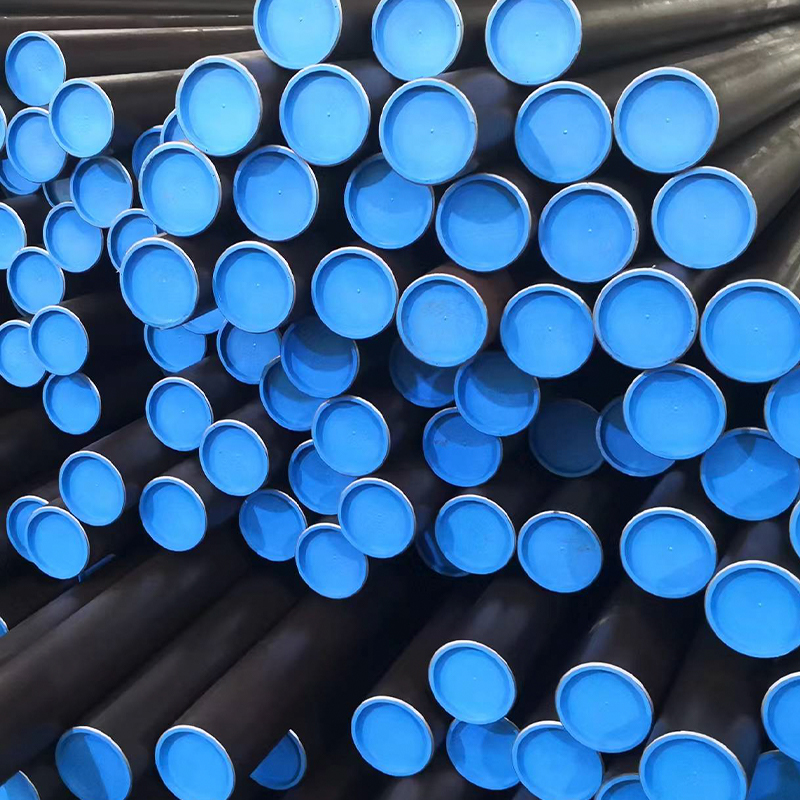
Our ASTM A519 Hydraulic Cylinder Tubes are precision-manufactured using cold dra...
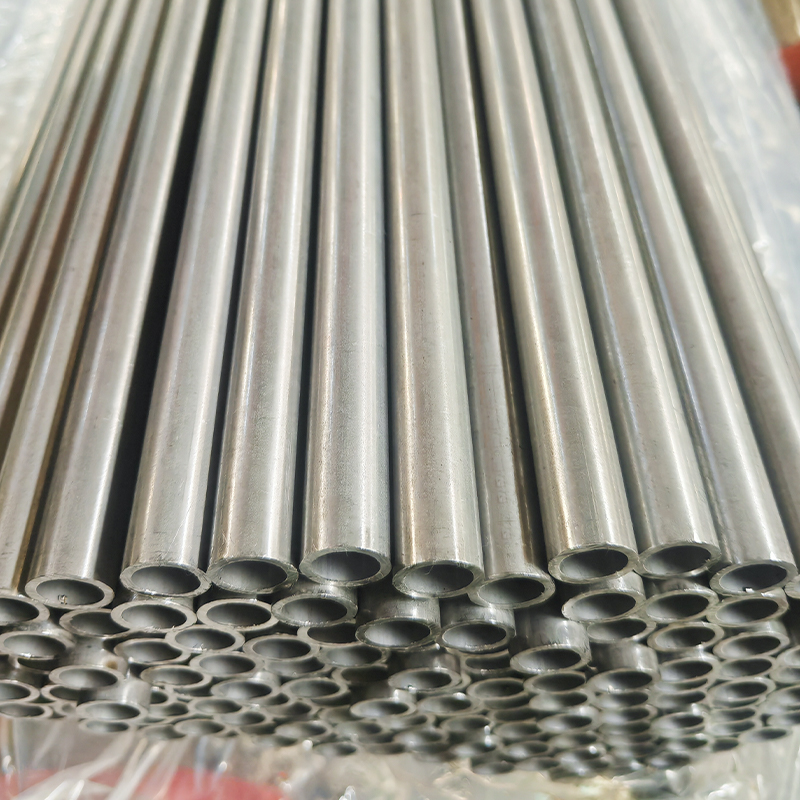
Our ASTM A519 1020 cold-drawn seamless hydraulic tubes are engineered for high-p...
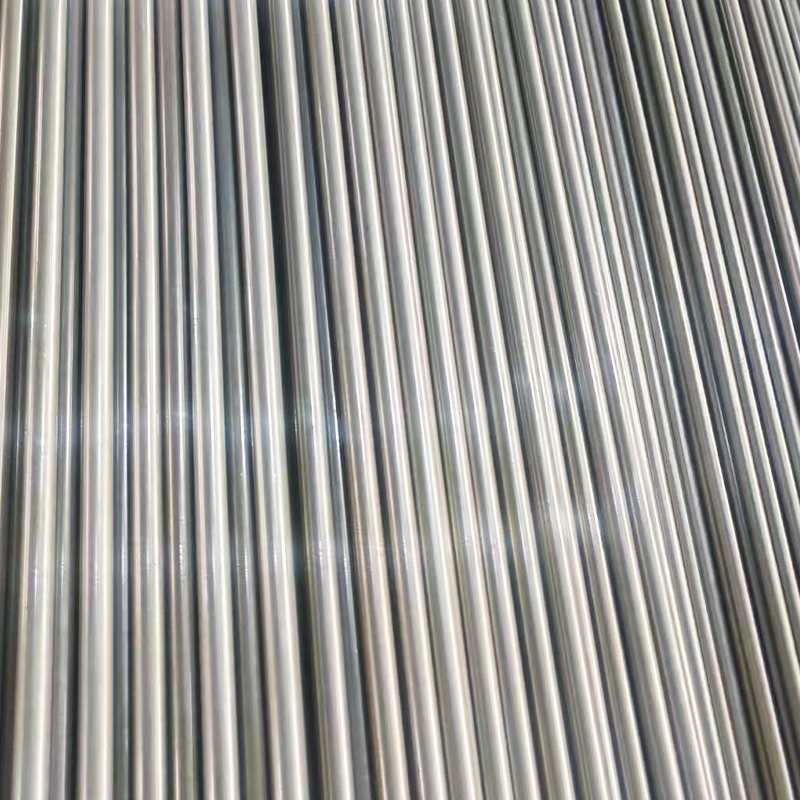
Our Welded Hydraulic Tubes are produced from cold-drawn or ERW-welded strip stee...
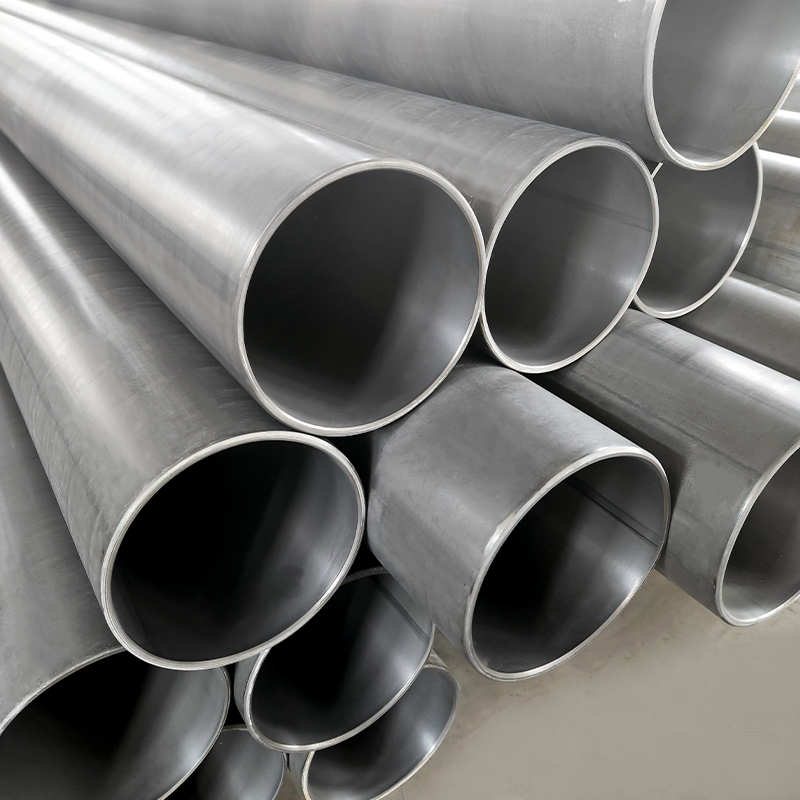
Our Hydraulic Shock Absorber Tubes are manufactured using the Cold Drawn Welded ...
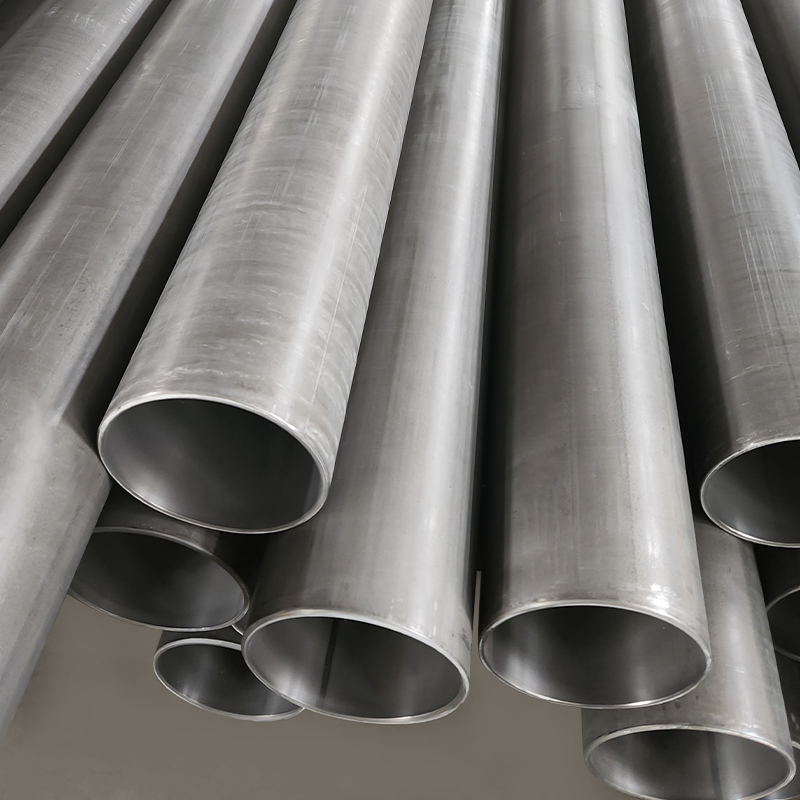
Our Hydraulic Shock Absorber Tube is manufactured to EN 10305-2 standards using
Our Hydraulic Tubes are manufactured from cold-drawn seamless steel (CDS) in com...


