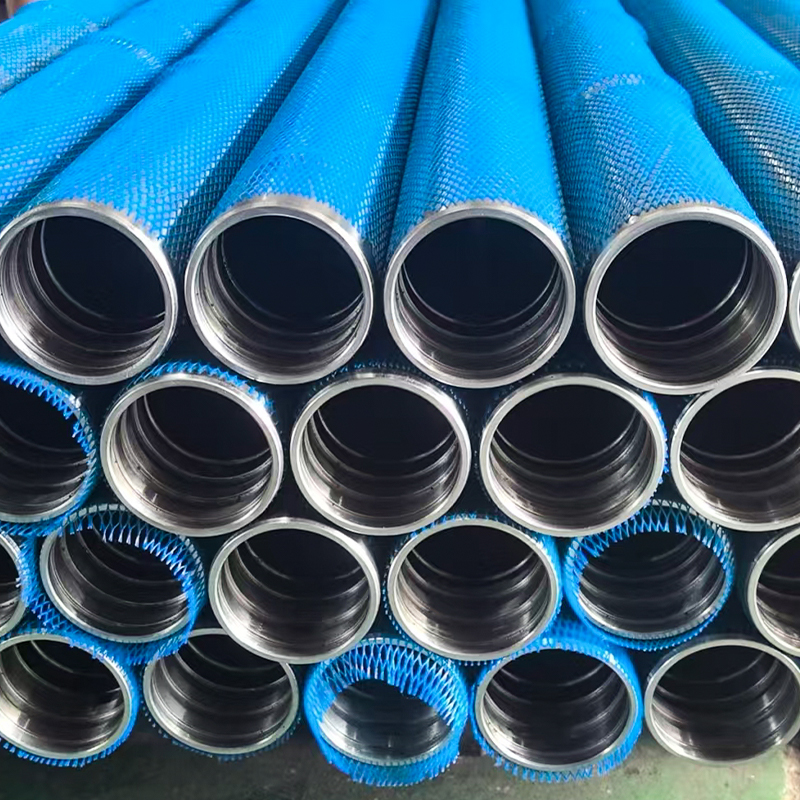
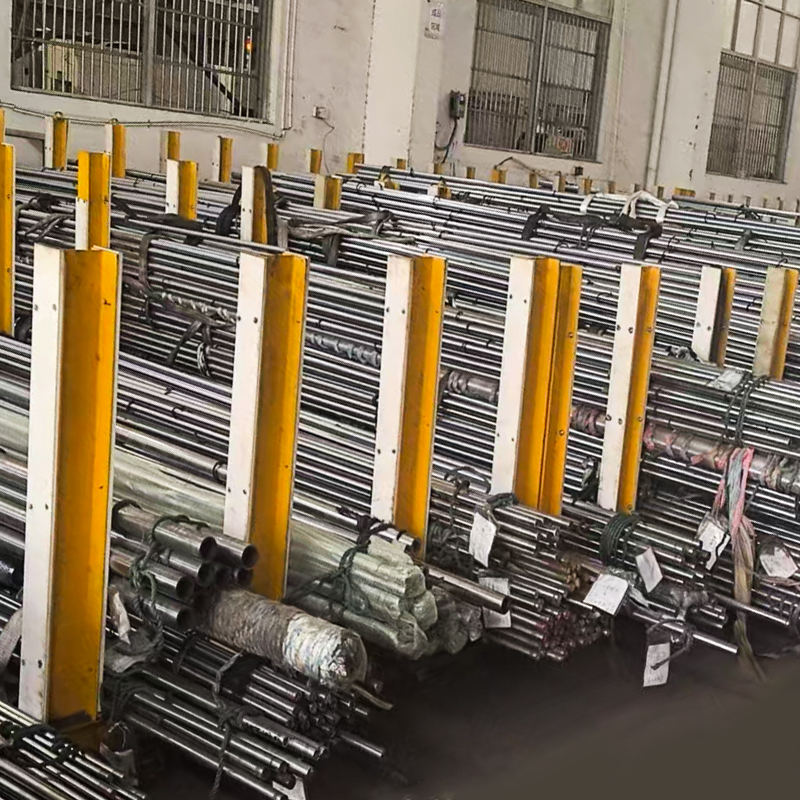
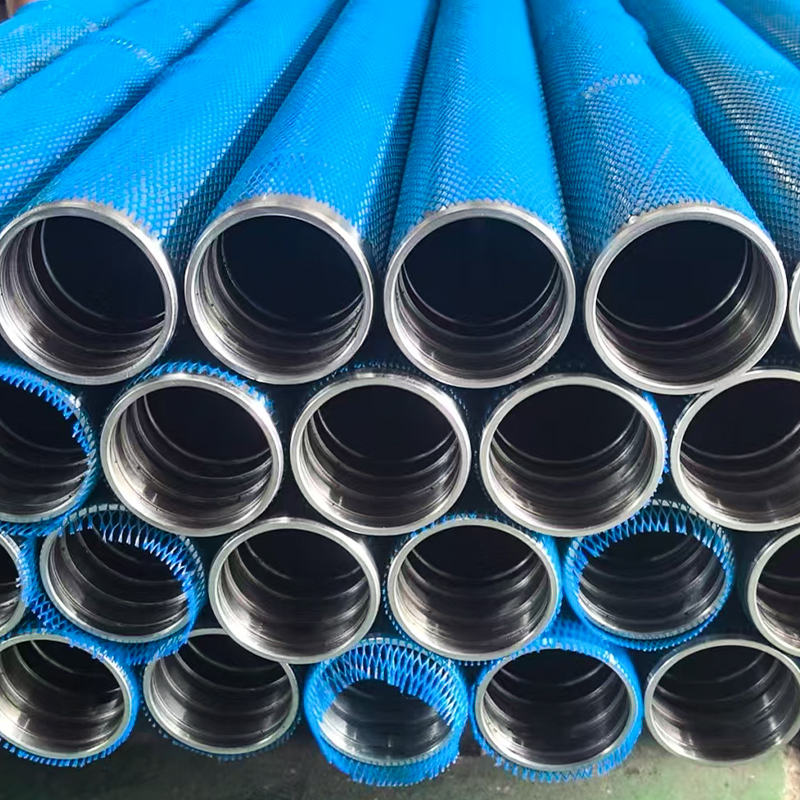
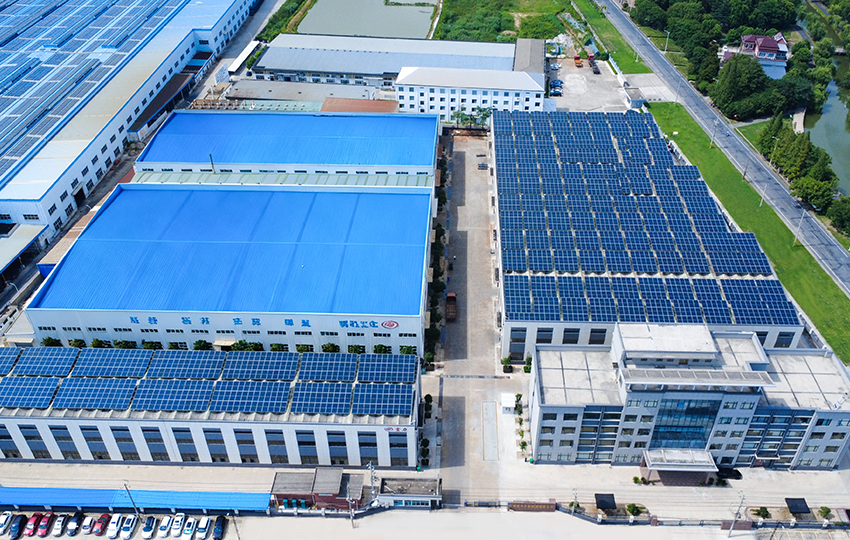
The performance and service life of a piston rod for hydraulic and pneumatic cylinder depend heavily on base material properties. Common choices include C45 carbon steel, 42CrMo alloy steel, and stainless grades like SUS304 or SUS316—selected based on load, corrosion exposure, and operating pressure. At Jiangsu Suao Metal Product Co., Ltd., we cold-draw these materials to achieve surface roughness below Ra 0.2 µm and dimensional tolerances as tight as ±0.02 mm, ensuring smooth reciprocating motion and minimal seal wear in dynamic applications.
Surface Hardening Techniques Critical to Wear Resistance
Piston rods operate under constant friction and potential impact, making surface hardness a non-negotiable parameter. Induction hardening is widely used for carbon steel rods, achieving case depths of 1.5–3.0 mm with surface hardness of 50–58 HRC. For corrosive environments—such as offshore platforms or chemical processing—we apply chrome plating (typically 20–30 µm) over a hardened substrate, or offer alternatives like nitriding or thermal spray coatings. As a manufacturer with full in-house heat treatment and finishing lines, we ensure every piston rod for hydraulic and pneumatic cylinder meets your exact mechanical and environmental demands.
Typical Surface Treatments and Their Performance Profiles
| Treatment |
Hardness (HV) |
Corrosion Resistance |
Common Use Cases |
| Hard Chrome Plating |
800–1000 |
Excellent (with micro-crack control) |
Construction machinery, marine hydraulics |
| Induction Hardening + Oil |
500–600 |
Moderate (requires protective oil) |
Industrial presses, agricultural equipment |
| Nitriding |
700–900 |
Good (no plating porosity) |
Food-grade pneumatics, clean-room automation |
Straightness and Roundness: Hidden Factors in Seal Longevity
Even minor deviations in straightness can cause uneven seal compression, leading to premature leakage or rod scoring. High-precision piston rods for hydraulic and pneumatic cylinder typically require straightness within 0.1–0.3 mm per meter. At our facility, we use CNC-controlled roller straightening followed by laser alignment verification. Combined with online dimensional monitoring during cold drawing, this ensures consistent geometry across batches—critical for customers in wind turbine pitch systems or railway braking where reliability is non-negotiable.
Customization Beyond Standard Dimensions
While ISO 6020/2 and DIN 24554 define common piston rod sizes, real-world applications often demand non-standard lengths, stepped diameters, or integrated threads. We support high-mix, low-volume production with flexible machining cells capable of chamfering, threading, and end-face grinding—all traceable through our smart manufacturing system. Whether you need a 6-meter rod for a shipyard crane or a short, precision rod for a medical pneumatic actuator, we deliver fully finished piston rod for hydraulic and pneumatic cylinder ready for direct assembly.
Key Considerations When Specifying Custom Rods
- Specify maximum allowable runout at mounting points to avoid misalignment stress
- Define surface finish requirements not just for the sealing zone but also for guide bushings
- Clarify packaging needs—long rods may require V-block cradles to maintain straightness during transit


 English
 Español
 русский