
 English
 Español
 русский
Hydraulic Tube – Welded Steel EN 10305-2, Cold Drawn / ERW, Precision Tubing for High-Pressure Systems
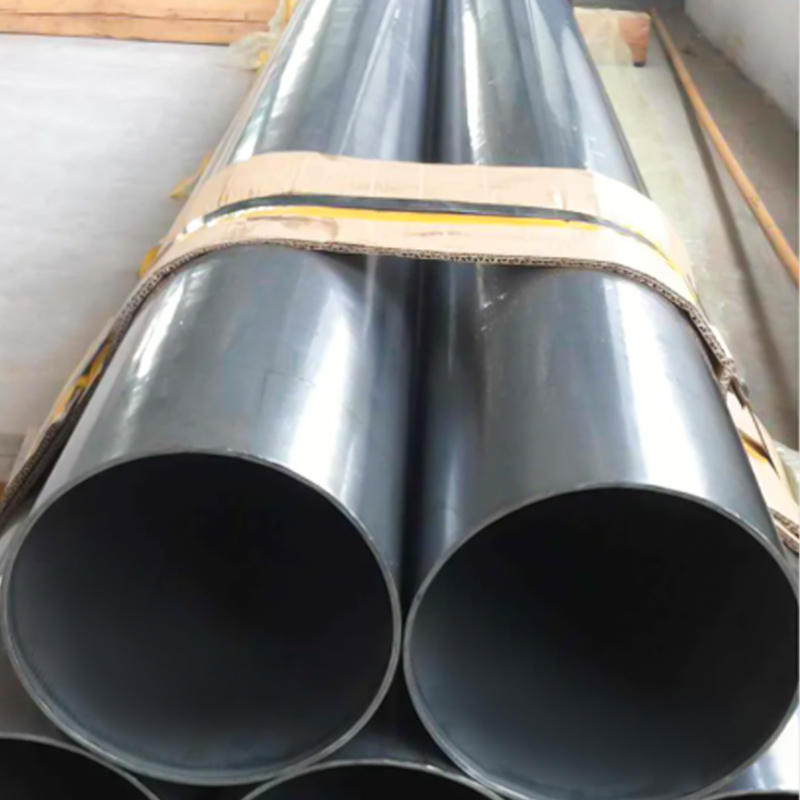
Our Welded Hydraulic Tubes are produced from cold-drawn or ERW-welded strip stee...

Content
Precision tubing for glass machinery equipment plays a decisive role in maintaining dimensional accuracy, thermal stability, and mechanical reliability across glass production lines. Unlike general-purpose mechanical tubes, these tubes operate in environments characterized by high temperatures, abrasive glass particles, and continuous mechanical motion. Even minor deviations in tube geometry can result in misalignment, vibration, or premature wear of critical machine components.
In glass cutting, forming, edging, and tempering equipment, precision tubing is often used as guide sleeves, support shafts, structural frames, or fluid-transfer conduits. These applications demand tight tolerances, consistent wall thickness, and predictable mechanical behavior to ensure smooth operation and long service life.
Glass machinery relies heavily on precise alignment to prevent edge chipping, surface scratching, and uneven stress distribution during processing. Precision tubing ensures that linear motion systems, rollers, and guiding assemblies maintain consistent positioning throughout operation. This is particularly important in automated glass handling systems where cumulative tolerance errors can quickly affect final product quality.
Cold-drawn precision tubing offers superior control over outer diameter, inner diameter, ovality, and straightness. These characteristics help reduce the need for secondary machining while improving assembly efficiency and repeatability.
Glass manufacturing environments expose machinery components to sustained heat and frequent temperature fluctuations. Precision tubing must maintain dimensional stability under thermal expansion and contraction to prevent misalignment or structural deformation. Inadequate material selection or poor heat treatment can lead to distortion, affecting equipment accuracy and downtime.
Cold-drawn precision steel tubing, when combined with appropriate heat treatment, provides a balanced microstructure that enhances thermal resistance while maintaining mechanical strength. This makes it suitable for use near furnaces, annealing lines, and heated conveyor systems.
Surface quality is a critical consideration for precision tubing used in glass machinery equipment. Rough or inconsistent surfaces increase friction, accelerate wear, and can generate contaminants that compromise glass surface integrity. Smooth, well-finished tubing reduces contact resistance and minimizes the accumulation of glass dust and debris.
Precision tubing with controlled surface roughness also supports stable lubrication performance in moving assemblies, extending service intervals and reducing maintenance costs.
Glass machinery often operates continuously at high speeds, making vibration control essential for both product quality and equipment longevity. Precision tubing contributes to structural rigidity while maintaining a favorable strength-to-weight ratio. Uniform wall thickness and controlled mechanical properties help dampen vibration and prevent resonance issues.
In load-bearing frames or rotating assemblies, consistent material strength ensures predictable behavior under dynamic loads, reducing fatigue-related failures.
The performance of precision tubing for glass machinery equipment is directly linked to its manufacturing process. Cold drawing refines dimensional accuracy and surface finish, while subsequent heat treatment stabilizes mechanical properties. Straightening, cutting, chamfering, and surface treatment further prepare the tubing for direct integration into machinery assemblies.
Manufacturers with integrated production capabilities can better control quality consistency across batches, which is essential for glass equipment builders operating global supply chains.
| Process Stage | Impact on Glass Machinery Performance |
| Cold Drawing | Improves dimensional accuracy and surface consistency. |
| Heat Treatment | Stabilizes mechanical properties and thermal performance. |
| Straightening | Ensures alignment accuracy in long machine components. |
Different sections of glass machinery impose different demands on precision tubing. Structural components prioritize strength and straightness, while fluid-handling or guiding components emphasize surface finish and dimensional accuracy. Selecting the appropriate steel grade and processing route is critical for balancing performance and cost.
Carbon steel precision tubing is commonly used for general structural applications, while alloy steel tubing may be selected for higher load or wear-intensive environments. Proper material selection helps extend equipment lifespan and maintain consistent processing quality.
As glass production moves toward higher automation and tighter quality standards, the role of precision tubing for glass machinery equipment becomes increasingly critical. Reliable tubing reduces unplanned downtime, simplifies maintenance, and supports consistent product quality across large production volumes.
By focusing on dimensional precision, surface quality, and mechanical stability, precision tubing enables glass machinery manufacturers to design equipment that performs reliably in demanding industrial environments, supporting long-term operational efficiency and competitiveness.
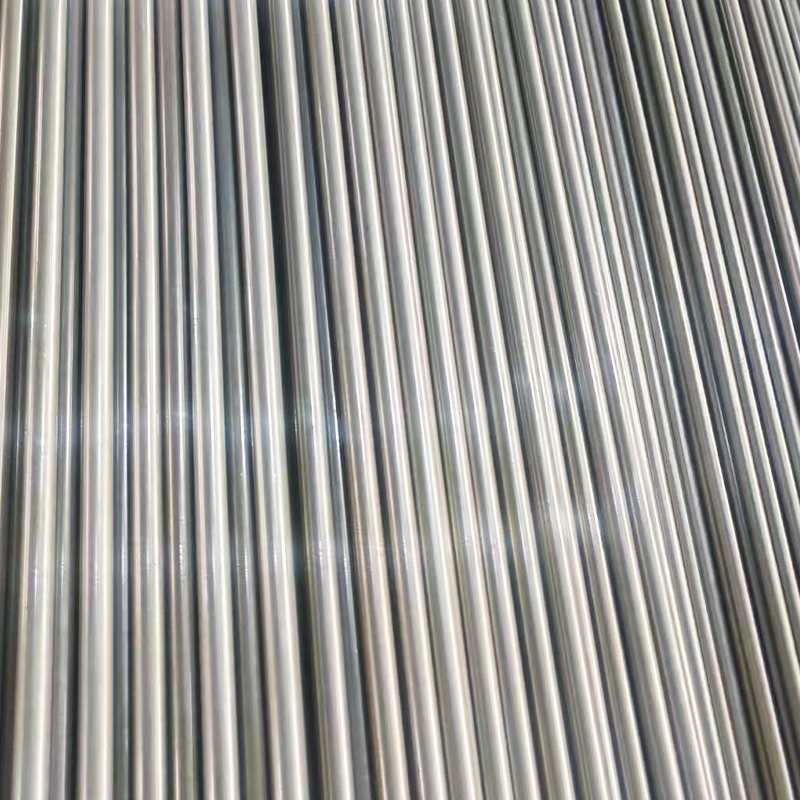
Our Welded Hydraulic Tubes are produced from cold-drawn or ERW-welded strip stee...
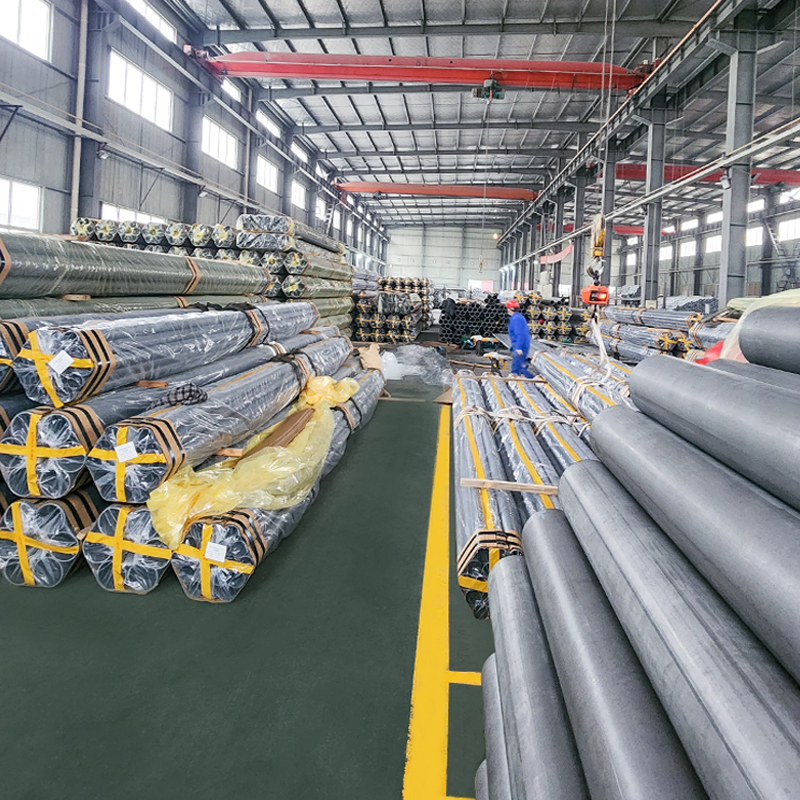
EN 10305-3 E235 Precision Conveyor Roller Tubing – Ø60.3 x 2.0 mm for Material H...
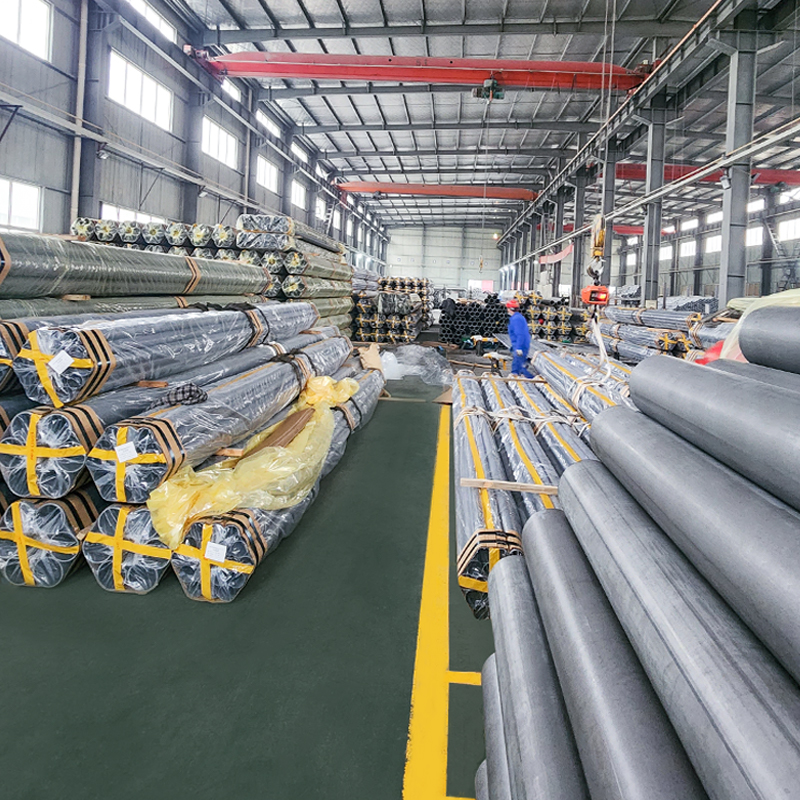
DIN 2394 ST37.2 Heavy-Duty Conveyor Roller Tubing – Ø89 x 3 mm for Mining & ...
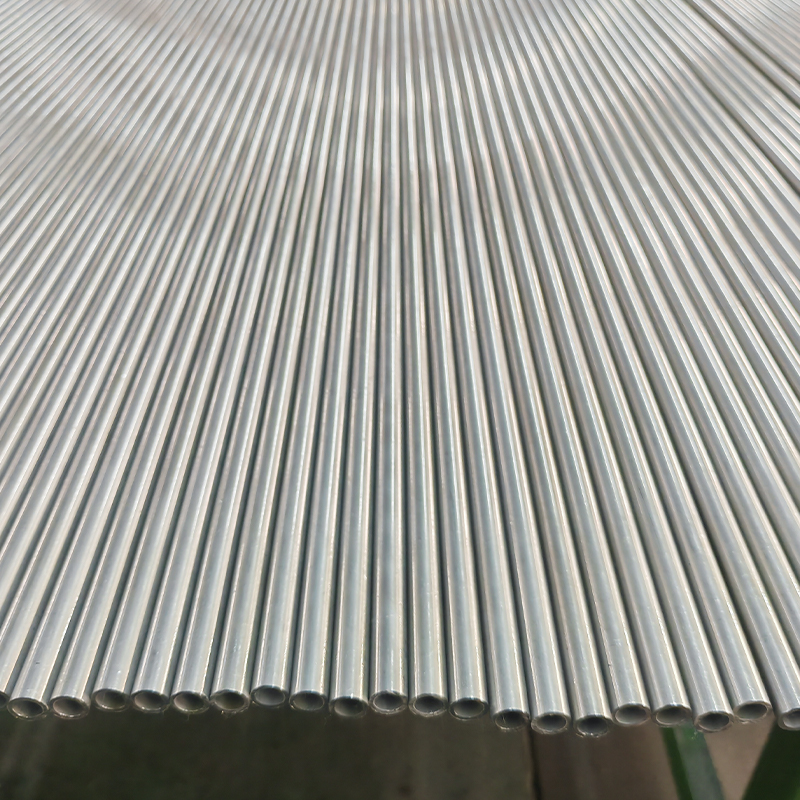
Our Hydraulic Tubes are manufactured from cold-drawn seamless steel (CDS) in com...
Cold-Rolled Steel Tube – ASTM A513 Type 2 Grades 1010, 1015, 1020, 1026 (1” x 0....
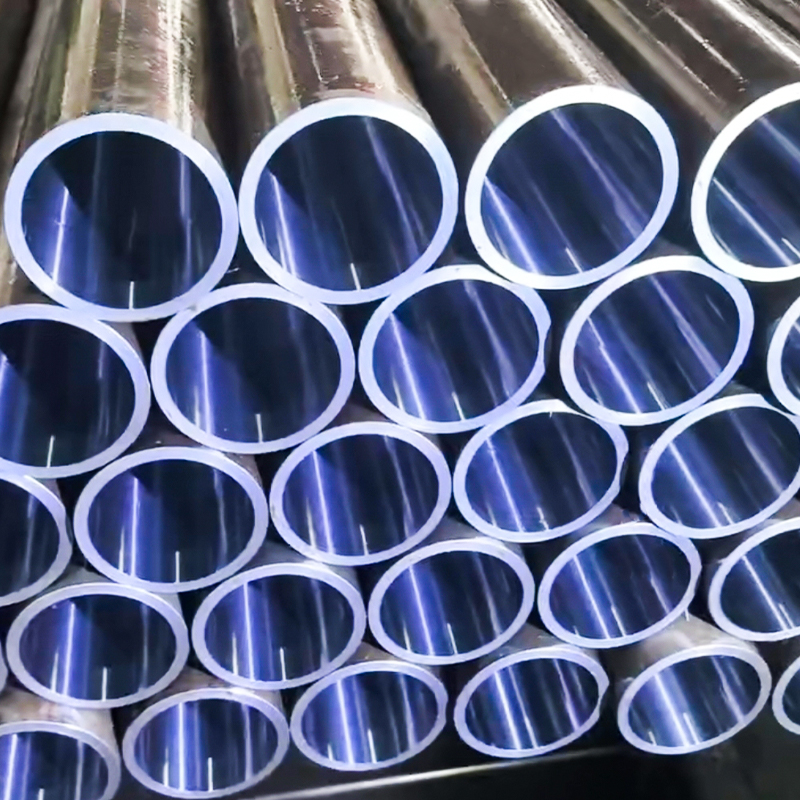
Our ASTM A513 Cold Drawn Welded (CDW) Honed & SRB Tubes are precision-


