Material Selection Logic Behind Drill Pipe Performance
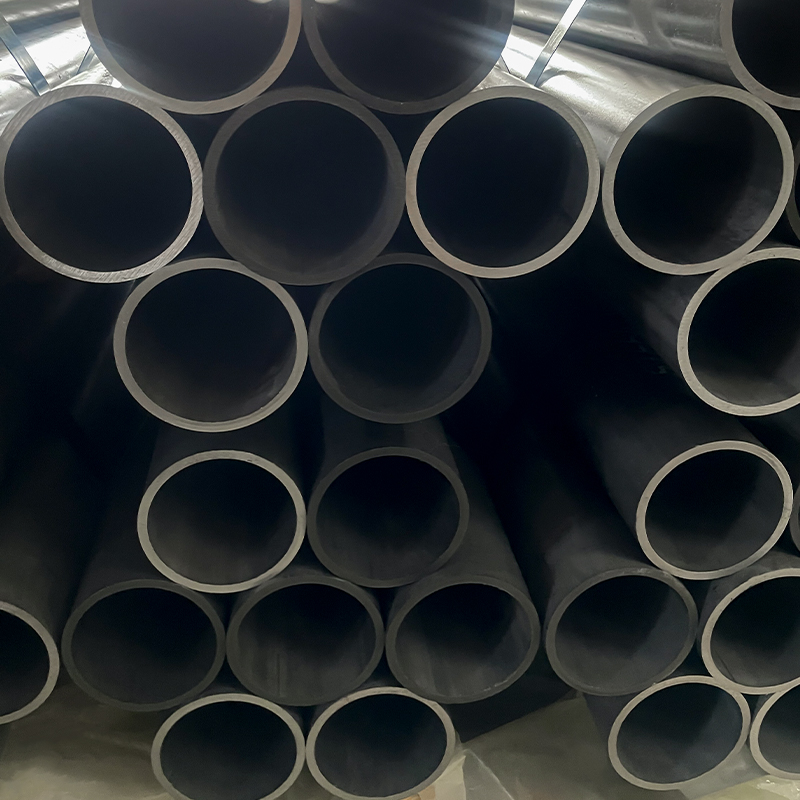
In drilling operations, drill pipe performance is closely tied to the consistency and reliability of the steel tube used as the base material. Beyond basic strength requirements, drill pipes must handle cyclic loads, torque transmission, internal pressure, and harsh environmental conditions simultaneously. This places strict demands on steel cleanliness, wall thickness uniformity, and mechanical stability after processing.
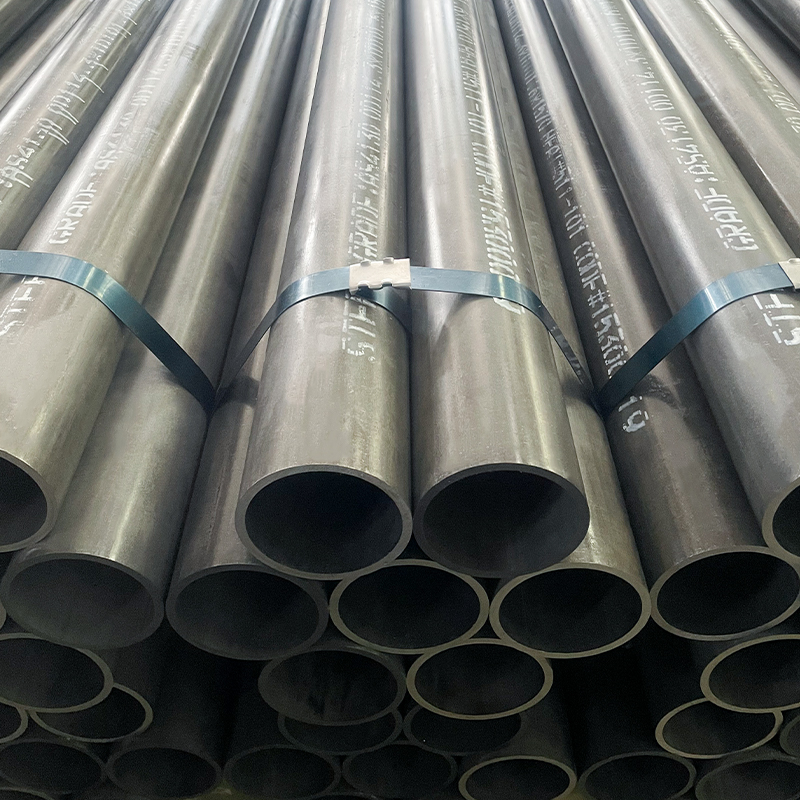
Jiangsu Suao Metal Product Co., Ltd. focuses on high-precision cold drawn steel tubes that serve as critical raw materials for mechanical and energy-related applications. With integrated production lines covering cold drawing, heat treatment, straightening, and surface treatment, Suao is capable of supplying steel tubes with controlled microstructure and dimensional accuracy suitable for demanding drill pipe manufacturing requirements.
Key Steel Tube Characteristics Affecting Drill Pipe Reliability
- Wall Thickness Consistency: Uneven wall thickness can lead to stress concentration during rotation and torque loading, increasing the risk of fatigue failure.
- Internal Surface Quality: A smooth inner surface reduces fluid turbulence and erosion caused by drilling mud circulation.
- Microstructural Uniformity: Stable grain structure after heat treatment improves resistance to crack initiation under repeated load cycles.
- Straightness Control: High straightness precision ensures better thread alignment and reduces eccentric rotation during drilling.
Cold Drawing and Heat Treatment in Drill Pipe Tubing
Cold drawing plays a critical role in refining the dimensional accuracy and surface finish of steel tubes used for drill pipe production. Through controlled deformation, cold drawing enhances tensile strength while maintaining tight tolerances, which is essential for downstream threading and welding processes.
At Jiangsu Suao Metal Product Co., Ltd., cold drawn tubes are paired with precisely managed heat treatment processes. This combination allows mechanical properties to be balanced, ensuring that strength gains from cold working do not compromise toughness or ductility—both essential for drill pipe service life.
| Process Stage |
Functional Impact on Drill Pipe Tubing |
| Cold Drawing |
Improves dimensional precision, surface finish, and tensile strength consistency. |
| Stress Relief |
Reduces residual stress to minimize distortion during machining and welding. |
| Quenching & Tempering |
Balances strength and toughness for fatigue-resistant drill pipe applications. |
Surface Treatment Considerations for Drill Pipe Tubes
Surface treatment of drill pipe tubing is not merely cosmetic; it directly impacts corrosion resistance, wear behavior, and service life in aggressive drilling environments. Exposure to moisture, chemicals, and abrasive particles requires protective surface solutions that do not interfere with subsequent threading or welding.
Jiangsu Suao Metal Product Co., Ltd. offers multiple surface treatment options as part of its integrated manufacturing capabilities. These treatments are selected based on end-use conditions and compatibility with drill pipe finishing processes.
Common Surface Treatment Options for Drill Pipe Tubing
- Phosphating: Enhances corrosion resistance and improves lubrication during threading operations.
- Oiled Surface Finish: Provides temporary corrosion protection during storage and transportation.
- Pickled and Cleaned Surface: Ensures optimal weld quality and coating adhesion.
Dimensional Precision and Downstream Processing Compatibility
Drill pipe manufacturing involves multiple downstream processes such as end upsetting, threading, and friction welding. Any deviation in tube diameter, ovality, or straightness can lead to inefficiencies or defects at later stages. Precision steel tubes reduce rework rates and improve overall production yield.
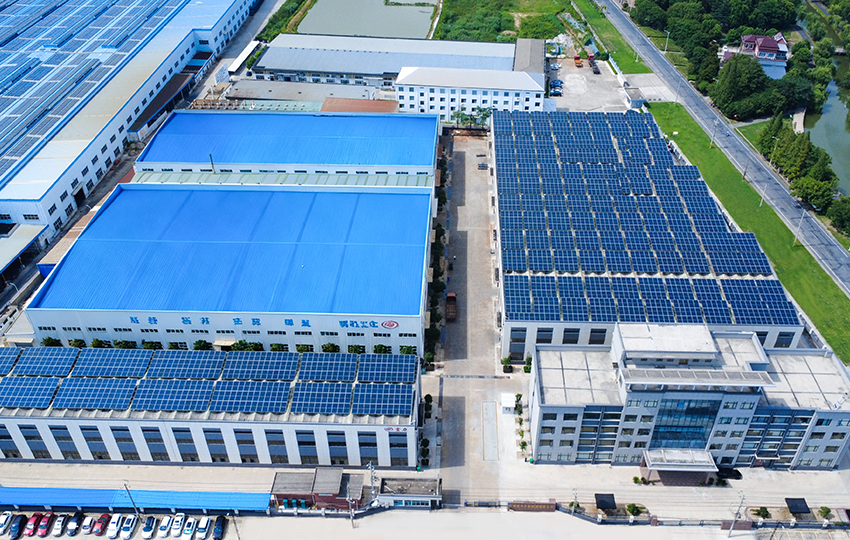
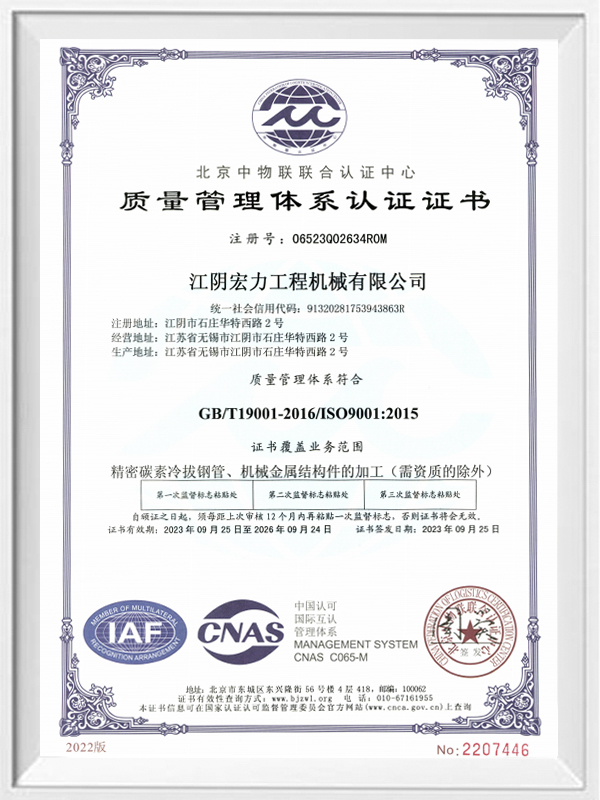
With two large-scale production facilities covering over 36,000 square meters and an annual output exceeding 50,000 tons, Jiangsu Suao Metal Product Co., Ltd. maintains strict inspection standards throughout production. This ensures that each steel tube delivered meets the dimensional and mechanical consistency required for high-reliability drill pipe applications across global industrial markets.


 English
 Español
 русский