
 English
 Español
 русский
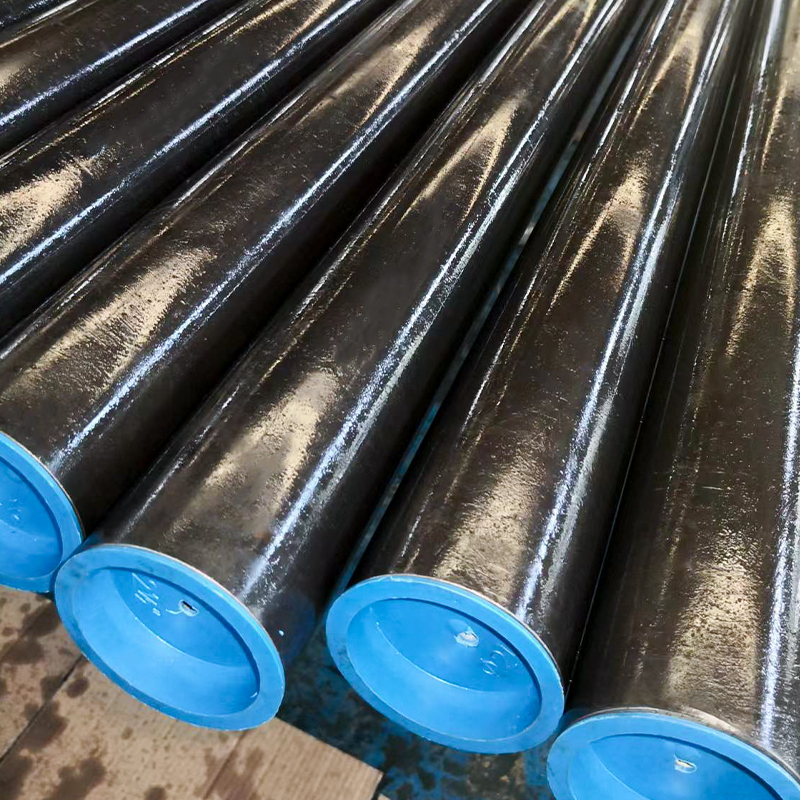
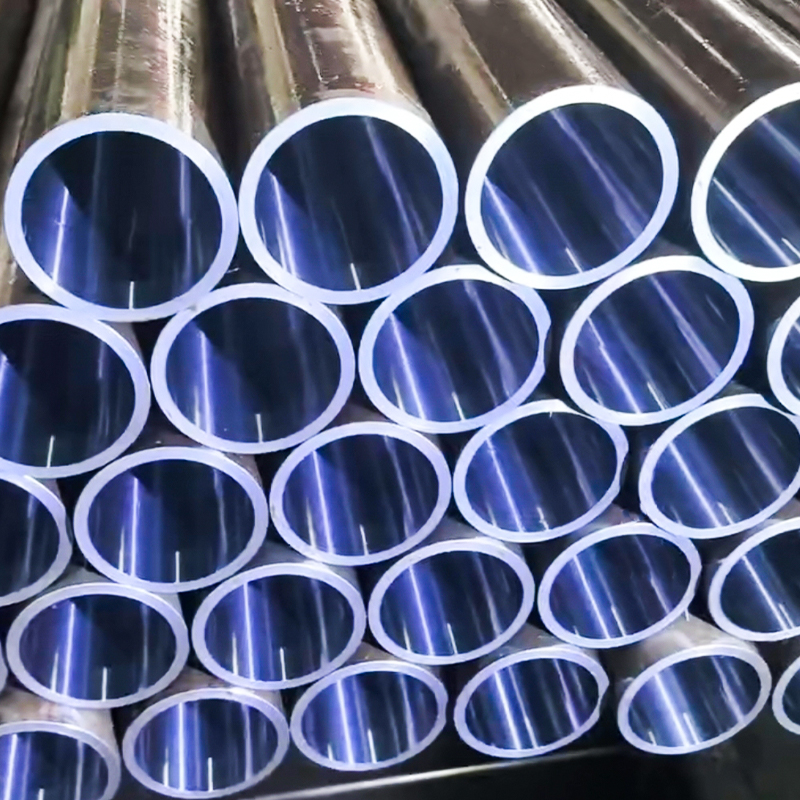
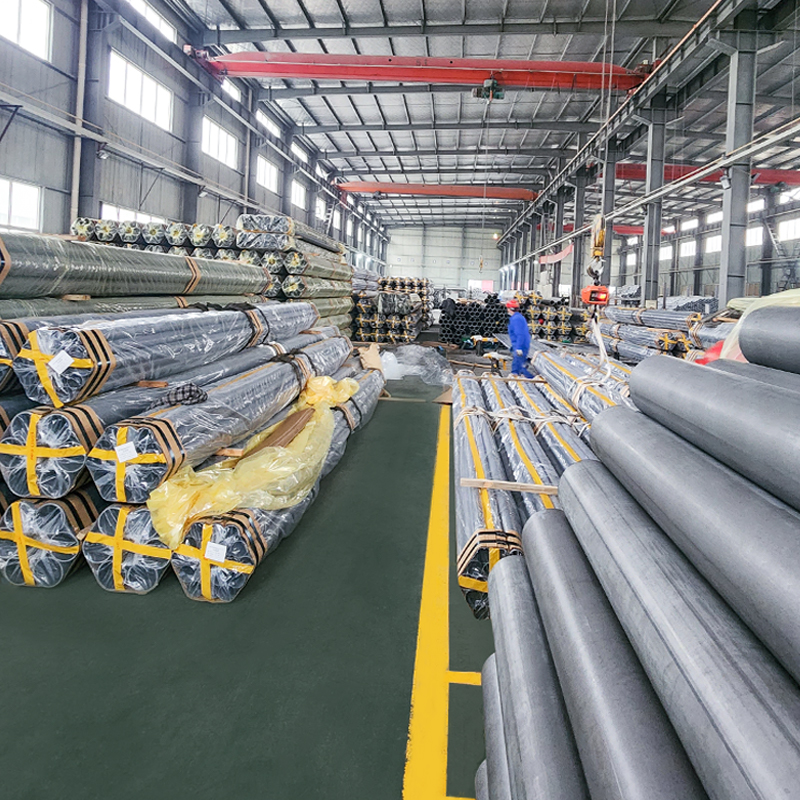
ASTM A513/A519 Precision Drive Shaft Tubing – 1026, 1020, 1015, 4130 (7 x 0.120 inches & 2–8.625 inches)
ASTM A513/A519 Precision Drive Shaft Tubing – 1026, 1020, 1015, 4130 (7 x 0.120 ...

Content
Nearly 70% of hydraulic cylinder failures trace back to tubing that doesn't meet the required ID tolerance or surface finish. DOM 1026 tubing exists specifically to solve that problem. It combines a high‑carbon 1026 steel chemistry with a cold‑drawing process that eliminates weld flash, tightens dimensional control to H8/H9 tolerances, and pushes yield strength past 75 ksi. For engineers specifying cylinder barrels, drive shafts, or structural members where straightness and wall consistency are non‑negotiable, 1026 DOM is the default answer — especially once outside diameters climb above 2 inches.
Most buyers first encounter DOM 1026 when a prototype built with generic ERW tube fails prematurely. The root cause is rarely the steel grade alone. It is the combination of tolerance stack‑up, residual weld stress, and inconsistent wall thickness that DOM eliminates. The cold‑drawing pass compresses the grain structure, raises the fatigue limit by an estimated 30–50% over standard ERW, and produces a surface ready for honing, chrome plating, or phosphating without extra machining. That translates into longer‑life parts and, typically, a 15–25% cost saving versus seamless cold‑drawn tube (CDS) of the same diameter.
This article maps the technical and commercial decisions that surround DOM 1026. You will find side‑by‑side comparisons against 1020 and seamless, a detailed size‑weight‑pressure chart, cost‑conscious surface treatment trade‑offs, and a five‑point supplier checklist — all grounded in ASTM A513 Type 5 and the European equivalents that global procurement teams need.
Drawn Over Mandrel (DOM) 1026 tubing starts as a flat strip of 1026 carbon steel that is roll‑formed into a tube and electric resistance welded longitudinally. The weld flash is scarfed immediately — inside and out — before the tube enters the cold‑drawing station. A mandrel, fixed or floating, controls the inside diameter while the tube is pulled through a die. That single operation refines the weld zone, work‑hardens the material, and sets both OD and ID to precision limits, typically H8 for ID and H9 for OD per ISO 286‑2.
The 1026 grade contains roughly 0.22%–0.28% carbon and 0.60%–0.90% manganese, which gives it a noticeably higher hardenability than the 1018/1020 grades used in lighter‑wall DOM. This chemistry, combined with the cold‑work from drawing, produces minimum tensile properties of 75 ksi yield and 85 ksi ultimate, even in the as‑drawn condition. Stress‑relief annealing can be applied afterward to restore ductility where forming or welding is required.
ASTM A513 Type 5 governs the dimensional and mechanical requirements for DOM tubes. When procurement demands a higher level of chemical control or supplementary impact testing, ASTM A519 is often invoked. Both standards reference the same 1026 chemistry, but A519 typically applies to seamless or DOM tubes intended for mechanical applications with tighter traceability. The result is an engineered tube — not just a stock material — that arrives at the fabricator’s dock straight to within 0.005 inch per foot and ready for automatic feeding into CNC lathes or laser cutters.
Choosing the wrong grade or manufacturing route adds cost and lead time while solving nothing. The table below distills the three most common options for high‑pressure mechanical tubing into the parameters that matter during sourcing.
| Property | DOM 1026 | DOM 1020 | Seamless CDS 1026 |
|---|---|---|---|
| Typical OD range | 2.0″ – 6.0″ and up | 0.5″ – 2.5″ | 1.0″ – 8.0″ |
| Wall thickness sweet spot | 0.156″ – 0.500″ | 0.065″ – 0.156″ | 0.120″ – 0.625″ |
| Yield strength, as‑drawn | ≥ 75 ksi | ≥ 55 ksi | ≥ 60 ksi |
| ID tolerance (ISO) | H8 – H9 | H9 – H10 | H10 – H11 |
| OD tolerance | H9 | H10 | H10 – H11 |
| Relative cost | Mid | Low | 15–25% higher |
| Best suited for | Heavy hydraulic cylinders, drive shafts | Bushings, spacers, light structural | Critical pressure vessels, extreme ID finishes |
The transition point between 1020 and 1026 is not arbitrary. When the OD exceeds 2 inches or the wall climbs above 0.156 inches, the higher carbon content of 1026 helps maintain uniform hardness through the cross‑section during drawing. Below those thresholds, 1020 delivers adequate strength at a lower cost. Seamless CDS, while offering isotropic properties in the as‑formed condition, carries a significant premium and is often over‑specified for applications where DOM already meets the required burst pressure and fatigue life.
Procurement teams rarely have time to run burst calculations for every diameter combination. The chart below combines common stock sizes with pre‑computed weight per foot and a safe working pressure based on the ASTM A513 allowable stress with a 4:1 safety factor. Use it to validate a supplier’s inventory or to cross‑check against your own FEA results.
| OD (in) | Wall (in) | ID (in) | Weight (lb/ft) | Working Pressure (psi) |
|---|---|---|---|---|
| 2.000 | 0.120 | 1.760 | 2.46 | 3,420 |
| 2.000 | 0.250 | 1.500 | 4.78 | 7,125 |
| 2.500 | 0.313 | 1.874 | 7.38 | 8,250 |
| 3.000 | 0.375 | 2.250 | 10.46 | 8,750 |
| 3.500 | 0.487 | 2.526 | 15.65 | 10,100 |
| 4.000 | 0.500 | 3.000 | 18.70 | 9,400 |
| 4.500 | 0.375 | 3.750 | 16.54 | 6,430 |
| 5.000 | 0.438 | 4.124 | 21.50 | 7,150 |
| 5.500 | 0.500 | 4.500 | 26.80 | 7,900 |
| 6.000 | 0.500 | 5.000 | 29.40 | 7,200 |
Weights are based on a density of 0.2836 lb/in³. Working pressure is calculated using Barlow’s formula with an allowable design stress of 18.75 ksi (75 ksi yield divided by 4). Real‑world safe pressures must account for end closures, temperature, and dynamic loading; always have the final assembly verified by a qualified engineer. When specifying ID tolerances for a hydraulic cylinder tube, request H8 as the minimum to ensure seal compatibility and consistent stroke forces.
DOM 1026 tubing shows up wherever cyclic pressure, heavy bending, or tight concentricity demands a step beyond basic mechanical tube. Below are three high‑volume applications along with the specific technical criteria that drive the material choice.
Even a perfect tube can rust on the warehouse shelf or fail a paint adhesion test. The right surface treatment adds months of corrosion protection and influences downstream welding or coating processes. The table below compares three common specifications — all applicable to DOM 1026 — using cost per foot and typical protection windows as benchmarks.
| Treatment | Approx. Added Cost/ft | Indoor (dry) Protection | Outdoor (sheltered) Protection | Best For |
|---|---|---|---|---|
| Light oil / rust preventive | $0.02 – $0.05 | 3 – 6 months | Not recommended | Short‑term storage, parts machined within weeks |
| Zinc phosphate | $0.08 – $0.15 | 6 – 12 months | 3 – 6 months | Pre‑paint base, mild environmental exposure |
| E‑coat (cathodic electrophoretic paint) | $0.25 – $0.45 | 2+ years indoors | 12 – 24 months | Automotive under‑hood, marine, high‑humidity |
Phosphating converts the surface to a crystalline iron‑phosphate layer that absorbs oil or paint with excellent adhesion. It is the workhorse choice for hydraulic cylinder bodies prior to powder coating. E‑coat adds a uniform, corrosion‑resistant polymer film but may require masking of precision bores; it is frequently seen on DOM 1026 parts in agricultural and construction equipment. Simple oil‑based preventives keep costs minimal and preserve the as‑drawn surface for bright chrome plating later.
A website listing “DOM 1026 tube” is not enough. The following checklist helps procurement and engineering professionals qualify vendors in one phone call or RFQ.
Global supply chains require a clear map between North American and European designations. The table below aligns DOM 1026 and its close relatives with the standards most often cited by international buyers.
| Standard | Grade / Material | Min. Yield (ksi) | Typical Size Range | Common Application |
|---|---|---|---|---|
| ASTM A513 Type 5 | 1026 | 75 | 0.5″ – 12″ OD | Mechanical, hydraulic, drive shaft |
| ASTM A519 | 1026 | 60 – 75* | 0.5″ – 10.75″ OD | Pressure‑containing mechanical tube |
| EN 10305‑2 | E355 | 51 – 68* | 4 mm – 120 mm OD | Cold‑drawn welded precision tube |
| DIN 2393 (withdrawn, still referenced) | St52.0 (1.0570) | 52 | 4 mm – 120 mm OD | Precision welded tube, mechanical |
| EN 10305‑2 | E235 | 35 | 4 mm – 120 mm OD | General mechanical, lower stress |
*Values are wall‑thickness‑dependent; higher strengths are common in the as‑drawn condition for smaller wall ratios. A513 Type 5 1026 tubing aligns most closely with EN 10305‑2 E355 in terms of strength and dimensional stability, though the European designation often includes a mandatory charpy test at ambient temperature. When quoting to European customers, bundling both ASTM and EN certificates — even for the same physical tube — speeds up acceptance significantly.
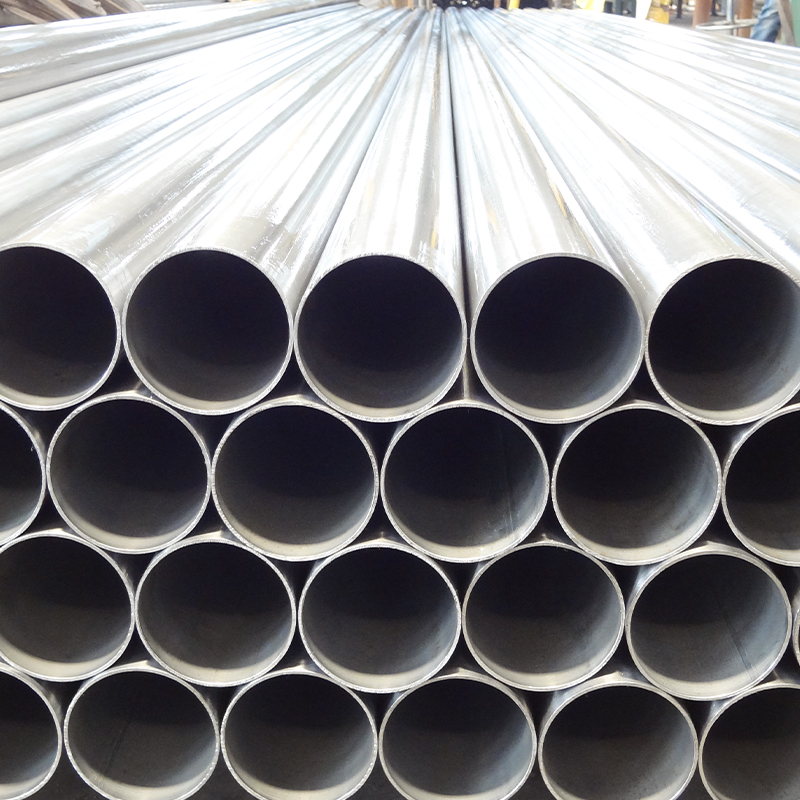
ASTM A513/A519 Precision Drive Shaft Tubing – 1026, 1020, 1015, 4130 (7 x 0.120 ...
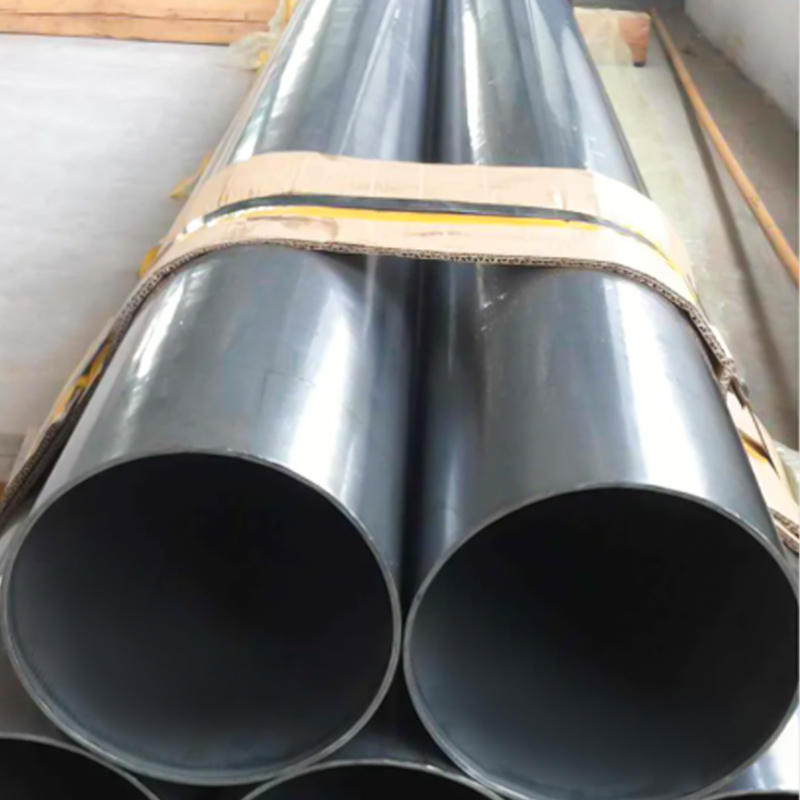
Cold-Rolled Steel Tube – ASTM A513 Type 2 Grades 1010, 1015, 1020, 1026 (1” x 0....
EN 10305-2 Precision Welded Drive Shaft Tubing – E355, E235, E420, E275 (Ø60 x 3...
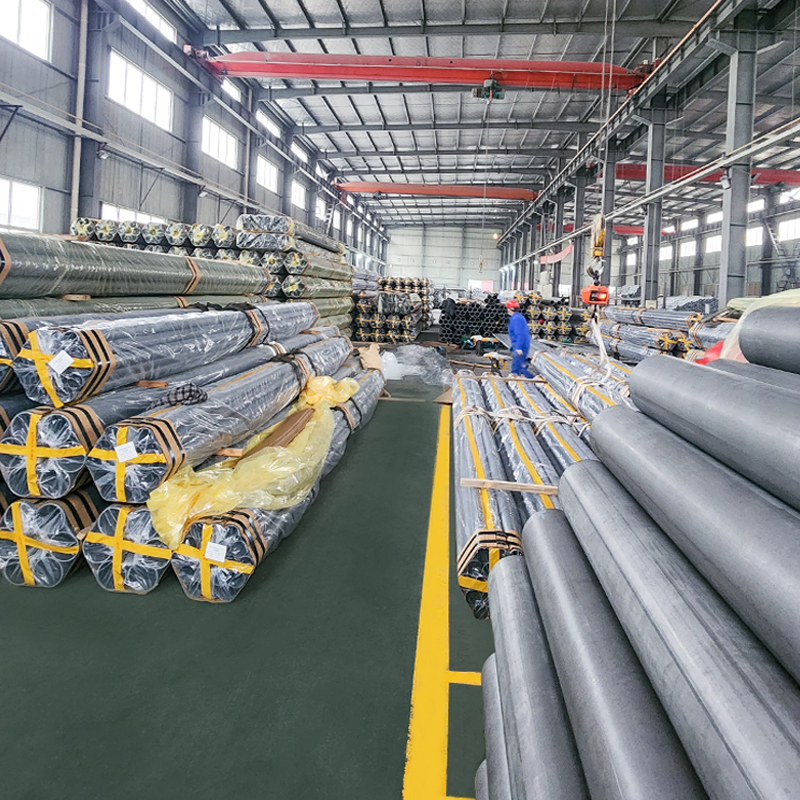
EN 10305-3 E235 Precision Conveyor Roller Tubing – Ø60.3 x 2.0 mm for Material H...
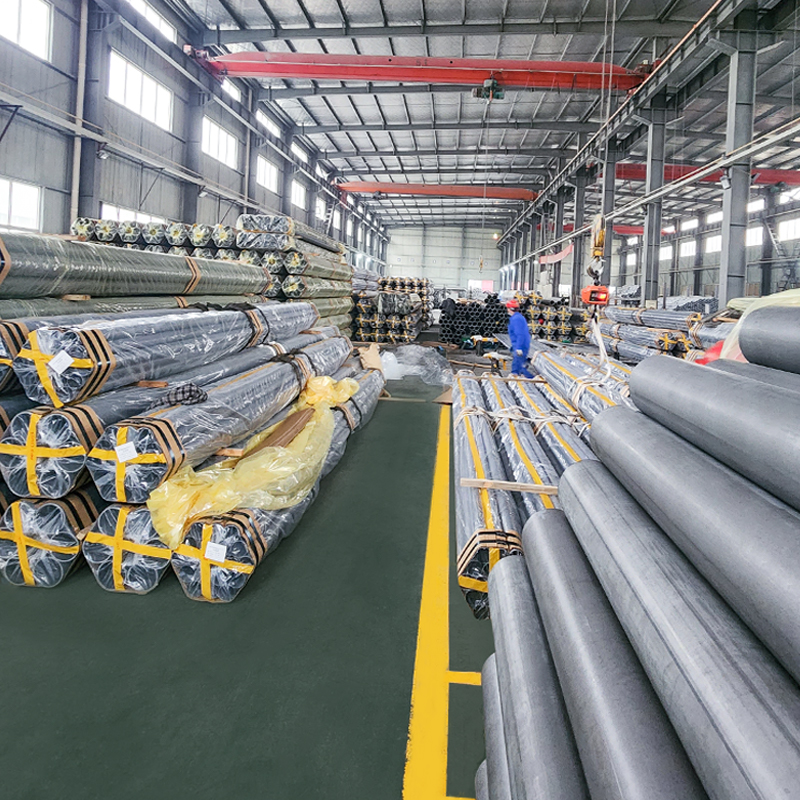
ASTM A513 Grade 1010 Precision Gravity Conveyor Roller Tubing – 2 in x 0.065 in
DIN 2394 ST37.2 Heavy-Duty Conveyor Roller Tubing – Ø89 x 3 mm for Mining & ...


