
 English
 Español
 русский
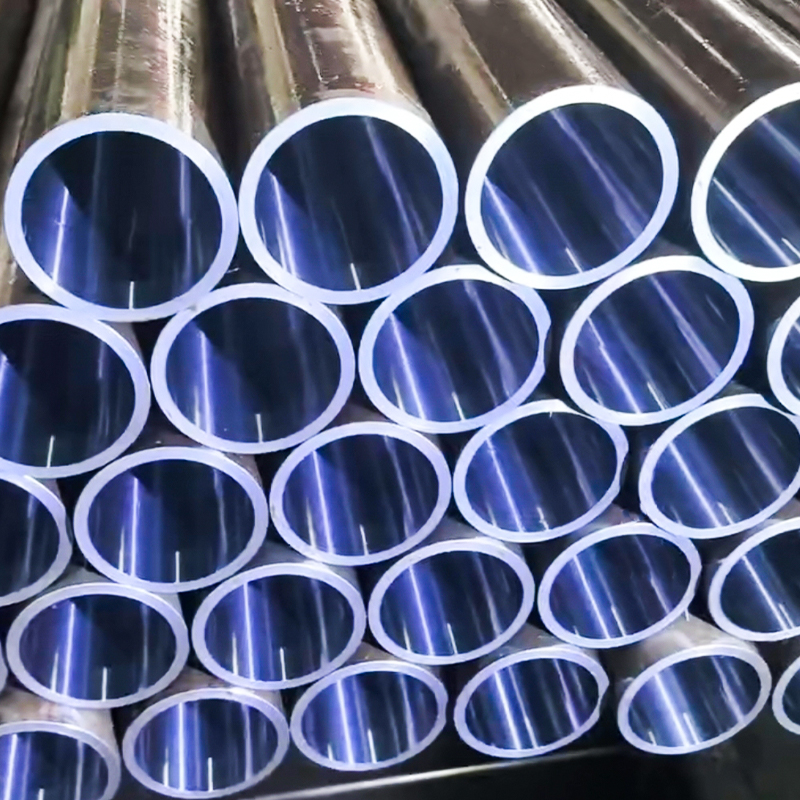
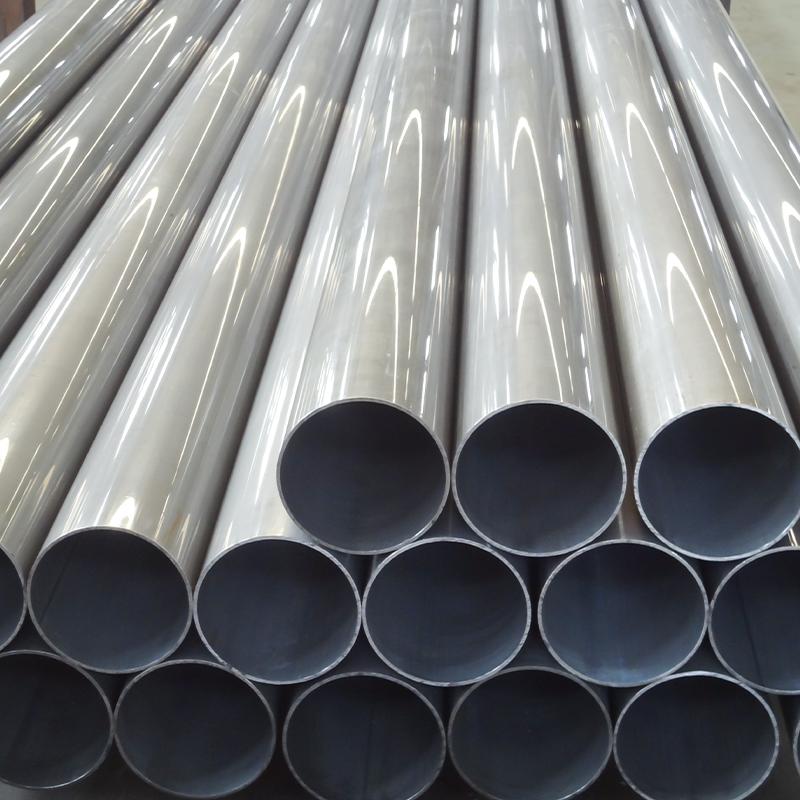
ASTM A513 Type 2 Cold-Rolled Tube – Grade 1010, 1” x 0.065” DOM Finish for Automotive Components
Cold-Rolled Steel Tube – ASTM A513 Type 2 Grades 1010, 1015, 1020, 1026 (1” x 0....

Content
ASTM A513 covers electric resistance welded carbon and alloy steel mechanical tubing. Within this specification, Type 1 and Type 5 sit at opposite ends of the manufacturing precision spectrum. Type 1 is produced by hot‑rolling strip, forming it into a tube, and welding without further cold work. Type 5 starts with the same ERW process but then undergoes cold drawing over a mandrel and a full stress‑relief anneal — the DOM (Drawn Over Mandrel) route. That extra processing changes everything from wall uniformity to machinability.
The mechanical tubing market often uses “HREW” as shorthand for Type 1 and “DOM” for Type 5. That language is pragmatic, but it oversimplifies. Type 1 starts from hot‑rolled strip, while Type 5 uses either hot‑rolled or cold‑rolled strip before drawing. The cold‑drawing step refines the grain structure, raises yield strength, and tightens dimensions. In contrast, Type 1 retains the as‑welded condition, meaning properties and tolerances are essentially those of the original strip and welding process.
ASTM A513 does not publish separate property tables for each type. Instead, it defines chemical composition ranges and leaves mechanical test requirements to be agreed between purchaser and producer. In practice, the industry has settled on well‑established typical values for common grades like 1008, 1010, and 1020 under each manufacturing route. Type 5 consistently provides higher minimum yield and tensile strengths because cold work and stress‑relief combine to increase dislocation density while relieving residual weld stresses.
| Grade | Type 1 Yield (ksi) | Type 1 Tensile (ksi) | Type 1 Elong. % (2 in) | Type 5 Yield (ksi) | Type 5 Tensile (ksi) | Type 5 Elong. % (2 in) |
|---|---|---|---|---|---|---|
| 1008 | 30 | 48 | 28 | 50 | 60 | 18 |
| 1010 | 36 | 55 | 25 | 55 | 65 | 15 |
| 1020 | 40 | 60 | 22 | 60 | 75 | 14 |
Yield strength in Type 5 typically exceeds that of Type 1 by 15–25% for the same carbon grade. The gap widens slightly in 1020 because the cold‑drawing effect is more pronounced in higher‑carbon material. Elongation drops after cold work, but the stress‑relief cycle restores enough ductility to keep the product formable. Engineers selecting a tube for a hydraulic cylinder or a drive shaft often need both higher yield and controlled elongation; Type 5 delivers that balance. Type 1 remains perfectly serviceable where loads are static and stress levels stay below 30 ksi.
If you need a tube that slides into a honed bore without post‑machining, the tolerance spread between Type 1 and Type 5 becomes the deciding factor. Type 1 OD tolerance for a 2‑inch tube often sits around ±0.010 inch; Type 5 routinely hits ±0.005 inch, and mills can hold ±0.003 inch on request. Wall thickness follows the same trend: ±10% of nominal for Type 1, ±5% (or better) for Type 5. Straightness is another differentiator. Type 1 may deviate 0.030 inch per foot, while Type 5 typically halves that.
| Characteristic | Type 1 (HREW) | Type 5 (DOM) |
|---|---|---|
| OD tolerance | ±0.010 in | ±0.005 in |
| Wall tolerance | ±10% (0.108–0.132 in) | ±5% (0.114–0.126 in) |
| Straightness | 0.030 in/ft | 0.015 in/ft |
| Surface roughness (Ra) | 80–150 µin (Type 1A mill scale); 60–90 µin (Type 1B pickled) | 32–63 µin (cold‑drawn finish) |
Surface condition matters for corrosion protection and downstream coating. Type 1A arrives with mill scale that must be removed before painting or plating. Type 1B, pickled and oiled, offers a cleaner substrate. Type 5 comes with a bright, smooth surface that requires minimal surface preparation before e‑coating or phosphating, and its lower Ra value contributes to better fatigue life in dynamic components. For example, a DOM tube intended for a hydraulic cylinder barrel can often move straight to honing without extra turning steps.
No single tube type fits every design brief. A straightforward decision matrix built around load level, precision demand, and budget guides you to the right choice. Use the table below as a starting point, then fine‑tune it with your own fatigue and corrosion requirements.
| Application Scenario | Recommended Type | Rationale |
|---|---|---|
| Low‑stress structural frames, railings, guards | Type 1A or 1B | Sufficient strength; lowest material cost; wide availability in small quantities. |
| Agricultural equipment brackets, conveyor supports | Type 1B | Clean surface without mill scale; moderate static loads do not require DOM‑grade tolerances. |
| Medium‑stress machinery parts (bushings, spacers) | Type 2 or Type 5 | Type 2 offers stress‑relieved welds; Type 5 adds dimensional control if the part must fit bearings or seals. |
| Hydraulic cylinder barrels (honed ID) | Type 5 | Near‑seamless ID surface, tight wall tolerance, and yield strength above 55 ksi. A cold‑drawn DOM shell reduces honing stock and cycle time. |
| Drive shafts, axle tubes, torsion bars | Type 5 | Fatigue‑sensitive parts benefit from the uniform grain structure and improved surface finish of drive shaft tubing produced to DOM specifications. |
| Pneumatic cylinder tubes, shock absorber housings | Type 5 | Consistent ID roundness and surface quality reduce seal wear and leakage paths. |
The list is not exhaustive. When a design calls for a mirror‑like ID after honing, the starting point is almost always a honed hydraulic cylinder tube manufactured from DOM stock. If your project involves a shaft that sees repeated reversing torque, the jump from Type 1 to Type 5 often eliminates post‑weld straightening and machining passes, making the entire manufacturing sequence shorter.
DOM tubing demands a premium. On a per‑pound basis, Type 5 costs 20–40% more than Type 1 from the same mill. That number narrows when you account for scrap reduction and eliminated operations. A Type 1 part might need an extra turning pass to correct OD ovality, while a DOM part goes directly into a laser cutting or machining center.
Supply chain resilience also favors Type 5 for critical applications. A single DOM shell can replace a multi‑step fabrication that previously required a cold‑drawn seamless tube and a weldment. Stocking fewer SKUs simplifies inventory, and the consistent properties reduce the risk of production stoppages due to material variation. For buyers sourcing cold drawn welded steel tube under ASTM A513, verifying that the mill can supply the required test reports and dimensional certification avoids downstream quality issues.
Welding, bending, and machining each interact differently with the two tube types. The as‑welded condition of Type 1 generally accepts standard ERW‑to‑ERW joining without special preheat, provided chemistry is low‑carbon. Type 5, though also weldable, may require a slight preheat when wall thickness exceeds 0.250 inch to avoid hydrogen cracking near the heat‑affected zone. The DOM process does not introduce alloys that hurt weldability; it simply refines the grain, and the residual stress is lower than in as‑welded Type 1.
For fabrication shops running hundreds of identical parts, the difference in scrap rate and cycle time often justifies the switch to DOM stock. A part that must be bored, turned, and grooved will almost always benefit from the dimensional uniformity of Type 5, while a simple welded bracket may never recoup the material premium.
Several myths persist in procurement and design departments. Clarifying them prevents costly over‑specification or, worse, under‑specification that leads to field failures.
Misconception 1: Type 5 is seamless. DOM begins as an ERW tube. The cold drawing over a mandrel displaces the weld zone, and subsequent stress‑relief recrystallizes the area, making the weld invisible even under a microscope. Destructive testing reveals the original seam, but for fluid‑power and structural applications, it performs equivalently to a true seamless tube. When genuine seamless is required, specifications like ASTM A519 should be invoked.
Misconception 2: Type 1 cannot be used for any machine component. Type 1 works well in low‑cycle, static, or lightly loaded assemblies. Wheel spacers, spacer tubes, and guard rails regularly use Type 1. The limitation is not fitness‑for‑purpose but tolerance and fatigue life. Designers should evaluate the actual stress state rather than default to DOM.
Misconception 3: DOM always costs more on a project basis. While the price per foot is higher, the reduction in machining steps, straightening operations, and scrap often yields a lower total cost. This is why many volume‑driven manufacturers have standardized on DOM for high‑value rotating parts.
Misconception 4: Surface finish is just cosmetic. In hydraulic cylinders, the ID surface influences seal wear and breakout force. Type 1B’s pickled finish is a big step up from Type 1A, but it still lacks the fine Ra of DOM. For dynamic sealing surfaces, those extra microns of roughness translate directly to maintenance intervals and leakage risk.
A complete purchase specification eliminates back‑and‑forth and ensures the mill or service center delivers exactly what the print demands. Every RFQ should include the following details:
When the application demands the repeatability of cold‑drawn dimensions and mechanical properties, referring to the capabilities outlined in our precision cold‑drawn steel tube inventory will align expectations. Provide as much detail as possible on the intended machining or welding sequence; a good supplier can often propose an alternate wall thickness or a small chemistry adjustment that reduces lead time without sacrificing performance.
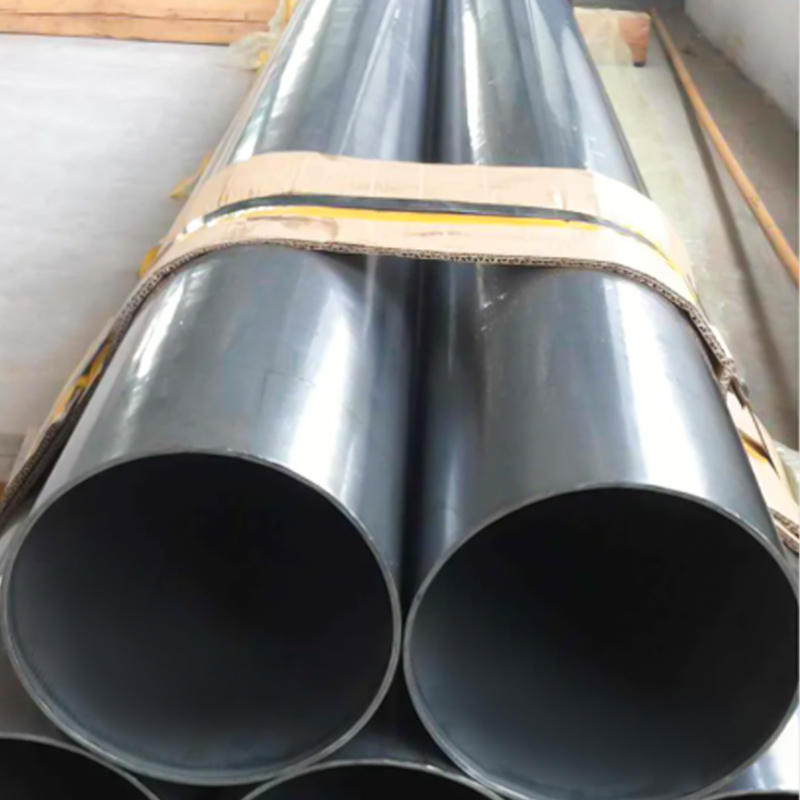
Cold-Rolled Steel Tube – ASTM A513 Type 2 Grades 1010, 1015, 1020, 1026 (1” x 0....
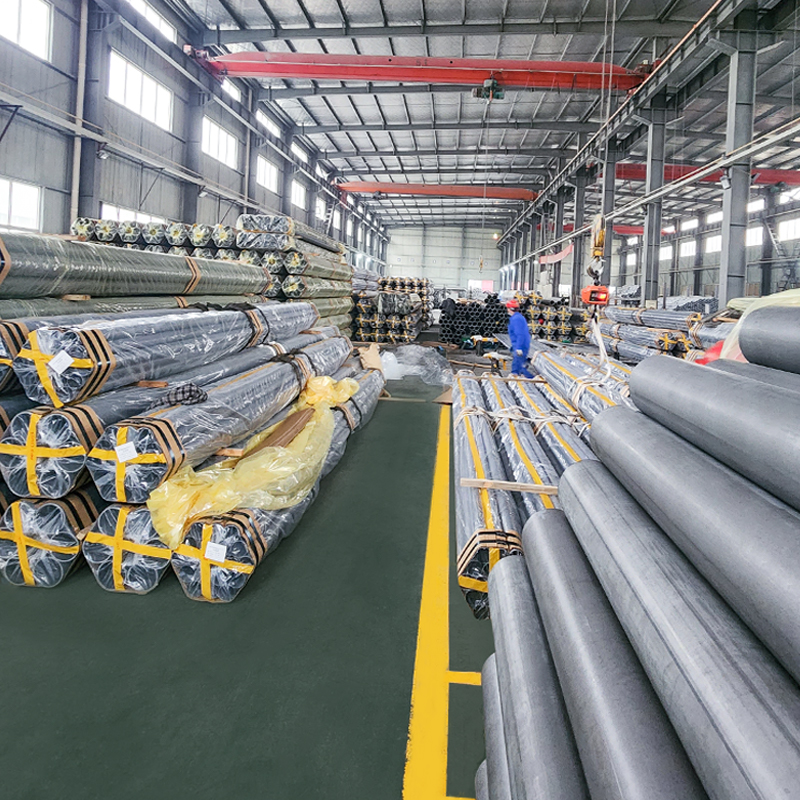
ASTM A513 Grade 1010 Precision Gravity Conveyor Roller Tubing – 2 in x 0.065 in
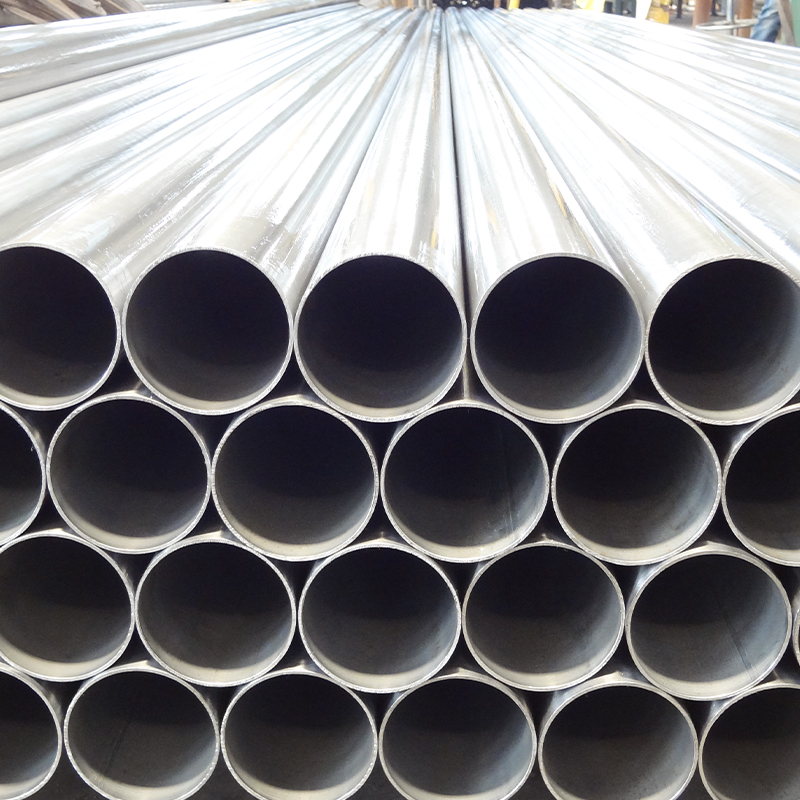
ASTM A513/A519 Precision Drive Shaft Tubing – 1026, 1020, 1015, 4130 (7 x 0.120 ...
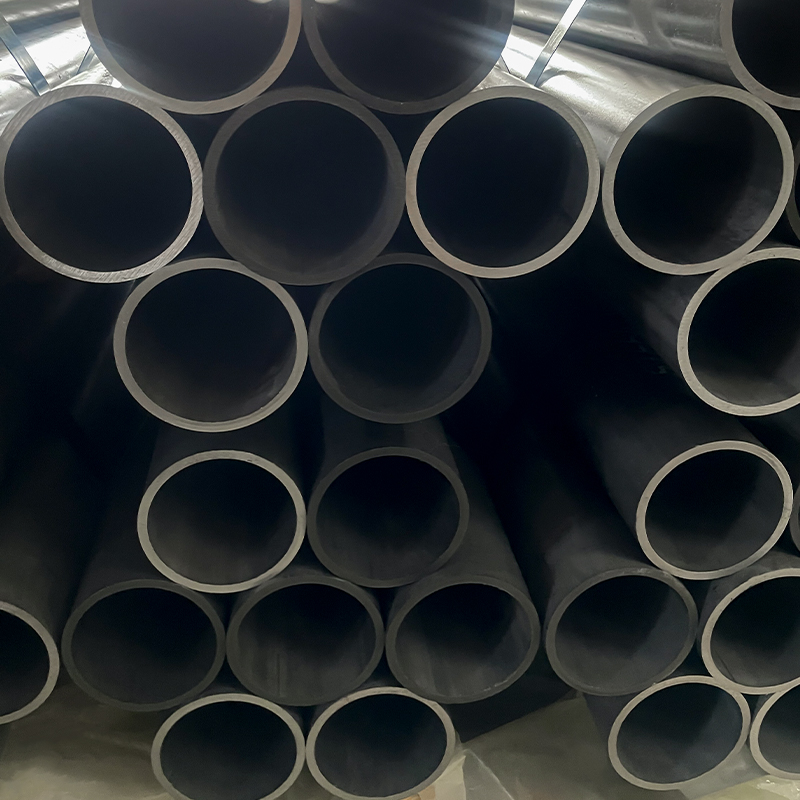
ASTM A519 Grade 4130 Geotechnical Drill Pipe – Ø89 mm x 6 mm for Soil Sampling
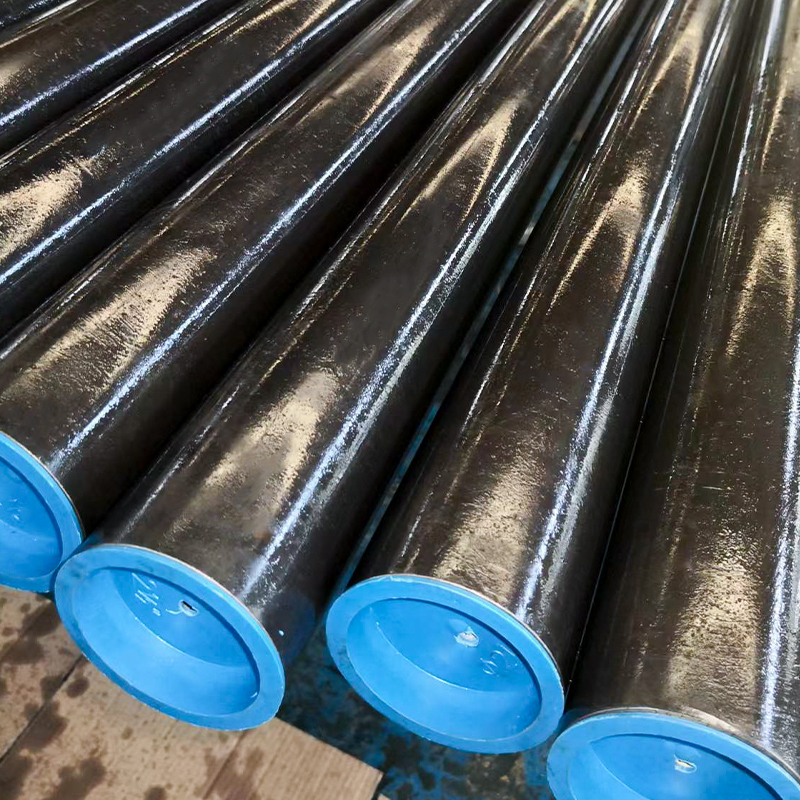
Our Hydraulic Cylinder Tubes – ASTM A513 ST52 Cold Drawn Welded (CDW) are engine...
Our ASTM A513 Cold Drawn Welded (CDW) Honed & SRB Tubes are precision-


