
 English
 Español
 русский
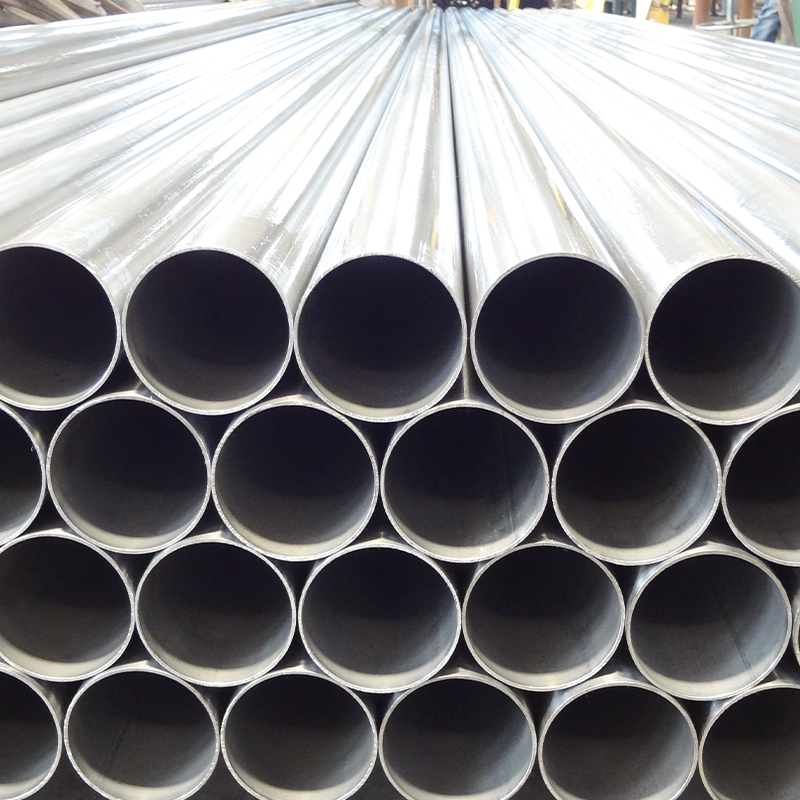
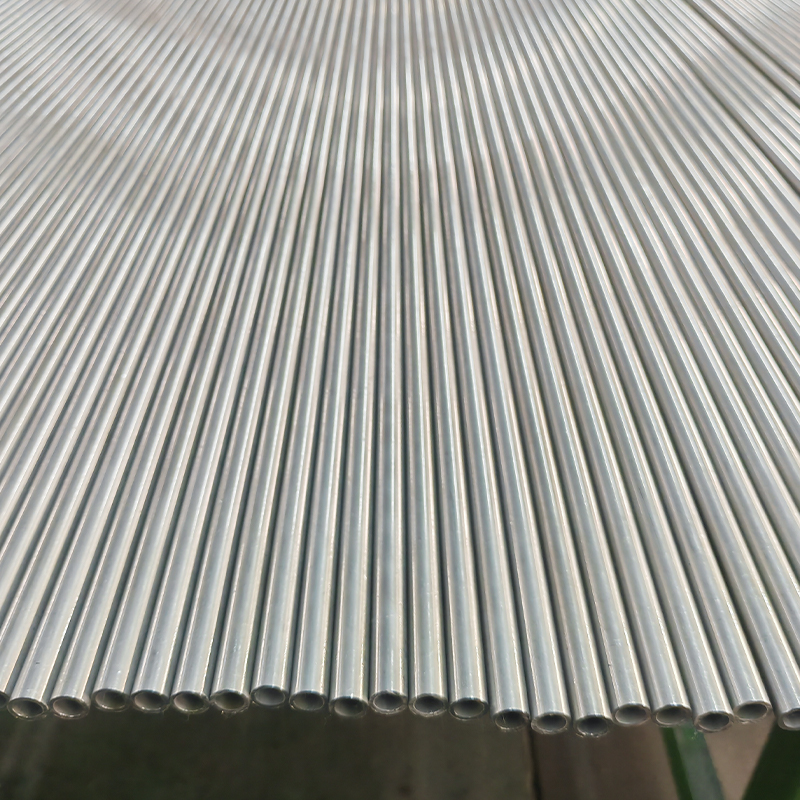
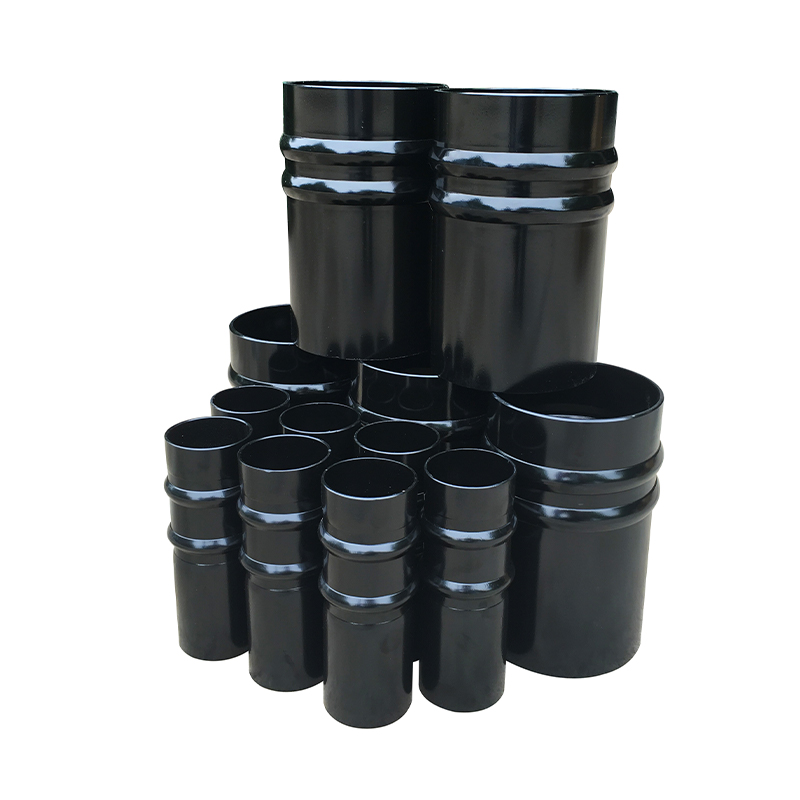
ASTM A513 Type 2 Cold-Rolled Tube – Grade 1010, 1” x 0.065” DOM Finish for Automotive Components
Cold-Rolled Steel Tube – ASTM A513 Type 2 Grades 1010, 1015, 1020, 1026 (1” x 0....

Content
DOM does not describe a steel grade. It stands for Drawn Over Mandrel, a secondary cold-finishing process that transforms electric resistance welded (ERW) tube into a product with tighter tolerances, higher strength, and a smoother surface. The base material is typically 1020 or 1026 carbon steel, but the additional drawing steps make the difference between a commodity welded tube and a precision mechanical product.
The process starts with slit steel coil that is cold-formed into a round shape and welded using high-frequency ERW. Immediately after welding, the external flash is removed. The tube then goes through annealing to soften the structure, followed by pickling to clean the surface. Next, one end is pointed so it can be gripped, and the tube is pulled through a die while a fixed mandrel controls the internal diameter. This single act of drawing reduces diameter, thins the wall, improves concentricity, and refines surface finish to levels unattainable by welding alone. Multiple draw passes can be used for tighter specs. Final stages include straightening, cutting, and non-destructive testing—often eddy current or ultrasonic—to verify weld integrity and dimensional accuracy.
The result is a tube with dimensional precision of ±0.005 in on OD and wall uniformity within ±5%. That repeatability is why suspension engineers, chassis builders, and hydraulic cylinder manufacturers consistently choose DOM over standard ERW. Unlike seamless tube, DOM starts with a welded strip, but the drawing process effectively homogenizes the weld zone, producing mechanical properties nearly indistinguishable from seamless in many applications—while keeping cost competitive.
Automotive applications demand predictable strength, elongation, and toughness. DOM tubing delivers on all three, with typical tensile strength between 440 MPa and 520 MPa and yield strength around 370–450 MPa depending on the grade and heat treatment. The longitudinal elongation commonly falls between 15% and 25%, critical for energy-absorbing structures like roll cages and intrusion beams.
Comparing DOM to standard ERW reveals a meaningful performance gap. The cold-drawing process increases yield strength by 15–25% over as-welded tube and improves surface hardness while maintaining good machinability. The table below quantifies these differences against other tubing types frequently considered in automotive design.
| Property | DOM 1020/1026 | Standard ERW | 4130 Chromoly | CDS 1020 |
|---|---|---|---|---|
| Yield strength (MPa) | 370–450 | 240–300 | 460–520 | 250–350 |
| Tensile strength (MPa) | 440–520 | 330–400 | 560–670 | 380–460 |
| Elongation (%) | 15–25 | 20–30 | 12–18 | 20–28 |
| OD tolerance (in) | ±0.005 | ±0.010 | ±0.005 | ±0.010 |
| Wall uniformity | ±5% | ±10% | ±5% | ±8% |
| Weld zone integrity | Homogenized | As-welded | No weld seam | Seamless |
The numbers illustrate why sanctioning bodies for race series almost universally reject standard ERW for primary structure. At the same time, DOM provides a cost-effective middle ground between basic welded tube and the expense of 4130 chromoly. For many suspension links and chassis subframes, 1026 DOM hits the sweet spot: strong enough to resist fatigue, formable enough to allow bending without cracking, and readily weldable with both TIG and MIG processes.
DOM tubing appears across the vehicle from roof down to dampers. Each application exploits a specific combination of strength, dimensional accuracy, and surface quality.
Notably, these applications share a common demand: repeatability. A chassis jig expects the same tube dimensions every time, just as a hydraulic cylinder expects a consistent bore. DOM delivers that lot-to-lot consistency, which is why volume automotive programs and low-volume race shops both rely on it.
Beyond structural frames, DOM tubing plays a silent but essential role in automotive hydraulic systems—shock absorbers, steering racks, and lift cylinders for trucks and trailers. In these components, the inside diameter becomes the working bore. Any roughness accelerates seal wear and causes fluid leakage. The cold-drawing process inherent to DOM production generates a surface roughness of Ra 0.4–0.8 μm without additional honing, thanks to the burnishing action of the mandrel.
For shock absorber inner tubes, an Ra value below 0.4 μm is often specified to maximize seal life and reduce stiction. While deep-hole honing can achieve this on standard ERW, the process adds time and cost. DOM provides a more direct path: the as-drawn surface is already close to the target, so a single finish-honing pass or even roller burnishing can bring it within spec. Our cold-drawn seamless hydraulic tubing offerings meet H9 bore tolerance and Ra ≤ 0.4 μm, directly addressing these requirements.
The key design consideration is wall thickness uniformity. Hydraulic pressure ratings depend on the minimum wall, not the average. DOM’s ±5% wall tolerance translates directly into safer pressure margins compared to ±10% variation in standard ERW. For a 2.0 in bore cylinder with nominal 0.125 in wall, that tolerance difference could shift the burst pressure by hundreds of PSI. Little wonder that hydraulic cylinder manufacturers treat DOM as a baseline material rather than an upgrade.
The choice between DOM, 4130 chromoly, and advanced high-strength steels like Docol R8 comes down to four factors: required strength, weldability, budget, and post-weld heat treatment. All three materials weigh virtually the same for a given OD and wall, so weight savings appear only when you can down-gauge a stronger material.
DOM (1020/1026) offers the most forgiving weldability. TIG or MIG without preheat works for wall thicknesses up to about 0.120 in, and post-weld stress relieving is recommended but not always mandated. 4130 chromoly demands more discipline: preheat, careful interpass temperature control, and post-weld normalizing or stress relief to avoid brittle martensite formation in the heat-affected zone. Docol R8, an advanced high-strength steel with yield strength around 700 MPa, achieves its properties through a precisely controlled mill process; overheating during welding can degrade its strength, so short heat input and low interpass temperatures are critical.
| Application | Best Material | Why |
|---|---|---|
| Roll cage (entry-level racing) | 1026 DOM | Meets sanctioning body specs, cost-effective, easy to weld with MIG. |
| Roll cage (pro-level, weight-sensitive) | 4130 chromoly | Thinner wall possible, 15–20% weight reduction over same-size DOM. |
| Suspension control arms | 1026 DOM | Good fatigue life, no mandatory post-weld heat treat for typical walls. |
| Chassis space frame (Formula SAE) | Docol R8 | Ultra-high strength allows down-gauging; requires specialized welding procedure. |
| Hydraulic cylinder barrel | DOM / honed DOM | Surface finish and wall uniformity are paramount; chromoly offers no advantage. |
| Steering column | 1020 DOM | High straightness, moderate strength, easily machined. |
A common mistake is over-specifying 4130 for applications where DOM’s mechanical properties already exceed the design load. The cost difference—often 40–60% more for 4130—gets multiplied by the more complex fabrication process. For 80% of automotive structures below the highest echelons of professional motorsport, 1026 DOM represents the rational choice: strong, dimensionally stable, and accessible. If you need custom lengths or bent sections, working with a shop experienced in custom-fabricated tubing solutions can further streamline the build.
Raw DOM tube will eventually rust if left unprotected, especially in underbody or exterior applications. The right surface treatment extends service life and can even improve assembly characteristics.
Phosphating provides a crystalline conversion coating that offers moderate corrosion resistance (24–72 hours neutral salt spray) and is an excellent base for paint or powder coat. Electrophoretic coating (e-coat) delivers 500–1000 hours of salt spray resistance with uniform coverage inside tubes, making it a staple for OEM chassis components. Zinc plating (clear or yellow) gives 72–200 hours of protection and also reduces galling during press-fit assembly. For visible components like roll cages, powder coating over a phosphate base remains the most durable aesthetic option.
The choice often depends on the vehicle’s operating environment. A dry-climate track car might get away with lightly oiled DOM; a daily-driven truck with a DOM subframe needs full e-coat or hot-dip galvanizing. Because DOM’s smooth surface reduces the tendency of coatings to bridge over surface roughness, pretreatment adhesion is typically superior to that on standard ERW or hot-rolled tube.
Procurement strategy shifts sharply between high-volume OEM programs and one-off race car builds. OEM buyers prioritize consistency, certification, and just-in-time delivery, while aftermarket builders need flexibility, small minimum order quantities, and technical support.
For OEM programs, a supplier should provide full material certifications to ASTM A513 Type 5, with lot traceability back to the mill heat number. ISO 9001 or IATF 16949 certification signals a quality system capable of zero-defect delivery. Order volumes typically run into the tens of thousands of feet, and value-added services like precision cutting, chamfering, and e-coating are often integrated into the supply contract. For motorsport and aftermarket, the conversation starts with availability of common sizes (1.00 in to 2.00 in OD in a range of wall thicknesses) and the ability to supply small quantities—sometimes a single length for a custom cage. CAD-friendly documentation of tolerances and a willingness to discuss alternative materials like 4130 or thin-wall DOM for weight-critical components become critical decision factors.
In either case, verify that the supplier’s testing regime includes eddy current inspection of the weld seam and that dimensional reports accompany each shipment. A straightforward purchasing checklist—target OD and ID tolerance class, wall thickness range, material grade, surface treatment specification, and required certifications—will save time and prevent costly fabrication surprises.
DOM tubing earns its place in automotive engineering by closing the gap between raw ERW and seamless chromoly. It provides the strength, dimensional accuracy, and surface quality that chassis, suspension, and hydraulic systems demand—without the cost or welding complexity of alloy steels. Unless your design requires the highest possible yield strength or you are chasing weight savings through down-gauging, DOM will meet the brief and simplify the build. Start with your load case, define your tolerances, and chances are the right DOM tube already exists.
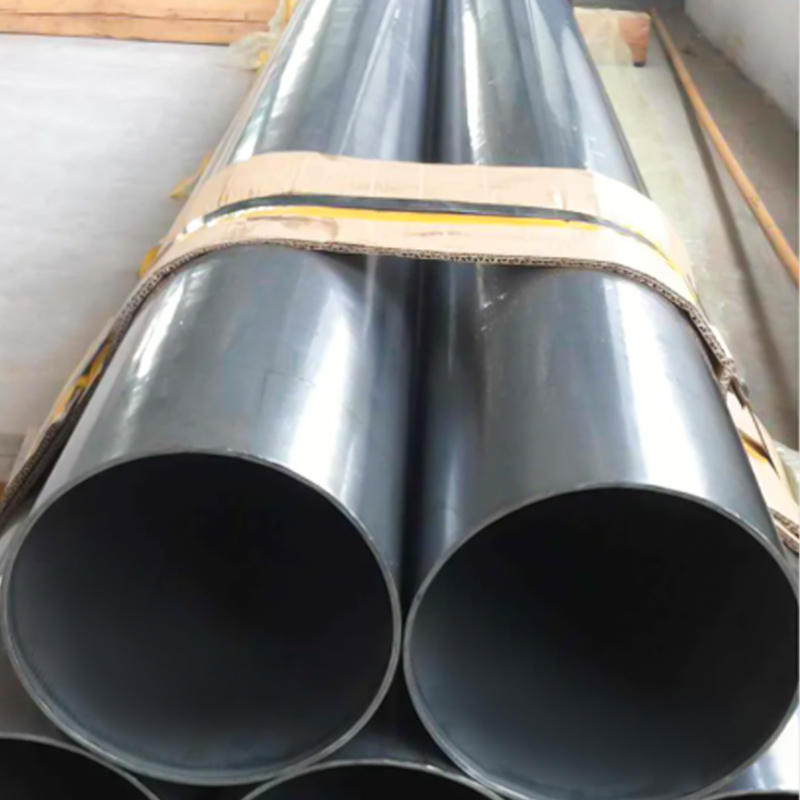
Cold-Rolled Steel Tube – ASTM A513 Type 2 Grades 1010, 1015, 1020, 1026 (1” x 0....
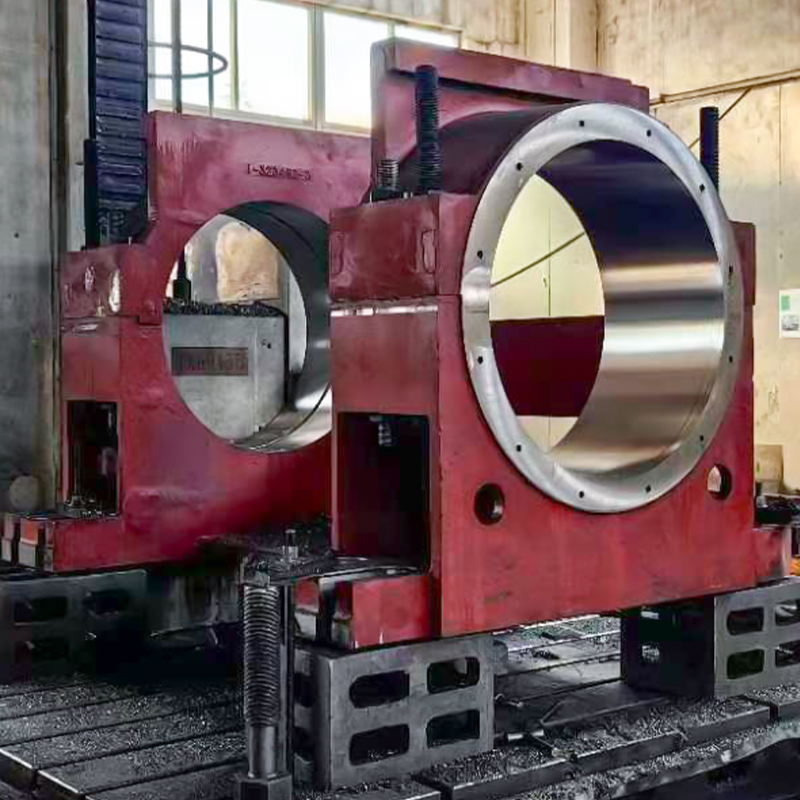
Our high-quality cast steel bearing housings are designed for extreme loads and ...
ASTM A513/A519 Precision Drive Shaft Tubing – 1026, 1020, 1015, 4130 (7 x 0.120 ...
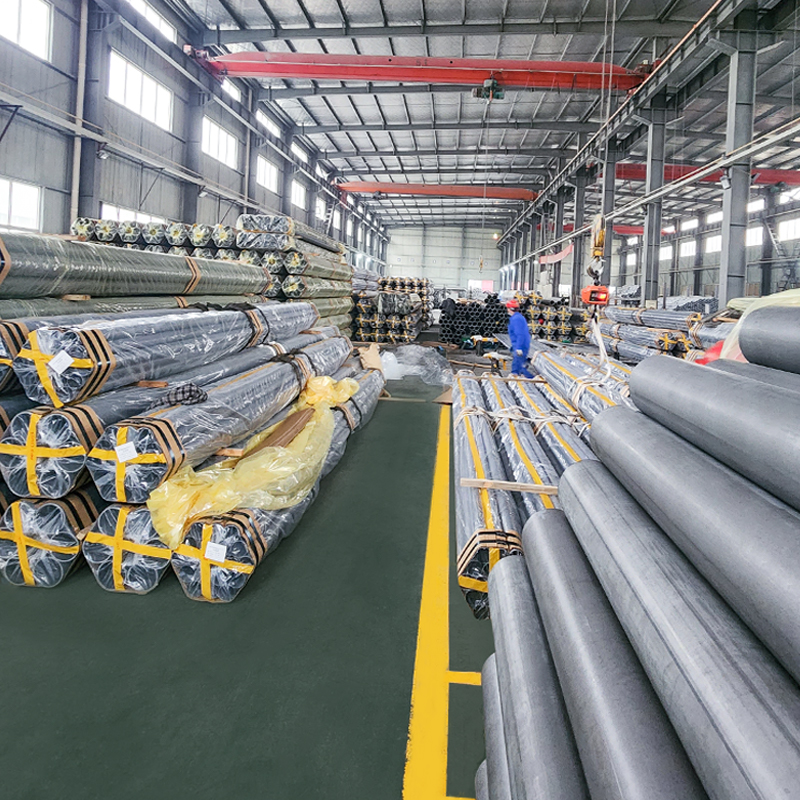
ASTM A513 Grade 1010 Precision Gravity Conveyor Roller Tubing – 2 in x 0.065 in

Our Stainless Steel Pneumatic Cylinder Tubes are precision-manufactured from 304...
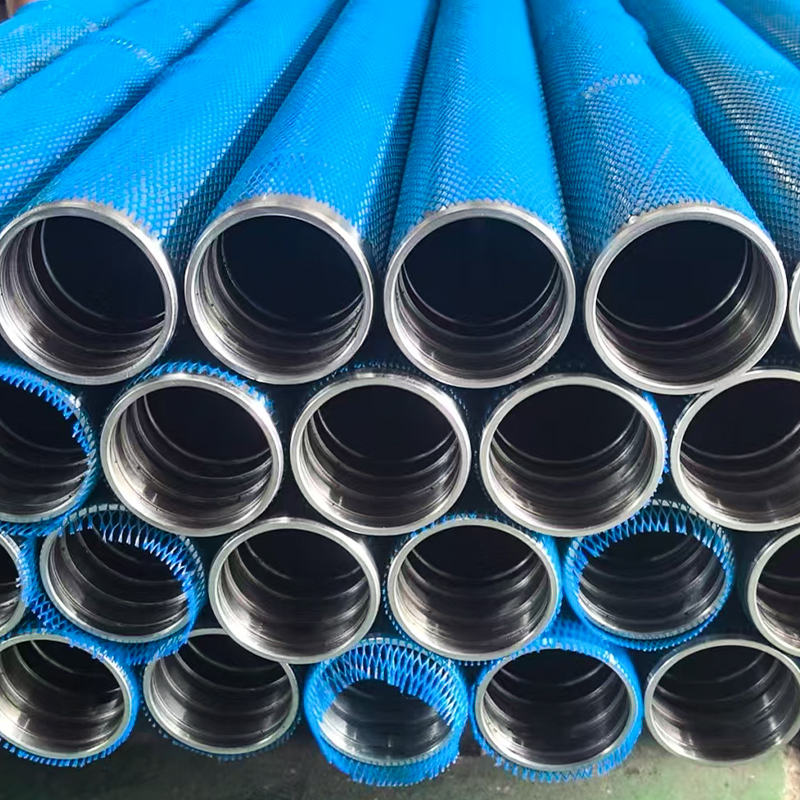
Our Alloy Steel Piston Rods are manufactured from high-strength 20MnV6 or 27SiMn...


