
 English
 Español
 русский
Hydraulic Cylinder Tube – Cold Drawn Seamless Steel EN 10305-1, E355, For Honing & SRB
Our Hydraulic Cylinder Tubes are made from cold drawn seamless steel according t...

Content
Few steel grades appear on hydraulic cylinder drawings as often as E355. In cylinder shops the callout is almost a reflex: tube to EN 10305-1, grade E355, honed ID. That short line carries a great deal of information about strength, weldability, surface finish, and how a finished barrel will behave after thousands of pressure cycles.
We cold draw, heat treat, and hone E355 tube every working day, and the questions customers ask about it are remarkably consistent. Here is what we have learned on the production floor about specifying E355 material hydraulic cylinder tube correctly the first time.
In the European system, "E" means the steel is intended for engineering purposes, and the number 355 is the minimum yield strength in megapascals. An E355 tube is therefore guaranteed to reach at least 355 MPa of yield — roughly 51,500 psi — with a tensile range of about 490 to 630 MPa and a minimum elongation of around 22 percent. That combination of strength and ductility is exactly what a pressure-containing barrel needs.
Two standards govern the grade in tube form: EN 10305-1 for cold-drawn seamless precision tube and EN 10305-2 for cold-drawn welded precision tube. Both use the same grade family and the same mechanical targets, so an E355 callout is never complete until the manufacturing route is stated as well.
Chemically, E355 is a plain carbon-manganese steel, not an alloy steel. Typical limits are 0.22 percent maximum carbon, 0.55 percent maximum silicon, 1.60 percent maximum manganese, and 0.025 percent maximum each for phosphorus and sulfur. That lean chemistry keeps the material affordable and highly weldable, while cold drawing, annealing, and stress relieving do the real work of building strength and dimensional accuracy.
The most frequent question we hear is whether a barrel should be made from seamless or welded E355 tube. Both routes are legitimate, and both run through the same cold-drawing equipment.
Seamless E355 tube begins as a pierced billet and carries no weld seam. It is the default for high-pressure, heavy-wall cylinders, for telescopic stages, and for any application where through-wall homogeneity and pressure integrity are non-negotiable. Wall thicknesses are generous, and ultrasonic testing gives a clean, traceable result.
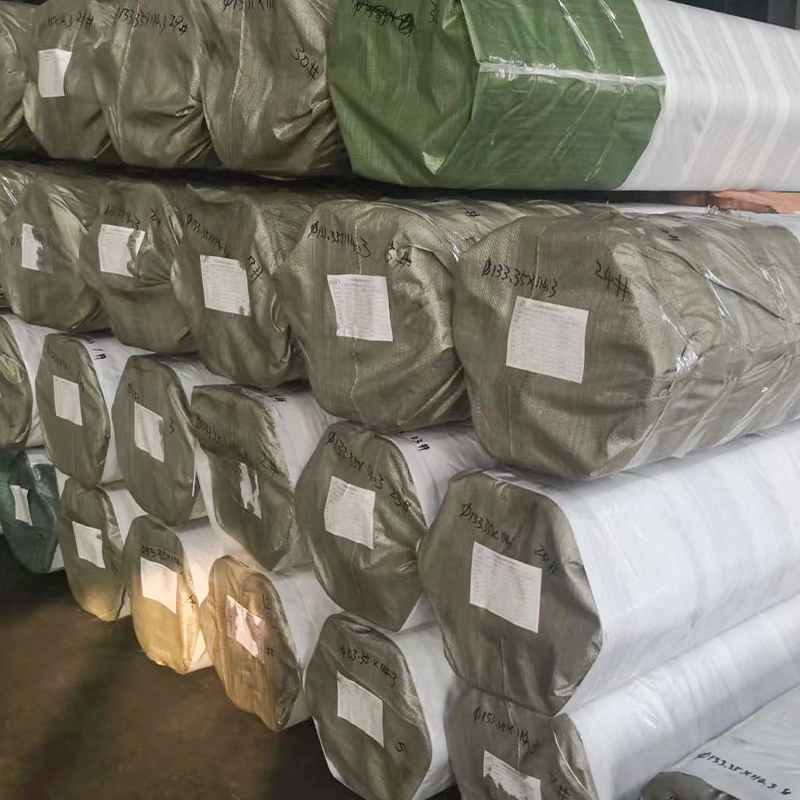 Hydraulic Cylinder Tube – Cold Drawn Seamless Steel EN 10305-1, E355, For Honing & SRBOur Hydraulic Cylinder Tubes are made from cold drawn seamless steel according to EN 10305-1 E355. Designed for precision honing or SRB (Superfinishing) processes, the...View Product →
Welded E355 tube to EN 10305-2 starts life as ERW or DOM tubing and is then cold drawn over a mandrel to refine the weld zone and tighten dimensions. For thin walls, long lengths, and cost-sensitive volume programs, it is usually the more economical answer, and in a honed and stress-relieved condition it performs reliably in medium-pressure cylinders.
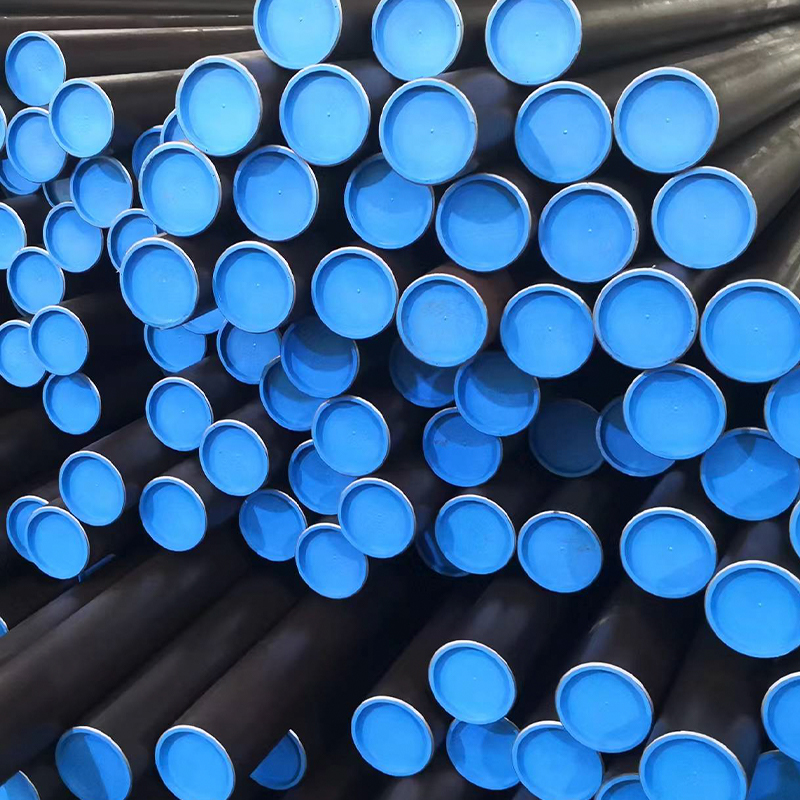 Hydraulic Cylinder Tube – Cold Drawn Welded Steel EN 10305-2, E355, For Honing & SRBOur Hydraulic Cylinder Tubes (CDW) are produced according to EN 10305-2 E355, using high-quality welded steel pipes that are further cold drawn to improve accuracy, su...View Product →
E355 is not the strongest grade available, and that is precisely why it is so widely used. It occupies a practical middle ground that few other materials match.
A cylinder tube only becomes a barrel once the inner diameter is finished, and this is where E355 earns its reputation. After cold drawing we hone or roller-burnish the bore to reach H8 tolerance with a roughness of Ra 0.4 micrometers, and for demanding applications we push further to a mirror-grade inner diameter.
That finish is not cosmetic. The sealing system rides directly on the bore, so surface texture governs friction, leakage, and seal life. Inconsistent cross-hatch angles or residual drawing marks become the root cause of premature seal failure, which is a problem we have written about in detail in our note on why hydraulic cylinder seals keep failing and how bore finish drives it.
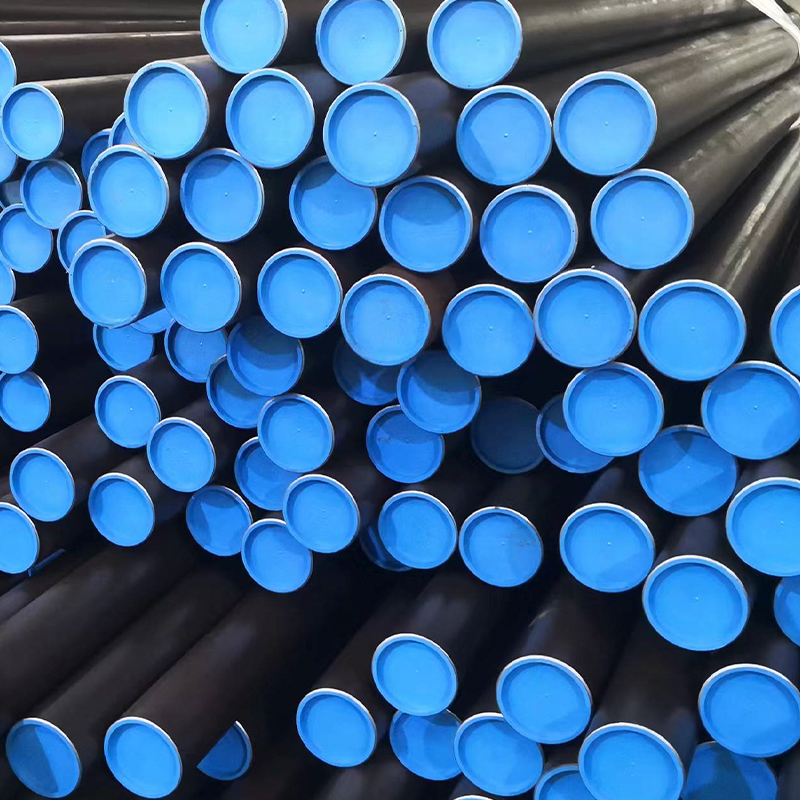 Honed & SRB Tube – EN 10305-1 E355 H8 Ra0.4, Mirror ID Finish for Hydraulic Cylinder BarreOur Honed and Skived Roller Burnished (SRB) Tubes are manufactured from EN 10305-1 E355 cold drawn seamless steel tubes and precision processed to achieve exceptional ...View Product →
Matching the barrel is the rod side of the assembly, where surface hardness and corrosion resistance take over from bore finish. We keep both sides of the cylinder in one supply chain, so a paired barrel and piston rod for hydraulic and pneumatic cylinders arrive with compatible tolerances and finishes.
Choosing a grade is usually a trade-off between pressure rating, weight, weldability, and cost. The table below summarizes how E355 sits against the materials we are asked about most often.
| Grade | Standard | Min Yield (MPa) | Tensile (MPa) | Typical Cylinder Role |
|---|---|---|---|---|
| E235 | EN 10305-1 / -2 | 235 | 360–520 | Low-pressure and pneumatic cylinders, formable parts |
| E355 | EN 10305-1 / -2 | 355 | 490–630 | General hydraulic barrels, honed tube, welded and seamless |
| St52.3 | DIN 2391 family | 355 | 490–630 | Legacy callout, effectively the same strength class as E355 |
| 20MnV6 | Mill specification | about 500 | 600–750 | Demanding barrels and chrome-plated rod stock |
| 27SiMn | GB standard | about 835 | about 980 | Mining and very high-pressure cylinders where weight matters |
If your cylinder operates below roughly 350 bar and weight is not critical, E355 will almost always be the most economical sound choice. Step up to a micro-alloyed or silicon-manganese grade only when pressure, weight, or wall thickness genuinely demands it.
Complete specifications save weeks of back-and-forth. When you send an enquiry, include the following:
They are close cousins. St52.3 from the older DIN 2391 family and E355 from EN 10305 sit in the same strength class, with very similar yield and tensile targets. For new drawings we recommend the EN designation, since it is the one most current specifications and certificates reference.
Yes. Its low carbon and moderate manganese content make it one of the more weldable cylinder grades. For welded-and-drawn tube the weld seam is produced and refined before cold drawing, which is why EN 10305-2 material behaves so predictably after honing.
Only where the bore acts as a sealing surface. Tubes used for structural members, sleeves, or machining stock can be supplied as drawn or normalized, and honing can be added later once final dimensions are fixed.
E355 has stayed at the center of hydraulic cylinder design for decades because it does the job without asking for special treatment. It welds, machines, hones, and holds pressure, and it is available in the sizes cylinder builders actually use.
If you are working through a new barrel design or replacing a grade that has become hard to source, send us your drawing or your size list. We produce E355 cold-drawn seamless and welded tube, honed and SRB barrels down to mirror-grade inner diameters, and finished, ready-to-assemble cylinder barrels for both prototype and production quantities.
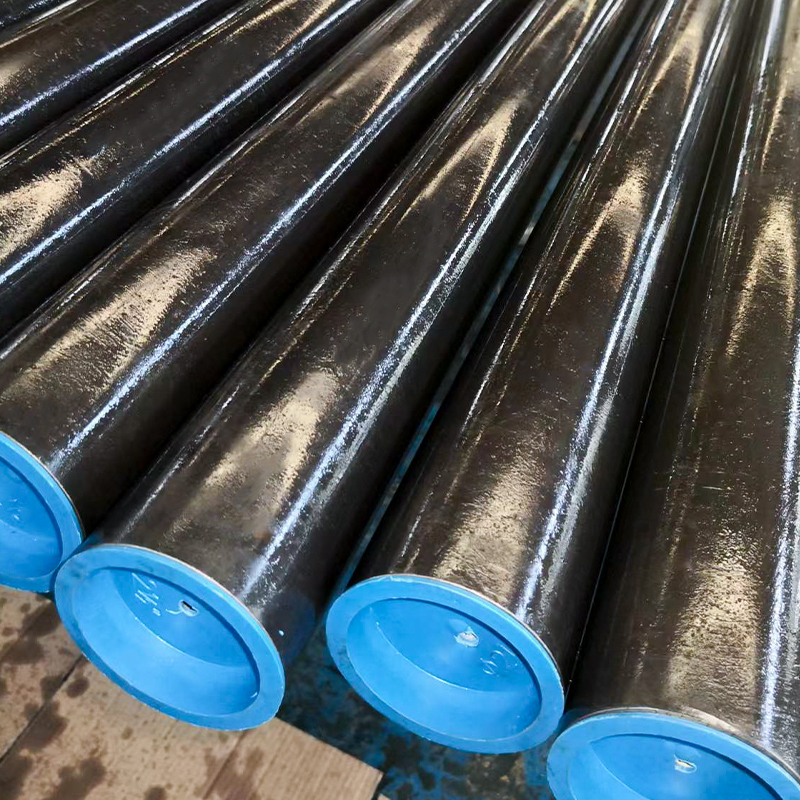
Our Hydraulic Cylinder Tubes are made from cold drawn seamless steel according t...

Our Hydraulic Cylinder Tubes (CDW) are produced according to EN 10305-2 E355, us...
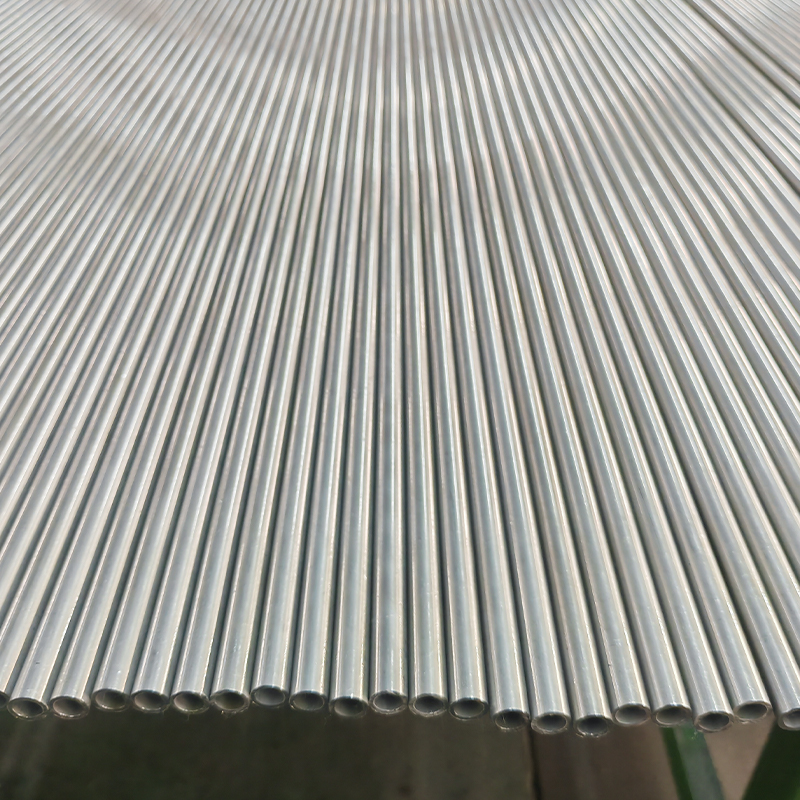
Our Hydraulic Tubes are manufactured from cold-drawn seamless steel (CDS) in com...
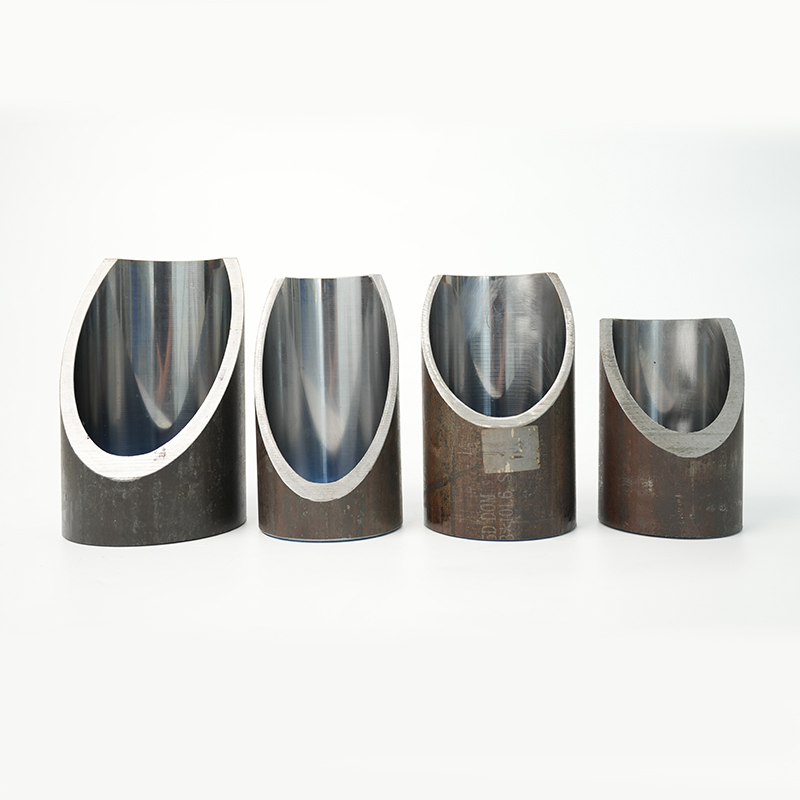
Our EN 10305-2 Cold Drawn Welded (CDW) Honed & SRB Tubes are precision-proce...
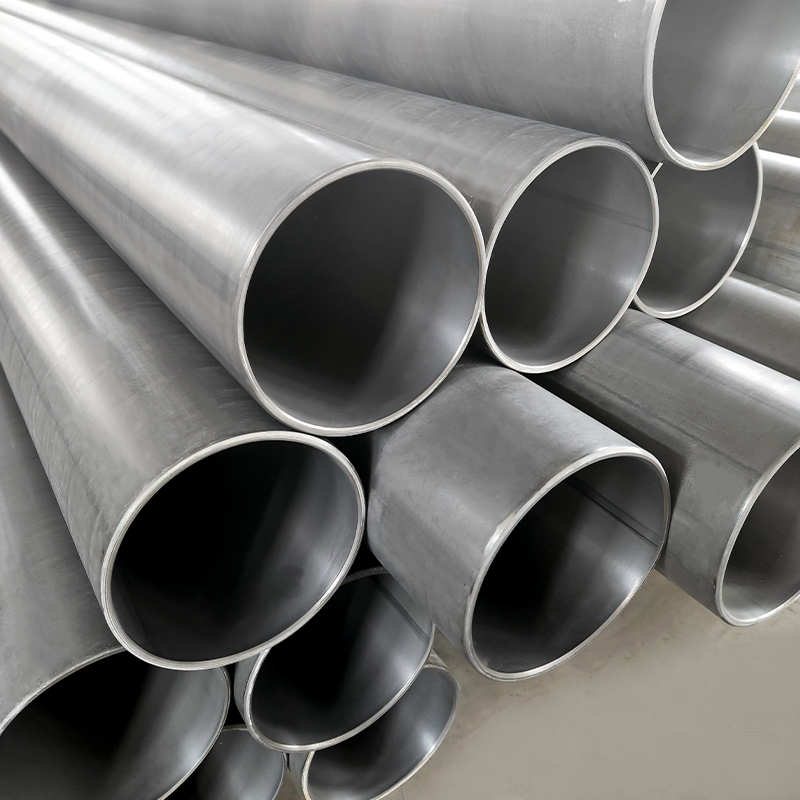
Our Hydraulic Shock Absorber Tubes are manufactured using the Cold Drawn Welded ...
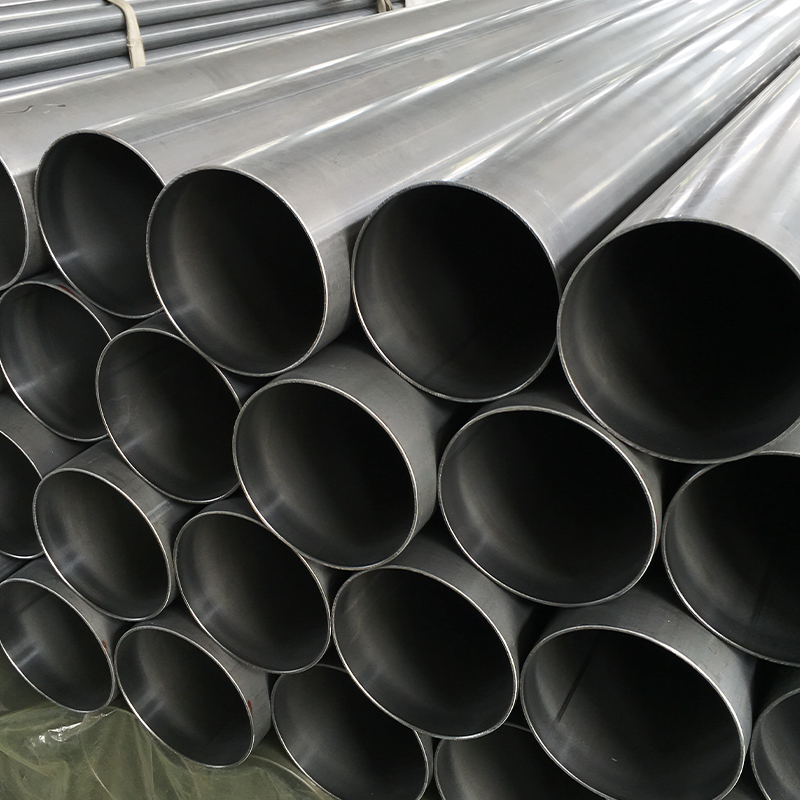
Our Seamless Shock Absorber Tubes are manufactured to EN 10305-1 using high-qual...


