
 English
 Español
 русский
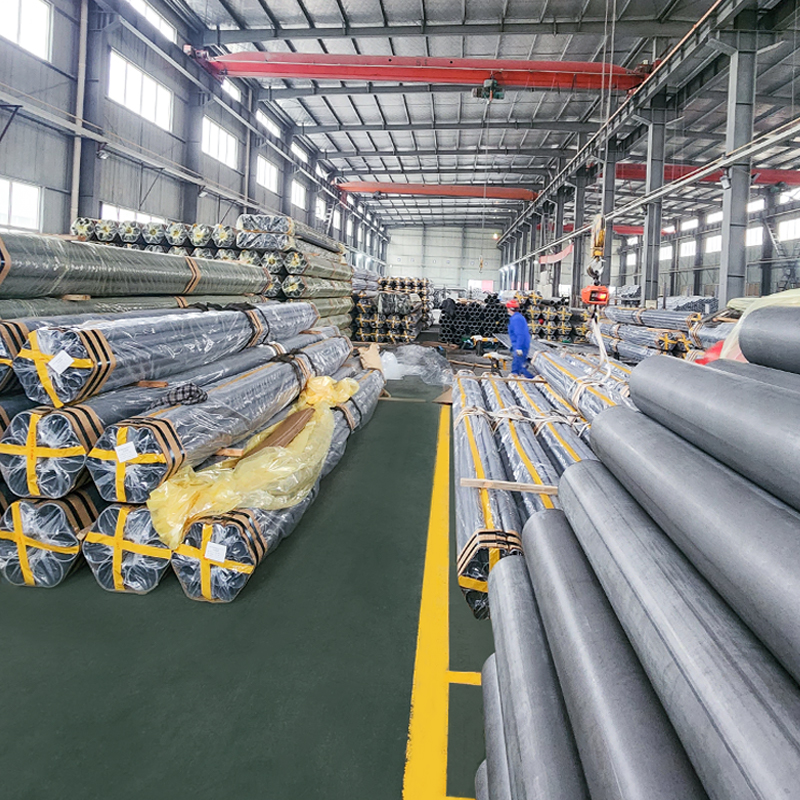
EN 10305-3 E235 Precision Conveyor Roller Tubing – Ø60.3 x 2.0 mm for Material Handling
EN 10305-3 E235 Precision Conveyor Roller Tubing – Ø60.3 x 2.0 mm for Material H...

Content
If you buy mechanical or hydraulic tube for a living, you have heard this question more than once: is DOM tubing the same as seamless tubing, and does the difference actually matter? The short answer is that these are two different products made by two different routes, and the gap between them shows up in tolerances, pressure capability, machinability and price. We cold draw both types every day, and our honest answer is that neither one wins outright. What matters is which one fits the part you are building.
DOM stands for Drawn Over Mandrel, which describes the finishing operation rather than the starting material. The process begins with flat cold-rolled steel strip, slit to width, formed into a round and welded longitudinally. The external weld flash is trimmed, and the tube then goes to the draw bench: it is pulled through a carbide die that reduces the outside diameter while a hardened mandrel inside the bore controls the inside diameter at the same time.
Because the wall is squeezed between two rigid tools simultaneously, the result is a tube with unusually uniform wall thickness, a straight bore and excellent concentricity. The weld seam is not removed. It is compressed and drawn until it is almost invisible to the eye, yet it is still present and can be located with an eddy current test or an acid etch. A properly welded and properly drawn seam is exactly why DOM tube holds up in hydraulic service for millions of cycles. Common specifications include EN 10305-2 in E235 and E355, ASTM A513, and the DIN 2393 range, with large-diameter thin-wall versions available for bigger cylinder work.
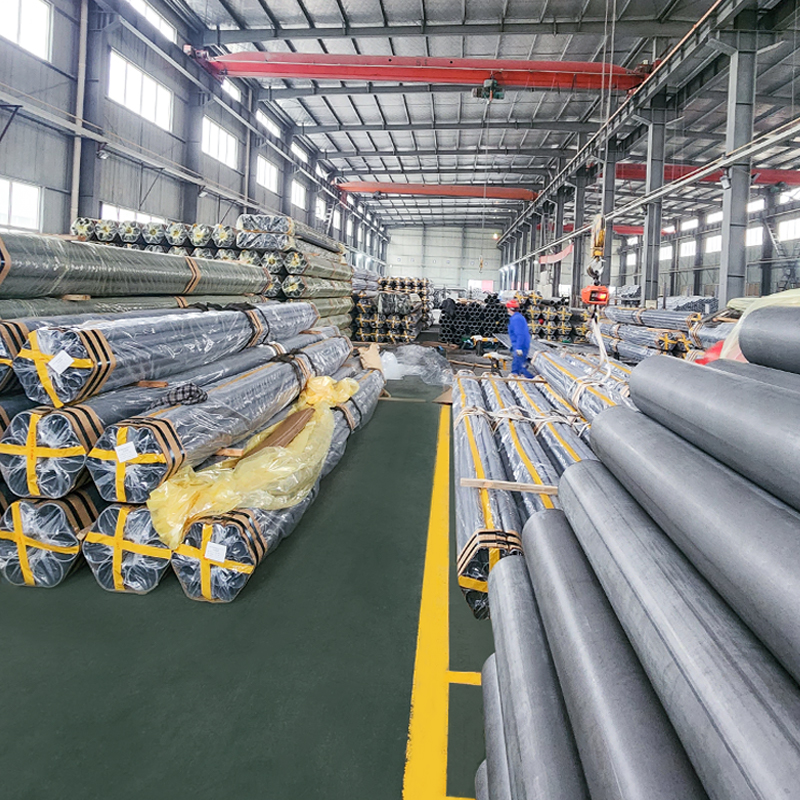 Cold Drawn Welded Steel Tube (CDW) En10305-2 Grade E235 E355 E460Precision Cold Drawn Welded Steel Tubes (CDW) – EN 10305-2 E235 E355 High-Tolerance Steel Tubing for Hydraulic, Automotive Mechanical Engineering Suao Metal manufactur...View Product →
Seamless tubing starts as a solid steel round bar. The billet is heated, pierced to create a hollow shell, then hot rolled or extruded and finally cold drawn to size, usually over a mandrel or a plug. From the first piercing step to the last draw, there is no weld anywhere along the length of the tube.
That single fact drives everything else. No weld means no heat-affected zone, no seam to inspect, and a wall that behaves identically in every direction. For high-pressure circuits, high-cycle fatigue duty and corrosive service, engineers often prefer the homogeneous wall of a cold drawn seamless product. The specifications most often quoted are ASTM A519 and EN 10305-1, and stainless grades such as ASTM A269 follow the same logic.
The trade-offs are real. Piercing inherently leaves more wall eccentricity than strip forming does, so the bore can sit slightly off-centre relative to the outside diameter. Thin walls and very large diameters are harder to source, minimum order quantities are less flexible, and both price and lead time usually sit higher than an equivalent DOM size. When a drawing calls for heavy walls and aggressive machining, that premium is often worth paying.
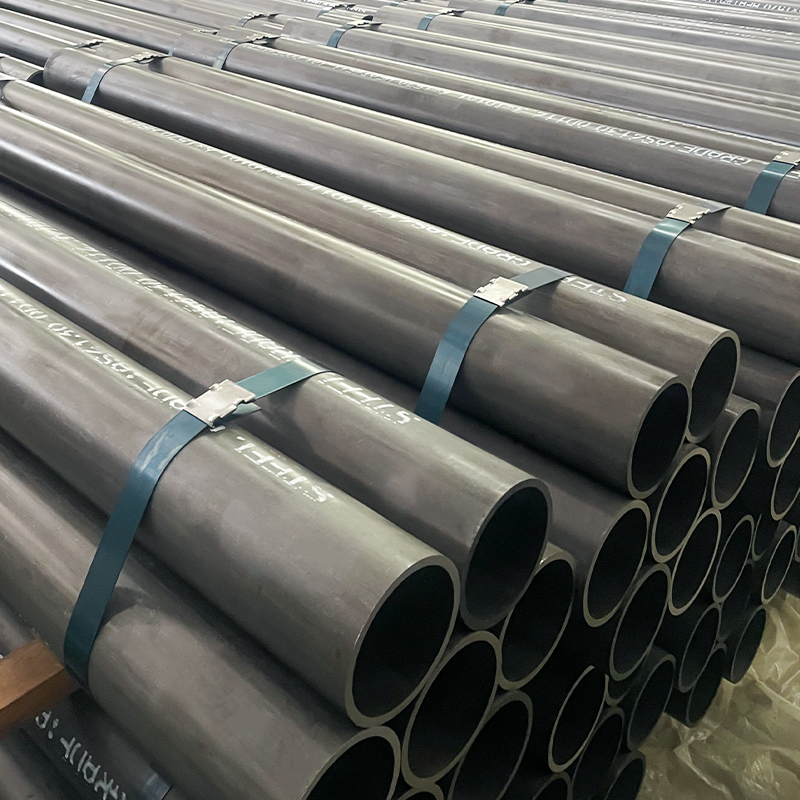 Cold Drawn Seamless Steel Tube (CDS) DIN 2393 ASTM A519 Grade ST37-2 ST52.3Cold Drawn Seamless Steel Tube (CDS) - DIN 2393 ASTM A519 (Grades ST37-2, ST44-2, ST52.3, 1018, 1020, 1026, 27SiMn, 20MnV6)View Product →
The table below condenses the differences that matter most during quoting and process planning. Use it as a starting point, then confirm the exact tolerances your application needs.
| Attribute | DOM Tubing | Seamless Tubing |
|---|---|---|
| Starting material | Cold-rolled strip, welded into tube | Solid billet, pierced |
| Weld seam | Present, drawn almost flush | None |
| Wall thickness uniformity | Excellent, set by strip gauge | Good, more eccentricity from piercing |
| Concentricity | Very tight after drawing | Good, historically looser |
| Typical standards | EN 10305-2, ASTM A513, DIN 2393 | EN 10305-1, ASTM A519, DIN 2393 |
| High-pressure and fatigue duty | Reliable when the seam is sound and tested | Preferred, homogeneous wall |
| Relative cost | Generally lower | Generally higher |
| Lead time and size range | Shorter; wide range including thin wall | Longer; fewer options at large OD |
| Best-fit applications | Cylinder tubes, honed tubes, shock absorbers, drive shafts, conveyor rollers | High-pressure lines, heat exchangers, drill pipe, heavy-wall machined parts |
Wall variation is the number one cause of scrap in honing and skiving. A DOM tube formed from controlled strip gauge typically enters the honing machine with a wall that varies only slightly, so stock removal stays consistent and the finished bore cleans up in fewer passes. A seamless tube with more eccentricity may need extra stock removal, which adds cycle time and can push the bore outside the required H8 tolerance band.
Domestic and imported DOM tube is routinely bent, notched and honed. The drawn seam behaves well in these operations, but it must be qualified for fatigue-critical duty. Seamless tube removes that variable entirely. If your part cycles at high pressure or sees reversing loads, the absence of a seam is worth the extra cost. Buyers who want a broader view of how welding routes change performance can read our summary of ERW vs DOM vs CDS tubing before locking in a specification.
Both families machine cleanly when the correct grade and hardness are selected. DOM usually arrives with a smoother as-drawn surface on both the OD and the ID, which shortens polishing time. Seamless tends to run slightly harder in the heavy-wall sizes, which can extend tool life or shorten it depending on speeds and feeds. Talk to your supplier about the delivered condition: annealed, normalized or as-drawn makes a bigger difference than most people expect.
Strip is cheaper than a pierced billet and uses less material for the same finished size, so DOM normally lands at a lower price per kilogram. That advantage grows in thin-wall and large-diameter sizes, where welding and drawing is simply a more efficient route than piercing a heavy billet and reducing it down.
For a single hydraulic cylinder program, the cost difference is rarely the deciding factor. For a high-volume roller or shock absorber line, it very often is.
Most hydraulic and pneumatic cylinder work is a natural fit for DOM, because concentricity and a clean bore matter more than the theoretical benefit of a seam-free wall. EN 10305-2 E355 and ASTM A513 grades dominate this space, and they hone to a mirror finish reliably. Reach for seamless when the working pressure is extreme, when the part is welded into a manifold with no room for doubt about the seam, or when the wall is heavy enough that a welded route becomes uneconomical.
One practical point: the choice of tube grade matters less than the finish you specify. For rod and cylinder service, H8 bore tolerance with Ra0.4 roughness is a common requirement, and it should be written on the drawing rather than assumed. We supply honed and SRB cylinder tube in both DOM and seamless base materials so that customers can trade cost against performance without changing suppliers.
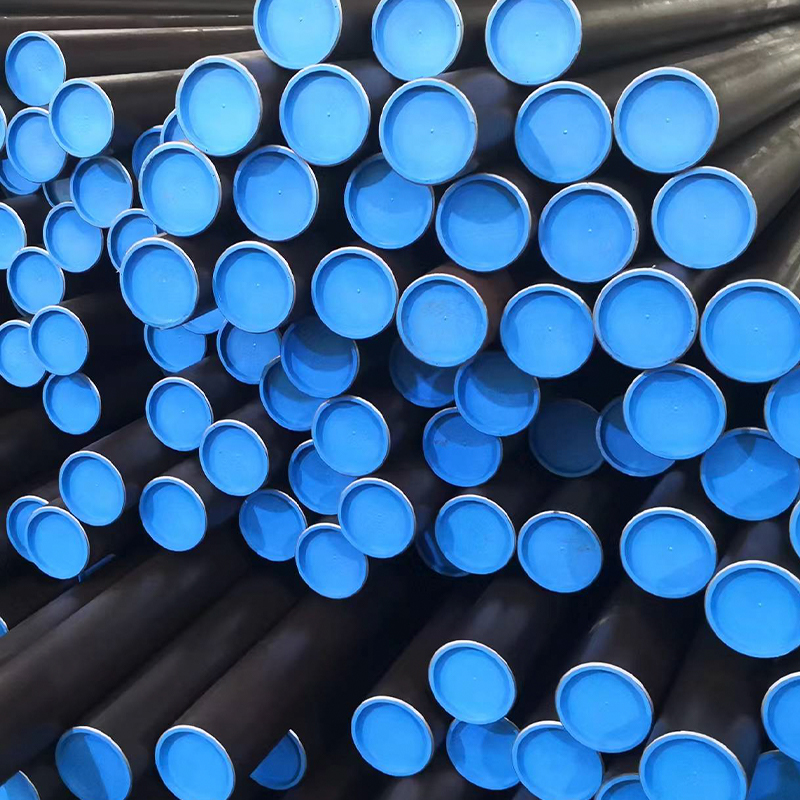 Hydraulic Cylinder Tube – Cold Drawn Welded Steel EN 10305-2, E355, For Honing & SRBOur Hydraulic Cylinder Tubes (CDW) are produced according to EN 10305-2 E355, using high-quality welded steel pipes that are further cold drawn to improve accuracy, su...View Product →
A few myths come up in almost every technical discussion, and clearing them up early saves a lot of rework:
The right answer to the DOM versus seamless question almost never comes from a catalogue. It comes from matching the manufacturing route to the load case, the finishing step and the volume you intend to buy. Send us your drawing with the wall, tolerance, grade and surface finish, and we will tell you plainly which route gives you the better part at the better price, and why.
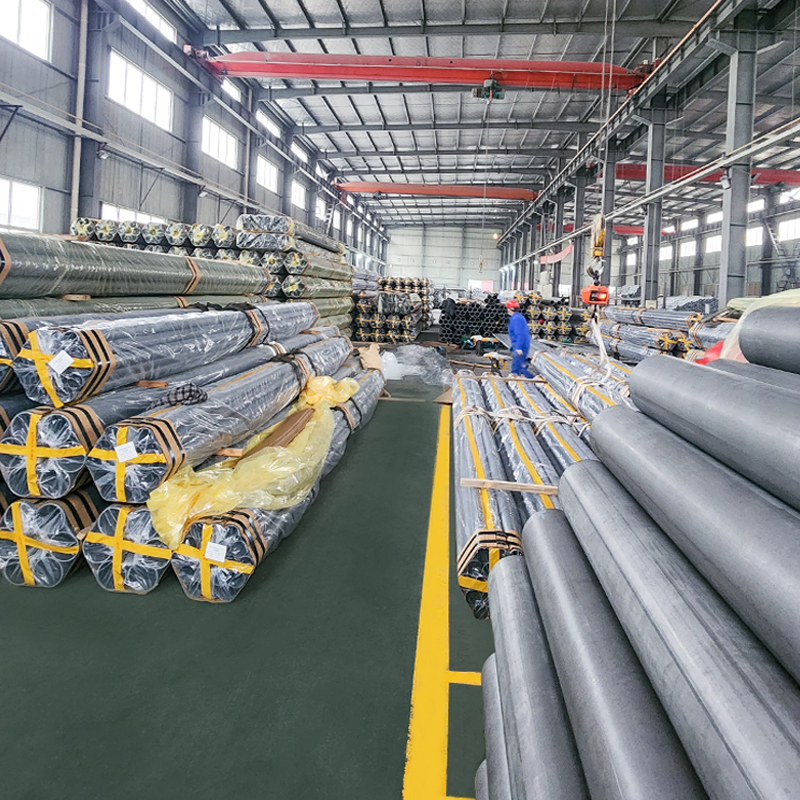
EN 10305-3 E235 Precision Conveyor Roller Tubing – Ø60.3 x 2.0 mm for Material H...
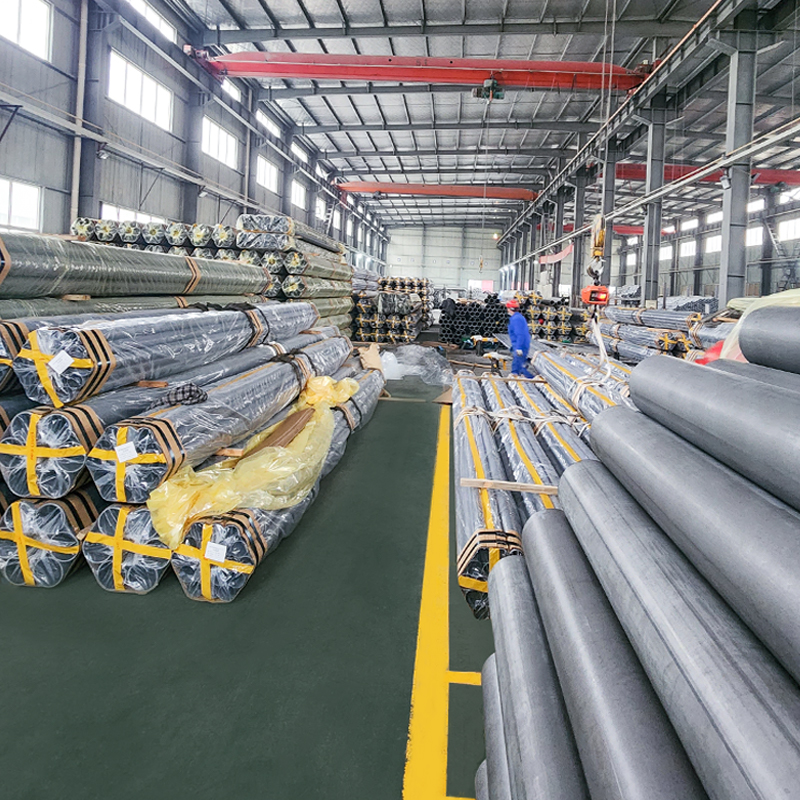
DIN 2394 ST37.2 Heavy-Duty Conveyor Roller Tubing – Ø89 x 3 mm for Mining & ...
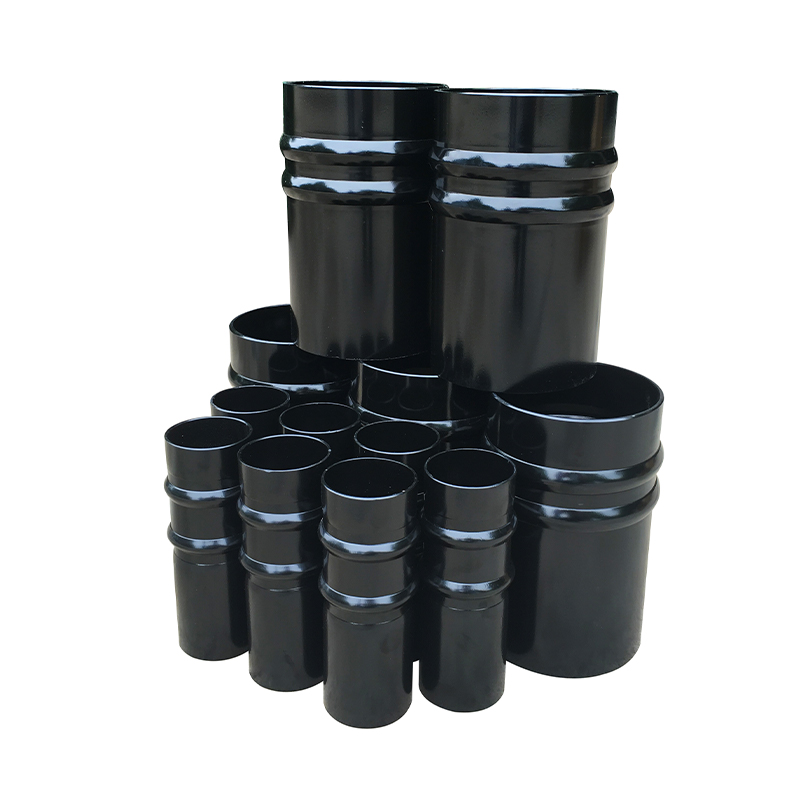
Our Custom Fabricated Tubing offers precision bent, welded, and shaped tubes tai...
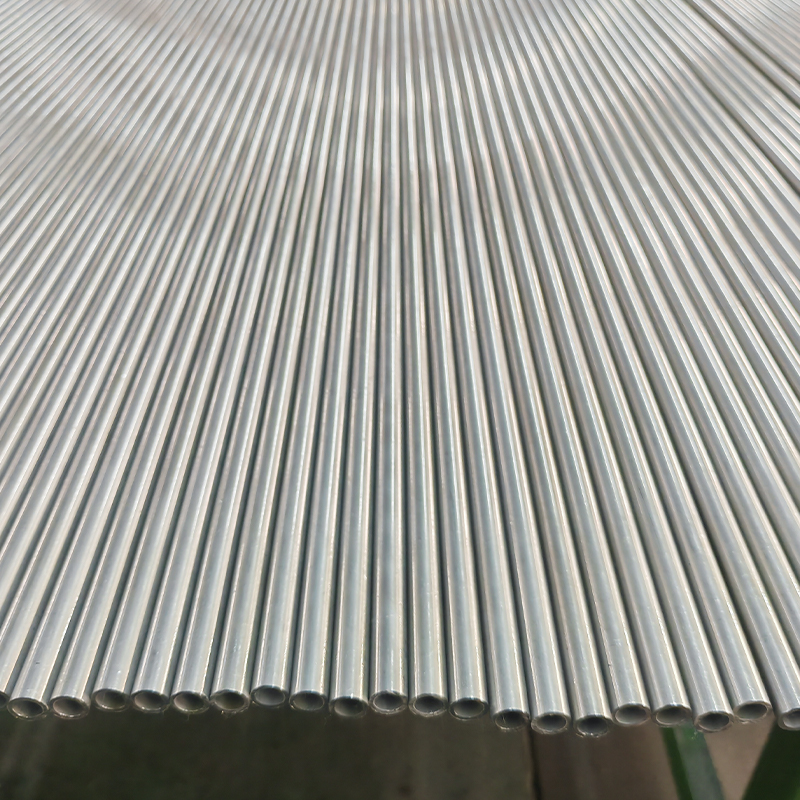
Our Hydraulic Tubes are manufactured from cold-drawn seamless steel (CDS) in com...
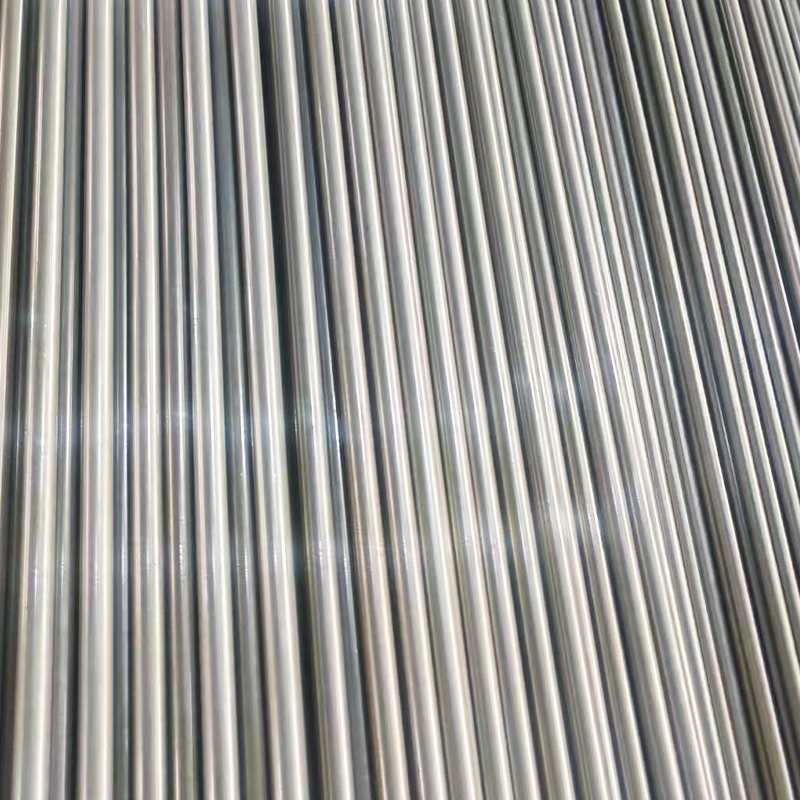
Our Welded Hydraulic Tubes are produced from cold-drawn or ERW-welded strip stee...
EN 10305-2 Precision Welded Drive Shaft Tubing – E355, E235, E420, E275 (Ø60 x 3...


