
 English
 Español
 русский
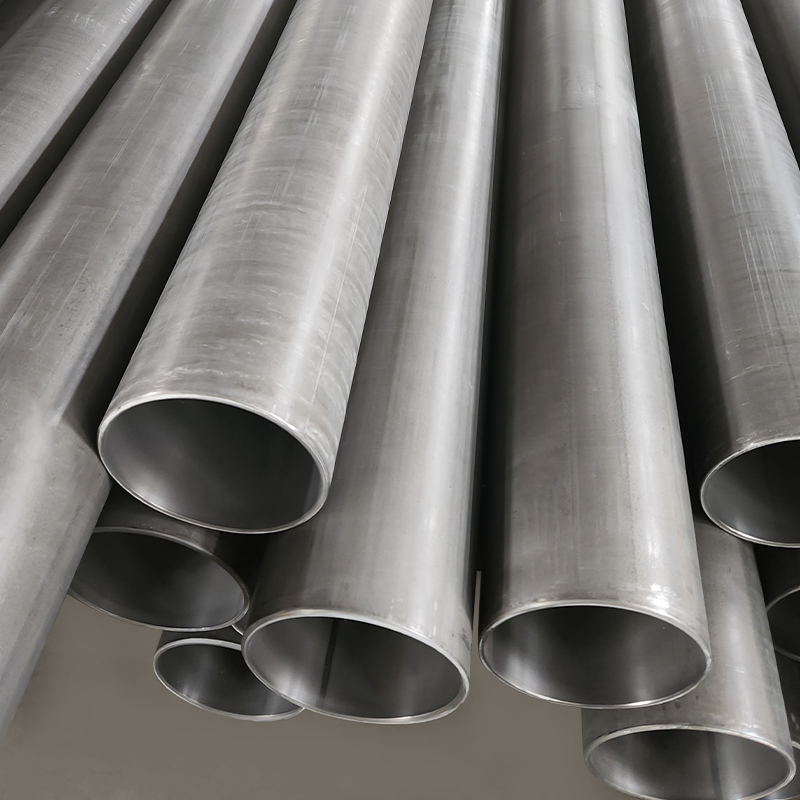
Telescopic Hydraulic Cylinder – Multi-Stage Cylinder Tube Set, Cold Drawn Steel pipe, E355
Our Telescopic Hydraulic Cylinders are multi-stage, heavy-duty cylinders designe...

Content
A telescopic hydraulic cylinder extends to several times its retracted length by nesting multiple tube stages inside one another. When hydraulic fluid is pumped in, each stage extends in sequence — largest first, smallest last — delivering a long working stroke while keeping the collapsed length compact enough to fit within tight machine envelopes. This combination of reach and compactness makes the telescopic design the default choice wherever a conventional single-stage cylinder simply cannot fit.
The cylinder body consists of a series of hollow steel tubes, each slightly smaller in diameter than the one surrounding it. The outermost tube is the barrel; the innermost is the final-stage plunger that contacts the load. Hydraulic fluid enters through a port at the base and fills the annular space behind each stage.
Extension follows a predictable sequence: the stage with the largest effective area — and therefore the lowest pressure requirement — moves first. As it reaches full travel and a stop collar locks it in place, pressure builds until the next stage begins to move. Retraction in a double-acting telescopic cylinder reverses the sequence using a second fluid circuit, while a single-acting model relies on gravity or an external load to push the stages back in.
Because the bore diameter decreases with each successive stage, the output force also decreases as extension progresses. Engineers must verify that the force available at full extension still exceeds the peak load requirement — a critical step often overlooked during initial specification.
The choice between single-acting and double-acting cylinders is determined primarily by the load profile and the available retraction force.
A useful decision rule: if the retraction load is predictable and always acts in the same direction as gravity, single-acting is usually the more cost-effective solution. If the machine must push or pull in both directions — or if retraction speed needs hydraulic control — double-acting is the safer specification.
Selecting a telescopic hydraulic cylinder requires matching several interdependent parameters to the application. The table below summarises the most critical ones:
| Parameter | Typical Range | Engineering Consideration |
|---|---|---|
| Number of stages | 2 – 6 | More stages increase stroke-to-length ratio but reduce final-stage force and add seal complexity |
| Collapsed length | Varies by stage count | Must fit the retracted envelope of the machine without structural interference |
| Operating pressure | 150 – 350 bar | Higher pressure permits smaller bore diameters for equal force output |
| Stroke | 0.5 – 10 m+ | Lateral buckling risk increases with stroke; guide bearings and wall thickness must be sized accordingly |
| Seal material | NBR, PUR, PTFE | Must be compatible with the hydraulic fluid type and operating temperature range |
Buckling resistance deserves particular attention in long-stroke applications. As the final stage extends, its unsupported length grows while its wall thickness remains constant. Euler buckling calculations should be performed at full extension with appropriate safety factors — typically 3.5 to 4.0 for mobile equipment.
Telescopic hydraulic cylinders appear wherever a long working stroke must be packaged into a short retracted length. The following sectors account for the majority of global demand:
Telescopic cylinders are more maintenance-intensive than single-stage units because each stage interface carries its own wiper, guide ring, and pressure seal. A structured inspection routine pays dividends in reduced unplanned downtime.
Industry data suggests that over 70 % of premature cylinder failures are attributable to contaminated fluid or neglected external rod damage — both preventable with basic housekeeping disciplines.
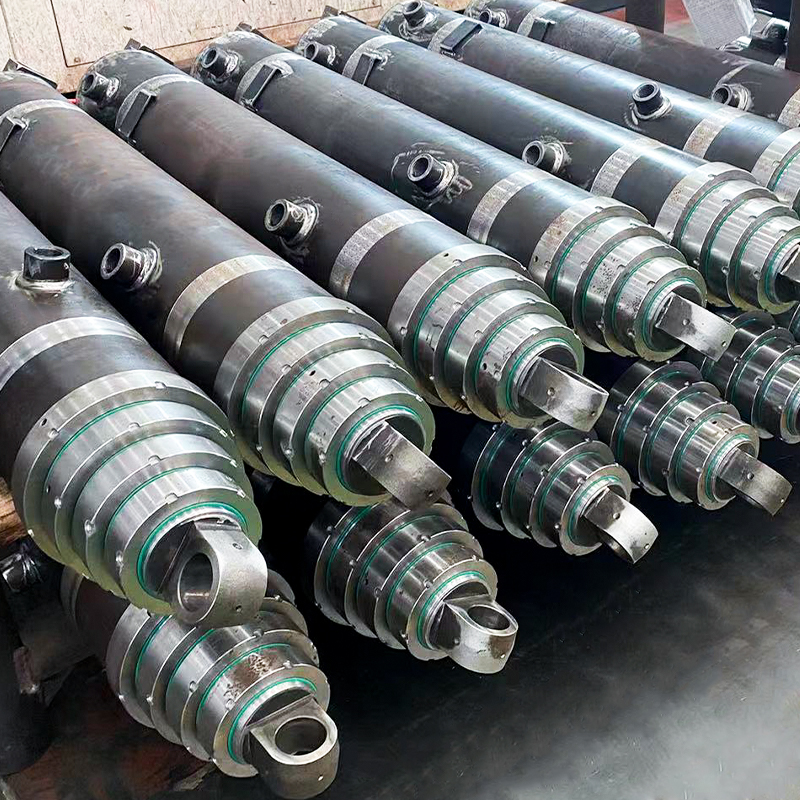
Our Telescopic Hydraulic Cylinders are multi-stage, heavy-duty cylinders designe...
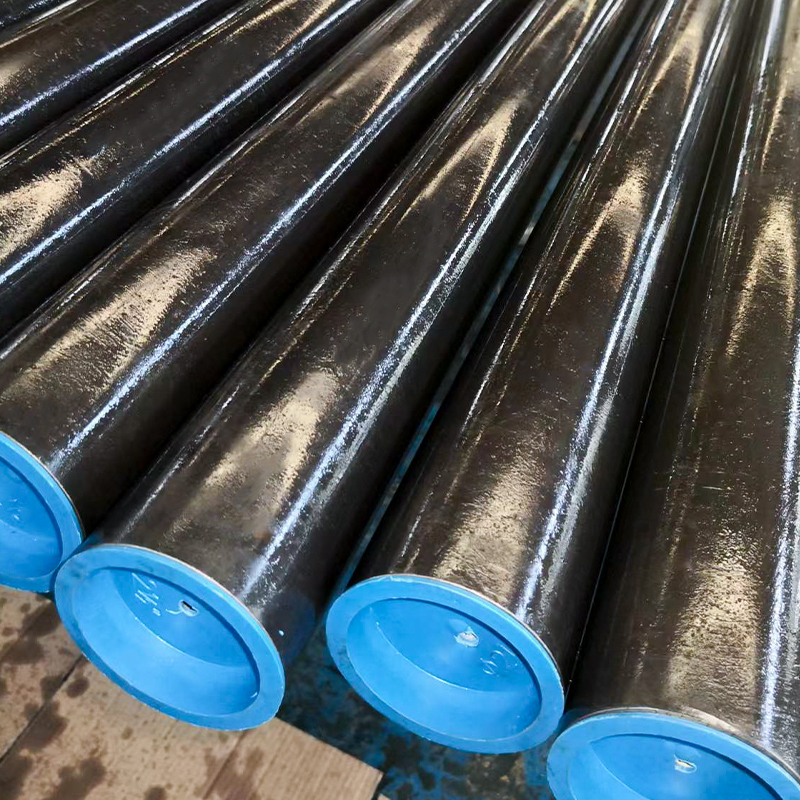
Our Hydraulic Cylinder Tubes are made from cold drawn seamless steel according t...
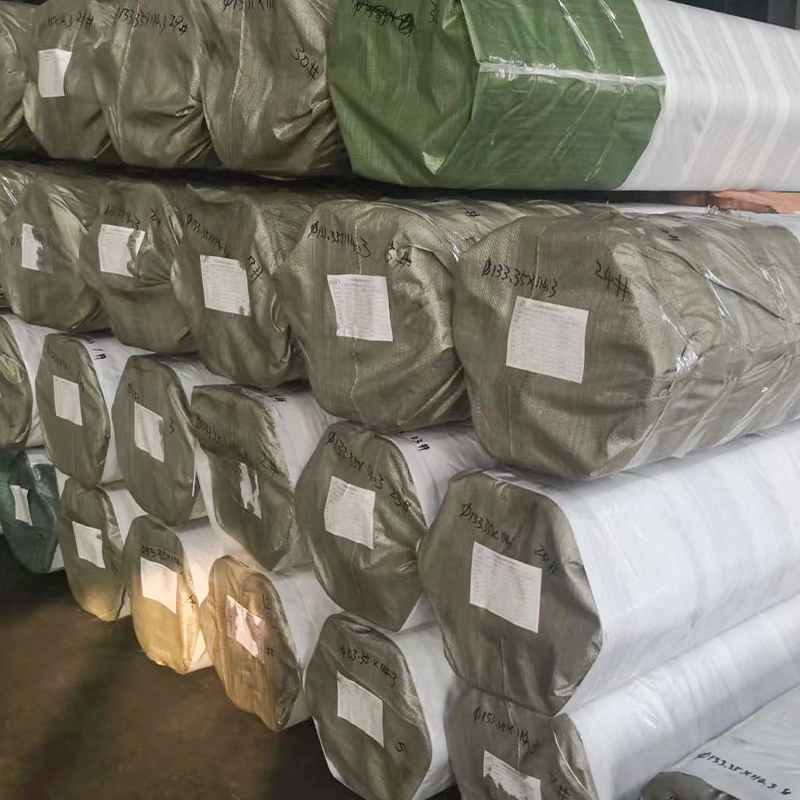
Our Hydraulic Cylinder Tubes (CDW) are produced according to EN 10305-2 E355, us...
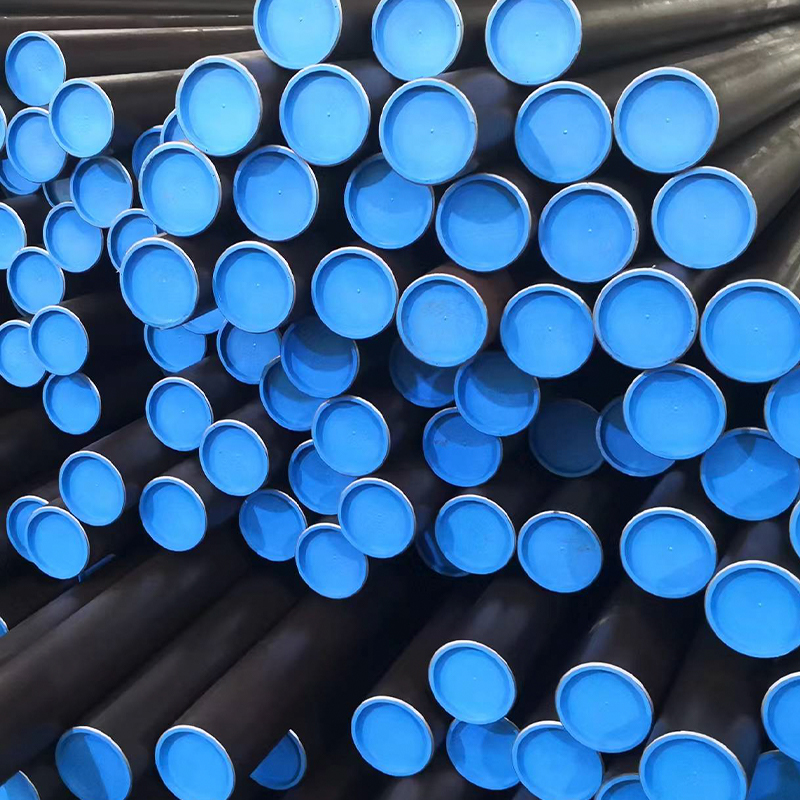
Our ASTM A519 Hydraulic Cylinder Tubes are precision-manufactured using cold dra...
Our Hydraulic Cylinder Tubes – ASTM A513 ST52 Cold Drawn Welded (CDW) are engine...
Our Hydraulic Shock Absorber Tube is manufactured to EN 10305-2 standards using


