
 English
 Español
 русский
Hydraulic Shock Absorber Tube – EN 10305-2, SPHC Steel, Cold Drawn Welded (CDW), Ø90.2 x 1.6 mm
Our Hydraulic Shock Absorber Tubes are manufactured using the Cold Drawn Welded ...

Content
In a hydraulic shock absorber, the steel tube is the primary pressure vessel — it contains the hydraulic fluid and guides the piston through its stroke. Without a precisely manufactured tube, the shock absorber cannot maintain consistent damping force or long-term sealing integrity. Every other component — the piston, the valves, the seals — depends on the tube's dimensional accuracy and surface finish to function correctly.
There are typically two tubes in a twin-tube shock absorber design: the inner working cylinder (pressure tube) and the outer reserve tube. In a monotube design, a single high-pressure tube handles everything. In both cases, the steel tube's material properties, tolerances, and surface quality are critical to performance.
Not all steel tubes are interchangeable. Hydraulic shock absorber tubes must meet specific mechanical and metallurgical criteria to withstand cyclic pressure loading, temperature variation, and long service life.
The most widely specified grades include:
| Property | Typical Range (E355) | Why It Matters |
|---|---|---|
| Yield Strength | ≥ 355 MPa | Resists permanent deformation under peak hydraulic pressure |
| Tensile Strength | 490–630 MPa | Provides safety margin against burst failure |
| Elongation at Break | ≥ 22% | Allows energy absorption without brittle fracture |
| Hardness (HRB) | 70–90 HRB | Affects machinability and surface wear resistance |
| Impact Toughness (Charpy) | ≥ 27 J at –20°C | Ensures ductile behavior in cold climates |
This is one of the most practical decisions in shock absorber tube procurement. The choice affects cost, pressure rating, and reliability.
Seamless tubes are extruded or pierced from a solid billet, then cold-drawn to final dimensions. They have no weld seam, making them the preferred choice for high-pressure or high-cycle applications. A typical hydraulic shock absorber may experience 100 million or more compression cycles over its service life — any weld-zone weakness becomes a fatigue initiation point. Cold drawing also work-hardens the steel, improving surface finish and dimensional consistency simultaneously.
The inner bore of a cold-drawn seamless (CDS) tube is typically honed to achieve surface roughness values of Ra 0.2–0.4 µm, which is necessary for proper seal performance.
ERW tubes are formed from strip steel, rolled into shape, and resistance-welded along a longitudinal seam. They are significantly less expensive than seamless tubes and are widely used for the outer reserve tube in twin-tube designs, where pressure exposure is lower. For inner working cylinders or monotube designs, ERW is generally not recommended unless rigorously tested for fatigue performance.
| Feature | Seamless (CDS) | ERW |
|---|---|---|
| Pressure rating | High (up to 350+ bar) | Moderate (up to ~200 bar typical) |
| Fatigue resistance | Excellent | Good (weld zone is weaker) |
| Dimensional tolerance | Very tight (±0.05 mm ID) | Moderate |
| Surface finish (bore) | Ra 0.2–0.4 µm (honed) | Ra 1.6–3.2 µm (as-formed) |
| Cost | Higher | Lower |
| Typical application | Inner cylinder, monotube | Outer reserve tube |
Dimensional accuracy in shock absorber tubes is non-negotiable. The internal diameter (ID) directly controls seal fit and piston clearance. A bore tolerance tighter than ±0.05 mm is standard for quality inner cylinders, and some high-performance designs require ±0.02 mm. Out-of-roundness must typically remain below 0.03 mm.
After cold drawing, inner tubes are honed using abrasive stones to achieve the required bore finish. A honed surface with a cross-hatch pattern (typically 30–45° angle) serves two functions:
Wall thickness is determined by pressure requirements, tube diameter, and weight constraints. A common formula used during preliminary sizing is based on Barlow's equation:
t = (P × OD) / (2 × S × E)
Where t = wall thickness, P = design pressure, OD = outer diameter, S = allowable stress, and E = weld efficiency factor (1.0 for seamless). For a 40 mm OD tube at 200 bar using E355 steel (allowable stress ~177 MPa), the minimum wall thickness calculates to approximately 2.3 mm. In practice, a minimum of 2.5–3.0 mm is used to account for fatigue and manufacturing variation.
Steel tubes in shock absorbers face exposure to moisture, road salt, and temperature cycling throughout their service life. Corrosion that penetrates the bore surface will damage seals and compromise fluid containment. Several surface treatment methods are used depending on application:
For outer tubes exposed to road conditions, a minimum 480-hour salt spray resistance (per ISO 9227) is a common OEM requirement. High-end applications target 1,000+ hours.
Procurement and quality teams should align tube specifications to established international standards. The most relevant include:
When sourcing tubes, always request a material test report (MTR / mill certificate) per EN 10204 3.1 or 3.2, which certifies chemical composition, mechanical test results, and dimensional inspection by the manufacturer or an independent third party.
When specifying or sourcing steel tubes for hydraulic shock absorbers, work through the following parameters systematically:
Understanding how tubes fail in service helps reinforce why specification details matter.
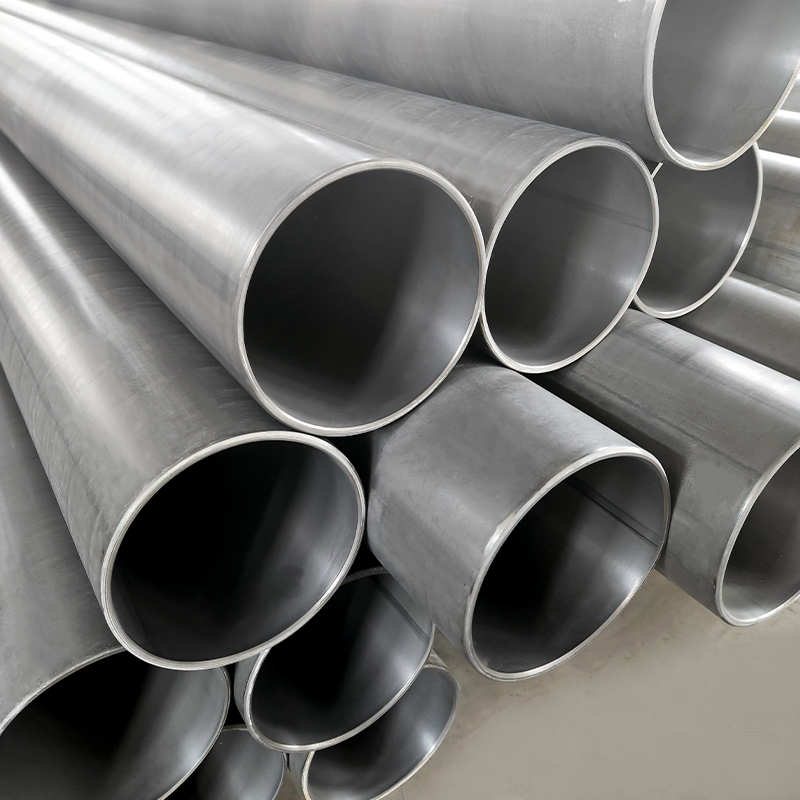
Our Hydraulic Shock Absorber Tubes are manufactured using the Cold Drawn Welded ...
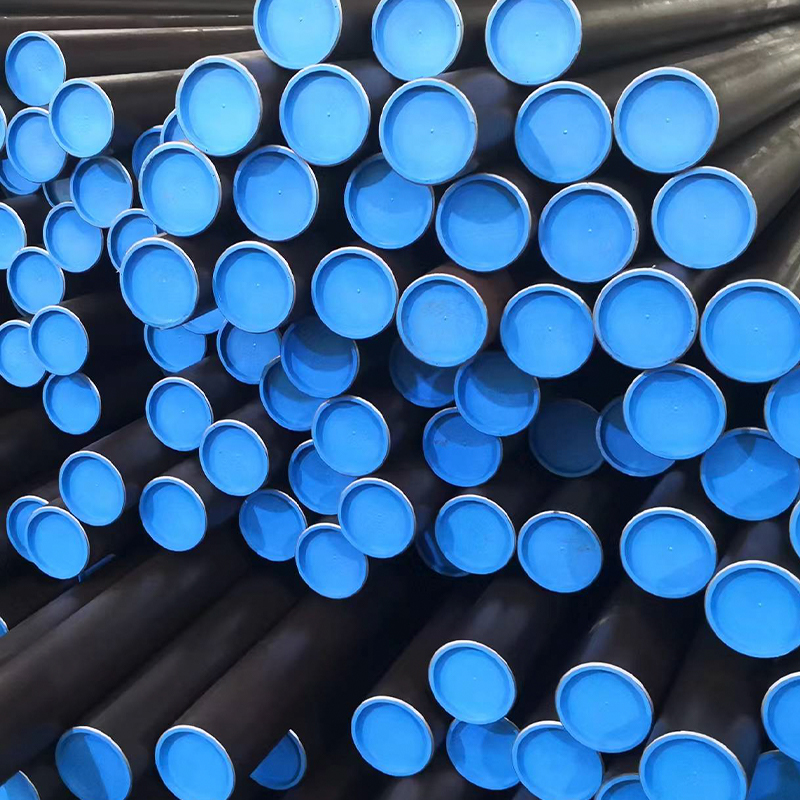
Our ASTM A519 Hydraulic Cylinder Tubes are precision-manufactured using cold dra...
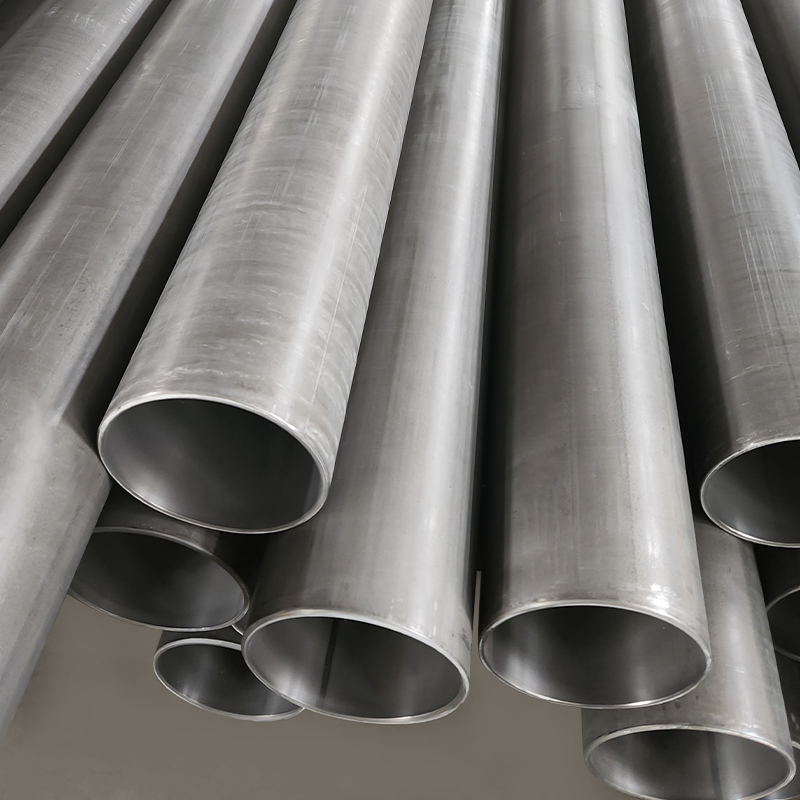
Our Hydraulic Shock Absorber Tube is manufactured to EN 10305-2 standards using
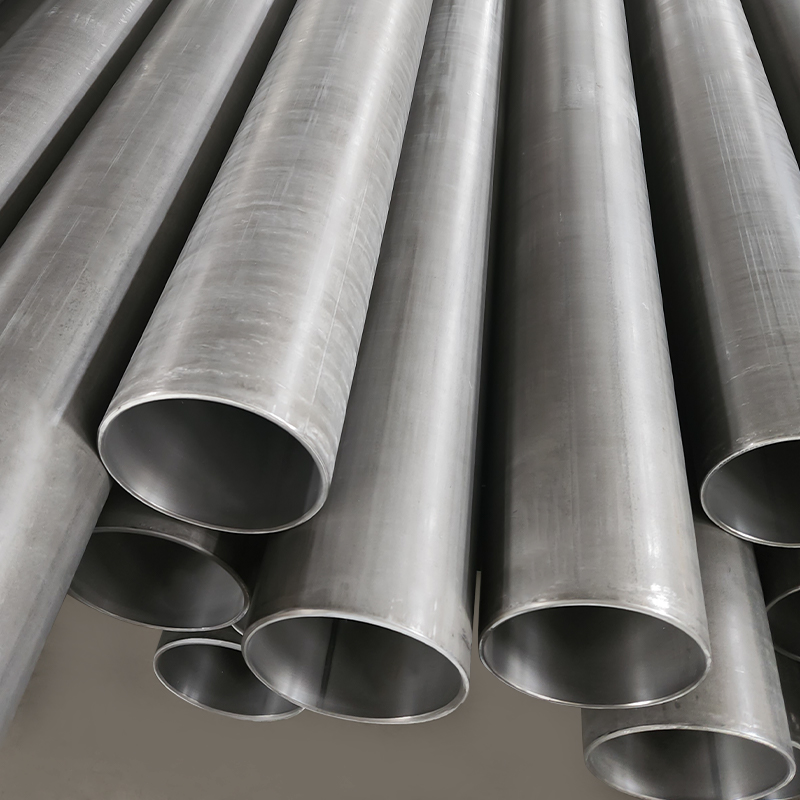
Our Shock Absorber Cylinder Tubes are manufactured from cold rolled precision st...
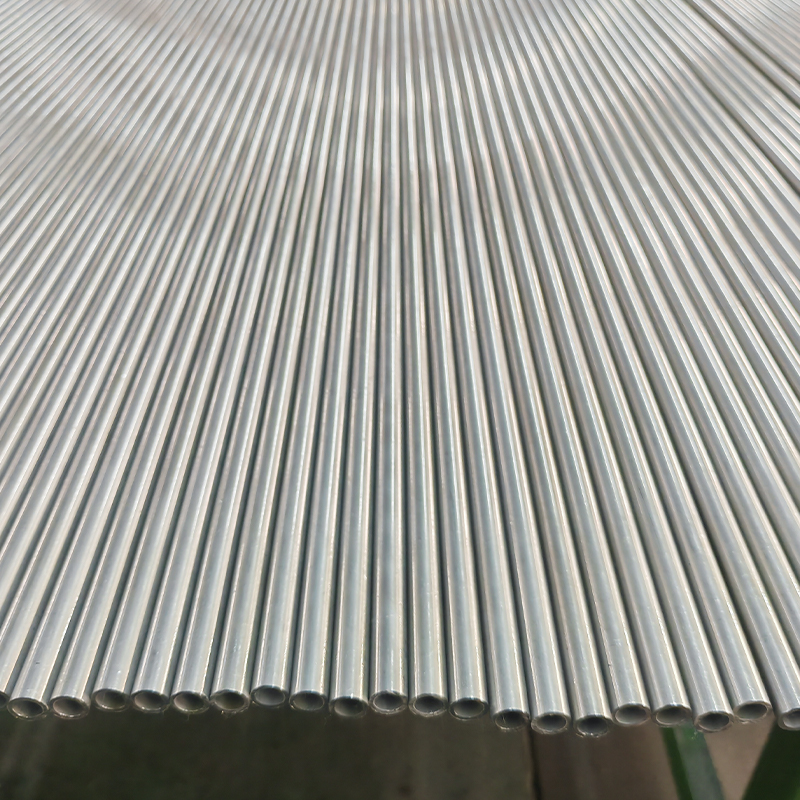
Our Hydraulic Tubes are manufactured from cold-drawn seamless steel (CDS) in com...
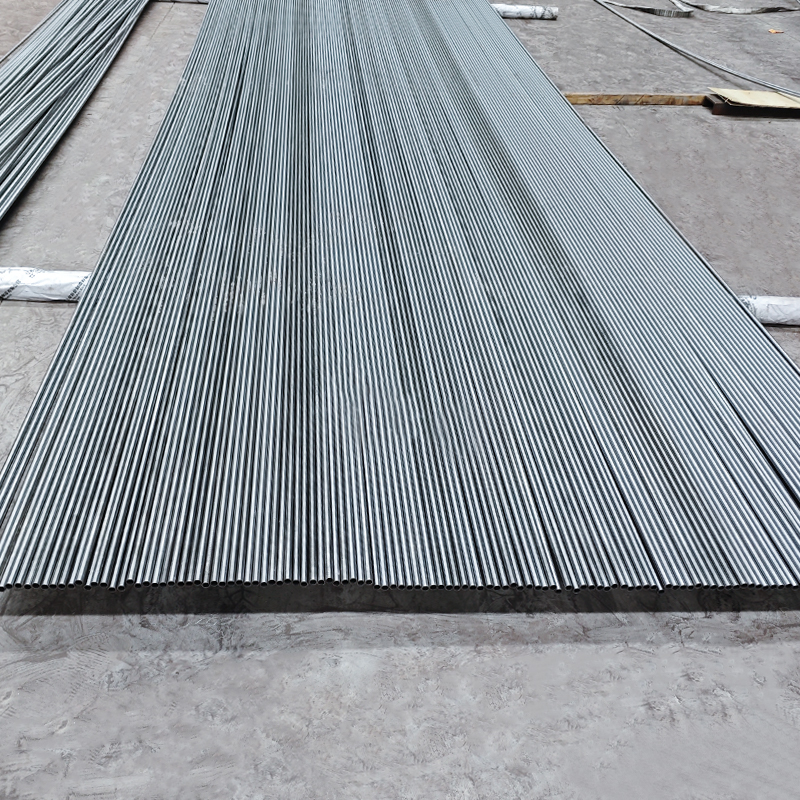
Our Carbon Steel Heat Exchanger Tubes are designed for use in low- to medium-tem...


