
 English
 Español
 русский
Hydraulic Cylinder Tube – ASTM A519 ST52, 27SiMn, 20MnV6 | Cold Drawn Seamless Steel Pipe for Honing & SRB
Our ASTM A519 Hydraulic Cylinder Tubes are precision-manufactured using cold dra...

Content
Ask ten cylinder builders whether seamless or welded tube is better, and you will get ten confident answers, often followed by a caveat about pressure, bore finish, or budget. That is because the right choice is not a universal rule. It depends on how the cylinder is loaded, how the bore is finished, what fluid and environment it sees, and how the supply chain is set up. In our work with hydraulic cylinder tube, we see both constructions succeed when the specification matches the job. If you are still mapping out the basics, our hydraulic cylinder tube overview is a useful place to start.
The difference starts at the mill. Seamless tube is made from a solid billet that is pierced, rolled, and usually cold drawn to its final size. There is no longitudinal weld, so the tube wall is continuous around the circumference. Welded tube starts as strip or coil, is formed into a round shape, and joined along a longitudinal seam, normally by electric resistance welding. Many hydraulic grades are then cold drawn over a mandrel, which is where the term DOM, or drawn-over-mandrel, comes from.
That extra cold-drawing step matters. A good DOM welded tube can have a very uniform wall, good concentricity, and a smooth inside diameter. In practical cylinder work, the question is rarely “welded or seamless” in the abstract. It is whether the supplied tube can hold the required bore tolerance, surface finish, straightness, and pressure duty after machining and honing. A well-controlled welded tube and a well-controlled seamless tube can both look excellent on the shelf. The difference is in what you need to verify.
For high-pressure cylinders, shock-loaded circuits, and safety-critical applications, seamless tube is often the conservative starting point. With no longitudinal weld, there is no seam to act as a potential initiation point for fatigue or corrosion-assisted cracking. The hoop strength is consistent around the full circumference, which is why seamless tube is common in cylinders that see pressure spikes, frequent cycling, or harsh field conditions.
That does not make welded tube a weak choice by default. A properly made DOM tube with a sound weld, suitable heat treatment, and good draw practice can serve many medium- and high-pressure cylinder duties very well. The key is to treat the weld as a controlled feature, not an invisible detail. Ask about weld quality, seam orientation, non-destructive testing where needed, and the pressure rating of the finished cylinder, not just the tube. As a rough rule, seamless tube remains the safer starting point above roughly 350 bar or where fatigue life and corrosion resistance are tightly coupled. Below that, a verified DOM welded tube can be technically sound and commercially attractive.
If your design lands in that high-pressure range, our cold-drawn seamless EN 10305-1 E355 hydraulic cylinder tube is a practical reference point for wall thickness, tolerances, and honing allowance.
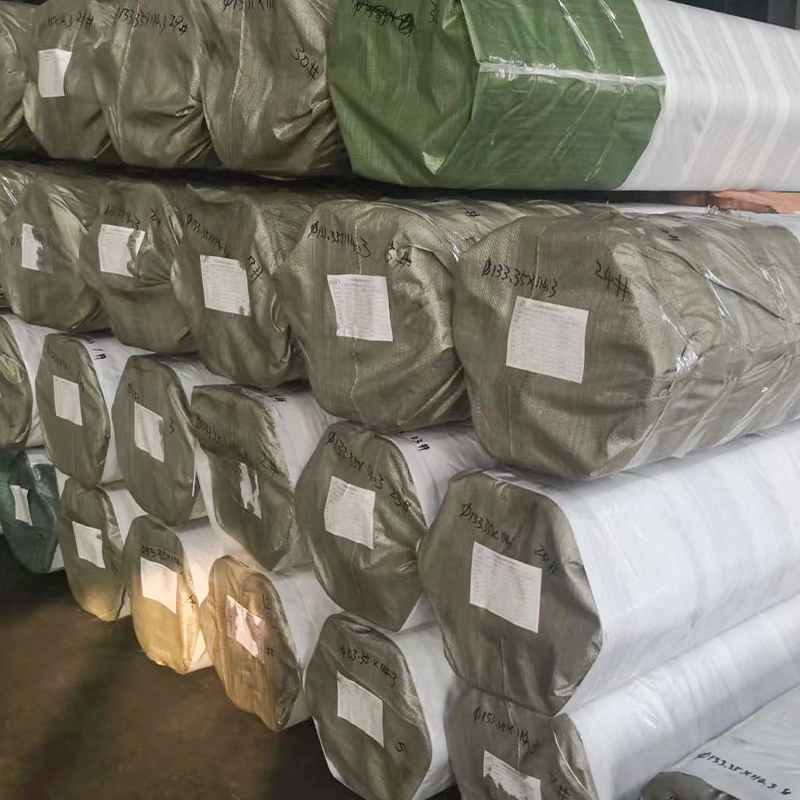 Cold-Drawn Seamless EN 10305-1 E355 Hydraulic Cylinder TubeA cold-drawn seamless E355 tube for honing or SRB, relevant when high-pressure cylinder designs need wall thickness, tolerance, and bore-finish allowances defined before machining.View Product →
In a hydraulic cylinder, the bore is not just a hole. It is a sealing surface, a bearing surface, and a path for oil film control. A tiny change in roundness, straightness, or surface roughness can affect seal leakage, stick-slip, and rod seal life. This is why honed tube and SRB tube are specified by measurable values such as H8 or H9 bore tolerance, Ra 0.4 µm surface finish, and mirror-like inside diameter where the application demands it.
Welded DOM tube often has an advantage in wall uniformity and concentricity, which can reduce machining stock and improve bore cleanup. Seamless tube may require more stock removal if eccentricity is present, but it brings the confidence of a continuous wall. In both cases, the finish process matters as much as the base tube. Honing, skiving and roller burnishing, and careful rinse and protection after machining all influence the final result. A supplier who controls the bore as a process, rather than as a last-minute inspection, is usually the safer partner for seal-critical cylinders.
For bore-critical work, our honed SRB tube in EN 10305-1 E355 with H8 tolerance and Ra 0.4 µm mirror ID is one example of how finish can be specified as a process requirement rather than a hope.
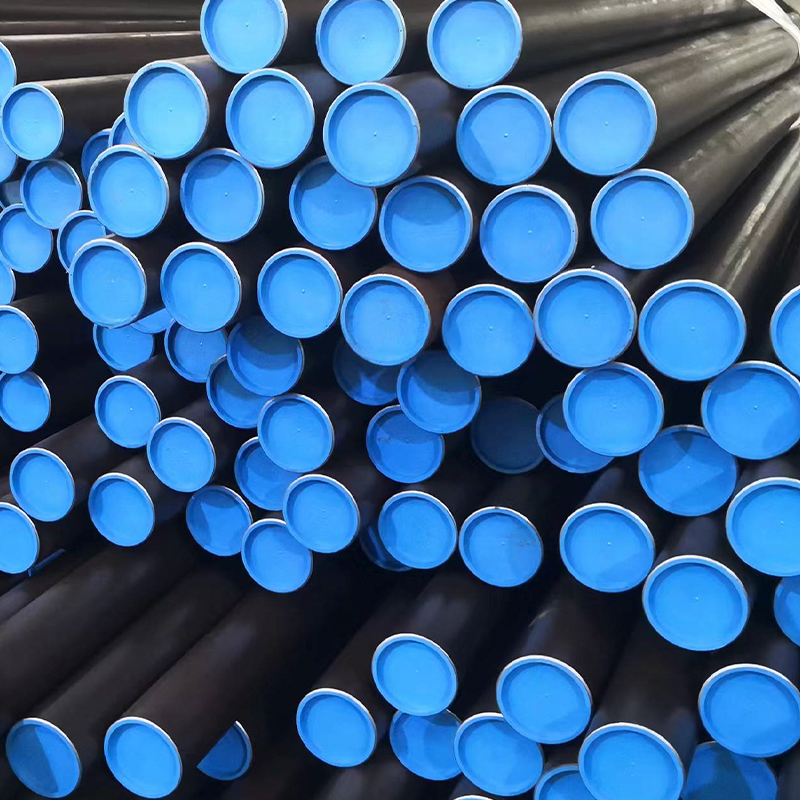 Honed & SRB E355 Tube with H8 Mirror IDSeamless E355 tube with H8 tolerance and honed/SRB bore finish for bore-critical cylinder barrels that need low friction and defined surface quality.View Product →
In clean, dry hydraulic oil systems, corrosion may be a secondary concern. In mobile equipment, marine environments, humid plants, or cylinders that sit idle, it moves up the list. Seamless tube avoids the longitudinal weld seam entirely, which is an advantage in corrosive service and in stainless or alloy grades where the seam chemistry and heat-affected zone need careful control.
Welded tube can still perform well in corrosive duty when the weld is properly made, annealed or otherwise heat-treated, and protected by the right coating or plating. But the seam deserves specific attention. If the cylinder will see moisture, washdown, aggressive fluids, or a long service life without frequent inspection, seamless tube reduces one variable. For less demanding conditions, a welded tube with a sound seam and a suitable surface treatment can be a perfectly rational choice.
Grade names only tell part of the story. A cylinder tube may be specified to ASTM A519, EN 10305-1, ASTM A513, or EN 10305-2, and the standard will define the permitted construction, tolerances, and inspection basis. Common grades include E355, ST52, 27SiMn, and 20MnV6, but the same grade name does not guarantee the same bore quality or weld condition. Match the standard to the tube construction first, then confirm the mechanical properties, dimensional tolerances, and surface finish your cylinder design actually needs.
This is also where a drawing review saves time. A tube that meets a material grade but cannot clean up to the required bore size after machining is not a bargain. A tube that is over-specified for a low-pressure application is not a technical victory either. The useful specification sits between those two points.
Welded tube usually starts with a cost advantage. Strip and coil are efficient raw materials, the welding line is continuous, and DOM processing can deliver good dimensional control without the higher cost of piercing a solid billet. Seamless tube generally carries more raw material and processing cost, especially in larger sizes and heavy walls. Lead time can also differ by size, grade, and mill schedule.
The purchase price is only one line in the calculation. Add machining allowance, honing time, scrap rate, seal failures, inspection burden, and downtime. A slightly cheaper tube that needs extra boring or has inconsistent concentricity can lose its advantage quickly. A more expensive seamless tube that arrives with the right bore allowance and stable dimensions may be the lower-cost choice in the finished cylinder. When a welded DOM route fits the duty, our cold-drawn welded EN 10305-2 E355 tube is a good place to compare wall uniformity, seam control, and delivered cost against a seamless option.
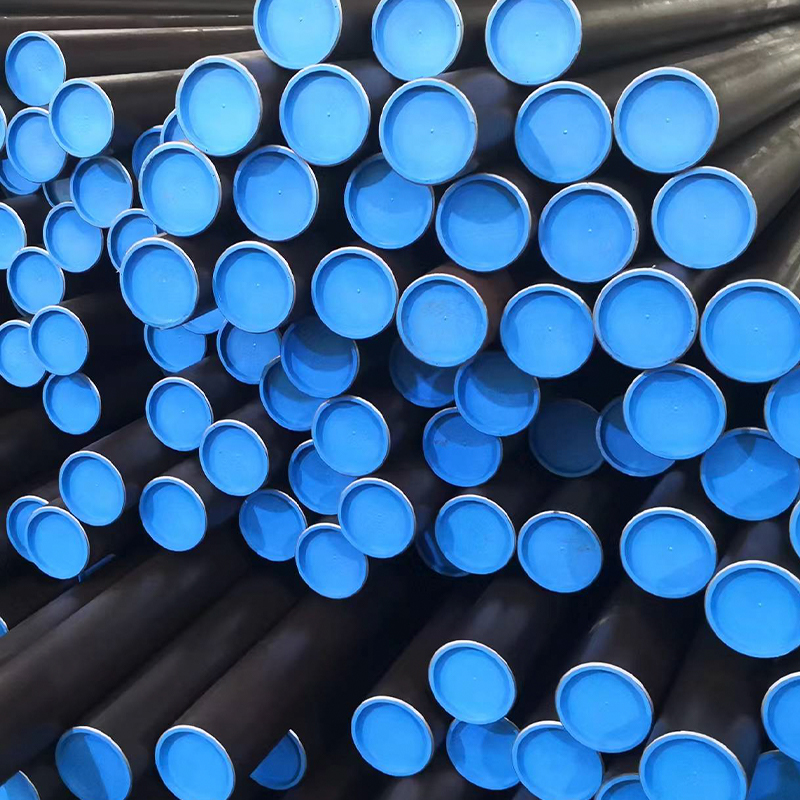 Cold-Drawn Welded EN 10305-2 E355 Cylinder TubeA welded cold-drawn E355 tube for honing or SRB, useful when medium-pressure cylinder projects compare wall uniformity, weld control, and delivered cost with seamless.View Product →
The table below is not a substitute for engineering review, but it can help frame the first conversation with a tube supplier. The best choice is the one that satisfies the cylinder duty, the bore requirement, and the production plan at the same time.
| Cylinder duty | Seamless tube fit | Welded / DOM tube fit | What to verify |
|---|---|---|---|
| High pressure or heavy shock | Preferred starting point | Possible with proven weld quality | Pressure rating, fatigue data, seam testing |
| General medium-pressure service | Excellent | Very good and often cost-effective | Bore tolerance, wall uniformity, finish |
| Seal-critical bore | Good after honing | Good with controlled DOM and honing | H8 or H9 tolerance, Ra 0.4 µm, roundness |
| Corrosive or humid environment | Preferred for added confidence | Possible with seam control and treatment | Weld treatment, coating, stainless grade |
| Large bore or long stroke | Good | Often good | Straightness, handling, wall eccentricity |
| High-volume standard cylinder | Good when duty demands it | Often the most economical route | Process capability, inspection plan, lead time |
The welded versus seamless decision becomes much simpler when you describe the cylinder by duty rather than by habit. Tell your supplier the pressure, cycle profile, bore finish, fluid, environment, machining allowance, and volume. Then ask for the construction that meets those requirements with evidence. In many projects, the answer is seamless for the toughest pressure and corrosion duties, DOM welded for well-controlled medium-pressure cylinders, and a honed bore specification in either case when seal life is critical.
If you want to compare the options against your drawing, our team can review the bore, wall, grade, and finish together. You can also read more about our quality control process to see how tube, weld, and bore requirements are checked before shipment. The goal is not to sell the most expensive tube. It is to choose the tube that keeps your cylinder sealing, running, and costing what it should.
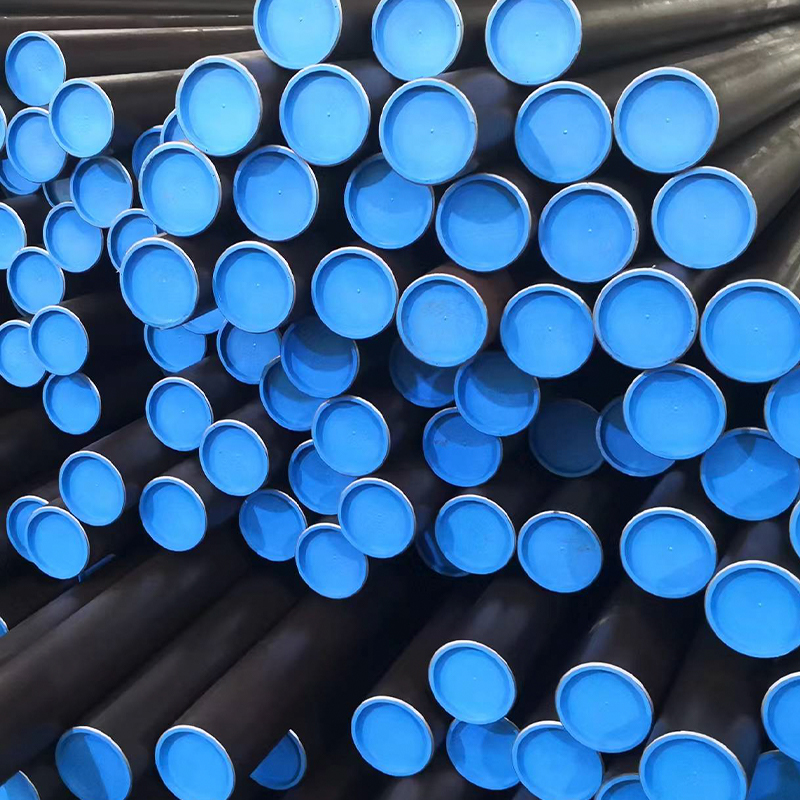
Our ASTM A519 Hydraulic Cylinder Tubes are precision-manufactured using cold dra...
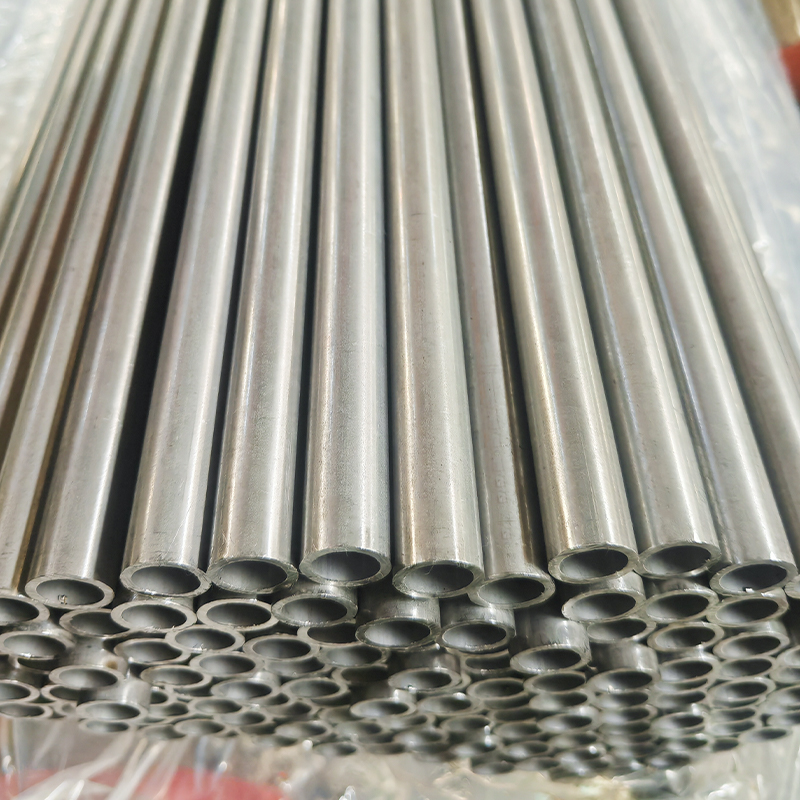
Our ASTM A519 1020 cold-drawn seamless hydraulic tubes are engineered for high-p...
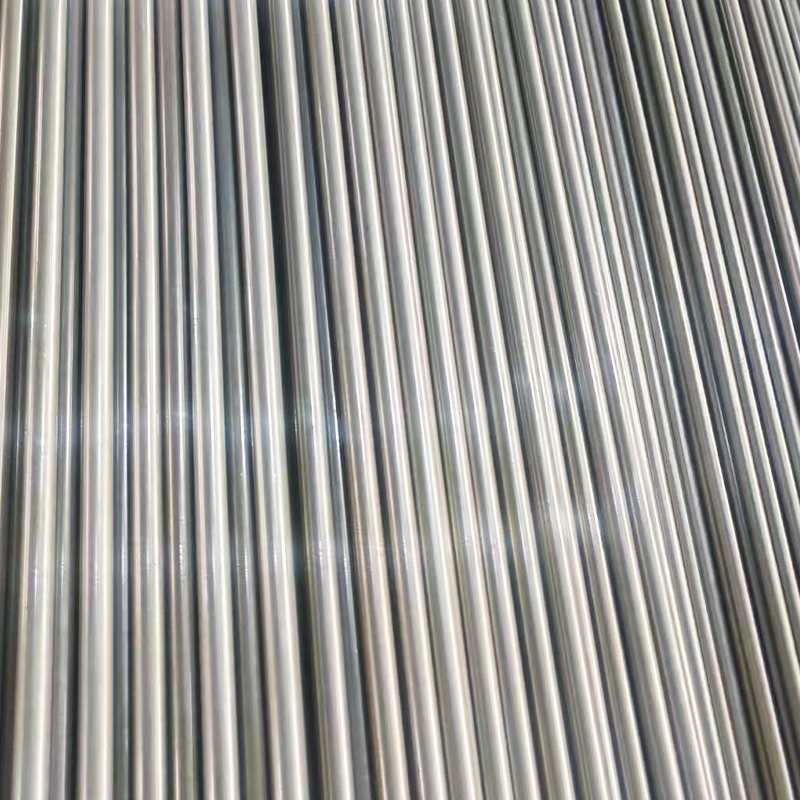
Our Welded Hydraulic Tubes are produced from cold-drawn or ERW-welded strip stee...
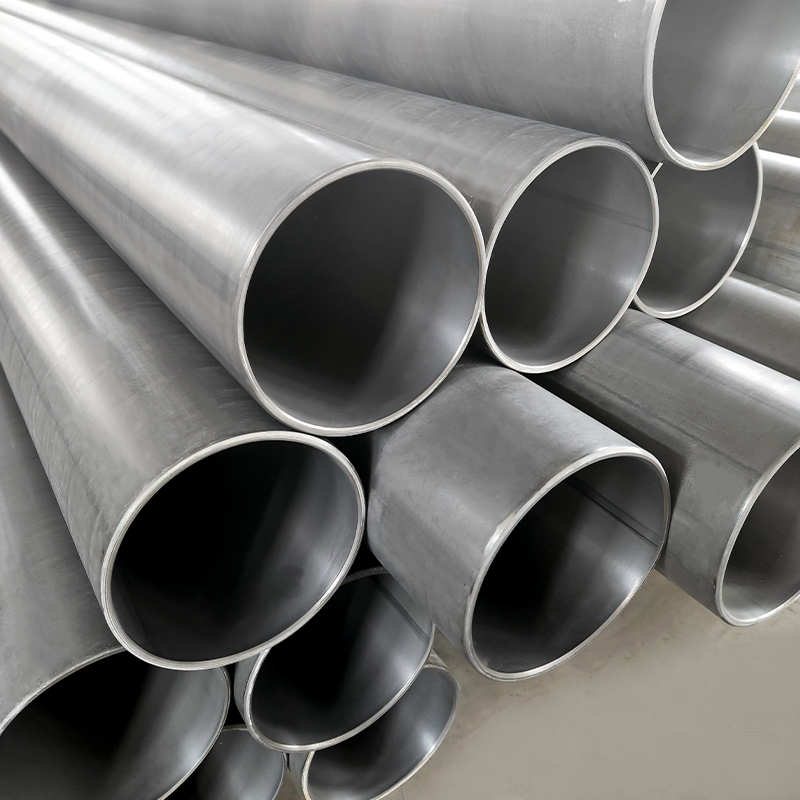
Our Hydraulic Shock Absorber Tubes are manufactured using the Cold Drawn Welded ...
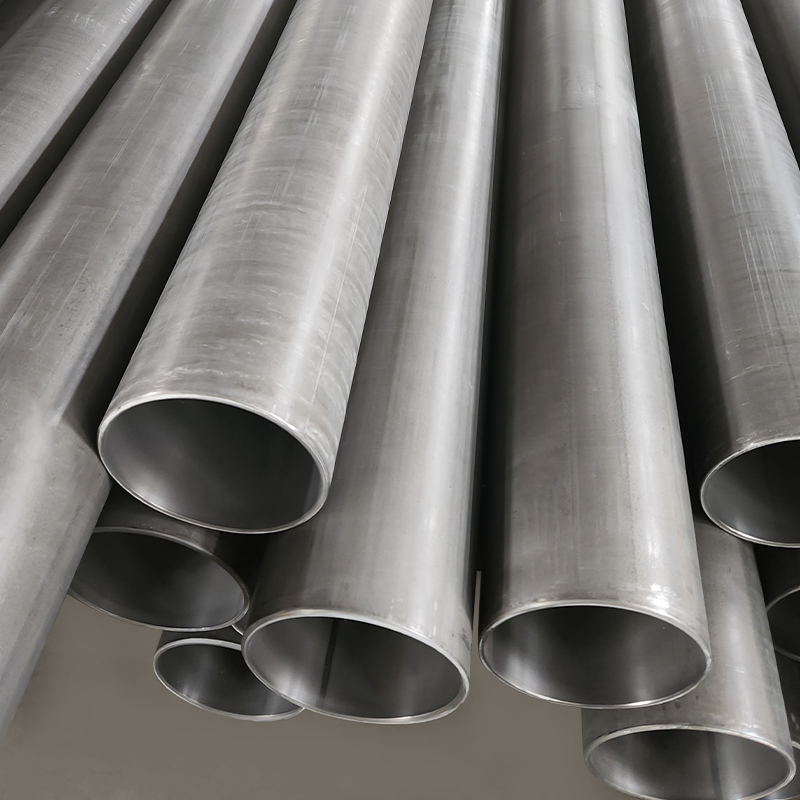
Our Hydraulic Shock Absorber Tube is manufactured to EN 10305-2 standards using
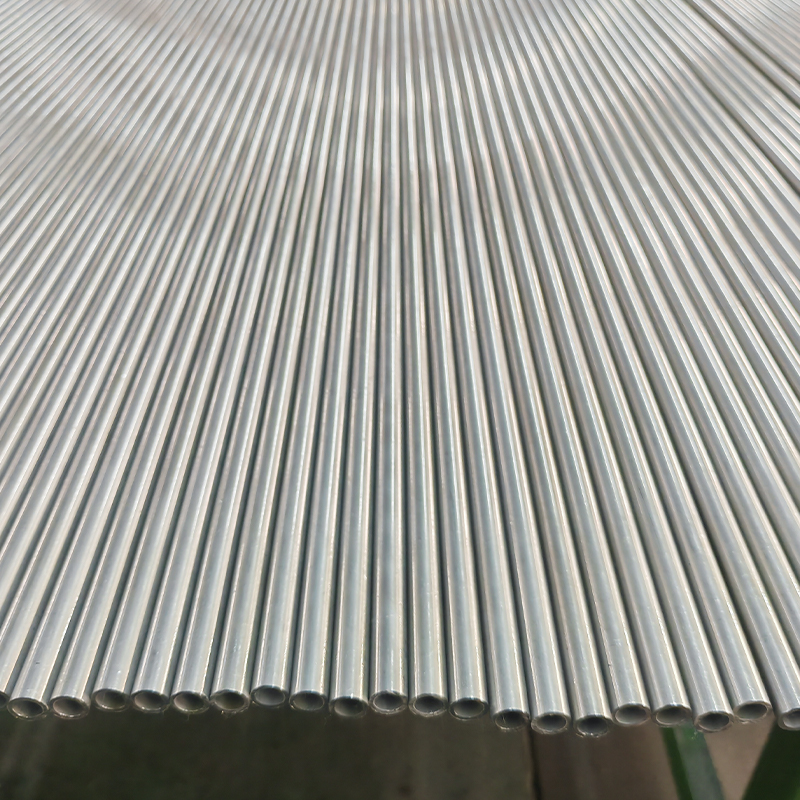
Our Hydraulic Tubes are manufactured from cold-drawn seamless steel (CDS) in com...


