
 English
 Español
 русский

Pneumatic Cylinder Tube – Stainless Steel 304/316, Polished ID for Corrosion-Resistant Applications
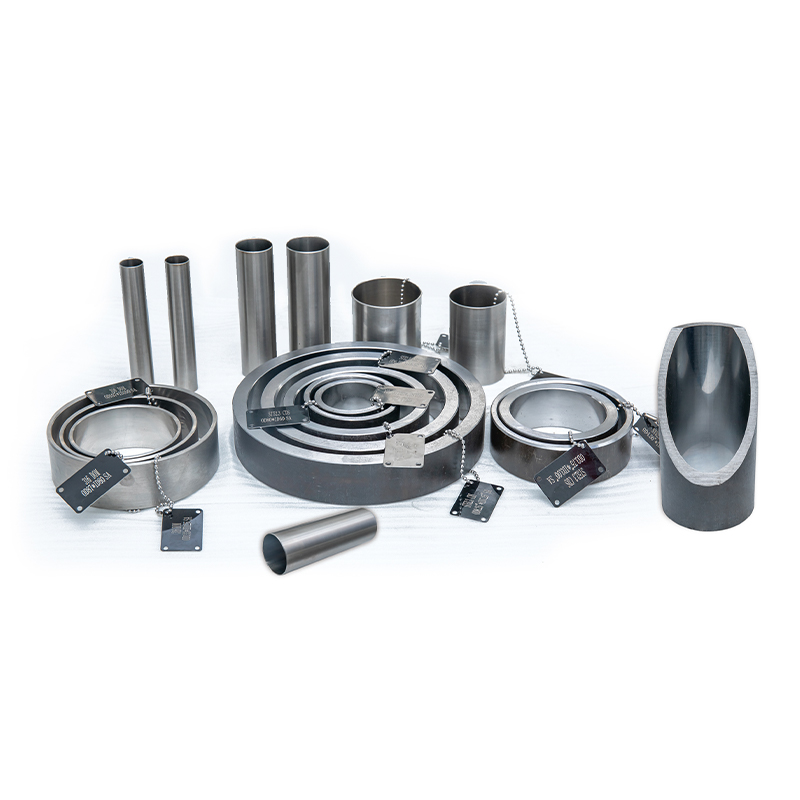
Our Stainless Steel Pneumatic Cylinder Tubes are precision-manufactured from 304...

Content
Aluminum versus steel is rarely the first question a pneumatic cylinder designer asks. Bore size, stroke, force, and seal package usually come first. But once those are fixed, the barrel material decides how the cylinder behaves in service: how much it weighs, how it handles moisture, how the inner surface wears, and how much the finished unit costs. We make both cold-drawn steel tube and aluminum pneumatic cylinder tube, so we have seen good and bad choices on both sides. The short answer is that neither material wins everywhere. The useful answer is to match the tube to the duty.
Pneumatic cylinder tube is not just a spacer. It is the pressure-containing barrel and the running surface for the piston seal. The bore must be round, straight, and consistent along the stroke. Inner diameter tolerance, surface roughness, and wall thickness all affect seal life and friction. In many cylinder designs, the tube also carries the end caps, ports, or mounting features, so the material has to suit the connection method as well as the air supply.
Typical pneumatic service is lower pressure than hydraulic service, often around 0.5 to 1.0 MPa, with some designs up to 1.6 MPa. Even at these pressures, shock loads, side loads, and poor air quality can shorten life. The tube grade and finish often matter more than the pressure rating on the catalog page. For a broader view of how carbon steel, stainless steel, and aluminum behave in this role, our material comparison is a useful companion.
Aluminum pneumatic cylinder tube is usually made from 6063-T5 extrusion and anodized on the inside. The grade is chosen for extrudability, corrosion resistance, and decent machinability. It is light—roughly one-third the density of steel—so it suits moving axes, compact machines, and multi-cylinder assemblies where weight adds up. Anodizing gives the bore a hard, smooth oxide layer that resists mild corrosion and helps the seal run cleanly when the air is dry and filtered.
Aluminum is also easy to cut, drill, and tap, and extrusion can produce near-net shapes with external profiles for sensors or mounts. Those are real advantages in standard automation. The limits appear when the duty gets rough. Aluminum has a lower modulus and lower yield strength than steel, so it deflects more under the same wall thickness. It is softer, so threads and clamp areas need care. A thin anodized layer can crack under impact or local loading, and aluminum is not the best choice for high shock, high side load, or aggressive washdown chemicals. In those cases, a thicker wall may solve the stiffness issue, but it eats into the weight advantage.
 Anodized Aluminum Pneumatic Cylinder Tube, 6063-T5 AlloyLightweight anodized 6063-T5 aluminum tube for ISO/VDMA cylinders, offering corrosion resistance and smooth piston travel in automation.View Product →
Steel tube brings stiffness, strength, and a long record in harsh service. The steel barrel handles shock and side load better than aluminum, holds threads and welded fittings well, and can be repaired or reworked in some plant maintenance situations. It is also heavier, and carbon steel needs coating or plating on exposed surfaces; cut ends and damaged chrome can rust if the cylinder sees moisture.
Carbon steel pneumatic cylinder tube is usually cold-drawn, then honed or skived and roller burnished to a precise bore. A hard-chrome plated ID is common where wear resistance and corrosion protection are needed. This construction is at home in construction equipment, rugged factory automation, and outdoor installations where impact and dirt are part of the day. It is also a practical choice when the cylinder needs welded ports or heavy end-cap threads.
Chrome-Plated ID Carbon Steel Cylinder TubeHigh-strength 45# or 4130 carbon steel tube with chrome-plated bore for wear resistance and smooth piston operation in rugged automation.View Product →
Stainless steel tube, usually 304 or 316, is the choice for food, medical, chemical, and washdown environments. It gives excellent corrosion resistance and a cleanable bore, but it costs more, machines less easily, and can gall if threaded or slid against similar stainless parts. It also has lower thermal conductivity than aluminum, which may matter in some compact machines but is rarely the deciding factor.
Polished ID 304/316 Stainless Steel Cylinder TubeCorrosion-resistant 304 or 316 stainless tube with polished bore for food, chemical, marine, and washdown pneumatic cylinder applications.View Product →The table below is not a scorecard. It is a way to compare the properties that usually decide the specification: weight, stiffness, corrosion resistance, bore finish, machining behavior, and cost.
| Consideration | Aluminum tube, 6063-T5 anodized ID | Carbon steel tube, honed or chrome-plated ID | Stainless steel tube, 304 or 316 |
|---|---|---|---|
| Weight | About one-third the density of steel | Heavy and stable | Heavy and corrosion resistant |
| Strength and stiffness | Lower modulus and yield; thicker wall may be needed | High modulus and yield; good for shock and pressure | High stiffness; good corrosion resistance |
| Corrosion resistance | Good with anodizing; check chemicals and cut edges | Needs chrome or coating; cut ends need protection | Excellent in washdown and many chemicals |
| Bore finish | Anodized and smooth; layer can chip under impact | Honed to fine roughness; chrome ID improves wear life | Polished ID; good cleanability |
| Machining and joining | Easy to cut and machine; threads wear more easily | Easy to weld and thread; repairable in some cases | Harder to machine; galling risk |
| Typical cost position | Lower for standard extrusion sizes | Moderate; finishing adds cost | Highest material and machining cost |
| Best fit | Clean air, light duty, standard automation | High load, shock, outdoor, heavy duty | Food, medical, chemical, frequent washdown |
For clean, dry, indoor automation with standard strokes, aluminum 6063-T5 with an anodized ID is often the most efficient choice. It keeps moving mass low, machines quickly, and gives good corrosion resistance as long as the air is filtered and the load is moderate.
For high load, shock, side load, outdoor service, or rough handling, carbon steel with a honed or chrome-plated ID is usually the safer bet. It resists deflection, holds threads and welded fittings, and gives the designer more room to work with higher pressure or greater safety margins. Stainless steel becomes attractive when the cylinder must survive cleaning chemicals, food contact, or a wet environment without paint or plating.
The best choice often comes down to the cost of the whole system, not the tube price per meter. A light aluminum barrel can reduce bearing load and shipping weight. A steel barrel can simplify threads and repairs. A stainless barrel can remove a paint or plating step and survive cleaning chemicals. Those system effects are why a simple material ranking is misleading. When we review a cylinder tube drawing, our inspection and quality control route focuses on the features that actually affect assembly and seal life.
Two aluminum tubes can behave very differently. So can two steel tubes. Ask for bore tolerance, roundness, straightness, wall thickness, and surface roughness. For aluminum, ask about anodized layer thickness, hardness, and whether the anodizing is inside only or inside and out. For carbon steel, ask about chrome thickness, adhesion, and corrosion protection at cut ends. For stainless steel, ask about grade, finish, and evidence of passivation if the application is cleanable. A tube that is H8 with Ra 0.4 is a different product from a commercial tube with a nominal bore.
Air quality also matters. Water, oil carryover, and particles attack the bore and seals. A fine tube cannot compensate for a wet compressor and a poor filter. If the cylinder runs in a dirty plant, a chrome-plated steel ID or a well-anodized aluminum ID may last longer, but the air treatment still has to be right.
There is no single winner in the aluminum vs steel pneumatic cylinder tube decision. Aluminum gives you low weight, clean extrusion, good corrosion resistance, and efficient standard sizes. Steel gives you stiffness, shock resistance, repairability, and a broad choice of carbon or stainless grades. The right answer depends on load, environment, seal system, connection method, and the cost of the whole assembly. If you share the bore, stroke, load, air quality, and cleaning regime, our team can help narrow the tube specification before the first drawing is released.

Our Stainless Steel Pneumatic Cylinder Tubes are precision-manufactured from 304...
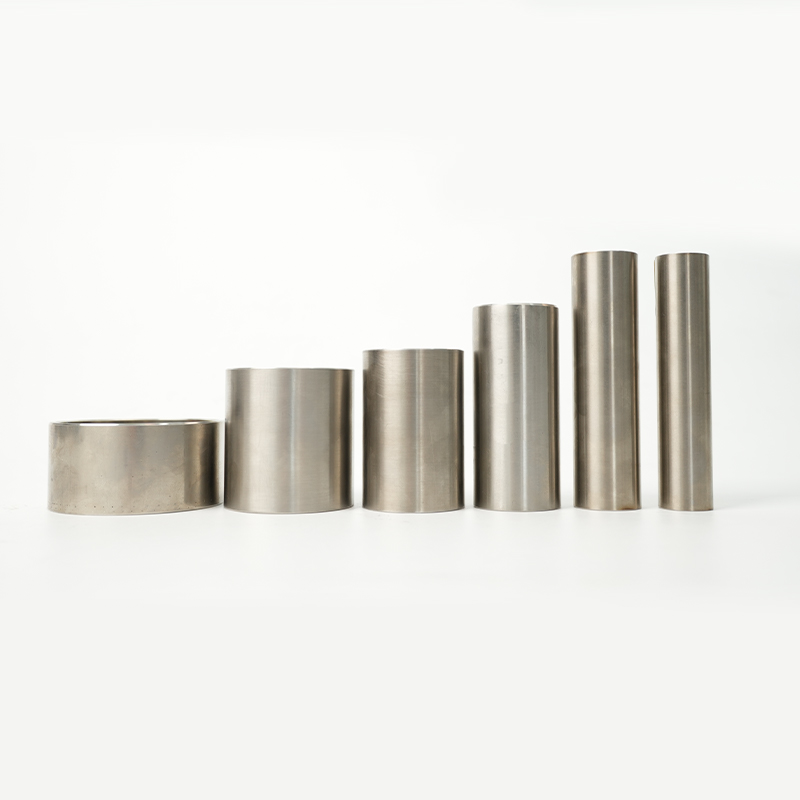
Our Aluminum Alloy 6063-T5 Pneumatic Cylinder Tubes are precision-engineered for...
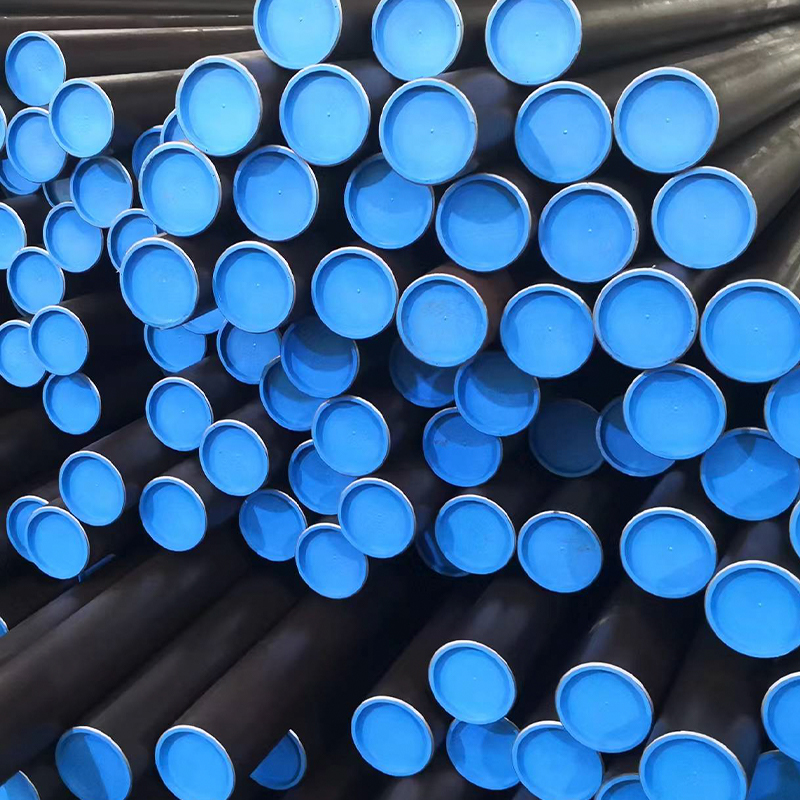
Our ASTM A519 Hydraulic Cylinder Tubes are precision-manufactured using cold dra...
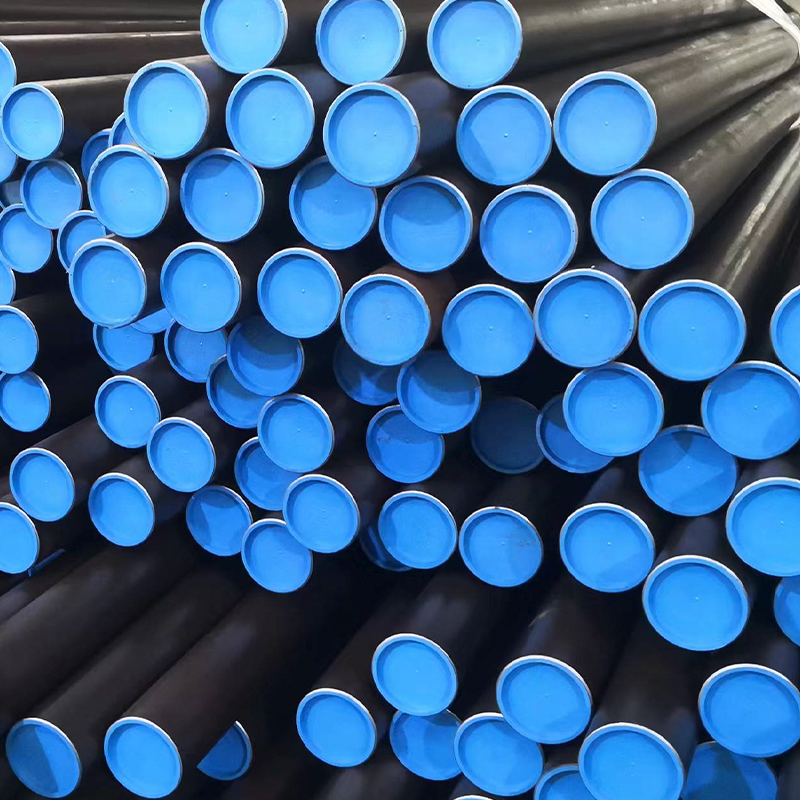
Our Honed and Skived & Roller Burnished (SRB) Tubes – ASTM A519 are precisio...
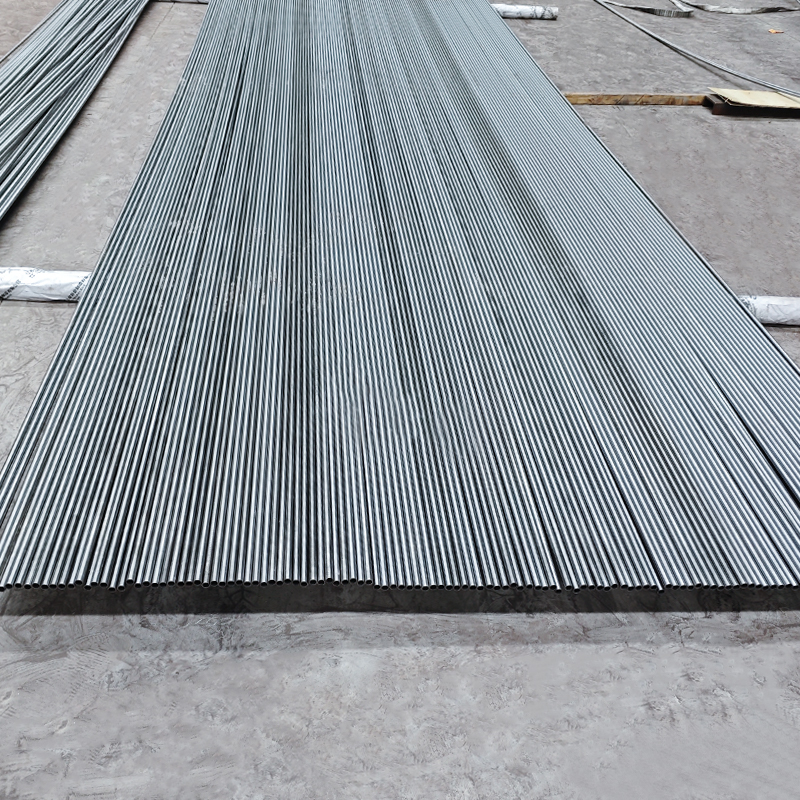
Our Carbon Steel Heat Exchanger Tubes are designed for use in low- to medium-tem...
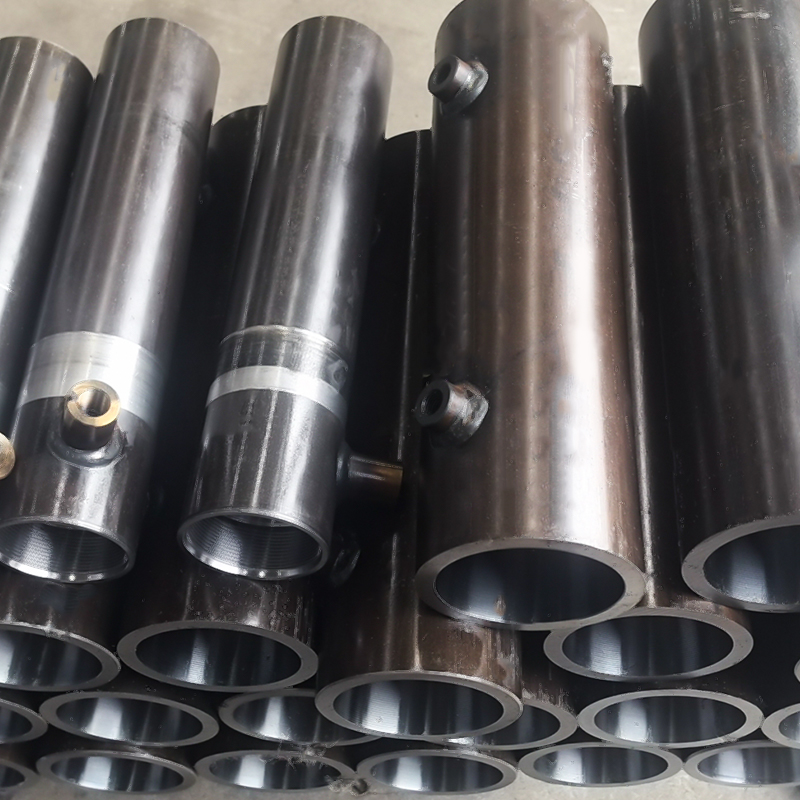
Our Finished Hydraulic Cylinder Barrels are precision-machined, honed steel tube...


