
 English
 Español
 русский

ASTM A513 Type 2 Cold-Rolled Tube – Grade 1010, 1” x 0.065” DOM Finish for Automotive Components
Cold-Rolled Steel Tube – ASTM A513 Type 2 Grades 1010, 1015, 1020, 1026 (1” x 0....

Content
Two tubes can carry the same ASTM A513 stencil and still behave nothing alike once they reach your saw, your bender or your lathe. Type 1 and Type 5 sit at opposite ends of one specification: Type 1 is welded and shipped, while Type 5 is welded and then cold drawn over a mandrel. That single extra step changes tolerances, surface condition, strength and price.
We have run both routes through our own cold-drawing lines for years, and the questions from customers are remarkably consistent. When is the drawing step worth paying for, and when is it simply precision that nobody measures? This article walks through the differences in the order they usually matter on a real order.
ASTM A513 is the specification for electric-resistance-welded carbon and alloy steel mechanical tubing. It covers round, square, rectangular and special shapes, and it sorts production routes into six types. Type 1 and Type 5 are the two that appear most often on purchase orders, and they are also the two most frequently confused.
Because both share one specification, the chemistry ranges, test methods and marking rules overlap considerably. The real differences live in how the tube is made and, therefore, what the mill is permitted to deliver at the dock.
Type 1 is the starting point of the family. Strip is formed into a tube, ERW welded, sized, straightened and cut. Nothing is drawn afterwards, so the tube you receive is essentially the tube that left the welder.
What you get is an economical tube with visible weld flash on the inside diameter and a seam on the outside. Diameter and wall tolerances follow the wider as-welded values in the specification, and the weld seam plus its heat-affected zone stay as they left the welder unless a separate heat treatment is agreed.
Formability is the strong point. Type 1 bends, flattens and welds readily, which is why it dominates structural frames, conveyor rollers, racking and general fabrication where the tube is joined rather than machined.
Type 5 begins exactly where Type 1 ends: with a welded tube. Then the tube is cold drawn over a mandrel, a pass that reduces the outside diameter, controls the wall and irons the inside surface at the same time. The drawing removes the internal weld flash, works the seam flatter and leaves a far more concentric tube.
The practical result is a DOM tube with tighter OD, ID and wall tolerances, better straightness and a smoother surface. Cold work also lifts yield and tensile strength, which helps in pressure and load-bearing duty but can reduce ductility if the part later needs severe forming.
Two cautions are worth repeating. Drawing leaves residual stress, so for tight-radius bending or heavy machining an annealed or stress-relieved condition may need to be specified. And the weld seam is flattened, not erased — a faint line often remains visible on the inside diameter.
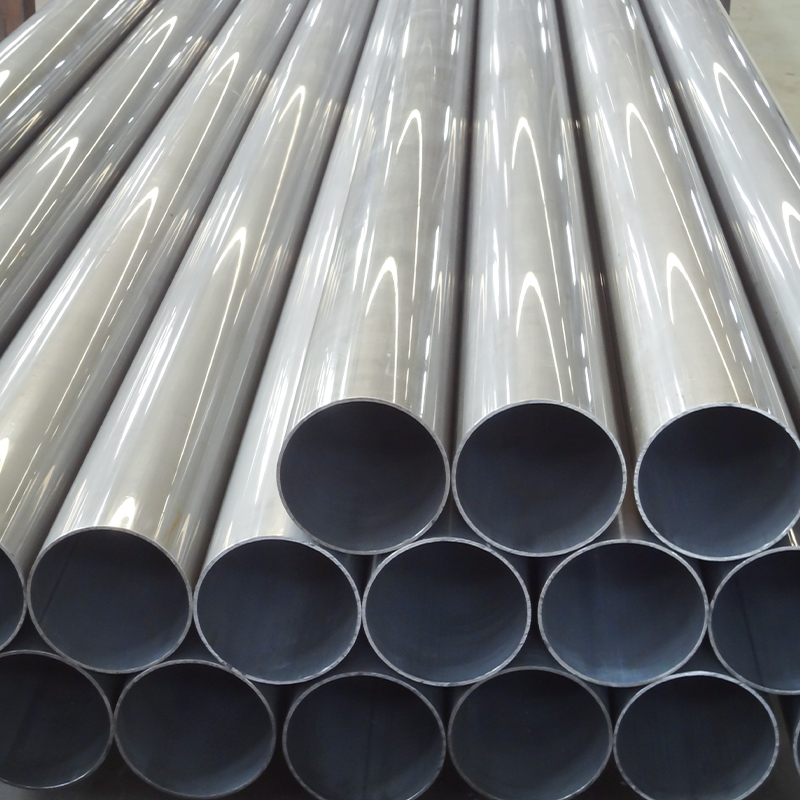 Cold Drawn Welded Steel Tube to DIN 2393 and ASTM A513High-precision welded tube in ST37-2 and ST52-3, with tight tolerances and machinable surface; compare grades and processing cautions before specifying.View Product →
The table below condenses the differences we discuss most often with engineers and buyers. Treat it as a starting point for a specification conversation rather than a substitute for the standard itself.
| Feature | Type 1 (ERW, as-welded) | Type 5 (mandrel drawn, DOM) |
|---|---|---|
| Production route | Hot-rolled strip, ERW welded, sized and cut | ERW welded, then cold drawn over a mandrel |
| Weld seam | OD seam and ID flash left in place | ID flash removed, seam flattened by drawing |
| Dimensional tolerance | Wider as-welded values | Tighter OD, ID and wall tolerance |
| Concentricity and wall uniformity | Acceptable, but more variation | Clearly improved by the drawing pass |
| Surface condition | Mill scale (1a) or pickled and oiled (1b) | Smoother, brighter, usually oiled |
| Strength | As-welded base condition | Higher yield from cold work unless annealed |
| Formability | Excellent for bending and flattening | Limited; tight bends may need annealing |
| Machinability | Workable, seam can interrupt fine cuts | Better, more uniform wall and roundness |
| Relative price | Cost baseline | Meaningful premium per ton or per length |
| Typical use | Frames, rollers, racking, general fabrication | Cylinder barrels, shock absorbers, drive shafts |
Chemistry rarely decides the argument. Both types are commonly supplied in grades such as 1008, 1010, 1020 or 1026, and the specification permits a similar range either way. What changes is condition: an as-drawn Type 5 tube usually shows higher yield and tensile values than the same grade left as-welded, while an annealed Type 5 gives much of that strength back in exchange for ductility.
Tolerance is where the money hides. On a cylinder barrel, ID roundness and wall uniformity directly control seal life and leakage. On a conveyor roller, OD and straightness control runout and noise. If your drawing tolerates the wider window, paying for DOM precision is waste; if your bore is honed to a mirror finish, starting with an eccentric as-welded tube simply moves the cost downstream into scrap.
Type 1 suits work where the tube is formed, welded or bolted rather than bored. Typical duties include structural frames, racking, general fabrication, low-pressure lines and roller bodies where runout is not critical.
Type 5 earns its premium wherever the inside diameter is a functional surface: hydraulic and pneumatic cylinder barrels, shock absorber bodies, drive shafts, and the base tube that later gets honed or skived. In these parts, tighter wall and concentricity reduce machining allowance and cut rejects.
For cylinder work specifically, our hydraulic cylinder tube overview explains how the base tube condition feeds into honing, skiving and final assembly tolerances.
 Hydraulic Cylinder Tube in ASTM A513 ST52 Cold Drawn Welded SteelDOM tube for hydraulic and pneumatic cylinder bores, offering honing-ready ID finish and straightness as a cost-effective alternative to seamless tube.View Product →
Type 5 always carries a premium, and it should. The extra draw, the handling between passes and the tighter inspection all cost money. The honest question is not which type is cheaper per kilogram, but whether the tighter tube removes enough machining, scrap and rework to pay for itself. On a honed cylinder barrel the answer is usually yes; on a welded gate frame it is almost never.
Our earlier breakdown of the mechanical and cost trade-offs between Type 1 and Type 5 digs into that arithmetic with worked examples.
Before you release a purchase order, these are the details that decide whether the tube arriving matches the tube you designed around:
Get those seven answers in writing and most disputes disappear before the first truck leaves.
 Honed and SRB Welded Tube for Hydraulic Cylinder BarrelsCold-drawn welded tube with honed or SRB mirror ID, H8 precision and tight straightness for medium-pressure cylinder barrels needing reliable seal life.View Product →
In short, Type 1 and Type 5 are not competitors so much as two points on a cost-versus-precision curve. Type 1 gives you a weldable, formable, economical tube with a live weld seam and wider tolerances. Type 5 spends one extra drawing pass to buy concentricity, a clean bore and higher as-drawn strength.
Match the type to the function of the surface that actually matters, confirm the condition and tolerance class in writing, and the choice usually makes itself. If you are still weighing it for a specific barrel, shaft or roller, send us the drawing and the duty cycle; we are glad to say plainly which route we would run and why.
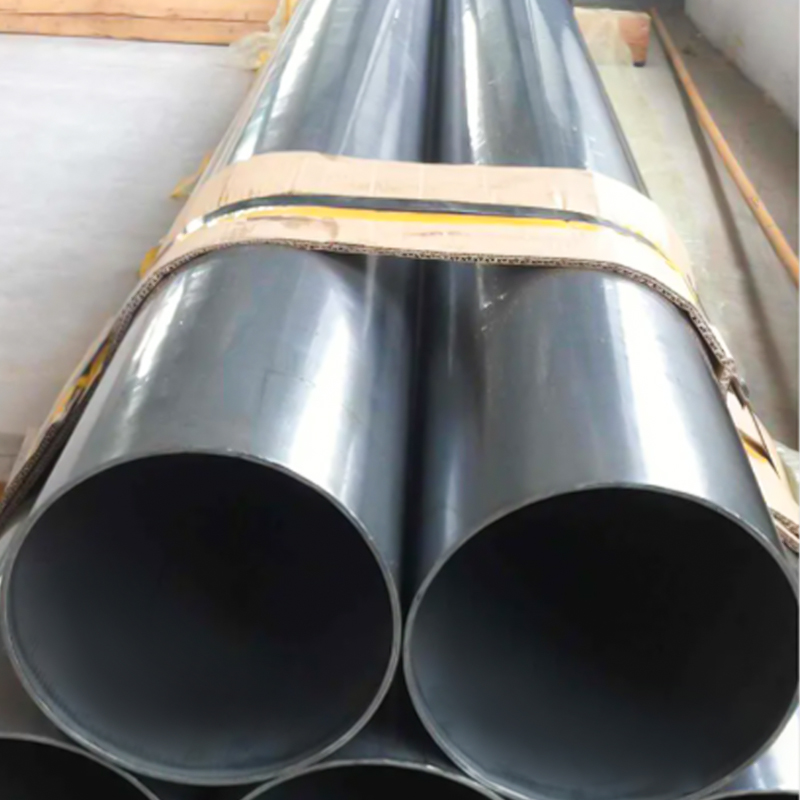
Cold-Rolled Steel Tube – ASTM A513 Type 2 Grades 1010, 1015, 1020, 1026 (1” x 0....
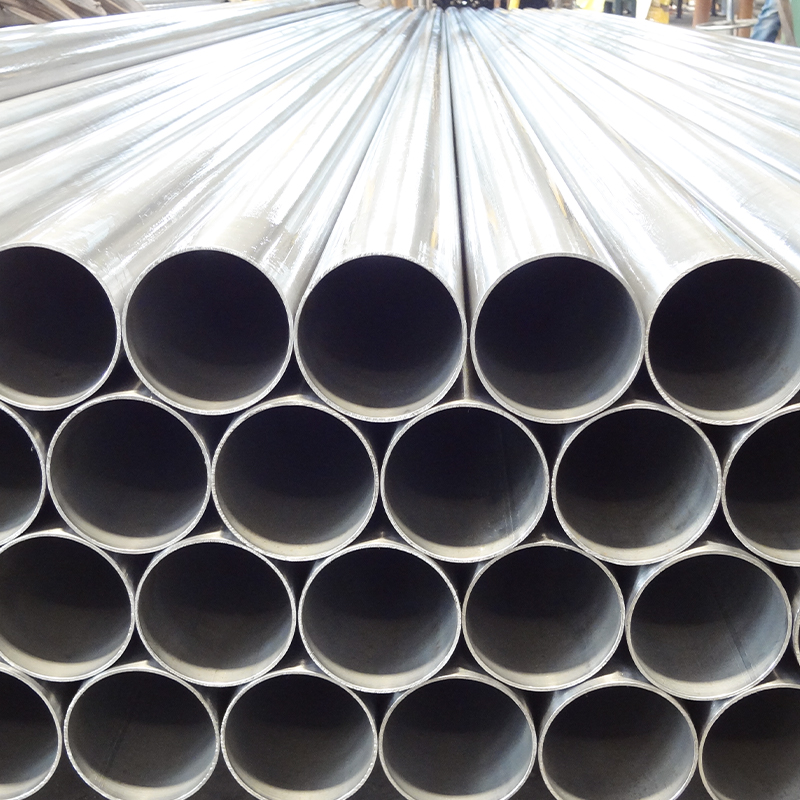
ASTM A513/A519 Precision Drive Shaft Tubing – 1026, 1020, 1015, 4130 (7 x 0.120 ...
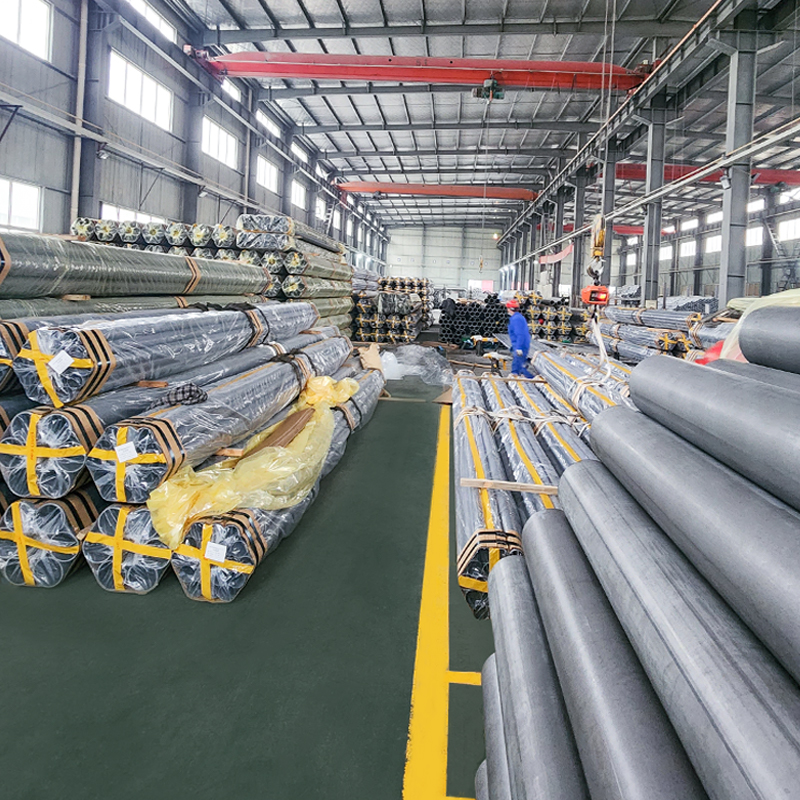
ASTM A513 Grade 1010 Precision Gravity Conveyor Roller Tubing – 2 in x 0.065 in
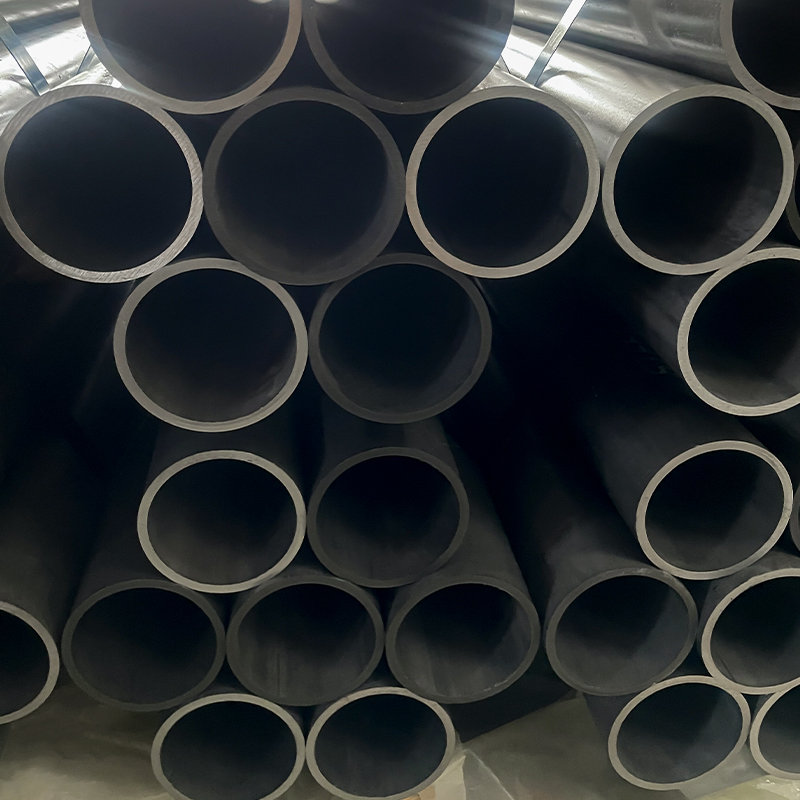
ASTM A519 Grade 4130 Geotechnical Drill Pipe – Ø89 mm x 6 mm for Soil Sampling
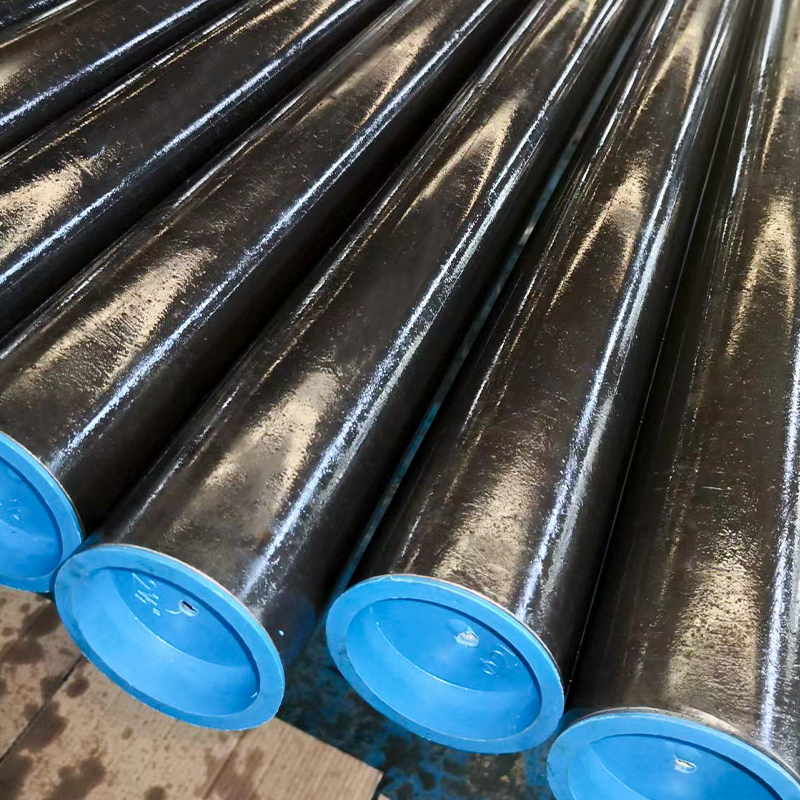
Our Hydraulic Cylinder Tubes – ASTM A513 ST52 Cold Drawn Welded (CDW) are engine...
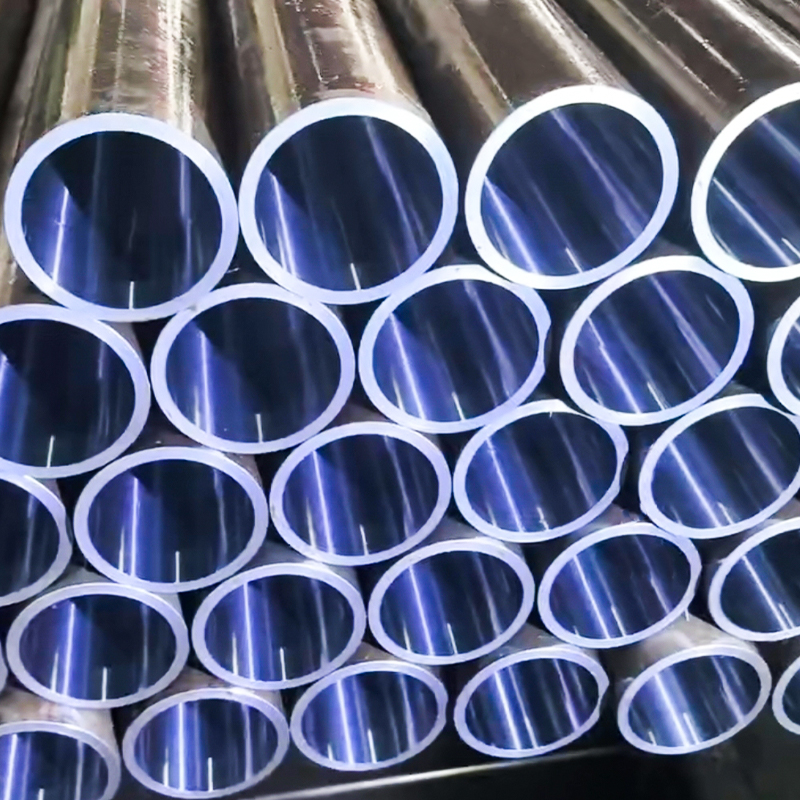
Our ASTM A513 Cold Drawn Welded (CDW) Honed & SRB Tubes are precision-


