
 English
 Español
 русский

ASTM A513 Type 2 Cold-Rolled Tube – Grade 1010, 1” x 0.065” DOM Finish for Automotive Components
Cold-Rolled Steel Tube – ASTM A513 Type 2 Grades 1010, 1015, 1020, 1026 (1” x 0....

Content
Cold rolled tube has a quiet reputation in automotive manufacturing. It rarely appears on a spec sheet as a headline feature, yet it shapes how consistently a shock absorber, a drive shaft, a seat frame, or a hydraulic line performs on the road. For buyers and engineers, the question is rarely “cold rolled or not?” It is whether the tube’s grade, weld seam, dimensional discipline, and surface condition match the component’s duty cycle.
At HL Tube, we spend our days turning strip and tube into parts that have to fit, move, and last. This guide shares what we look for when cold rolled tube is specified for automotive components, where it fits best, and how to keep a program from stumbling over tolerances or surface finish.
Cold rolled tube begins as steel strip, is formed and welded into a tube, then cold rolled to reduce the wall, improve concentricity, and refine the surface. The process tightens dimensional consistency and gives a smoother finish than a hot-finished tube. For automotive components, that matters because many parts are formed, bent, swaged, welded, or machined in high-volume cells where small variations multiply.
Two standards come up often: ASTM A513 Type 2 Grade 1010 and EN 10305-3 E235. Grade 1010 offers low-carbon weldability and formability for brackets, shock absorber bodies, and light structural parts. E235 is a common precision welded cold rolled tube grade for mechanical and automotive applications where strength, bendability, and a clean surface are needed. Neither grade is a magic answer; the wall thickness, weld seam quality, and downstream process decide whether the tube behaves.
 ASTM A513 Type 2 Cold-Rolled DOM Steel TubePrecision welded DOM tube in grade 1010 and related low-carbon grades offers consistent OD/ID and formability for brackets, shock absorber bodies, and light structural parts.View Product →
The practical benefits are straightforward: uniform wall, good ovality control, a surface that takes coating well, and a weld seam that can be controlled through subsequent forming. The limits are equally real. Cold rolled tube is not a substitute for a seamless or cold drawn tube in every high-pressure hydraulic application. It is a strong fit when the part needs consistent OD/ID, thin walls, and efficient high-volume forming.
Automotive components use tubing in places that are sometimes structural, sometimes fluid-carrying, and sometimes both. Cold rolled tube tends to earn its place where the part needs a clean surface, repeatable dimensions, and a cost-effective welded construction.
Shock absorber bodies and damper cylinders ask for straightness, ovality control, and an inner surface that will not tear a seal. A cold rolled steel tube such as 50 x 1 mm can be a practical starting point, but the real specification should include ID tolerance, surface roughness, weld seam condition, and corrosion protection. A tube that measures well on the bench but has a rough weld seam can still cause seal wear in service.
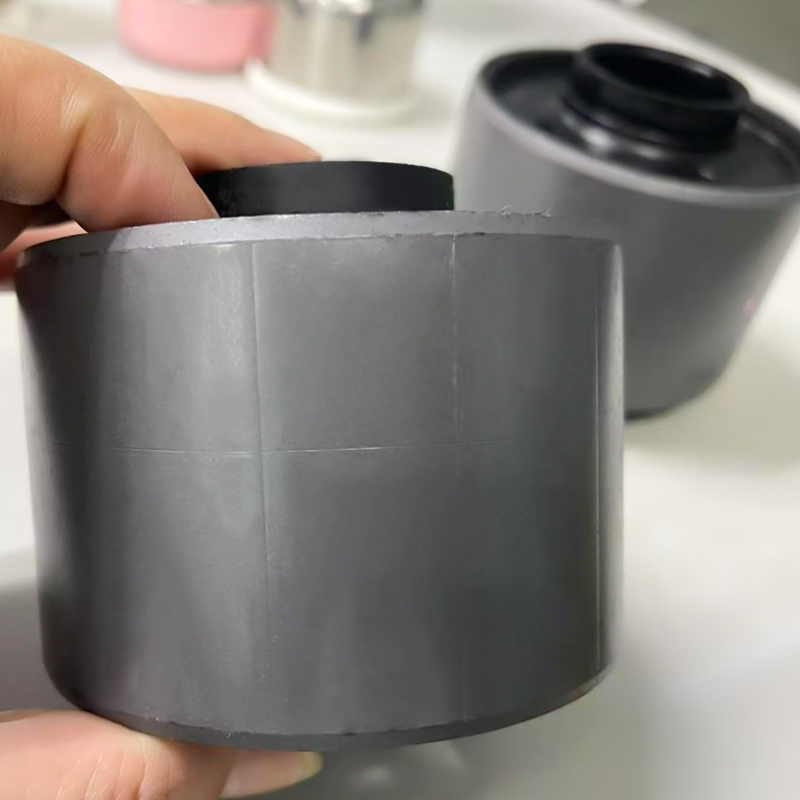 Cold-Rolled Shock Absorber Cylinder Tube with Polished IDPolished-ID cylinder tube in Ø50 x 1.5 mm supports smooth piston travel and sealing; match ID tolerance, surface roughness, and weld seam to damper requirements.View Product →
We often remind buyers that the shock absorber tube is only one part of the damper system. The oil, seal, rod finish, and crimping process all interact. A tube that is “in tolerance” but not matched to the seal compound may still fail validation. That is why we prefer to see the drawing and the application, not just a tube size. For a broader view of damper tube construction, our automotive shock absorber tube page is a useful starting point.
Drive shafts, steering columns, seat frames, roof bows, and cross members often use welded mechanical tubing because it can be cut, bent, and welded into assemblies at volume. In these applications, cold rolled tube supplies a clean surface for painting or e-coating and a consistent wall for swaging or spline forming. Where torque and fatigue demand higher strength, a cold drawn or DOM tube may be the better choice, and a supplier should say so rather than force one process into every part.
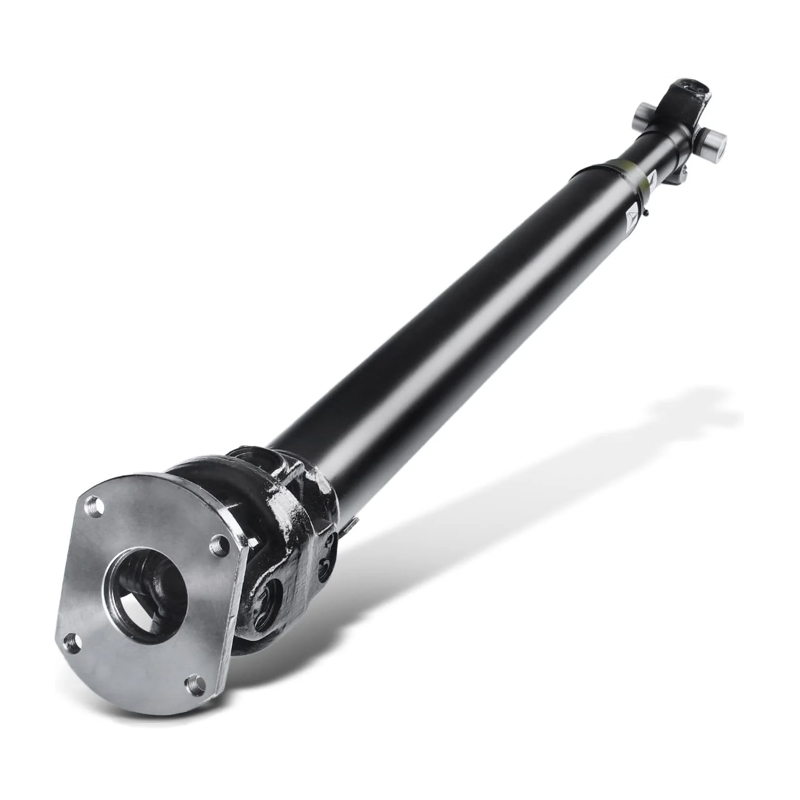 ASTM A513/A519 Precision Drive Shaft TubingHigh-strength welded/DOM or seamless tube for torque-transmitting drive shafts, available in carbon and 4130 grades with tight tolerances and smooth finish.View Product →
For driveline work, our team can discuss drive shaft tube options across ASTM A513/A519 and EN 10305-2 grades when the load case calls for more than a standard cold rolled tube.
A cold rolled tube specification should be built around the component, not copied from a previous program. Four inputs matter most: the forming process, the load and fatigue cycle, the corrosion exposure, and the assembly method. A tube that will be bent on a rotary draw bender needs different formability than a tube that will be machined on a CNC line.
| Grade / standard | Typical character | Common automotive use | What to confirm |
|---|---|---|---|
| ASTM A513 Type 2 Grade 1010 | Low-carbon welded cold rolled tube; good formability and weldability | Shock absorber bodies, brackets, seat frames, general mechanical tube | Weld seam, ovality, ID finish, coating |
| EN 10305-3 E235 | Precision welded cold rolled tube; balanced strength and formability | Structural tubes, suspension links, mechanical assemblies | Chemical composition, tolerance class, surface condition |
| EN 10305-2 E235 / E355 | Cold drawn welded tube for closer tolerances and higher strength | Hydraulic cylinders, steering, driveline | ID/OD tolerance, straightness, residual stress |
| ASTM A519 1020 / 1026 | Seamless or DOM options where through-hardening or higher strength is needed | Drive shafts, steering, load-bearing parts | Machinability, heat treatment, fatigue data |
The table is not a shopping list. It is a reminder that “cold rolled tube” describes a family of processes and grades, not one interchangeable item. A 1010 tube and an E355 tube can share a nominal size and still behave very differently after bending, welding, or heat exposure.
In automotive programs, the tube often fails not because the grade is wrong but because a secondary characteristic was left loose. We look at:
These points are not paperwork for its own sake. They are the difference between a tube that runs smoothly in a customer’s cell and one that creates scrap, rework, or a line stoppage. Automotive buyers tend to value a supplier who can explain the risk in plain language and propose a workable tolerance, not one who simply quotes the lowest number.
Good sourcing starts with a drawing and an honest conversation about volume, process, and validation. We ask for the component drawing, steel grade or equivalent, OD/ID/wall, length, tolerance, surface finish, end-use environment, annual volume, and whether the tube will be bent, welded, machined, or coated. If the answer is “we are not sure,” that is fine; it is better to settle it before the first coil is cut.
We also prefer to agree on the inspection plan early: material certificate, dimensional report, surface condition, weld seam check, and any coating or oiling requirement. A supplier that can explain why a tolerance is tight, and what happens if it drifts, is more useful to an automotive program than a catalogue with a long list of grades.
Cold rolled tube is a capable material for automotive components when the application respects its strengths: consistent dimensions, good surface, efficient welding, and formability at volume. It is not the right answer for every pressure or fatigue case, and a good tube supplier should be willing to say so. If you are weighing cold rolled tube against cold drawn, DOM, or seamless options, send us the drawing and the duty cycle. We will help you narrow the specification to a tube that fits the part, not just the purchase order.
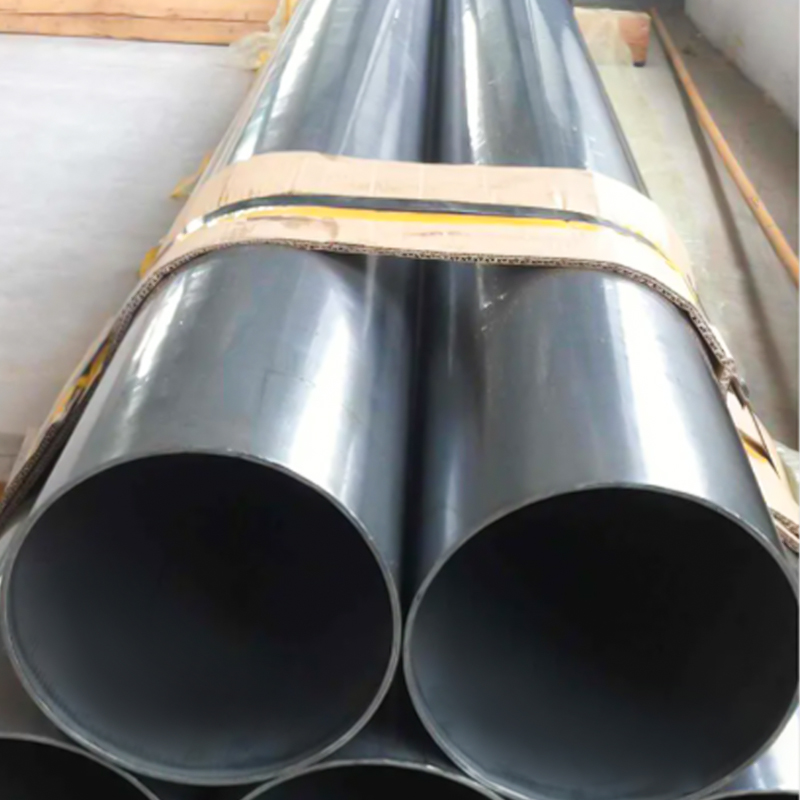
Cold-Rolled Steel Tube – ASTM A513 Type 2 Grades 1010, 1015, 1020, 1026 (1” x 0....
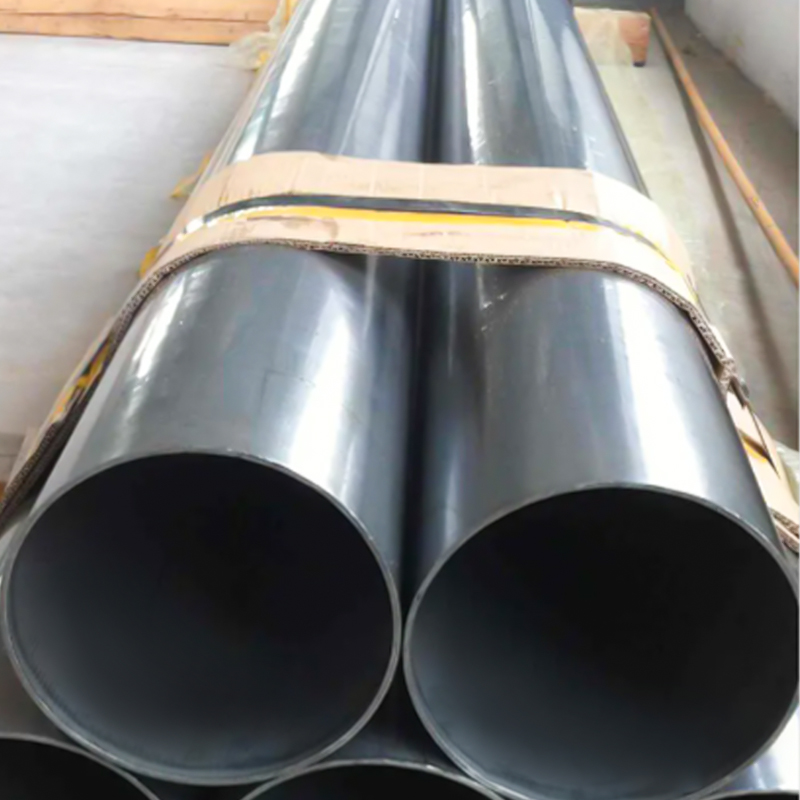
OverviewDiscover our Cold-Rolled Steel Precision Tubes, engineered to EN 10305-3...
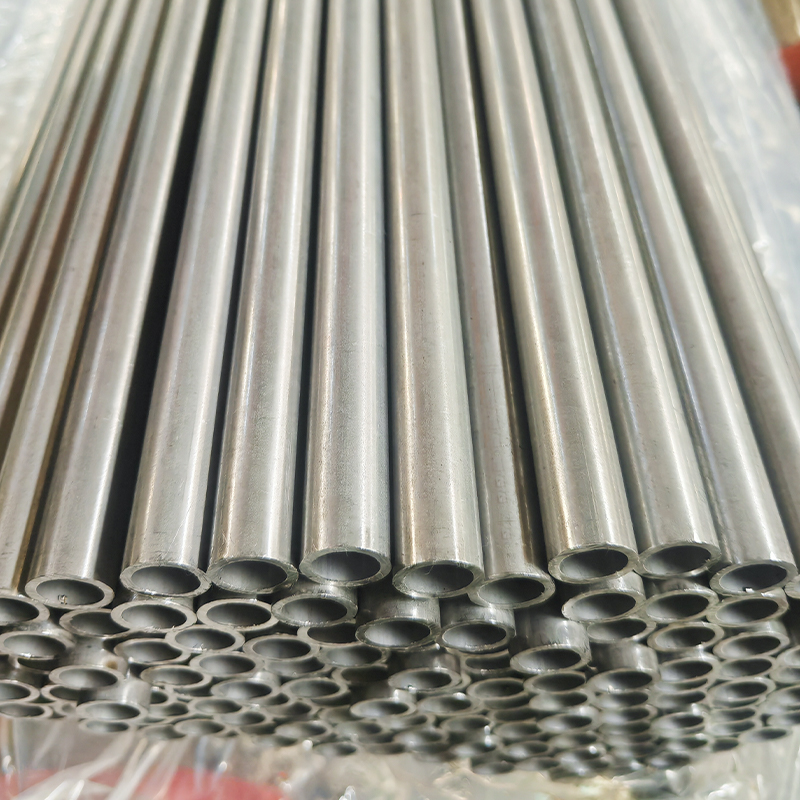
Our ASTM A519 1020 cold-drawn seamless hydraulic tubes are engineered for high-p...
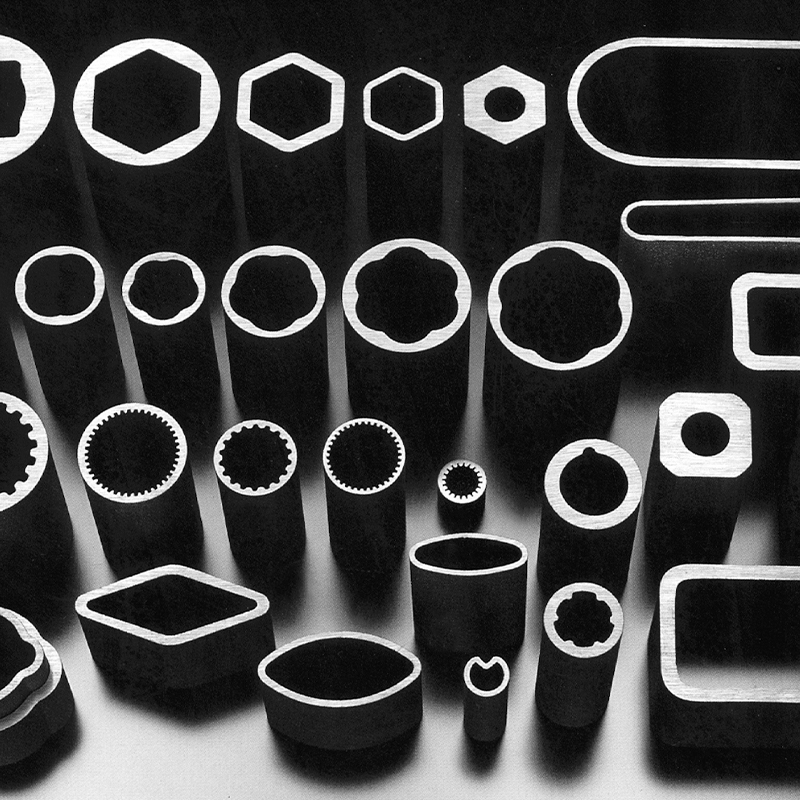
Our Special Shaped Steel Pipes are designed for applications requiring custom pr...
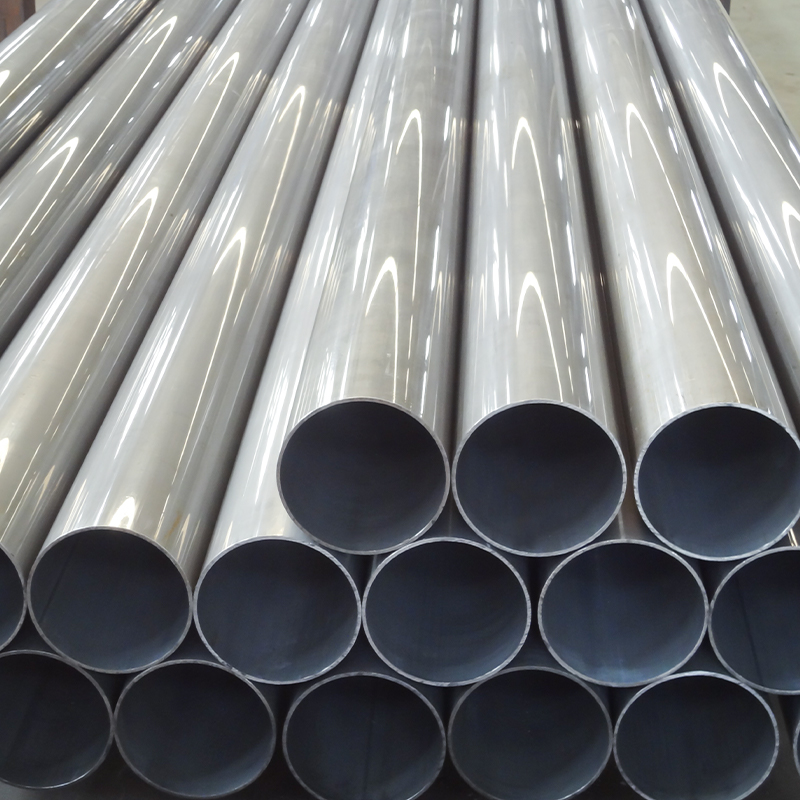
Cold Drawn Welded Steel Tube (CDW) – DIN 2393 | ASTM A513 (ST37-2, ST52-3)High-P...
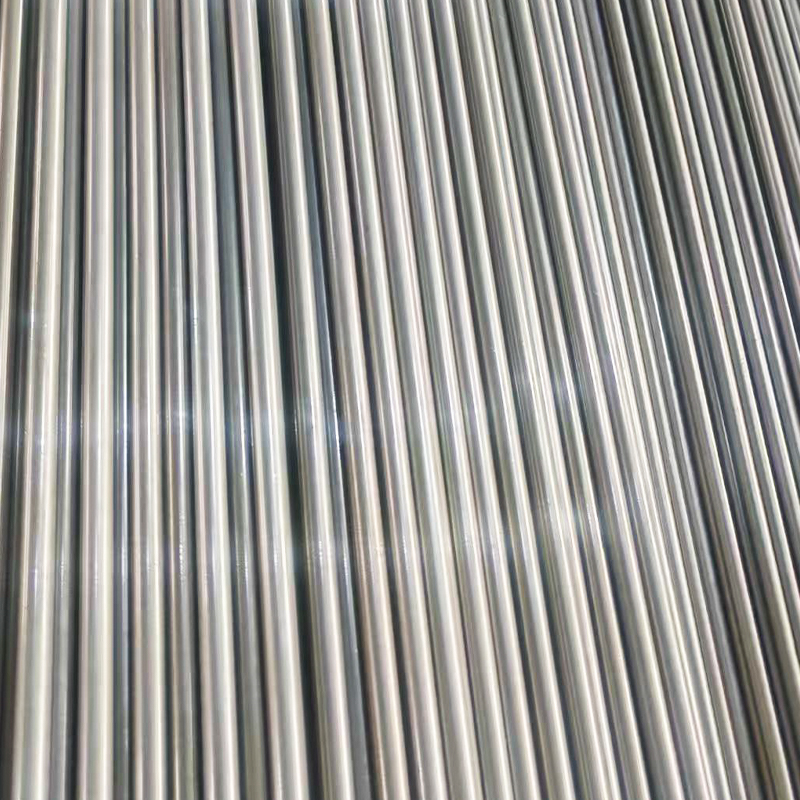
Our Welded Hydraulic Tubes are produced from cold-drawn or ERW-welded strip stee...


