
 English
 Español
 русский
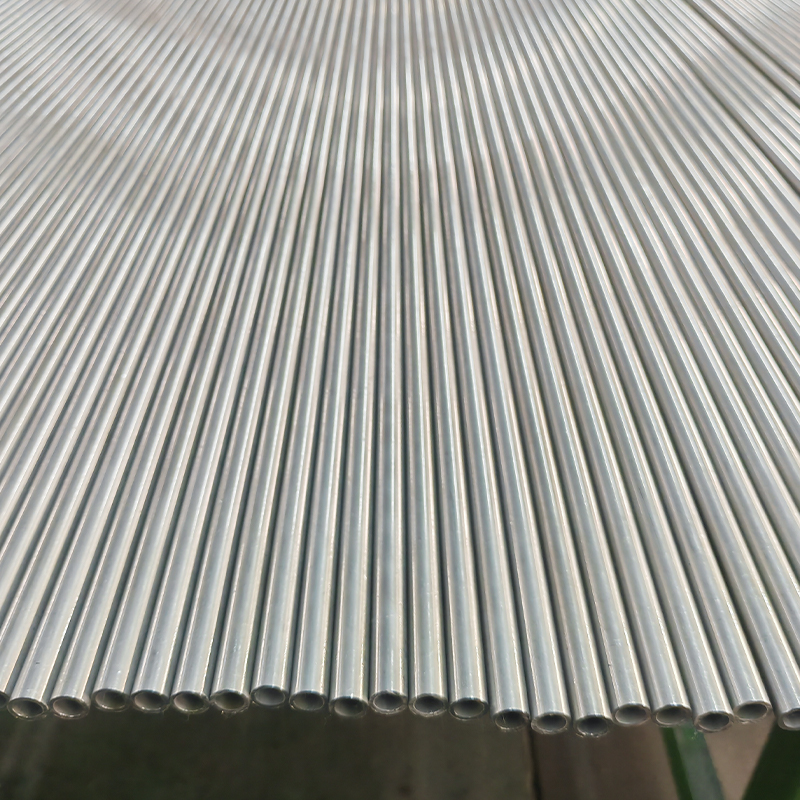
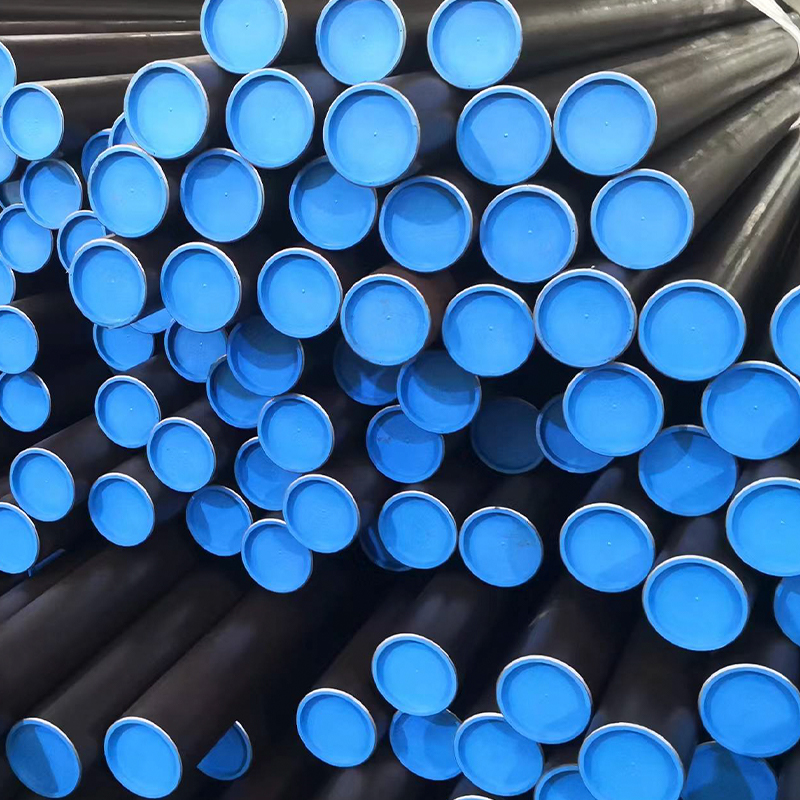
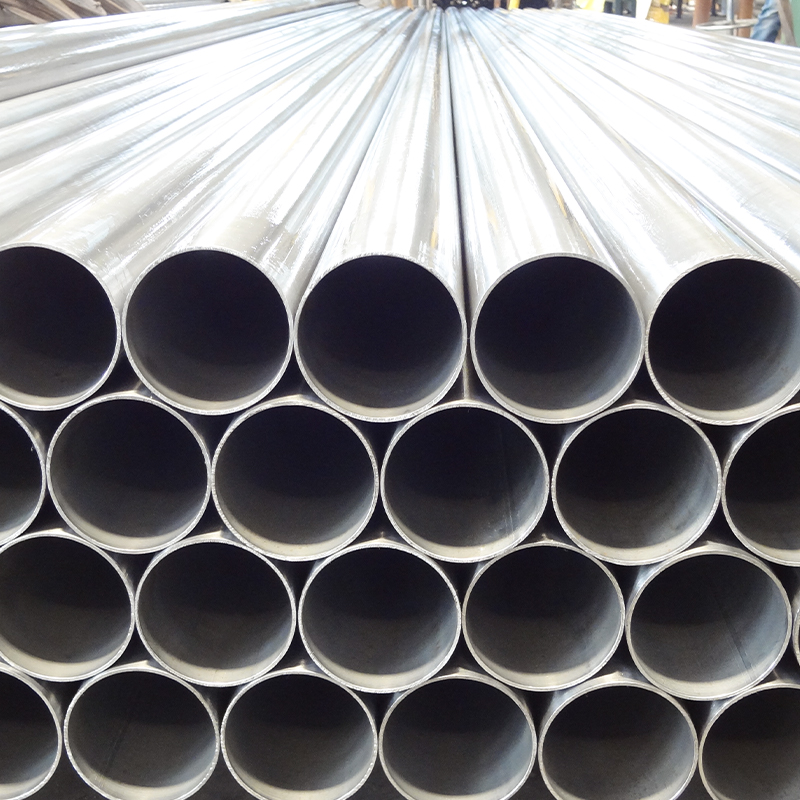
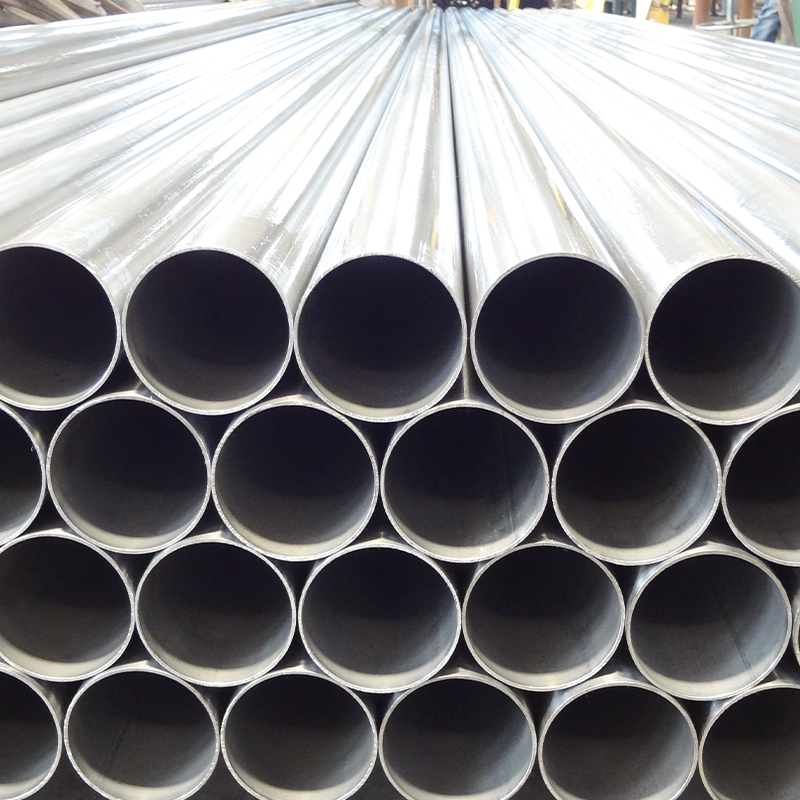
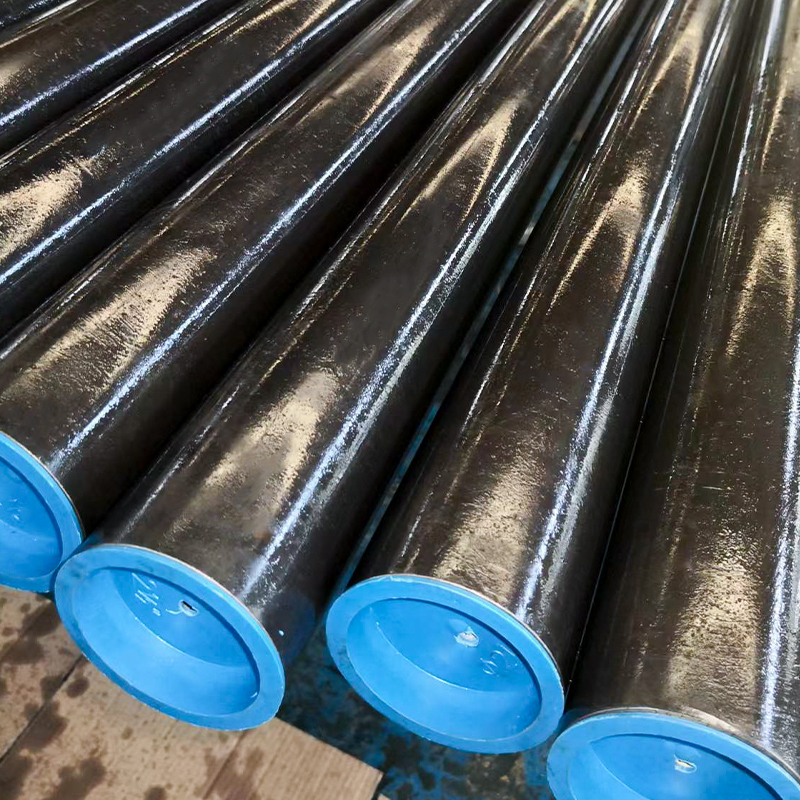
ASTM A513 Type 2 Cold-Rolled Tube – Grade 1010, 1” x 0.065” DOM Finish for Automotive Components
Cold-Rolled Steel Tube – ASTM A513 Type 2 Grades 1010, 1015, 1020, 1026 (1” x 0....

Content
ASTM A513 Type 5 defines cold-drawn electric-resistance-welded (ERW) tubing produced by the Drawn Over Mandrel (DOM) process. A flat steel strip is first roll-formed, welded, and then cold-drawn through a die and over a fixed mandrel. The drawing operation cold-works the metal, reducing diameter and wall thickness while refining the weld zone and grain structure. The result is a mechanical tube with uniform concentricity, tight tolerances, and surface finish far superior to as-welded HREW product.
The DOM process eliminates the internal weld flash and residual stress concentrations common in standard ERW tubing. Yield strengths climb to 60,000 psi minimum, with tensile strengths reaching 70,000 psi for typical 1020/1026 steel grades. This combination of dimensional precision, smooth inside surface, and enhanced mechanical properties makes ASTM A513 Type 5 the default choice for high-cycle, load-bearing applications.
| Property | ASTM A513 Type 5 DOM | ASTM A513 Type 1 HREW |
|---|---|---|
| Yield Strength (ksi) | 60–70 | 45–50 |
| OD Tolerance (in.) | ±0.005 | ±0.010 |
| ID Surface Roughness (Ra) | ≤63 μin | 125 μin typical |
| Weld Seam Visibility | Blended, nearly invisible | Visible, may contain flash |
ASTM A513 Type 5 covers carbon steel grades 1008 through 1026, with 1020 and 1026 being the most common. The standard requires a full-finished, cold-drawn condition for all DOM tubes. Typical chemistry for grade 1020 DOM stays within C 0.18–0.23%, Mn 0.30–0.60%, P ≤0.040%, and S ≤0.050%. This composition offers a balanced weldability, machinability, and cold-working response. For higher strength requirements, 1026 DOM pushes carbon to 0.22–0.28% and manganese to 0.60–0.90%.
Mechanical property minima per ASTM A513 are identical across types but DOM routinely exceeds them. The standard calls for 45 ksi yield and 55 ksi tensile; real DOM values are 60–70 ksi yield and 70–80 ksi tensile, with elongation in 2 inches typically 15–25%. Dimensional tolerances are where DOM truly separates from commodity tube. OD, wall, and ID are controlled to much tighter bands.
| Outside Diameter Range (in.) | OD Tolerance (± in.) | Typical Achievable ID Tolerance Grade |
|---|---|---|
| Up to 1.000 | 0.004 | H8–H9 |
| 1.001–2.500 | 0.005 | H8–H9 |
| 2.501–4.000 | 0.006 | H9 |
| 4.001–6.000 | 0.008 | H9–H10 |
| 6.001–8.000 | 0.010 | H10 |
| 8.001–12.000 | 0.015 | H10–H11 |
These tolerances are achievable in production runs across standard wall thickness series (0.049”, 0.065”, 0.083”, 0.120”, 0.188”). Tighter custom tolerances can be negotiated. When ID precision is critical — for example, in hydraulic cylinder barrel applications — tubes can be held to ISO H8 (e.g., +0.0010” for a 1.000” nominal ID). Pairing a DOM tube with an H8 ID and a standard piston rod machined to f7 clearance yields the controlled gap that directly extends seal life.
Selecting the right mechanical tubing often comes down to cost, lead time, and performance thresholds. DOM, HREW (ASTM A513 Type 1), and cold-drawn seamless (CDS, typically per ASTM A519) form the core trio. The decision matrix below captures the trade-offs that experienced engineers weigh.
| Criterion | HREW (Type 1) | DOM (Type 5) | Cold-Drawn Seamless (CDS) |
|---|---|---|---|
| Relative Cost (per foot, same size) | Lowest | 20–30% above HREW | 10–20% above DOM |
| Yield Strength (ksi, typical 1020) | 45–50 | 60–70 | 55–75 (grade-dependent) |
| OD Tolerance (± in., 1.5” OD) | 0.010 | 0.005 | 0.005–0.008 |
| ID Surface Roughness (Ra μin) | 80–125 | 32–63 | 40–80 |
| Weld-line Integrity | Preserved weld, potential stress riser | Weld fully re-crystallized, properties near base metal | No weld — homogeneous structure |
| Typical Stock Availability (OD up to 6”) | High | Very high | Moderate — common grades in stock, others mill order |
DOM provides the best balance of cost, precision, and stock availability for the majority of mechanical applications. CDS becomes the better pick when the component sees extreme internal pressures above 5,000 psi, requires a guaranteed absence of weld-line microstructures, or when high alloy grades (4130, 4140) are needed in seamless form. HREW is perfectly adequate for low-stress structural parts where surface finish and tight ID dimensions don’t drive performance.
From a processing standpoint, DOM also welds more cleanly than HREW because the cold-drawn ID doesn’t trap contaminants near a residual weld bead. Fabricators consistently report fewer porosity defects when TIG welding DOM versus as-welded tube. For high-cycle fatigue, drawing can lift the endurance limit by 15–25% compared to the same base ERW tube, thanks to compressive surface stresses and elimination of sharp geometric notches at the weld seam. If you need maximum pressure capacity in a hydraulic cylinder, a cold-drawn seamless hydraulic tube offers the ultimate homogenous structure, but expect a longer lead time and higher per-foot cost.
ASTM A513 Type 5 DOM tubing appears wherever a smooth, accurate inside diameter and high mechanical strength converge with cost sensitivity.
For hydraulic cylinder builders, the ability to go directly from DOM tube to finished barrel — skipping a bore-honing step — is a significant cost lever. When the application demands an ultra-smooth ID and tight ISO H8 fit, pre-honed DOM or honed SRB tube options deliver roughness below Ra 0.4 μm while holding ID tolerance within a few ten-thousandths. In drive shafts, pairing a DOM outer tube with a high-tensile inner shaft creates a robust, lightweight assembly that outperforms solid bar by around 25% in torsional stiffness-to-weight.
As-drawn DOM tubing arrives with a thin film of residual drawing lubricant and a bright, smooth finish. Many applications require further corrosion protection or surface modification. The table below highlights common post-processing routes.
| Process | Corrosion Resistance | Relative Cost | Typical Use Case |
|---|---|---|---|
| Oiled (as-drawn) | Indoor, short-term | Lowest | Internal machine parts, oil-filled assemblies |
| Phosphate & Oil | Indoor, moderate humidity | Low | Hydraulic cylinder barrels, before paint |
| Electrocoat (E-Coat) | High — 500+ hours salt spray | Medium | Chassis components, exposed linkage tubes |
| Hot-Dip Galvanize | Very high outdoors | Higher | Structural outdoor tubes, posts |
Phosphating plus oil is the most common treatment for hydraulic cylinder tubes because it creates a micro-porous layer that holds oil, resists flash rust during storage, and provides an excellent base for paint adhesion. If the assembly lives in a corrosive outdoor environment, E-coat or a two-coat liquid system delivers 500–1,000 hours of neutral salt spray protection without significant dimension change. For DOM tubes that will be welded after finishing, a simple oil coat is often safest, as heavy phosphate layers can introduce weld porosity. We stock DOM rounds in standard mill-oiled condition and can arrange factory-applied phosphating, E-coat, or galvanizing per your spec.
Standard DOM tubing stocked by our mill partners spans 0.250” through 12.000” OD, with wall thicknesses from 0.028” up to 0.750”. Inch-fractional and decimal sizes are both available. Many distributors list over 500 size-wall combinations ready for immediate cut-to-length.
We support small-batch prototyping as well as full truckload quantities. For projects that need an exact ID tolerance or a special surface finish, we provide custom cold-drawn and honed options. A DOM steel tube order typically ships from one of multiple regional warehouses, keeping lead times to 1–5 business days for cut pieces in common sizes. When you require precision drive shaft tubing with specific cleanliness and run-out standards, we also offer ASTM A513/A519 precision drive shaft tubing in full-length or pre-cut forms.
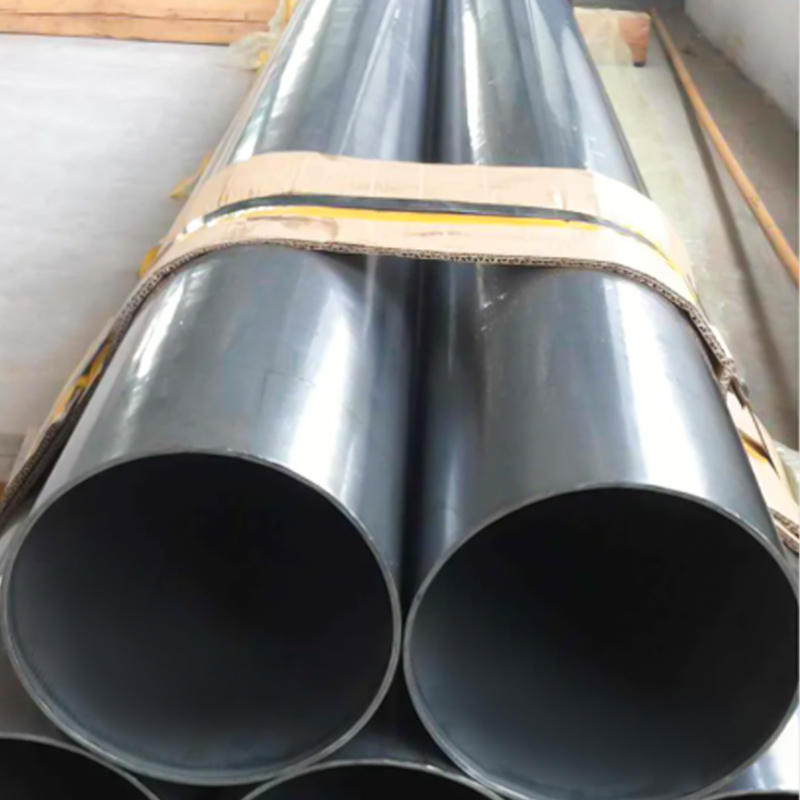
Cold-Rolled Steel Tube – ASTM A513 Type 2 Grades 1010, 1015, 1020, 1026 (1” x 0....
ASTM A513/A519 Precision Drive Shaft Tubing – 1026, 1020, 1015, 4130 (7 x 0.120 ...
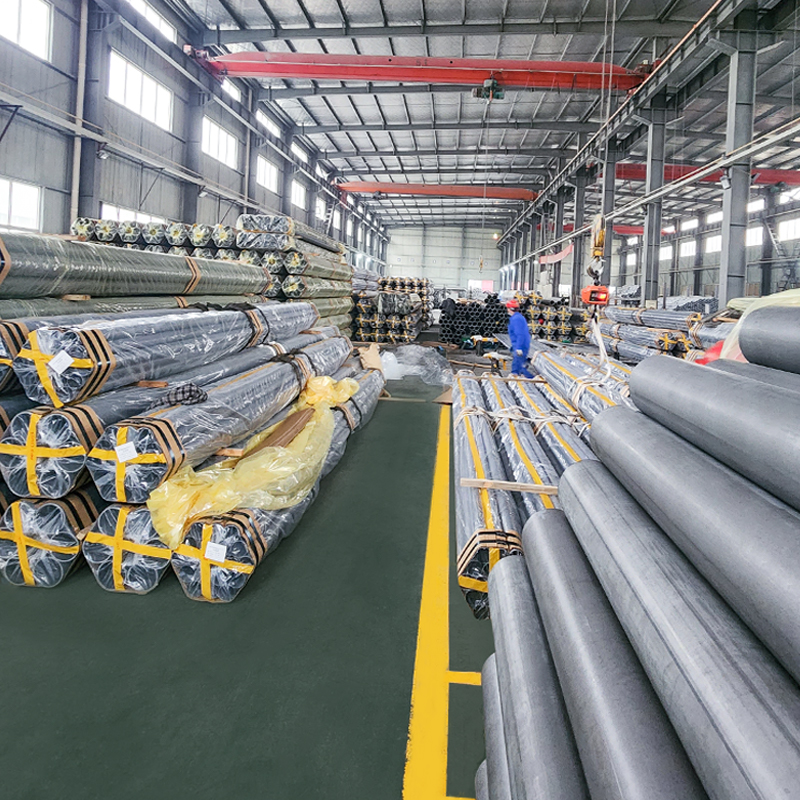
ASTM A513 Grade 1010 Precision Gravity Conveyor Roller Tubing – 2 in x 0.065 in
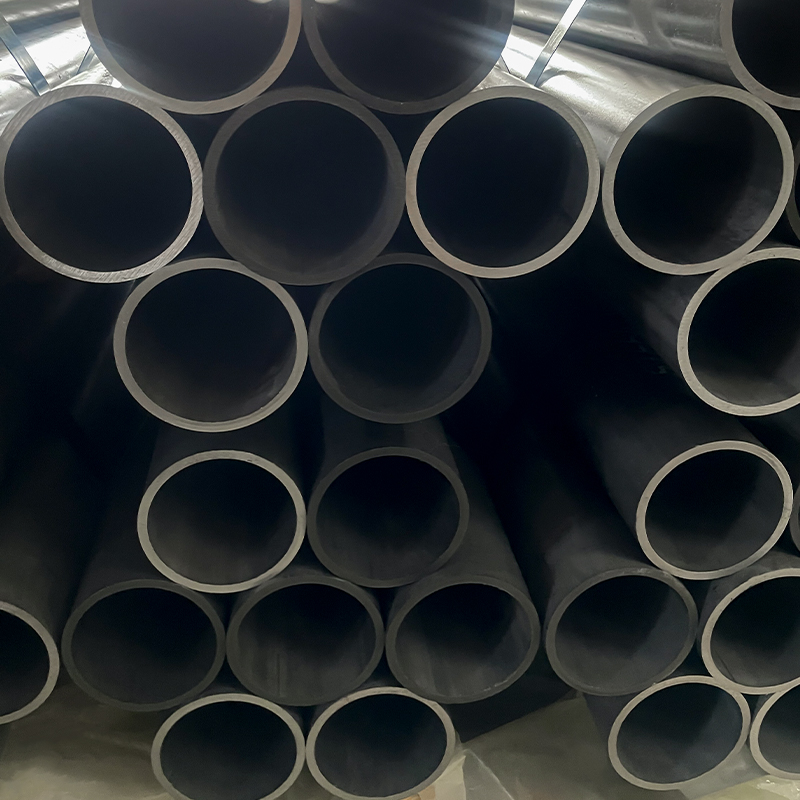
ASTM A519 Grade 4130 Geotechnical Drill Pipe – Ø89 mm x 6 mm for Soil Sampling
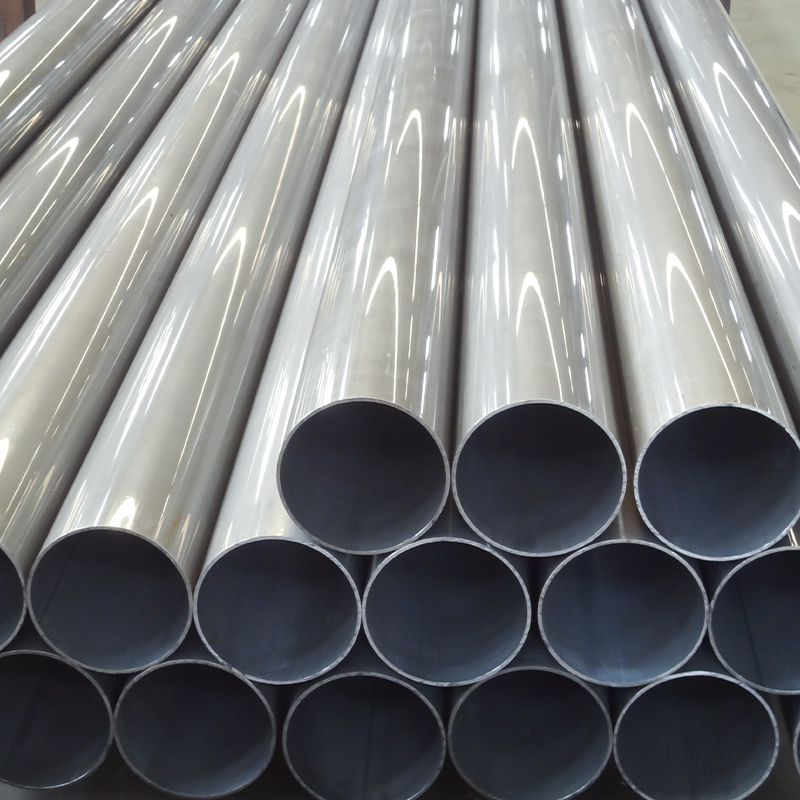
Cold Drawn Welded Steel Tube (CDW) – DIN 2393 | ASTM A513 (ST37-2, ST52-3)High-P...
Our Hydraulic Cylinder Tubes – ASTM A513 ST52 Cold Drawn Welded (CDW) are engine...


