
 English
 Español
 русский
Hydraulic Cylinder Tube – ASTM A519 ST52, 27SiMn, 20MnV6 | Cold Drawn Seamless Steel Pipe for Honing & SRB
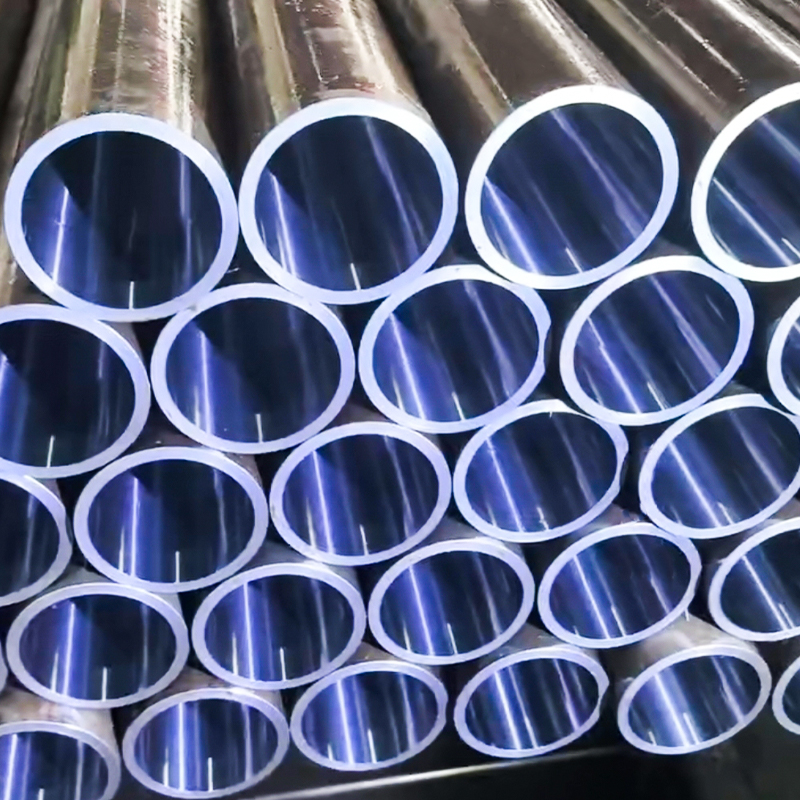
Our ASTM A519 Hydraulic Cylinder Tubes are precision-manufactured using cold dra...

Content
Picture a production planner standing between two finishing lines for hydraulic cylinder tubes. One line uses honing; the other skives the bore and then roller burnishes it. Both can deliver a precise, smooth diameter, but they differ in cycle time, surface texture, and the physical state of the metal just beneath the bore. For most ductile steel tubes, skiving plus roller burnishing gives you the higher throughput and a compressive, work-hardened surface, while honing remains the more flexible choice for hardened workpieces and heavier stock removal. This article compares the two processes from a practical machining and procurement perspective.
Honing is an abrasive finishing method. A set of bonded stones, mounted on a rotating mandrel, reciprocates inside the bore while pressing outward. The combination of rotary and linear motion cuts away a thin controlled layer, producing the characteristic cross-hatch pattern you see on engine cylinders and hydraulic tube bores.
The main strengths of honing are geometry correction and material versatility. It can reduce taper, ovality, and waviness left by the previous boring or drawing operation. It also works on hardened steels, which makes it useful for parts that have already been heat-treated.
Its disadvantages are speed and wear-related variability. Honing a bore to H8 or H9 takes multiple passes, and the abrasive stones wear progressively, so the operator must adjust feed or dressing to maintain size. The process can also generate enough heat to alter the surface layer if coolant and parameters are not controlled.
Skiving is a single-point cutting operation. A cutter head carrying one or more cutting inserts rotates inside the tube and removes a thin helical layer from the bore. It cleans up weld seams, scale, and dimensional inconsistencies left by cold drawing or welding. Immediately after, or in the same machine pass, roller burnishing follows. A set of hardened rollers is pressed against the machined surface under controlled force, deforming the micro-peaks plastically into the valleys.
Because the rollers cold-work the material instead of cutting it, the finished bore has several unusual characteristics. It becomes mirror-like, often reaching Ra 0.4 or better. The surface layer gains compressive residual stress, which improves fatigue strength. The plastic deformation also work-hardens the metal, increasing wear resistance without a separate heat treatment.
The process is considerably faster than honing. Industry sources typically cite a productivity increase of 60 to 80 percent, which is why skiving and roller burnishing is preferred in high-volume hydraulic cylinder production. However, it needs a reasonably good pre-bore, and the tube material must have enough ductility to flow under rolling pressure. Hardened materials above roughly HRC 40 to 45 are not suitable for the burnishing step.
The table below summarizes the technical differences that matter most for cylinder tube finishing.
| Parameter | Honing | Skiving + Roller Burnishing |
|---|---|---|
| Material removal method | Abrasive cutting with bonded stones | Single-point cutting followed by plastic deformation |
| Cycle time | Baseline, multiple reciprocating passes | Up to 70% faster, often one pass |
| Surface roughness | Ra 0.2–0.8 µm typical, cross-hatch pattern | Ra 0.1–0.4 µm, mirror-like, non-directional |
| Geometric correction | Good for taper, ovality, straightness | Moderate, requires consistent pre-bore stock |
| Surface integrity | Can be compressive, but heat risk exists | Strong compressive residual stress, work-hardened layer |
| Hard material capability | Works on hardened steel | Best below approximately HRC 40–45 |
| Tooling cost | Abrasive stones, continuous dressing | Inserts plus rollers, longer tool life |
| Typical use | Small batches, heavy stock, hardened bores | High-volume production, mirror-finished cylinder tubes |
Keep in mind that the actual finish target also depends on the starting tube quality. A tube with a tight cold-drawn bore gives both processes a shorter path to final size.
Start with your production volume and material state. If you run long production runs of cylinder tubes in SAE 1026, ST52, E355, or similar medium-carbon steels, skiving and roller burnishing reduces cycle time and gives you a bright, dense surface that seals well. If you have short runs, frequent diameter changes, or hardened alloy tubes, honing gives you more flexibility to correct geometry and tolerate harder surfaces.
Geometry is a second filter. Honing can remove more material and correct a wavy bore profile. Skiving also removes a uniform layer, but its correction capacity is limited; the pre-bore must be reasonably true. That is why many manufacturers start with a cold-drawn hydraulic cylinder tube that already has a consistent wall and bore, then finish with skiving and roller burnishing.
At this point, we can look at how a tube supplier fits into the decision. Instead of sourcing raw tube and then sending it to a separate finisher, you can order a tube that has already been processed with the desired finish. Our honed-SRB tube with mirror inner diameter is an example of a skived and roller burnished product with H8 tolerance and Ra0.4 finish, ready for barrel machining or final assembly in many hydraulic applications.
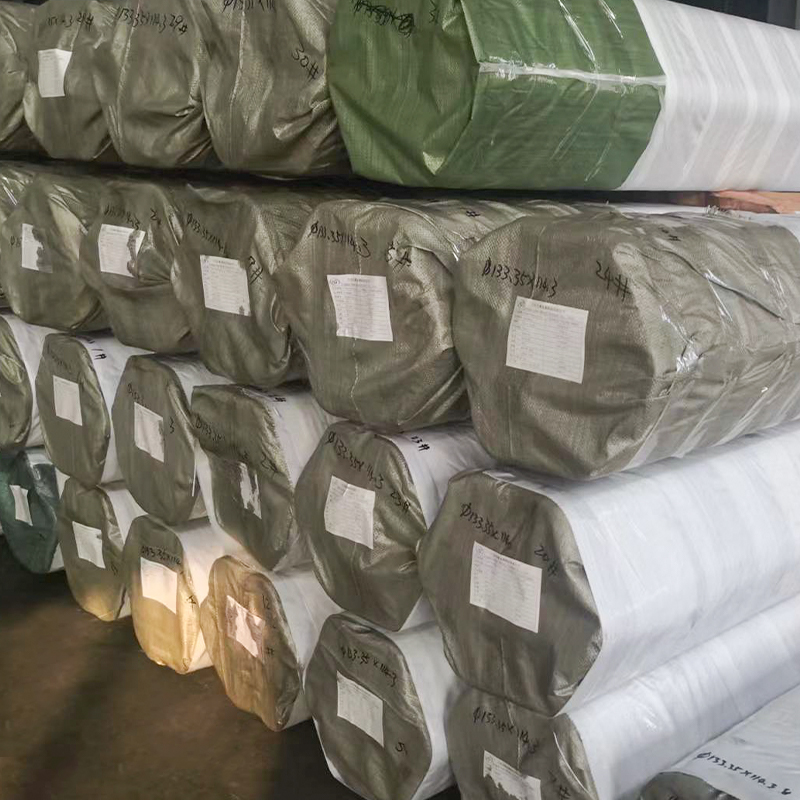 Honed & SRB Tube – ASTM A519 ST52 / 20MnV6 / 27SiMn, Mirror ID Finish for HydrauSuao is China Supplier of Honed & SRB Tube – ASTM A519 ST52 / 20MnV6 / 27SiMn, Mirror ID Finish for Hydraulic Cylinder Barrels, Custom H...View Product →
If you need a component rather than a semi-finished tube, the same process logic applies to finished hydraulic cylinder barrels. These are custom-machined, honed or skived/burnished, and supplied in a ready-to-assemble state, so you do not need to maintain finish-machining capacity in your own plant.
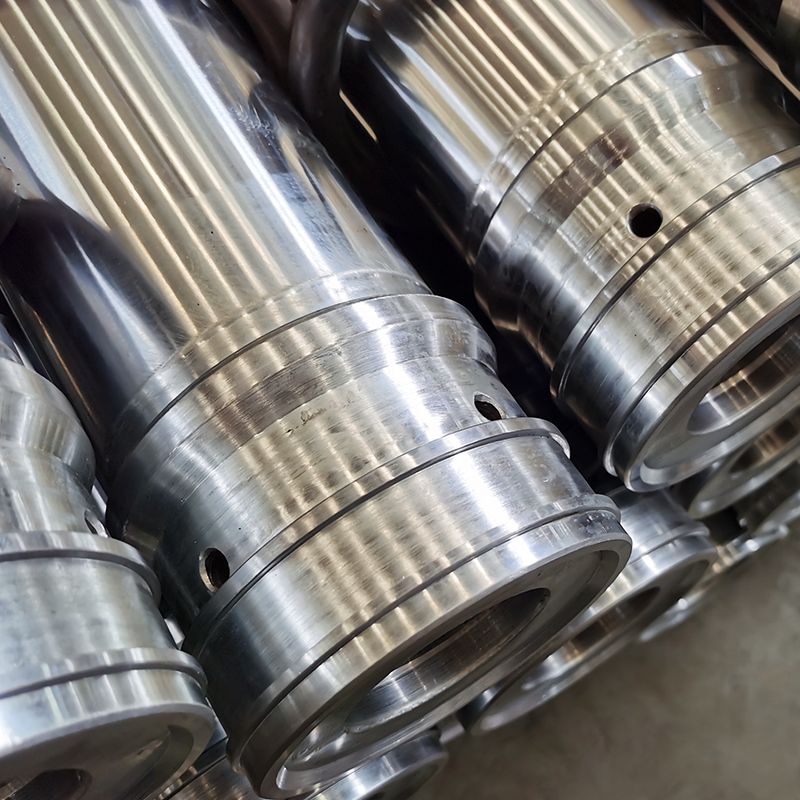 Finished Hydraulic Cylinder Barrel – Custom-Machined, Honed Steel Tube, Ready-toSuao is China Supplier of Finished Hydraulic Cylinder Barrel – Custom-Machined, Honed Steel Tube, Ready-to-Assemble, Custom Finished Hyd...View Product →
When you buy a finished cylinder tube, the differences between the two processes affect more than surface roughness. The bore finish directly influences seal life and wear resistance. A honed bore with a too-aggressive cross-hatch can increase seal friction, while a burnished surface may be too smooth for some seal designs to retain oil. Confirm with your seal supplier which surface texture they recommend.
It is also worth asking the supplier about the process used to achieve the finish. If they use roller burnishing, ask for the hardness increase and compressive stress data to confirm the benefit. If they use honing, ask about the abrasive grit and whether the stones are dressed in-process, so you do not receive a bore with embedded abrasive or inconsistent size. The article on why hydraulic cylinder seals keep failing due to inner diameter finish explains why these details matter in service.
The starting material also deserves attention. A cold-drawn hydraulic cylinder tube in ASTM A519 or EN 10305 gives a consistent bore surface that minimizes machining time, whether you choose honing or skiving and roller burnishing.
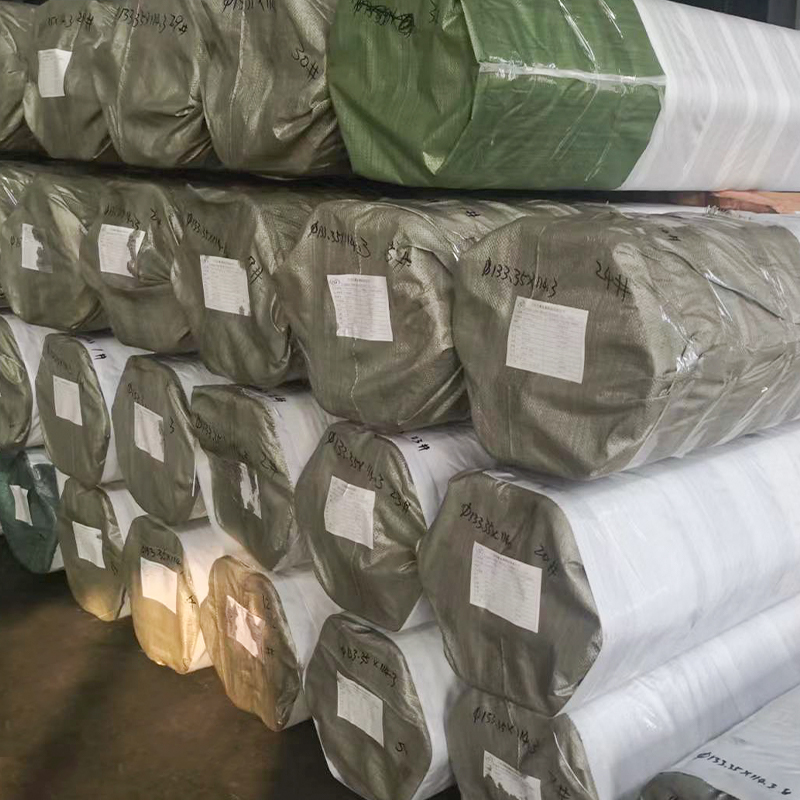 Hydraulic Cylinder Tube – ASTM A519 ST52, 27SiMn, 20MnV6 | Cold Drawn Seamless SSuao is China Supplier of Hydraulic Cylinder Tube – ASTM A519 ST52, 27SiMn, 20MnV6 | Cold Drawn Seamless Steel Pipe for Honing & SRB, Cu...View Product →
Honing and skiving roller burnishing both have a place in cylinder tube manufacturing. Honing wins when you need to correct larger geometry errors or process hardened materials. Skiving plus roller burnishing wins on speed, surface finish, and surface integrity for the medium-carbon and micro-alloy steels commonly used in hydraulic cylinders. Match the process to your batch size, material hardness, and tolerance requirement, and work with a supplier who can offer both the raw tube and the finished-state option.
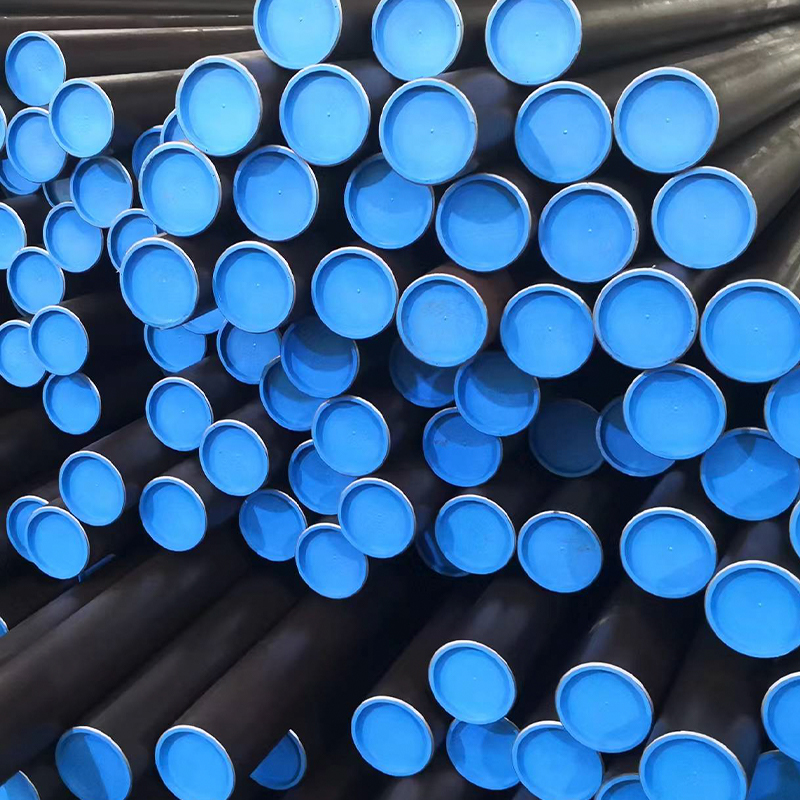
Our ASTM A519 Hydraulic Cylinder Tubes are precision-manufactured using cold dra...
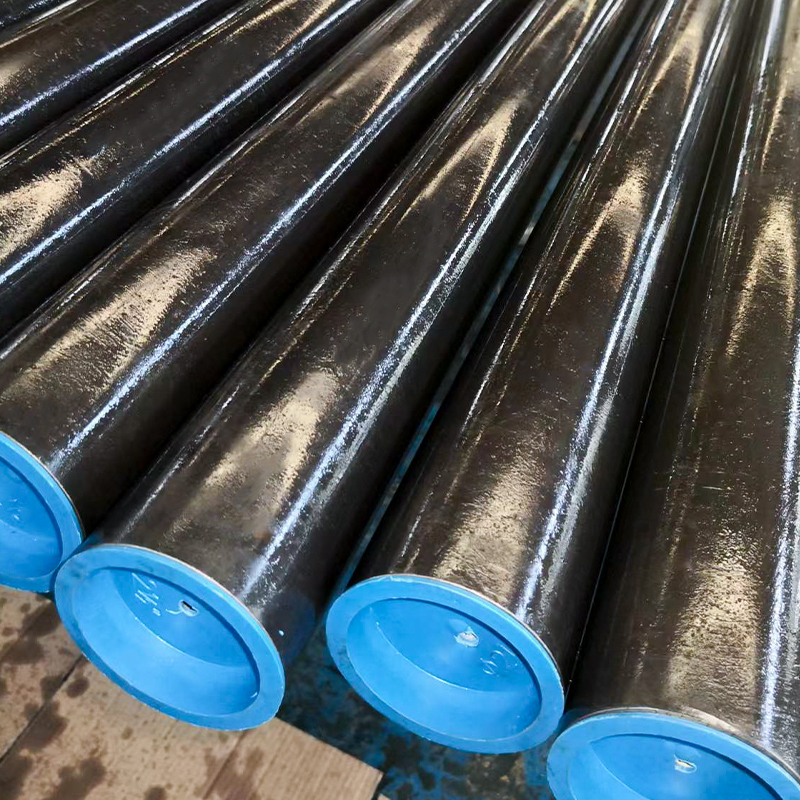
Our Hydraulic Cylinder Tubes are made from cold drawn seamless steel according t...
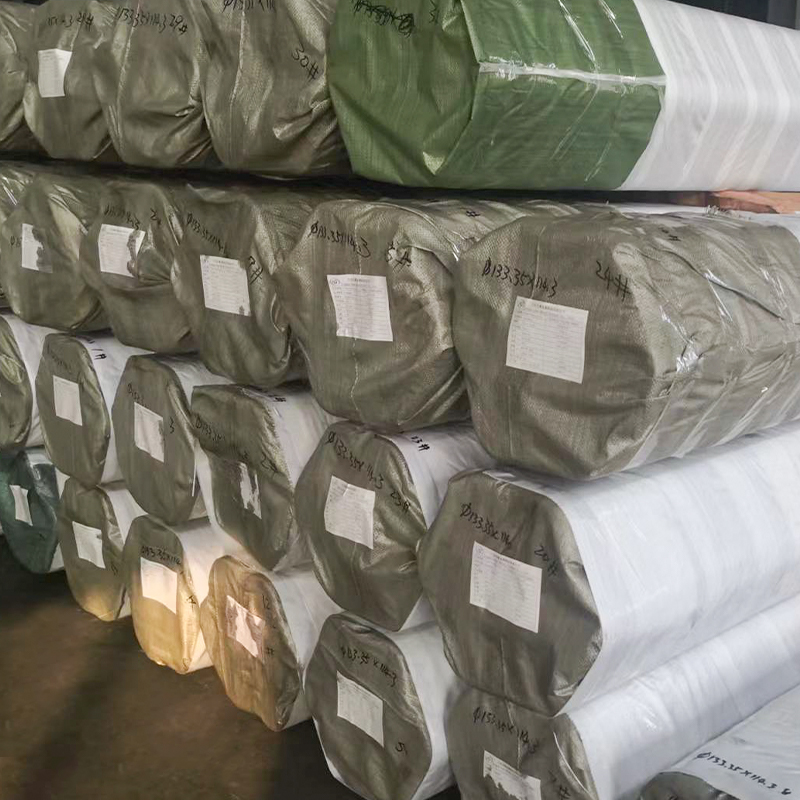
Our Honed and Skived & Roller Burnished (SRB) Tubes are manufactured from EN...
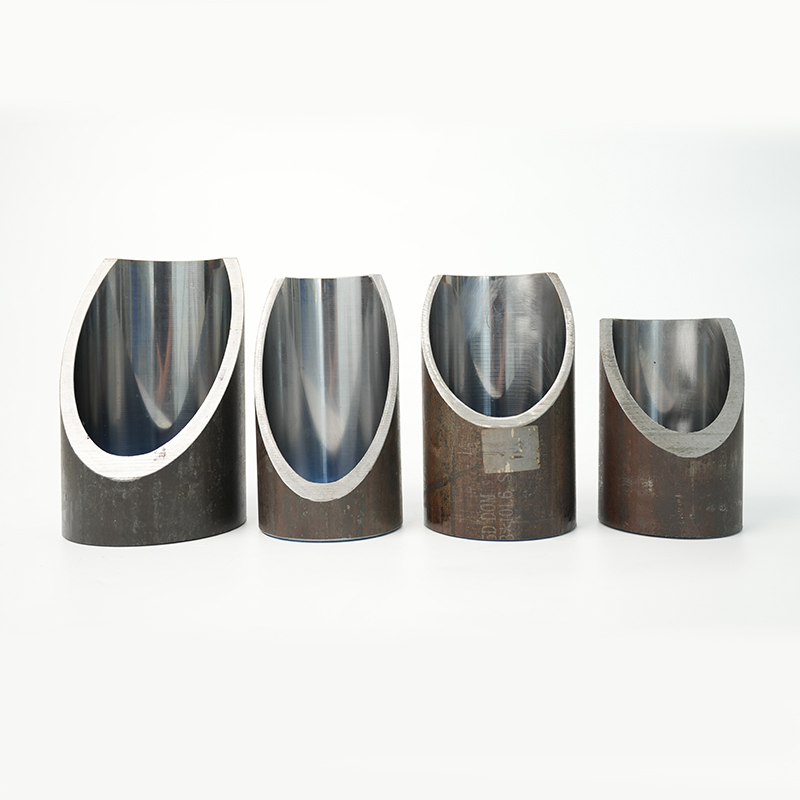
Our EN 10305-2 Cold Drawn Welded (CDW) Honed & SRB Tubes are precision-proce...
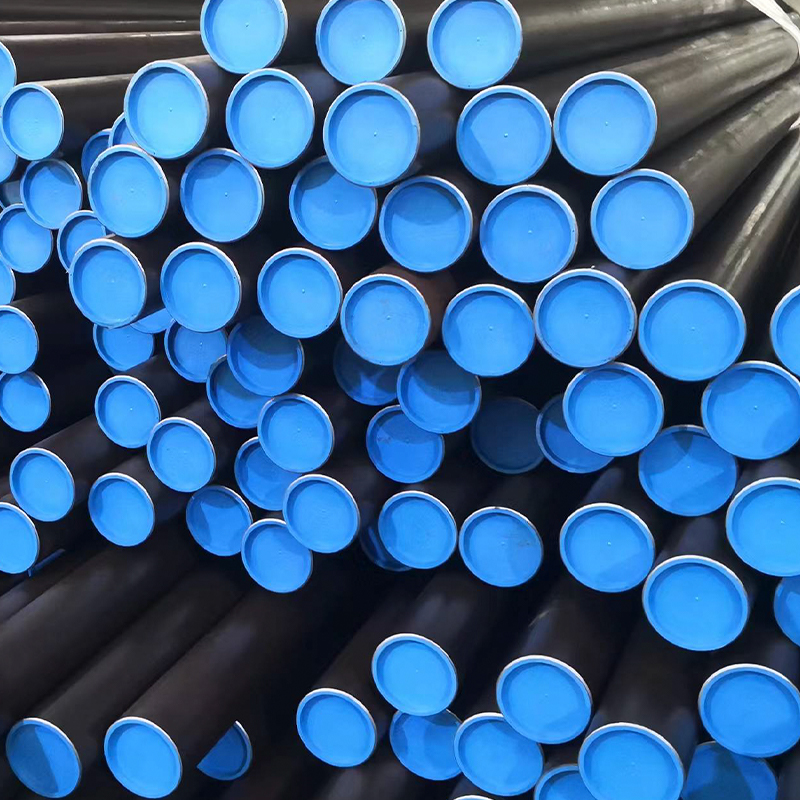
Our Honed and Skived & Roller Burnished (SRB) Tubes – ASTM A519 are precisio...
Our ASTM A513 Cold Drawn Welded (CDW) Honed & SRB Tubes are precision-


