
 English
 Español
 русский
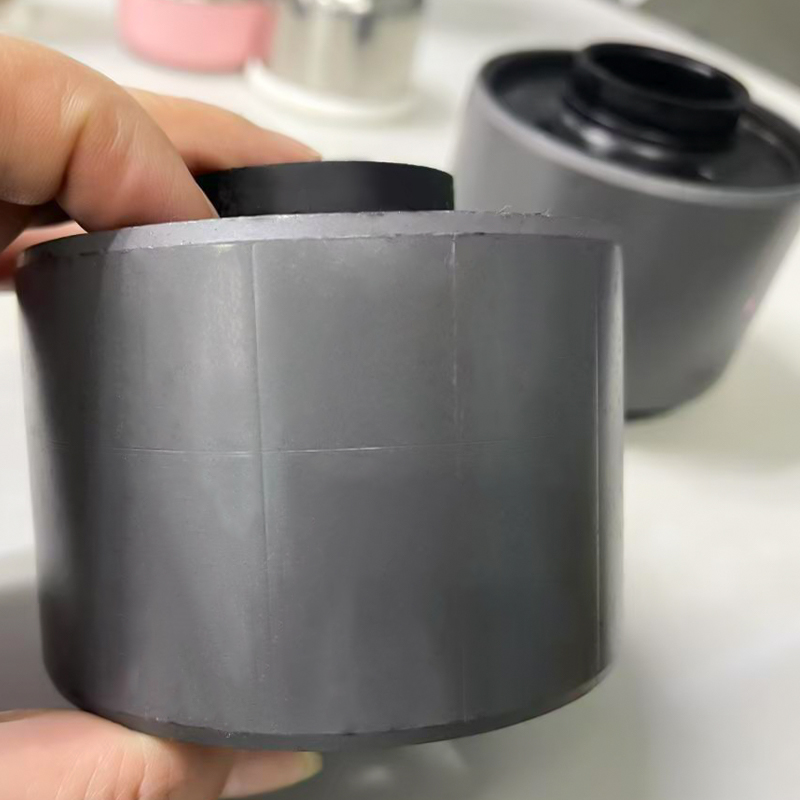
Shock Absorber Cylinder Tube – Cold Rolled Steel, Ø50 x 1.5 mm, Polished Inner Diameter (E220, E215, E235, SAE 1010/1020, 25CrMo4)
Our Shock Absorber Cylinder Tubes are manufactured from cold rolled precision st...

Content
A shock absorber tube order looked fine on paper: the material was listed as SPHC, the wall thickness was within range, and the price was attractive. But when the first batch arrived, the inner diameter measured outside the H11 tolerance your seal supplier recommended, and a few tubes showed shallow draw marks near the weld seam. The mill insisted the chemical composition met JIS G3131, and it did. The problem was not chemistry — it was that SPHC alone does not define a precision tube.
Here is the short answer: choose E235 when your drawing or customer specification demands EN 10305-2 precision tolerances, controlled surface finish and predictable fatigue behavior. Choose SPHC only when you understand that it is a hot-rolled strip grade, not a finished tube standard, and when your supplier can demonstrate cold-drawn processing, straightening and inspection that turn that strip into a usable cylinder. For most original-equipment shock absorber applications, E235-N is the safer baseline, while SPHC remains a cost-driven alternative with higher acceptance risk.
The confusion starts with the grade names. SPHC is a Japanese industrial standard designation from JIS G3131, covering hot-rolled mild steel plates, sheets and strips. It specifies a maximum carbon content around 0.15%, a maximum manganese content around 0.60%, and a tensile range of 270 to 410 MPa. What it does not specify is any requirement for tube diameter tolerance, wall thickness variation, straightness, inner surface roughness or weld integrity after cold drawing.
E235 belongs to the EN 10305 family of precision steel tubes. The “235” refers to a minimum yield strength of 235 MPa in the normalized condition, and the tube standards EN 10305-1 (seamless) and EN 10305-2 (welded) define much more than chemistry. They set dimensional tolerance classes such as D1, D2 and D3, specify surface condition requirements, and control straightness. When a shock absorber manufacturer writes “EN 10305-2 E235-N” on a drawing, they are buying a finished precision tube, not a raw material. That distinction matters because shock absorber cylinders depend on consistent inner diameter, clean surfaces for seal contact, and reliable wall thickness for burst strength. If you are evaluating material options, a shock absorber tube selection guide can help you map these requirements to the right EN and JIS grades.
The table below shows typical values for SPHC strip and E235 precision tube stock. Note that E235 has a tighter phosphorus and sulfur limit, which improves inclusion cleanliness and contributes to more consistent fatigue performance in a thin-wall cylinder.
| Property | SPHC (JIS G3131) | E235 (EN 10305-2) |
|---|---|---|
| Carbon, % | ≤ 0.15 | ≤ 0.17 |
| Manganese, % | ≤ 0.60 | ≤ 1.20 |
| Phosphorus, % | ≤ 0.035 | ≤ 0.025 |
| Sulfur, % | ≤ 0.035 | ≤ 0.025 |
| Yield strength, MPa | ≥ 205 (typical) | ≥ 235 (normalized) |
| Tensile strength, MPa | 270 – 410 | 340 – 520 (typical) |
| Delivery form | Hot-rolled strip / sheet | Precision tube, cold-drawn or normalized |
The higher manganese content in E235 improves hardenability and strength after cold drawing, which is why E235 tubes can be drawn to thinner walls without losing column strength. SPHC, by contrast, relies more on the original hot-rolled strength and may require a thicker wall to achieve the same collapse resistance in a hydraulic shock absorber.
Shock absorber cylinders are often drawn to outer diameters between 30 mm and 60 mm with wall thicknesses of 1.5 mm to 3.0 mm. The inner bore must stay round and straight, because the piston rod and seal assembly move through it millions of cycles. E235 precision tube starts as a tightly controlled hot-rolled strip or seamless hollow, then goes through cold drawing with a mandrel or plug. That process, combined with the tolerance classes in EN 10305-2, produces an inner diameter variation that a seal supplier can plan around. SPHC strip can be drawn the same way, but its wider manganese and residual element scatter means the draw response varies more from heat to heat. You can still get good tubes, but the dimensional spread in a production run will be wider.
The inside of a shock absorber tube is a sealing surface. A scratch, a rough weld seam or a localized hard spot can wipe out an oil seal within hours on a test rig. EN 10305-2 E235-N tubes are expected to have a clean, controlled inner surface after cold drawing. Many manufacturers also specify a maximum roughness of Ra 0.8 µm or better for the bore before plating or finishing. SPHC, because of its hot-rolled origin, can carry scale, pitting or edge defects from the strip mill. If a supplier offers an EN 10305-2 E235-N cold-drawn shock absorber tube, the surface requirements are already implied. With SPHC, you have to request additional surface inspection, and any defect found after drawing is harder to trace back to a single cause.
 Hydraulic Shock Absorber Tube – EN 10305-2 E235+N, Cold Drawn Welded Precision SSuao is China Supplier of Hydraulic Shock Absorber Tube – EN 10305-2 E235+N, Cold Drawn Welded Precision Steel Tube Ø40 x 2mm, Custom Hy...View Product →
A shock absorber tube experiences repeated internal pressure spikes, bending loads and vibration. Cracks typically start at surface defects or inclusions. The lower phosphorus and sulfur limits in E235 reduce the number of sulfide inclusions that can act as fatigue initiation sites. In practice, a properly drawn E235-N tube will show more consistent results in a pulsation fatigue test than a batch of SPHC tubes drawn to the same dimensions. For passenger car shock absorbers, where warranty costs are high, that consistency is worth the material premium.
SPHC is not a wrong material by definition. Many aftermarket shock absorbers, commercial vehicle dampers and low-cost suspension struts use SPHC-based cold-drawn welded tubes. The key is to treat SPHC as a strip material that must be converted into a precision tube through the same downstream steps: slitting, forming, high-frequency welding, cold drawing, straightening, cutting and inspection. If your supplier has process control over those steps, an SPHC cold-drawn shock absorber tube can work for applications where the drawing tolerance is looser than EN 10305-2 and the operating pressure stays moderate.
Hydraulic Shock Absorber Tube – EN 10305-2, SPHC Steel, Cold Drawn Welded (CDW),Suao is China Supplier of Hydraulic Shock Absorber Tube – EN 10305-2, SPHC Steel, Cold Drawn Welded (CDW), Ø90.2 x 1.6 mm, Custom Hydrau...View Product →
Consider SPHC under these conditions:
The risks to watch for are batch-to-batch strength variation, weld seam inconsistency from hot-rolled scale, and the cost of rework when inner diameter grinding or honing is needed to fix what the draw process left behind.
Whichever grade you choose, the purchasing decision should be based on the finished tube specification, not the material name alone. Ask each supplier for a comparison of their SPHC and E235 production: what draw tolerance they hold, what inner surface roughness they achieve, and what tests they run on every batch.
At minimum, request the following documents:
If your application allows a customized bore size or wall combination, make sure the supplier can adjust the draw schedule rather than offering only standard stock dimensions. A tube maker with in-house cold drawing and straightening capability is better positioned to control the dimensional relationship between outer diameter and inner bore. When the drawing calls for EN 10305-2, specify the tolerance class and confirm the supplier's internal inspection frequency. If the requirement is less strict and you still need consistent roundness, ask about their precision cold-drawn welded steel tube options to see whether a hybrid solution fits your cost target.
Finally, remember that a raw material grade is not a quality standard. The same SPHC coil can become a poor tube or a perfectly good one depending on the drawing process, straightening method and inspection discipline. For new shock absorber programs, start with E235-N as the baseline, validate samples, and only move to SPHC when test data shows the cost saving does not create warranty exposure.
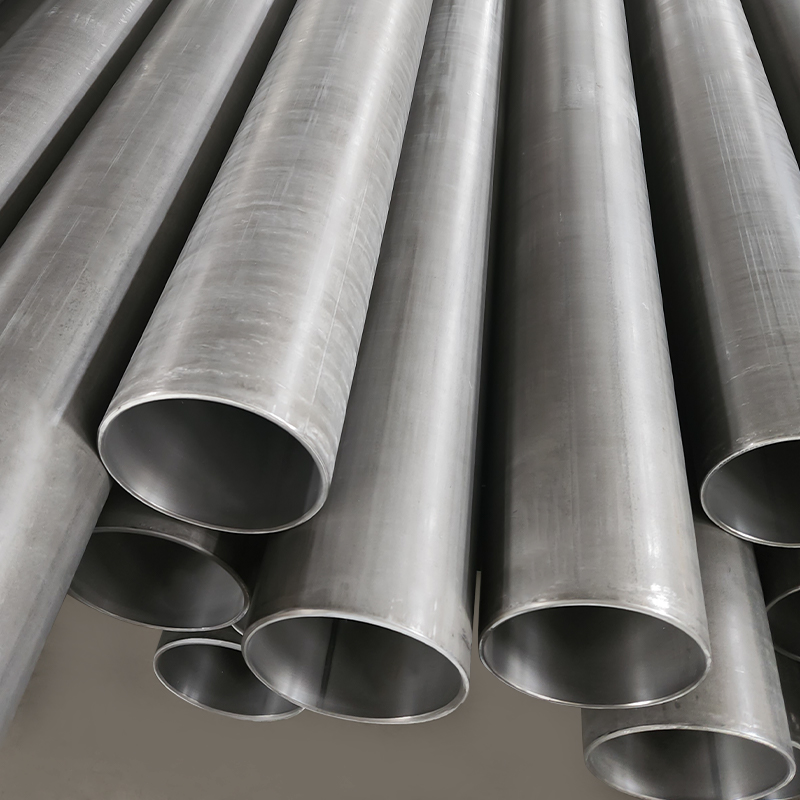
Our Shock Absorber Cylinder Tubes are manufactured from cold rolled precision st...
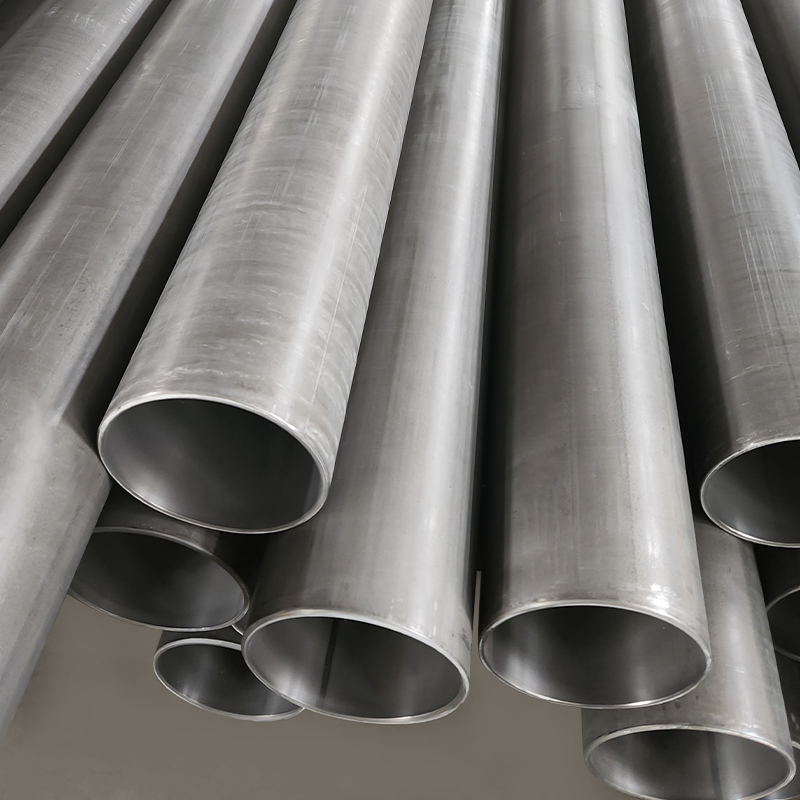
Our Hydraulic Shock Absorber Tube is manufactured to EN 10305-2 standards using
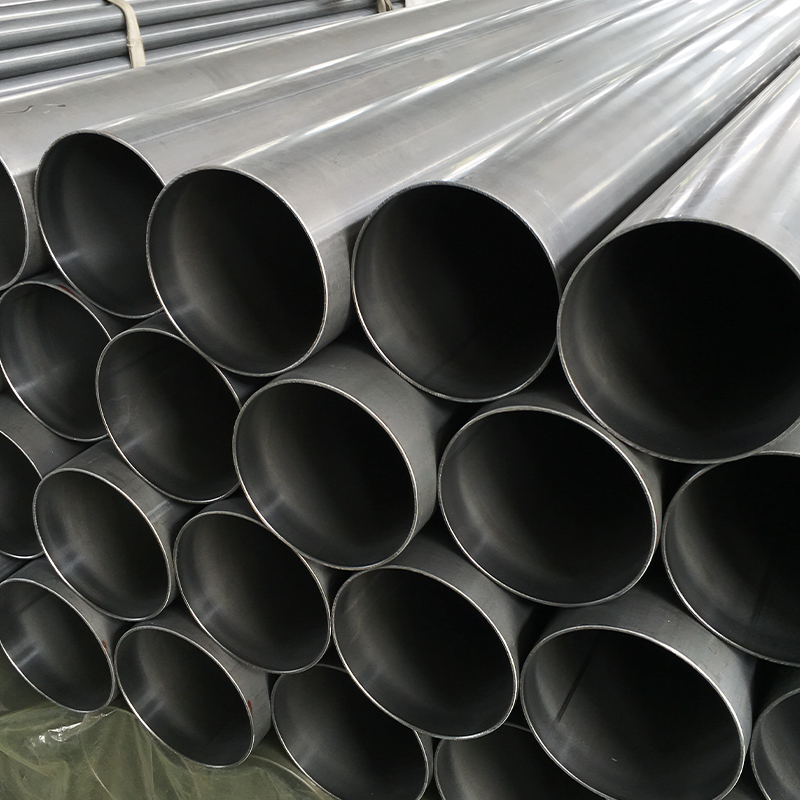
Our Seamless Shock Absorber Tubes are manufactured to EN 10305-1 using high-qual...
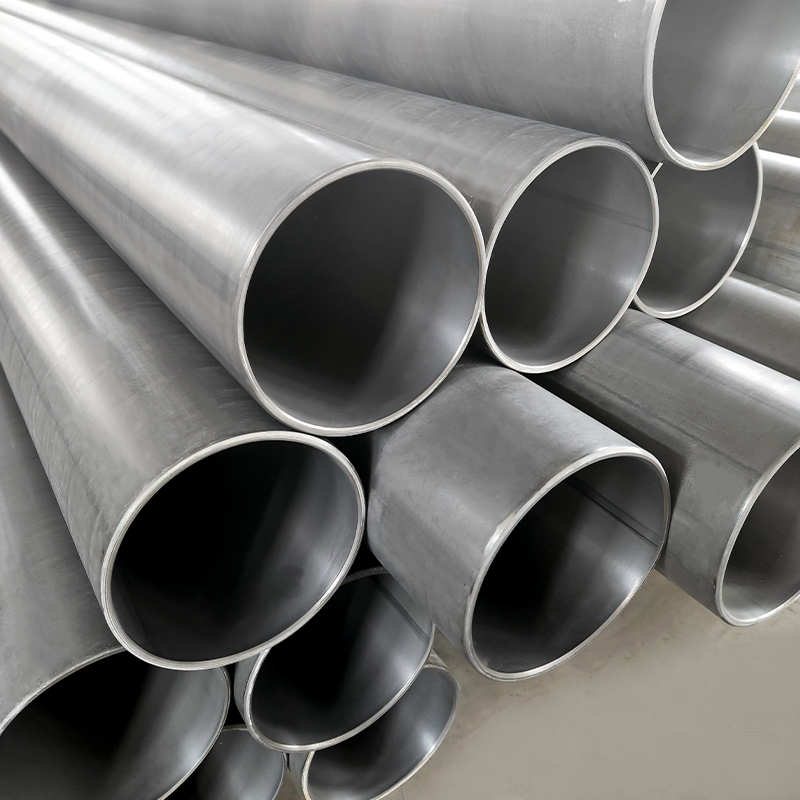
Our Hydraulic Shock Absorber Tubes are manufactured using the Cold Drawn Welded ...
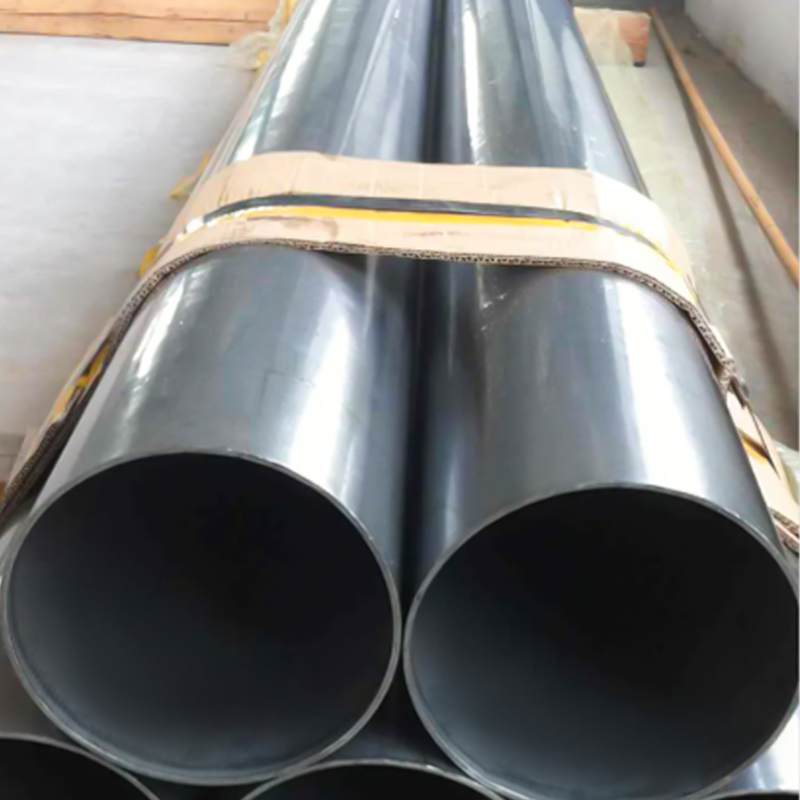
OverviewDiscover our Cold-Rolled Steel Precision Tubes, engineered to EN 10305-3...
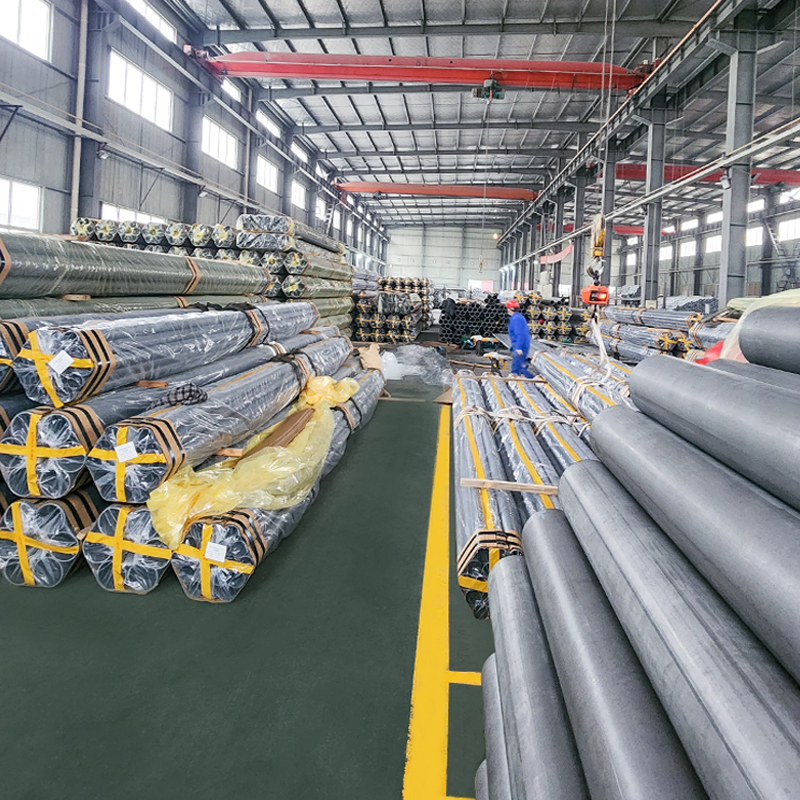
EN 10305-3 E235 Precision Conveyor Roller Tubing – Ø60.3 x 2.0 mm for Material H...


