
 English
 Español
 русский
ASTM A513 Type 2 Cold-Rolled Tube – Grade 1010, 1” x 0.065” DOM Finish for Automotive Components
Cold-Rolled Steel Tube – ASTM A513 Type 2 Grades 1010, 1015, 1020, 1026 (1” x 0....

Content
When sourcing steel tubes for industrial applications, the standard you specify is just as important as the material grade. ISO, DIN, and ASTM represent three dominant standardization systems used globally — and each reflects a different technical tradition, dimensional convention, and quality philosophy. Choosing the wrong standard doesn't just cause procurement headaches; it can lead to incompatible dimensions, failed inspections, and costly project delays.
This guide breaks down the core standards under each system, highlights critical technical differences, and provides practical guidance on matching the right standard to your application.
Steel tube standards exist to create a shared technical language between manufacturers, engineers, and end-users across borders and industries. A standard defines not just dimensions, but chemical composition requirements, mechanical property minimums, permissible tolerances, heat treatment conditions, and testing procedures — everything needed to verify that a tube will perform as intended.
In practice, standards serve three critical functions:
For international procurement, understanding how ISO, DIN, and ASTM relate to one another helps you specify correctly and avoid costly substitution errors.
The International Organization for Standardization (ISO) publishes globally harmonized standards intended for use across member countries. For steel tubes, ISO standards typically define both dimensional requirements and testing conditions, providing a neutral baseline that avoids favoring any regional system.
Key ISO standards for steel tubes include:
ISO standards are frequently adopted or adapted by national bodies. Many European EN standards — including the widely used EN 10305 series — are technically aligned with ISO methods, making cross-reference straightforward when working between European and global supply chains.
DIN (Deutsches Institut für Normung) standards originated as German national standards and have historically set a high benchmark for precision, particularly in mechanical and hydraulic tube applications. Over the decades, many DIN standards have been integrated into European Norms (EN), resulting in combined designations such as DIN EN 10305. However, legacy DIN-only standards remain widely referenced in technical drawings and supplier documents globally.
The most important DIN and DIN EN standards for precision steel tubes are:
A defining characteristic of DIN standards is their emphasis on tight dimensional tolerances. DIN 2391 and EN 10305-1 specify outer diameter tolerances as tight as ±0.05 mm in the finest tolerance class — significantly more demanding than many ASTM equivalents for standard mechanical tubing.
ASTM International (formerly the American Society for Testing and Materials) governs the dominant standards framework in North America and is widely adopted in markets with strong U.S. engineering influence, including parts of the Middle East, Southeast Asia, and Latin America. ASTM standards are application-oriented — each specification is written around a particular service condition rather than a dimensional class, which makes material selection intuitive but requires careful attention to scope.
Core ASTM standards for steel tubes include:
ASTM standards typically specify dimensions in imperial units (inches), though dual-unit versions (ASTM/M) exist for international use. Tolerance grades are generally less granular than DIN precision tube standards, reflecting ASTM's broader commercial focus versus DIN's precision engineering orientation.
Understanding how these three systems differ across key technical parameters allows engineers to make informed specification decisions — especially when sourcing from manufacturers qualified to multiple standards.
| Parameter | ISO | DIN / DIN EN | ASTM |
|---|---|---|---|
| Unit system | Metric (mm) | Metric (mm) | Imperial (inch); M-versions in mm |
| Dimensional focus | OD × wall thickness | OD × wall thickness, tight tolerance classes | NPS (nominal pipe size) or OD × wall |
| OD tolerance (precision) | Moderate (ISO 10296) | ±0.05 mm (EN 10305 T5 class) | ±0.10–0.20 mm (A513 Type 2) |
| Primary application scope | General engineering, global trade | Precision hydraulic, pneumatic, mechanical | Structural, pressure, general mechanical |
| Steel grade designation | ISO grade system | E235, E355, St 52 (legacy) | AISI/SAE grades (1020, 4130, etc.) |
| Heat treatment specification | Referenced per part standard | +A (annealed), +N (normalized), +SR | Specified within each ASTM spec |
| Testing requirements | Hydrostatic or eddy current | Hydrostatic, eddy current, visual, dimensional | Hydrostatic or nondestructive electric test |
| Global market recognition | Universal baseline | Europe, Asia (precision sectors) | North America, Middle East, SE Asia |
One frequently misunderstood difference lies in how each system handles wall thickness tolerances. DIN EN 10305 specifies wall thickness tolerances as a percentage of nominal wall (typically ±10% for welded, ±10–12.5% for seamless), while ASTM A513 specifies tolerances as absolute values in inches that become proportionally looser for thin-wall tubes. For thin-wall precision applications — such as those using cold-rolled steel tube in lightweight structural assemblies — DIN tolerances typically yield more consistent material utilization.
The correct standard depends on three factors: the service environment, the regional market of the end product, and the level of dimensional precision required.
When sourcing from a manufacturer certified to multiple standards, it is essential to verify that the mill test certificate (MTC) explicitly lists the applicable standard and all required test results. Dual certification — for example, a tube certified to both EN 10305-1 and a comparable ASTM specification — is possible where chemical compositions and mechanical properties overlap, but must be confirmed by the manufacturer rather than assumed.
For applications requiring tight-tolerance tubes across ISO, DIN, and ASTM specifications, working with a manufacturer that has integrated production capabilities — covering cold drawing, heat treatment, and nondestructive testing under a single traceable quality system — significantly reduces supply chain risk. Explore our range of high precision cold drawn steel tubes manufactured to DIN EN 10305, ASTM A513/A519, and ISO precision standards for hydraulic, mechanical, and structural applications.
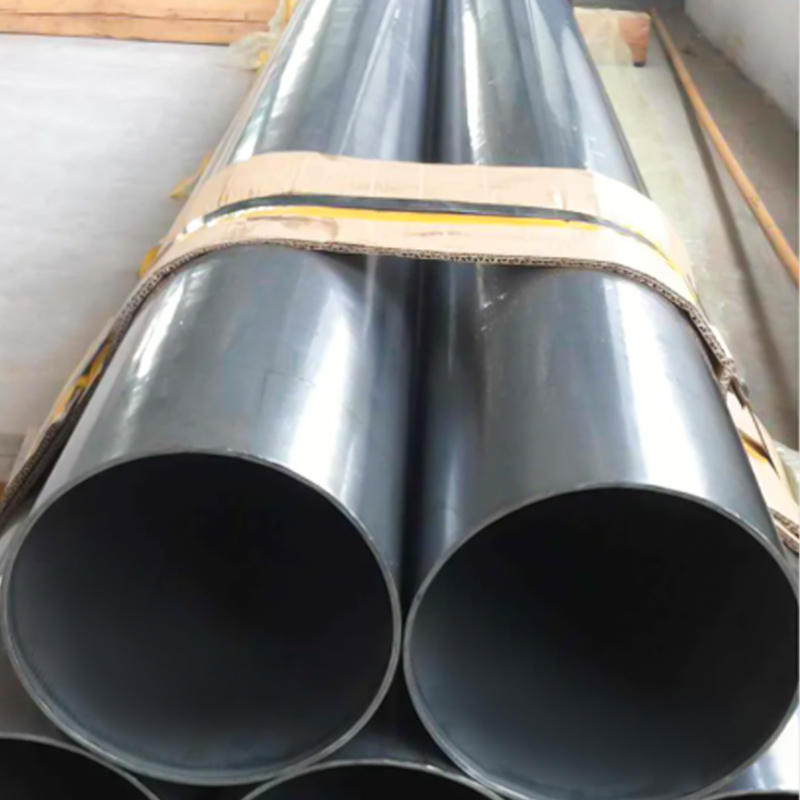
Cold-Rolled Steel Tube – ASTM A513 Type 2 Grades 1010, 1015, 1020, 1026 (1” x 0....
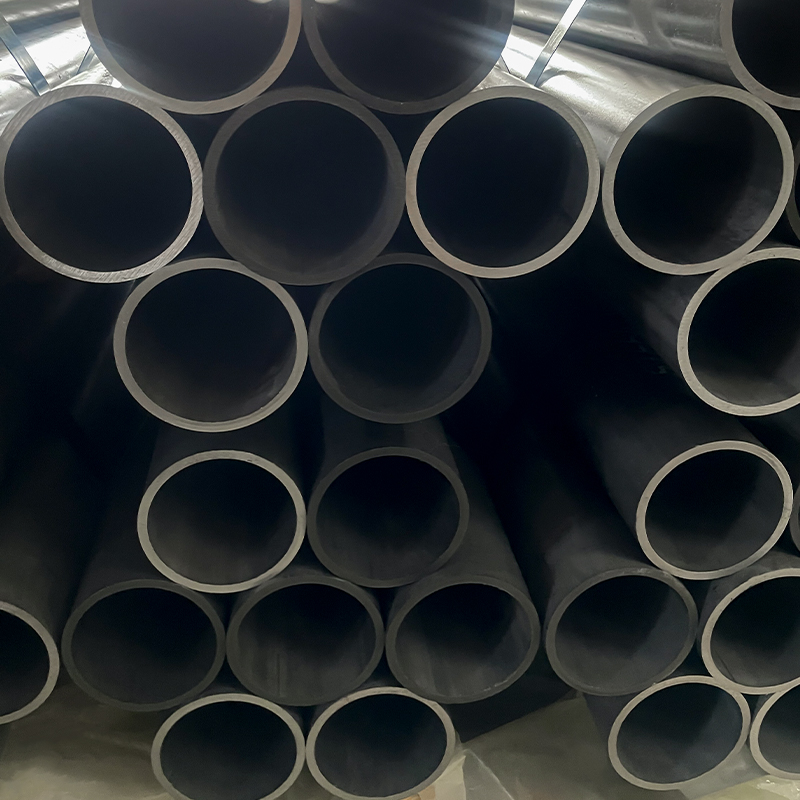
ASTM A519 Grade 4130 Geotechnical Drill Pipe – Ø89 mm x 6 mm for Soil Sampling
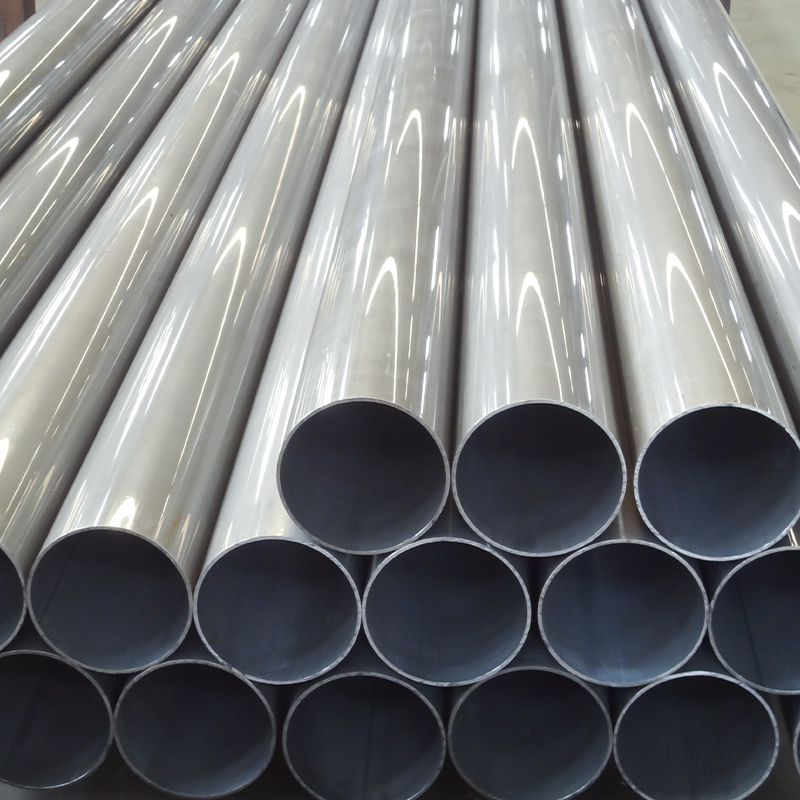
Cold Drawn Welded Steel Tube (CDW) – DIN 2393 | ASTM A513 (ST37-2, ST52-3)High-P...
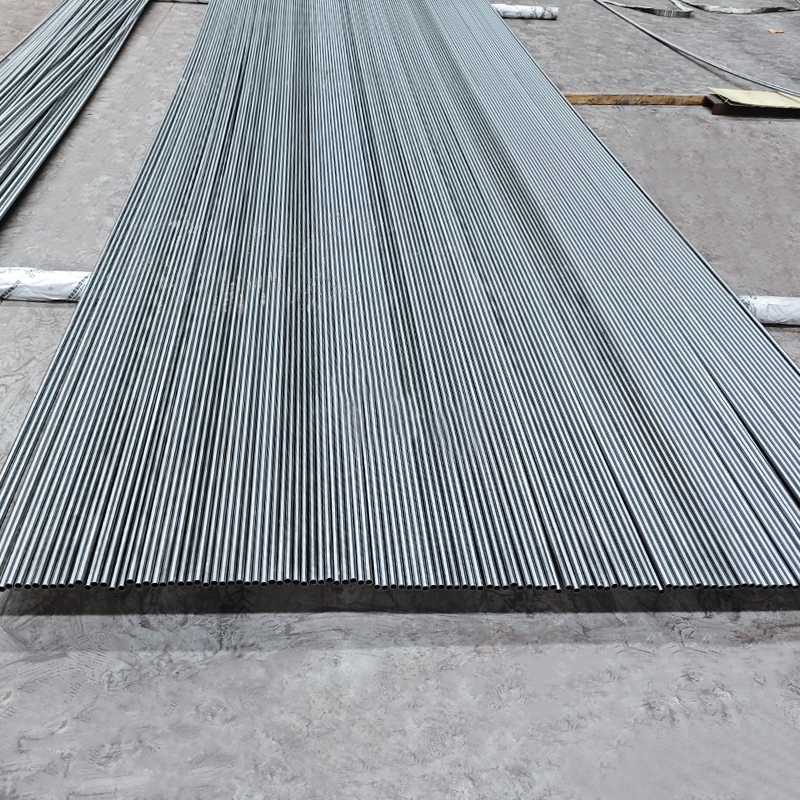
Our Stainless Steel Heat Exchanger Tubes are engineered for applications requiri...
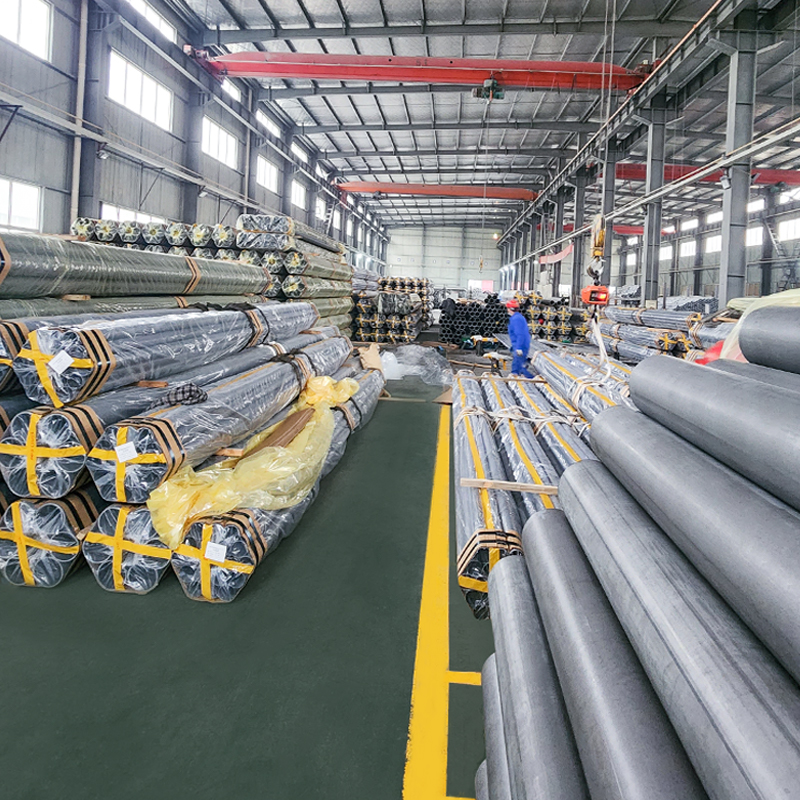
ASTM A513 Grade 1010 Precision Gravity Conveyor Roller Tubing – 2 in x 0.065 in
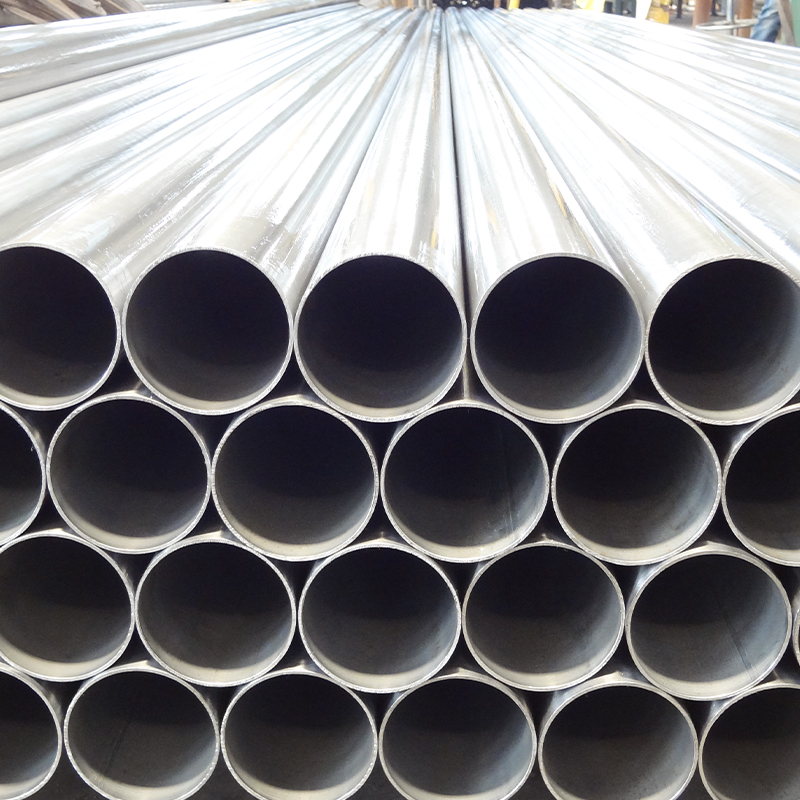
ASTM A513/A519 Precision Drive Shaft Tubing – 1026, 1020, 1015, 4130 (7 x 0.120 ...


