
 English
 Español
 русский
Cast Steel Bearing Housings – Precision Machined for Heavy-Duty Applications
Our high-quality cast steel bearing housings are designed for extreme loads and ...

Content
Precision steel tubes serve as the backbone of modern textile machinery, directly impacting production efficiency, fabric quality, and equipment longevity. These specialized tubes maintain dimensional tolerances within ±0.05mm and provide the structural integrity needed for high-speed operations running at 800-1200 RPM in spinning frames and looms. Without precision-engineered tubes, textile manufacturers face increased downtime, inconsistent fabric quality, and premature equipment failure.
The textile industry demands tubes that can withstand continuous vibration, maintain perfect roundness under load, and resist wear from constant friction with moving parts. A single millimeter of deviation in tube diameter can cause thread tension irregularities, leading to fabric defects affecting up to 15% of production output in weaving operations.
Precision steel tubes for textile machinery are manufactured from specific steel grades engineered to meet the demanding requirements of continuous operation environments.
| Steel Grade | Tensile Strength (MPa) | Typical Application | Surface Finish (Ra μm) |
|---|---|---|---|
| ST52 | 500-650 | Guide Rollers | 0.4-0.8 |
| E355 | 470-630 | Loom Frames | 0.8-1.6 |
| 20MnV6 | 600-750 | Creel Tubes | 0.2-0.4 |
| C45E | 650-800 | Hardened Shafts | 0.1-0.2 |
The production of precision steel tubes involves multiple specialized processes to achieve the exacting tolerances required by textile machinery manufacturers.
Cold drawing reduces tube diameter while increasing wall thickness uniformity to ±5% tolerance. This process work-hardens the steel, improving tensile strength by 15-25% compared to hot-finished tubes. Pilgering, used for smaller diameter tubes below 25mm, achieves even tighter tolerances of ±0.02mm on outer diameter, essential for spindle tubes in rotor spinning machines.
Internal honing removes surface irregularities and achieves bore tolerances of H7 or H8, critical for tubes used as linear motion guides. The process reduces surface roughness to Ra 0.2 μm, eliminating friction points that cause premature wear. External burnishing creates a compressive surface layer that extends fatigue life by up to 40% in cyclic loading applications.
Stress-relief annealing at 550-650°C removes residual stresses from cold working, preventing dimensional changes during operation. For tubes requiring higher hardness, induction hardening creates a case depth of 2-5mm with surface hardness reaching 58-62 HRC, while maintaining a ductile core that resists impact damage.
Different textile machinery components require precision tubes with specific characteristics tailored to their operational demands.
Ring spinning frames utilize precision tubes in multiple locations. Spindle tubes operate at 12,000-25,000 RPM and must maintain concentricity within 0.01mm to prevent thread breakage. Ring rails require tubes with superior straightness tolerances of 0.3mm per meter to ensure uniform yarn tension across hundreds of spindle positions.
Air-jet looms employ precision tubes as reed guides and temple rollers. These components experience continuous vibration at frequencies of 600-800 picks per minute and require tubes with dynamic load ratings exceeding 2000N. The internal surface finish must be below Ra 0.4 μm to prevent yarn snagging during high-speed insertion.
Choosing the correct precision steel tube requires analyzing multiple factors that directly impact machinery performance and maintenance costs.
Outer diameter tolerances should match the application: H7 tolerance for bearing fits, H9 tolerance for general structural applications, and H6 tolerance for precision linear guides. Wall thickness uniformity becomes critical in tubes subject to bending loads, where variations exceeding 10% can reduce load capacity by up to 30%.
Applications involving yarn contact require electropolished surfaces with Ra values below 0.2 μm to prevent fiber damage. Tubes used as hydraulic or pneumatic cylinders need honed bores achieving Ra 0.1-0.15 μm to minimize seal wear and prevent leakage. Chrome plating adds 5-15 μm thickness while increasing surface hardness to 800-1000 HV.
Textile facilities with high humidity levels or chemical exposure require protective treatments. Zinc phosphating provides basic corrosion resistance suitable for indoor environments, while nickel plating offers superior protection in dyeing and finishing areas where pH levels range from 3 to 11. For extreme environments, AISI 304 or 316 stainless steel tubes eliminate corrosion concerns entirely, though at 3-4 times the cost of carbon steel alternatives.
Rigorous testing ensures precision tubes meet the demanding requirements of textile machinery applications throughout their service life.
CMM (Coordinate Measuring Machine) inspection verifies outer diameter, wall thickness, and straightness at multiple points along the tube length. Statistical process control requires Cpk values ≥1.67 for critical dimensions, ensuring 99.99% of tubes fall within specification limits. Optical comparators measure concentricity and ovality with resolution to 0.001mm.
Surface roughness measurement using profilometers ensures finish specifications are met. Visual inspection under controlled lighting detects scratches, dents, or discoloration that could compromise performance. Adhesion testing of coated tubes verifies plating thickness and bond strength meet ASTM B571 standards.
Proper maintenance practices extend the operational life of precision steel tubes and prevent unexpected failures that disrupt textile production schedules.
Tubes used as linear guides require consistent lubrication with oils having viscosity grades between ISO VG 32-68. Over-lubrication causes dust and fiber accumulation, while under-lubrication accelerates wear by up to 200%. Automated lubrication systems deliver precise quantities at programmed intervals, typically every 8-12 hours of operation.
Regular dimensional checks using micrometers detect wear before it affects product quality. Vibration analysis identifies bearing degradation or mounting issues causing tube misalignment. Establishing baseline measurements and tracking changes enables predictive maintenance, reducing unplanned downtime by 60-75% compared to reactive maintenance approaches.
Under normal operating conditions with proper maintenance, precision steel tubes in textile machinery typically achieve:
While precision steel tubes command higher initial costs than standard tubes, the return on investment becomes clear when analyzing total cost of ownership.
Standard commercial tubes cost $8-15 per meter, while precision-engineered tubes range from $25-60 per meter depending on specifications. However, a textile mill operating 50 ring spinning frames found that upgrading to precision tubes reduced spindle replacement frequency from every 18 months to every 48 months, saving $180,000 annually in parts and labor costs. Additionally, product quality improvements reduced fabric defect rates from 8% to 3%, increasing saleable output by approximately 5%.
Energy efficiency gains also contribute to cost savings. Precision tubes with superior straightness and surface finish reduce friction in linear motion systems by 15-25%, lowering power consumption. For a medium-sized weaving facility operating 200 looms, this translates to annual energy savings of $35,000-50,000 at typical industrial electricity rates.
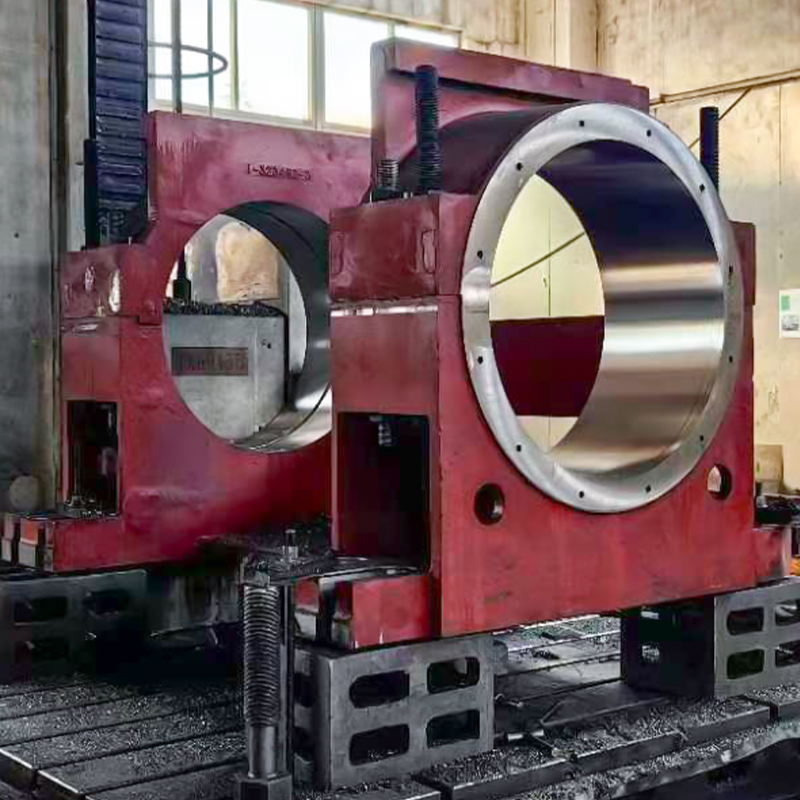
Our high-quality cast steel bearing housings are designed for extreme loads and ...
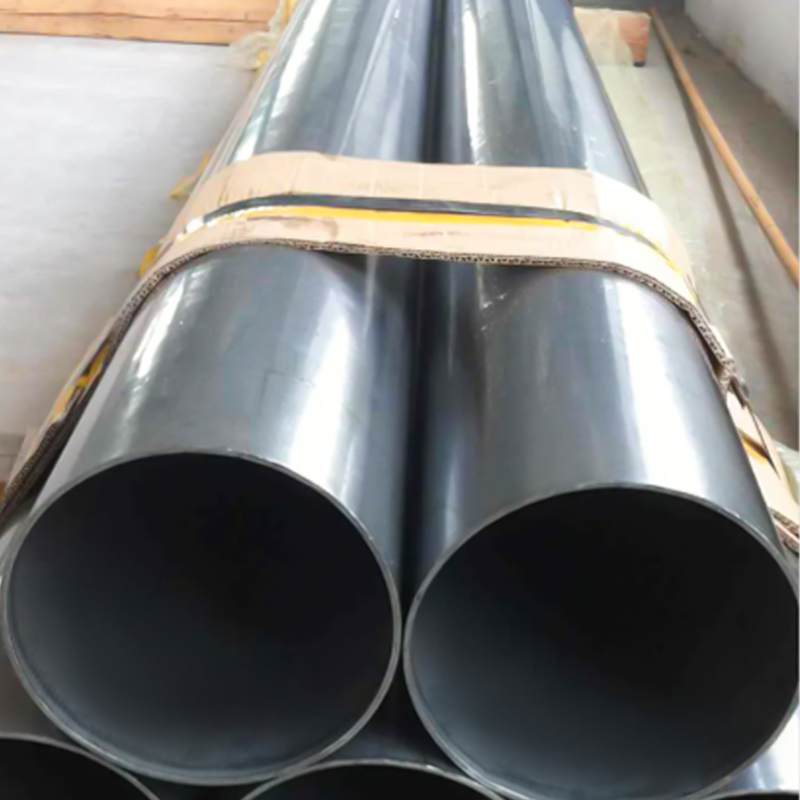
OverviewDiscover our Cold-Rolled Steel Precision Tubes, engineered to EN 10305-3...
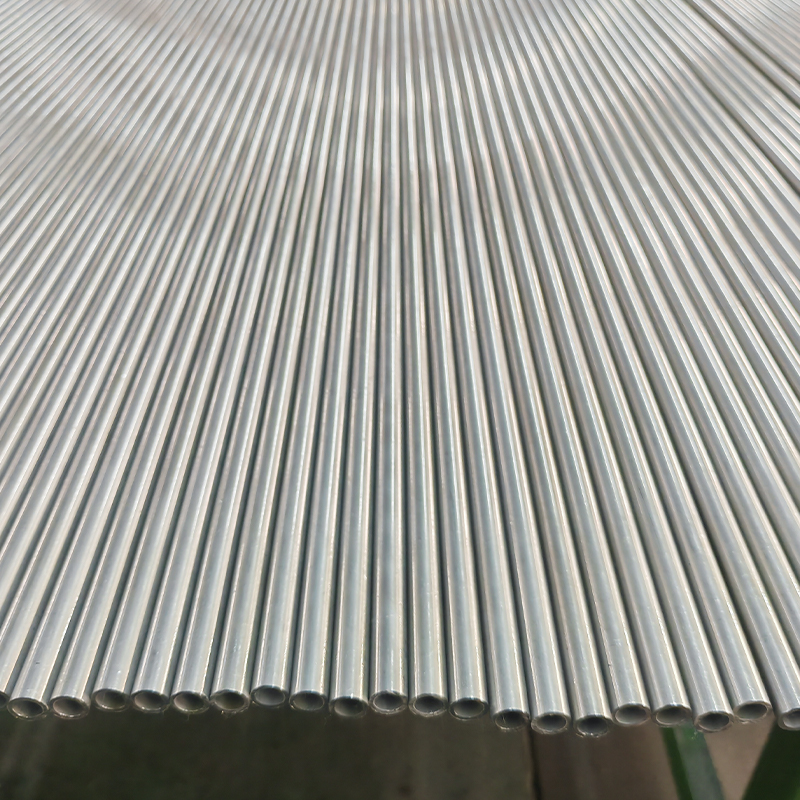
Our Hydraulic Tubes are manufactured from cold-drawn seamless steel (CDS) in com...
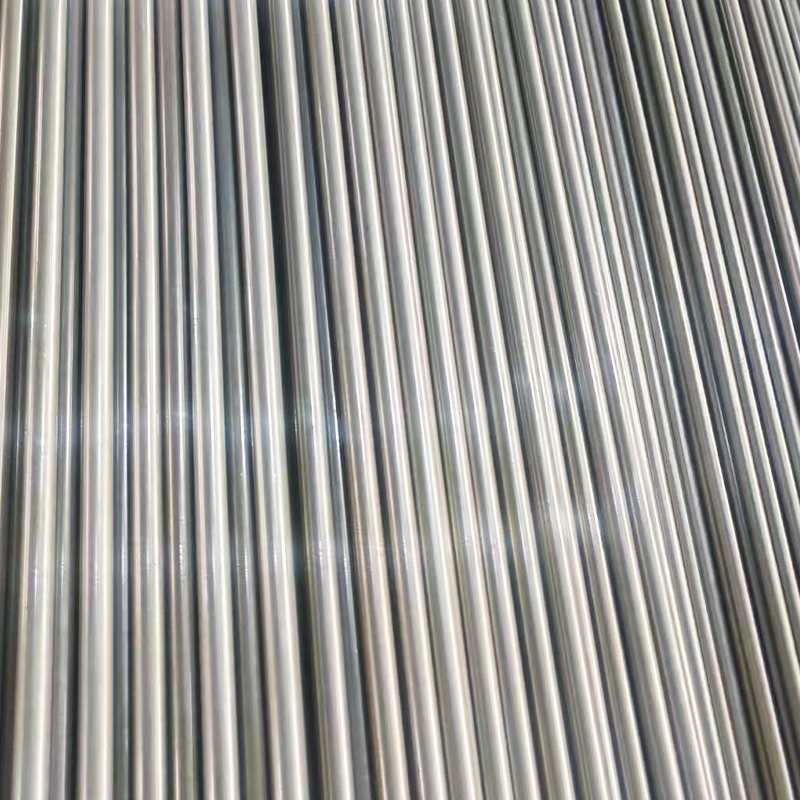
Our Welded Hydraulic Tubes are produced from cold-drawn or ERW-welded strip stee...
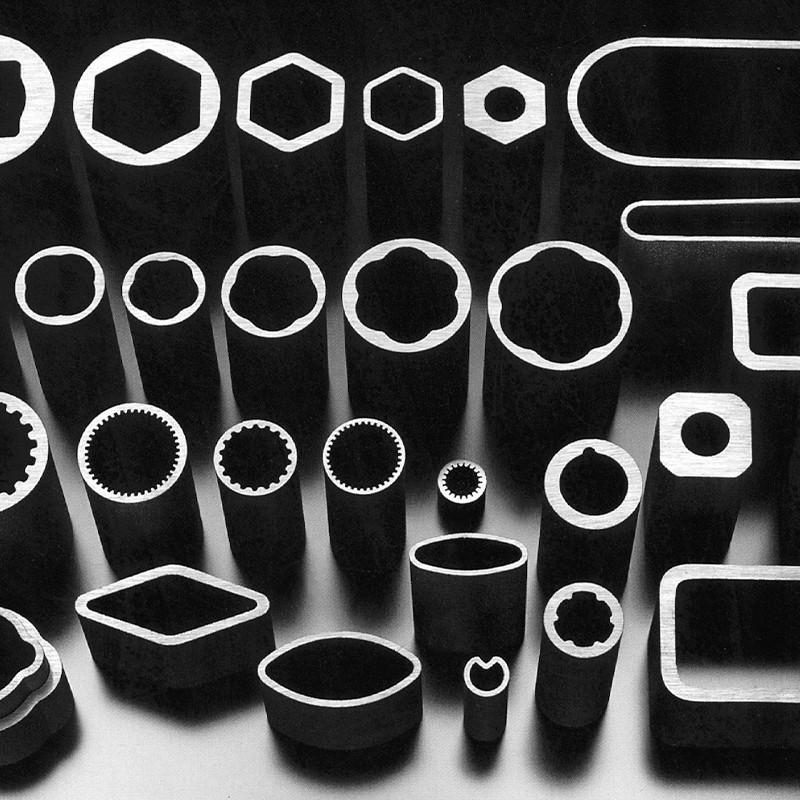
Our Special Shaped Steel Pipes are designed for applications requiring custom pr...
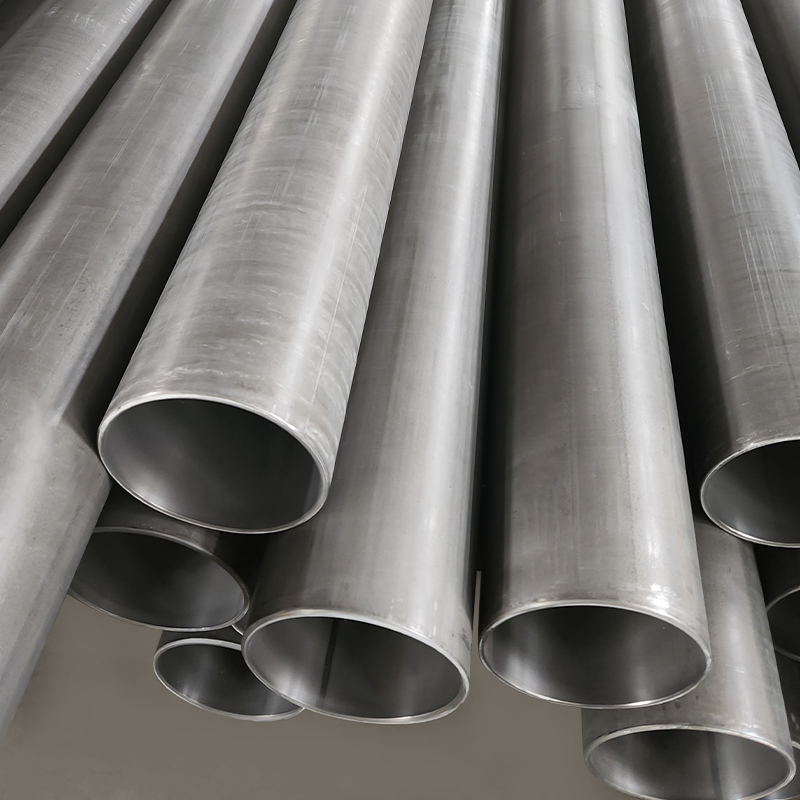
Our Hydraulic Shock Absorber Tube is manufactured to EN 10305-2 standards using


