
 English
 Español
 русский
Pneumatic Cylinder Tube – Stainless Steel 304/316, Polished ID for Corrosion-Resistant Applications
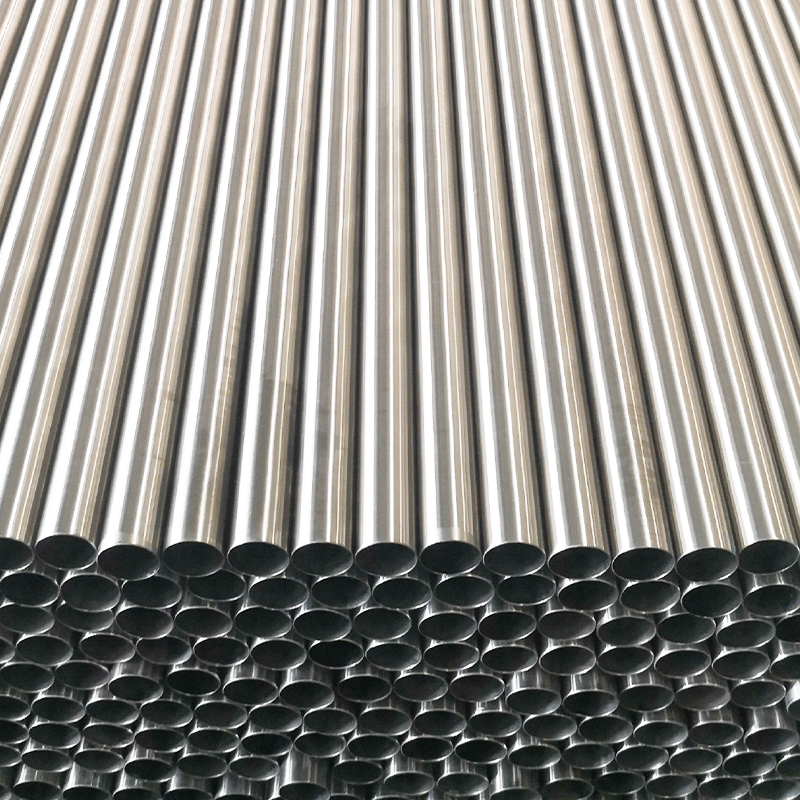
Our Stainless Steel Pneumatic Cylinder Tubes are precision-manufactured from 304...

Content
The tube material of a pneumatic cylinder directly determines its pressure rating, corrosion resistance, weight, and service life. For most industrial applications, carbon steel offers the best balance of strength and cost; stainless steel is the go-to choice for corrosive or food-grade environments; and aluminum alloy excels where weight reduction is a priority. Understanding the performance differences among these three materials helps engineers and buyers avoid costly mismatches between cylinder spec and application demand.
Each material brings a distinct set of mechanical properties, compatibility constraints, and cost implications. The sections below break down what you need to know about each option—and how to decide between them.
Carbon steel remains the most widely used tube material in pneumatic cylinders across heavy manufacturing, automotive assembly, and general industrial machinery. Its popularity comes down to a straightforward combination of mechanical strength and affordability.
Cold-drawn seamless carbon steel tubes typically achieve a tensile strength of 400–600 MPa, making them capable of handling operating pressures up to 1.6 MPa (16 bar) in standard pneumatic cylinder designs—and even higher in reinforced configurations. The material's yield strength holds up well under cyclic loading, which is essential for cylinders operating millions of strokes over their service life.
Wall thickness in carbon steel tubes typically ranges from 1.5 mm to 5 mm depending on bore size and pressure class, giving designers room to fine-tune the balance between weight and structural integrity.
The main limitation of carbon steel is its susceptibility to rust. Without surface treatment, moisture in the compressed air supply or the operating environment will cause corrosion on both the bore and exterior surfaces. Standard mitigation strategies include:
In clean, dry factory environments with proper air filtration and lubrication, carbon steel tubes reliably exceed 10 million stroke cycles before requiring seal replacement or bore rework.
Carbon steel tube stock costs approximately 30–50% less than comparable stainless steel and is widely available from domestic and international suppliers. For high-volume OEM applications where thousands of cylinders are built annually, this difference has a significant impact on total product cost.
Stainless steel pneumatic cylinder tubes are the material of choice wherever the operating environment involves moisture, chemicals, washdowns, or hygienic requirements. They are standard in food processing, pharmaceutical manufacturing, marine equipment, and outdoor machinery.
The two most prevalent stainless grades used in pneumatic cylinder tubes are 304 (1.4301) and 316 (1.4401). Their differences are meaningful in practice:
| Property | Grade 304 | Grade 316 |
|---|---|---|
| Chromium content | 18–20% | 16–18% |
| Molybdenum content | None | 2–3% |
| Chloride resistance | Moderate | High |
| Tensile strength | 515–620 MPa | 515–620 MPa |
| Food-grade suitability | Yes | Yes (preferred) |
| Relative material cost | Medium | Medium-High |
For applications involving saltwater spray or acidic cleaning chemicals—common in seafood processing or chemical plants—316 stainless is the safer specification. The added molybdenum creates a passive oxide layer that resists pitting corrosion in chloride-rich environments where 304 would eventually fail.
Stainless steel cylinder tubes are typically honed to an inner surface roughness of Ra 0.2–0.4 µm—equivalent to carbon steel bore finishes. In hygienic applications, the outer surface is often electropolished to Ra ≤ 0.8 µm, which minimizes bacterial adhesion and makes cleaning more effective.
Unlike carbon steel, stainless tubes generally do not require additional inner bore coating. The material's inherent corrosion resistance eliminates the chrome plating step, which can partially offset the higher raw material cost in total manufacturing cost calculations.
Aluminum alloy tubes bring a fundamentally different set of trade-offs to pneumatic cylinder design. Their defining advantage is weight: aluminum alloy has a density of approximately 2.7 g/cm³, compared to 7.85 g/cm³ for carbon steel and 8.0 g/cm³ for stainless steel. That's roughly one-third the weight for the same volume of material.
In robotics, end-of-arm tooling, gantry systems, and any application where actuators are moved dynamically, cylinder weight directly affects cycle time, energy consumption, and structural load on the surrounding machine frame. A pneumatic cylinder with an aluminum tube can be 40–60% lighter than an equivalent carbon steel version—a difference that compounds across multi-cylinder systems.
For example, a standard bore-63mm, 200mm stroke pneumatic cylinder might weigh approximately 1.8 kg in carbon steel and only 0.75 kg in aluminum alloy. On a six-axis robot arm carrying four such cylinders, that's over 4 kg of saved payload weight—directly increasing the robot's effective capacity or allowing use of a smaller, less expensive robot model.
The most common aluminum alloys used for cylinder tubes are 6061-T6 and 6063-T5, both offering good machinability and moderate corrosion resistance from their natural oxide layer. However, bare aluminum is significantly softer than steel—with a Brinell hardness of roughly 95 HB for 6061-T6 vs. 120–200 HB for carbon steel.
To address this, aluminum cylinder bores are almost always hard anodized, creating a surface layer with hardness up to 400–500 HV at a typical depth of 25–50 µm. This treatment dramatically improves wear resistance and seal life, bringing aluminum bore durability close to that of chrome-plated steel bores in moderate-duty cycles.
Aluminum alloy cylinder tubes are typically rated to 1.0 MPa (10 bar) operating pressure—lower than the 1.6 MPa rating common for equivalent carbon steel or stainless steel designs. This is generally adequate for standard pneumatic systems, where working pressures of 0.4–0.8 MPa are typical.
Operating temperature range for aluminum cylinders is usually -20°C to +80°C, which covers most factory environments. For high-temperature applications—such as near furnaces or in hot presses—carbon steel or stainless steel is the more appropriate choice.
The table below summarizes the key performance and application characteristics of carbon steel, stainless steel, and aluminum alloy pneumatic cylinder tubes to help with direct comparison.
| Characteristic | Carbon Steel | Stainless Steel | Aluminum Alloy |
|---|---|---|---|
| Density | 7.85 g/cm³ | 8.0 g/cm³ | 2.7 g/cm³ |
| Typical max pressure | 1.6 MPa | 1.6 MPa | 1.0 MPa |
| Corrosion resistance | Low (needs coating) | High | Moderate |
| Bore treatment | Hard chrome plating | Honing only | Hard anodizing |
| Operating temp range | -40°C to +150°C | -60°C to +300°C | -20°C to +80°C |
| Relative material cost | Low | High | Medium |
| Best for | General industrial use | Corrosive/hygienic environments | Weight-sensitive applications |
The decision framework doesn't need to be complicated. Work through the following questions in order:
In cases where two materials seem equally viable, total cost of ownership over the cylinder's expected service life—including maintenance labor and downtime costs—almost always points clearly to one option over the other.
Regardless of tube material, the quality of the finished bore is the single most important factor in cylinder performance. A poorly honed bore—regardless of material—will accelerate seal wear and cause premature failure. When evaluating pneumatic cylinder tubes, verify the following:
Leading cylinder manufacturers comply with standards such as ISO 15552 (profile cylinder standard), ISO 6432 (mini cylinders), and national standards like JIS B 8370 in Japan. Specifying cylinders to these standards ensures tube geometry and material properties fall within tested, validated ranges.
The three main pneumatic cylinder tube materials each have a clearly defined performance domain. Carbon steel dominates in cost-sensitive, clean industrial environments. Stainless steel is the non-negotiable choice for corrosive, hygienic, or food-grade settings. Aluminum alloy delivers unmatched weight savings in dynamic and robotic applications where mass is a design constraint.
Selecting the wrong material doesn't just create a maintenance problem—it can compromise safety, reduce machine uptime, and generate warranty costs that far exceed what a proper material selection would have cost upfront. Use the operating environment, pressure rating, weight budget, and total cost of ownership as your primary selection criteria, and verify bore quality specifications before committing to a supplier.

Our Stainless Steel Pneumatic Cylinder Tubes are precision-manufactured from 304...
Our Chrome-Plated ID Pneumatic Cylinder Tubes feature a high-strength carbon ste...
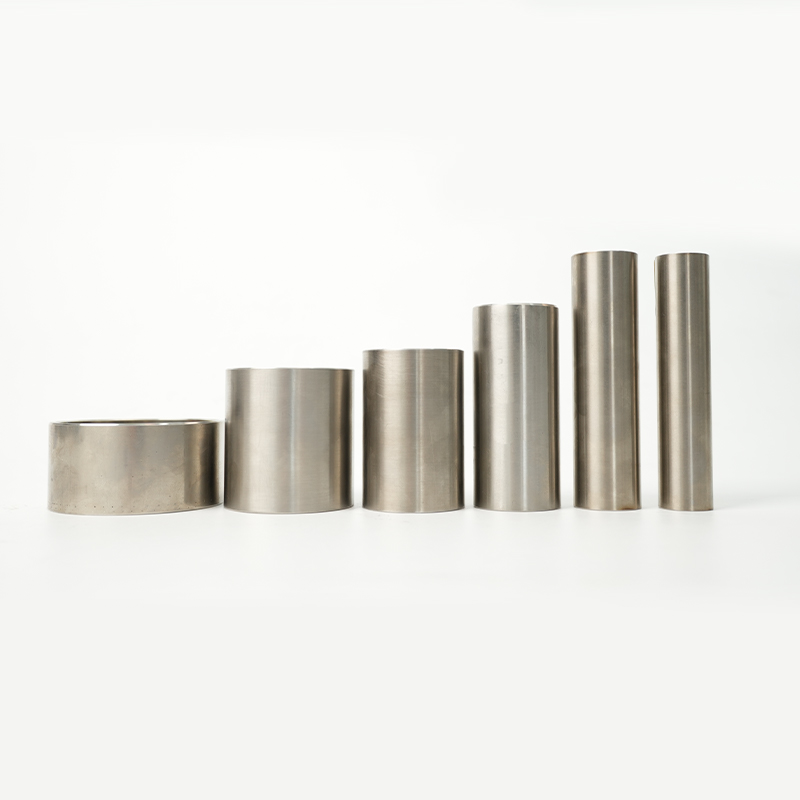
Our Aluminum Alloy 6063-T5 Pneumatic Cylinder Tubes are precision-engineered for...
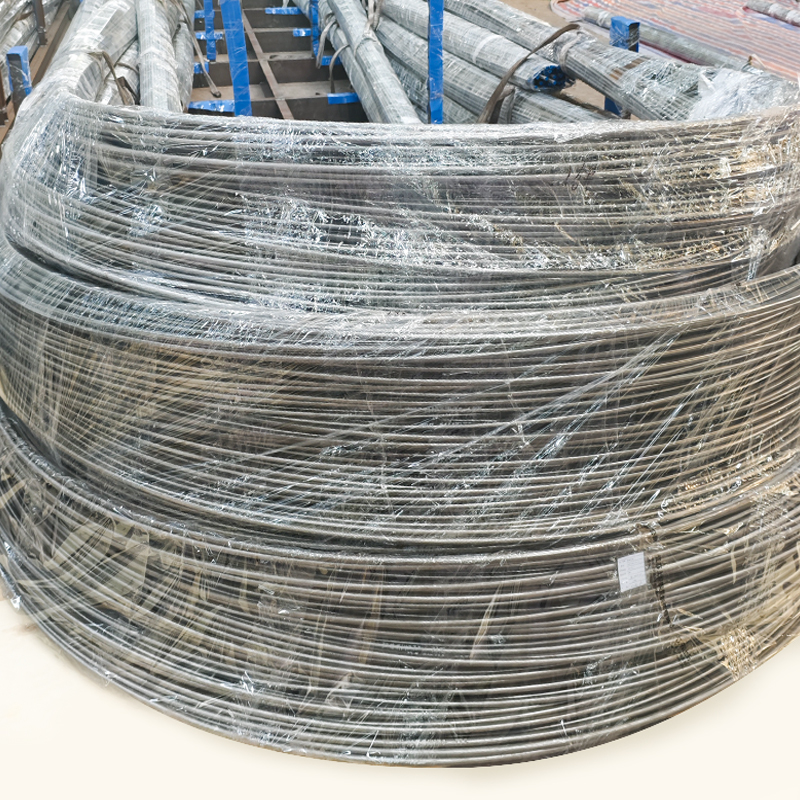
Our Carbon Steel Heat Exchanger Tubes are designed for use in low- to medium-tem...
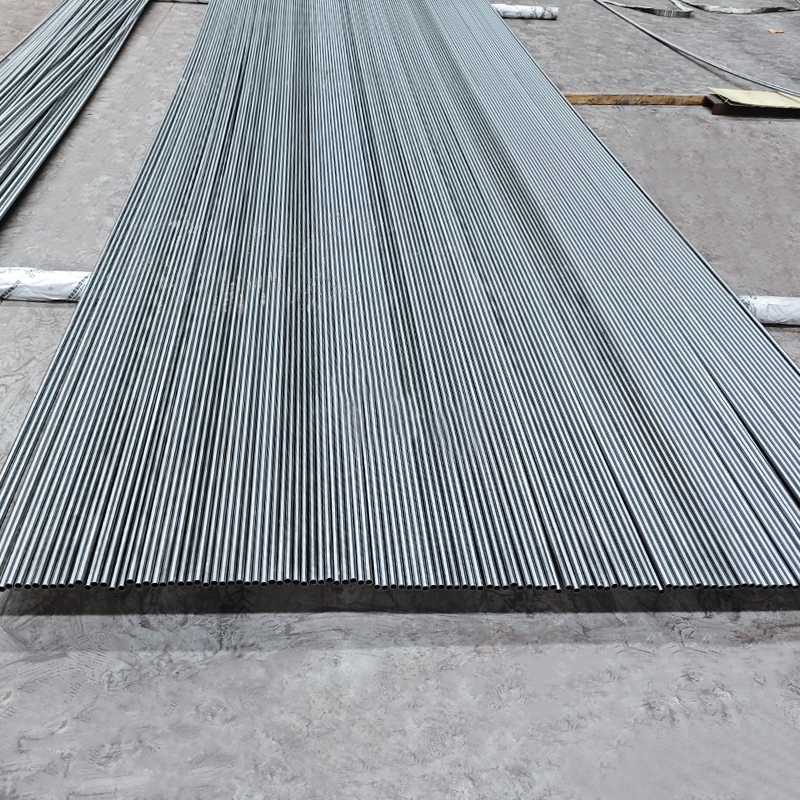
Our Stainless Steel Heat Exchanger Tubes are engineered for applications requiri...
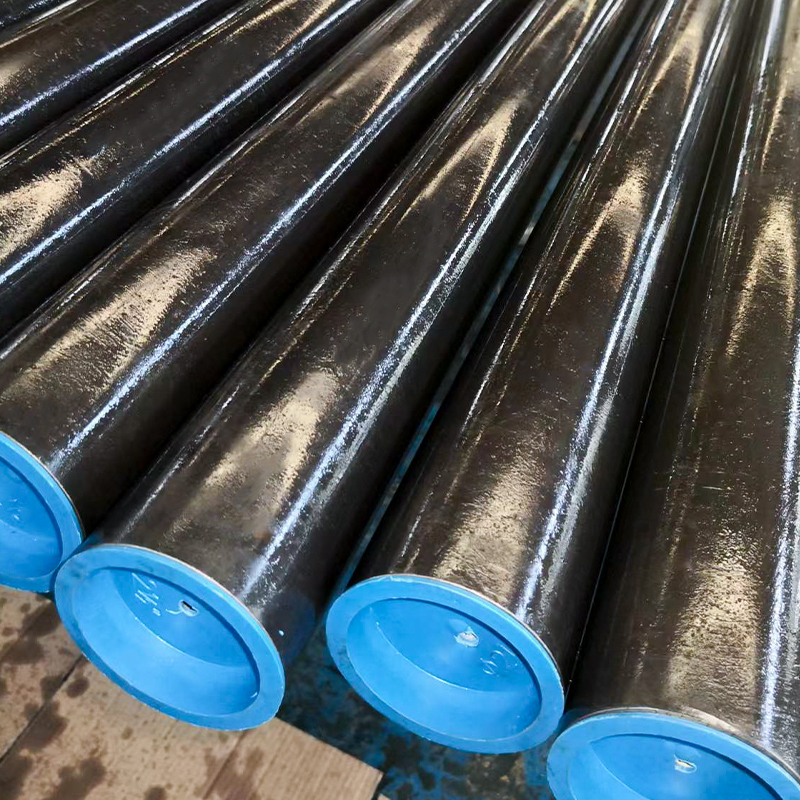
Our Hydraulic Cylinder Tubes are made from cold drawn seamless steel according t...


