
 English
 Español
 русский
DIN 2394 ST37.2 Heavy-Duty Conveyor Roller Tubing – Ø89 x 3 mm for Mining & Bulk Handling
DIN 2394 ST37.2 Heavy-Duty Conveyor Roller Tubing – Ø89 x 3 mm for Mining & ...

Content
When an automotive engineer receives a drawing for a drive shaft, a shock absorber body, or a hydraulic cylinder barrel, the first material decision usually comes down to one question: DOM or seamless? For the large majority of vehicle tubular components, the answer is DOM tubing. Drawn-over-mandrel tube combines the low cost of welded starting stock with the strength, surface finish, and dimensional consistency that rotating and pressurized components demand. It is the automotive industry’s default mechanical tubing, not a niche specialty.
The reason is not a single property but a combination of them. Cold drawing raises yield and tensile strength, improves the weld seam, and leaves a smoother bore and outer surface than as-welded ERW. That translates into thinner walls for the same load, fewer machining operations, and more predictable welding behavior when brackets or yokes are joined to the tube. Because DOM tubing is fully covered by standards such as ASTM A513 Type 5 and EN 10305-2, OEMs can specify it globally without the qualification headaches that come with proprietary materials.
DOM stands for drawn over mandrel. Despite what the acronym sometimes suggests, it is a cold-drawn welded tube, not a seamless product. The manufacturing route explains most of its advantages:
The cold-drawing step does two things that matter to automotive engineers. It work-hardens the steel, raising yield strength without additional heat treatment, and it refines the weld zone so the seam no longer behaves as a weak line. Because the starting material is strip, DOM is available across a wide range of outside diameters and wall thicknesses, which gives designers more freedom than they often realize.
For vehicle applications, the properties that count are yield strength, surface finish, wall-thickness concentricity, and OD/ID control. Each one affects a different aspect of performance, from fatigue life to seal retention.
| Standard | Grade | Typical Yield Strength | Typical Automotive Use |
|---|---|---|---|
| EN 10305-2 | E235 | 235 MPa minimum | Shock absorber bodies, light structural tubes |
| EN 10305-2 | E355 | 355 MPa minimum | Drive shafts, cylinder tubes, higher-load components |
| ASTM A513 Type 5 | 1010 / 1020 | Approx. 310–330 MPa after drawing | Roll bars, light frames, conveyor and roller components |
| ASTM A513 Type 5 | 1026 | Approx. 415–480 MPa after drawing | Drive shafts, heavy cylinder tubes, suspension parts |
Rotating components such as propeller shafts need good concentricity and consistent wall thickness; imbalance is a vibration problem that shows up at highway speed. Cylinders and shock absorbers, on the other hand, live and die by inner-diameter finish. Seals in a vehicle’s shock absorber or hydraulic actuator run directly against the tube bore, so a rough ID causes wear, internal leakage, and early warranty claims. For final honed cylinders, H8 or H9 tolerances and Ra 0.4 or better surface finish are common requirements, and a DOM starting tube gets the manufacturer much closer to those targets than ERW ever would.
If a drawing is written to the European EN 10305-2 specification, the material in question is cold-drawn welded steel tube to EN 10305-2 E235/E355. That same product class also serves as the base tube for many honed cylinder programs.
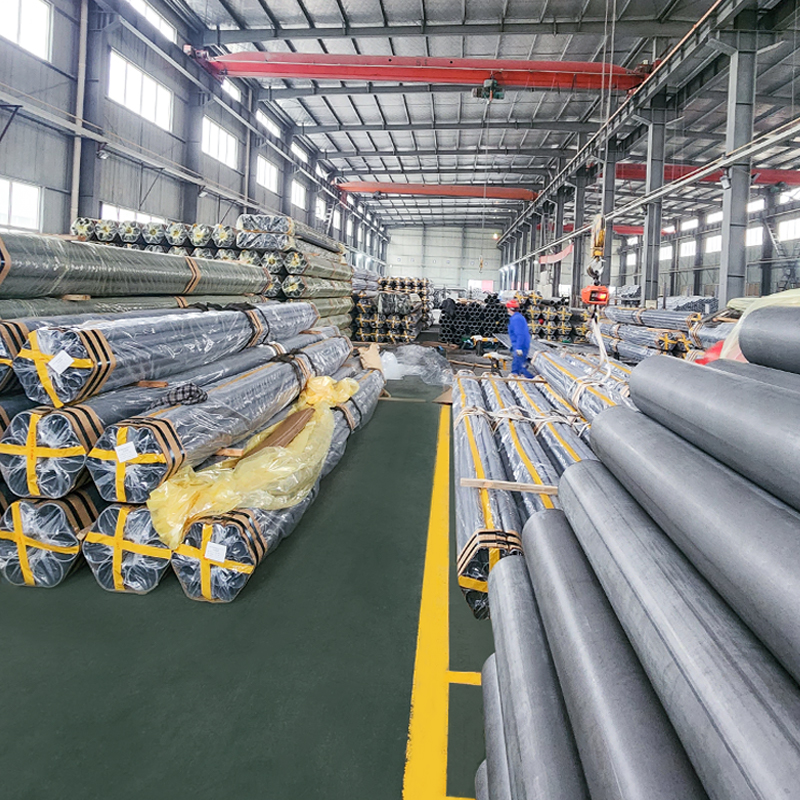 Cold Drawn Welded Steel Tube (CDW) En10305-2 Grade E235 E355 E460, Suppliers - JSuao is China Supplier of Cold Drawn Welded Steel Tube (CDW) En10305-2 Grade E235 E355 E460, Custom Cold Drawn Welded Steel Tube (CDW) E...View Product →
Automotive use of DOM tubing is broader than most buyers assume. It shows up not only in obvious places like drive shafts, but also in suspension, actuators, and structural components where a round, precise, high-strength tube is required.
Propeller shafts, intermediate shafts, and steering columns all run on DOM tube. The high yield strength permits thinner walls, reducing driveline weight, while the smooth and concentric bore keeps balancing effort low. Grades such as SAE 1026 and E355 are common because they offer a favorable strength-to-weight ratio after cold drawing. For a passenger-car propeller shaft, the typical specification is a cold-drawn 1026 grade; precision drive shaft tubing to ASTM A513/A519 in 1026, 1020, and 1015 covers most of these programs, with the straightness and concentricity that balance lines require.
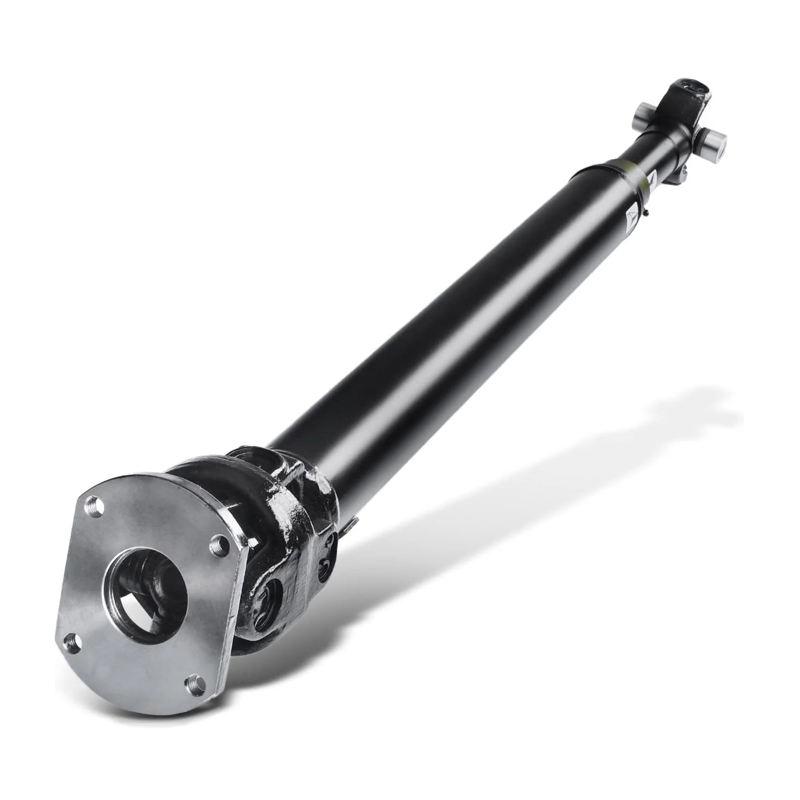 ASTM A513/A519 Precision Drive Shaft Tubing – 1026, 1020, 1015, 4130 (7 x 0.120 Suao is China Supplier of ASTM A513/A519 Precision Drive Shaft Tubing – 1026, 1020, 1015, 4130 (7 x 0.120 inches & 2–8.625 inches), Cust...View Product →
The working tube of a vehicle shock absorber is essentially a thin-walled cylinder. Its ID tolerance controls the piston-to-bore clearance, and its surface quality controls seal life. This is where DOM’s smooth bore is a genuine engineering advantage, not just a convenience. A typical specification is EN 10305-2 E235-N, and our EN 10305-2 E235-N cold-drawn shock absorber tube is produced specifically for that duty. Engineers comparing material options for this application will find a detailed shock absorber tube selection guide useful, particularly when evaluating steel, stainless, and aluminum alternatives.
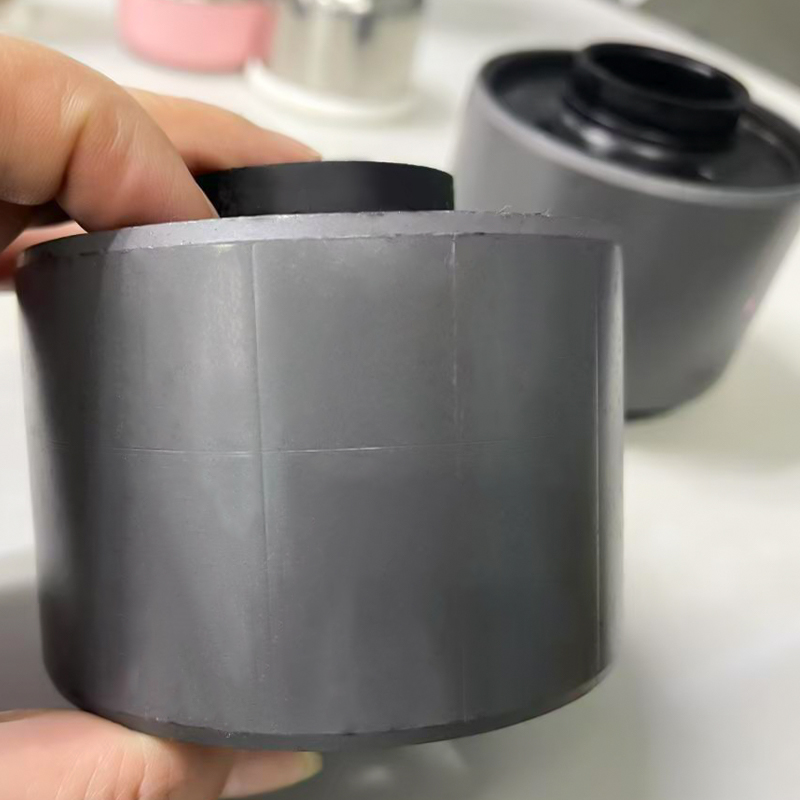 Hydraulic Shock Absorber Tube – EN 10305-2 E235+N, Cold Drawn Welded Precision SSuao is China Supplier of Hydraulic Shock Absorber Tube – EN 10305-2 E235+N, Cold Drawn Welded Precision Steel Tube Ø40 x 2mm, Custom Hy...View Product →
Automotive actuators are everywhere once you start looking: power tailgates, convertible tops, air-suspension leveling cylinders, truck cab tilt systems, and trailer lift axles all use small hydraulic cylinders. The barrel of each cylinder is a DOM tube, often honed to H8 after drawing. Inner surface quality is critical because an actuator that leaks internally fails gradually and quietly, which makes it hard to detect until a related component fails. For the same reason, piston rods used in these actuators are normally hard-chrome-plated and induction-hardened rather than used in the raw drawn condition.
Not all round steel tubes are equal, and the differences are not academic. Choosing the wrong product type shows up in vibration, leaking seals, and weld failures. The practical distinctions are:
In short, DOM delivers most of the benefit of seamless at a fraction of the cost. For a practical look at where the lines are drawn, our comparison of ERW, DOM, and CDS tubing walks through the measurable trade-offs in strength, tolerance, and price.
A material certificate alone is not enough when the tube is going into a vehicle. OEM buyers, tier-one suppliers, and their quality engineers should verify at least the following before approving a DOM source:
A supplier with in-house cold drawing, quality control, and secondary processing is preferable to a trading house. The ability to cut, chamfer, straighten, and apply surface treatment under one roof reduces handling damage, shortens lead times, and makes quality responsibility clear. This matters more in automotive than in any other industry because every deviation, no matter how small, has a part number attached to it.
The practical rule for automotive buyers is: qualify the material, then qualify the supplier. Start with DOM, compare it against the load case and the manufacturing process, and move to E355 or 1026 when the application demands higher strength. Move to seamless only when the design truly requires the absence of a weld seam. In most vehicle programs, DOM tubing will pass the technical review, and the biggest risk will not be the steel itself but the reliability of the supplier behind it.
Work with a manufacturer that can supply the complete range of cold-drawn welded tubes, from thin-wall shock absorber bodies to heavy cylinder barrels, and that can back them with inspection data, standards compliance, and a repeatable process. That combination is what turns a tube into a dependable automotive component.
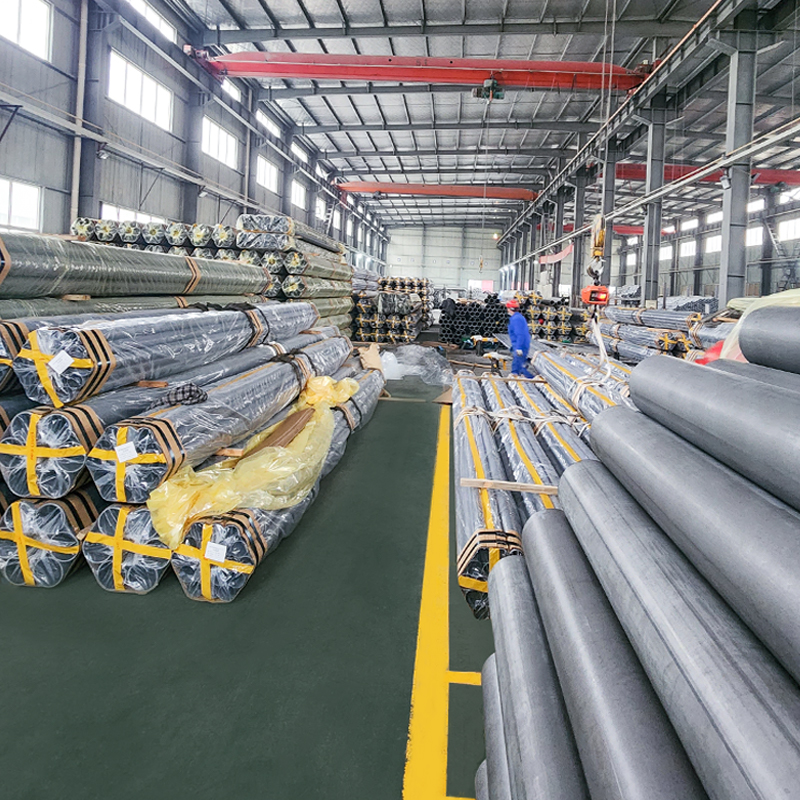
DIN 2394 ST37.2 Heavy-Duty Conveyor Roller Tubing – Ø89 x 3 mm for Mining & ...
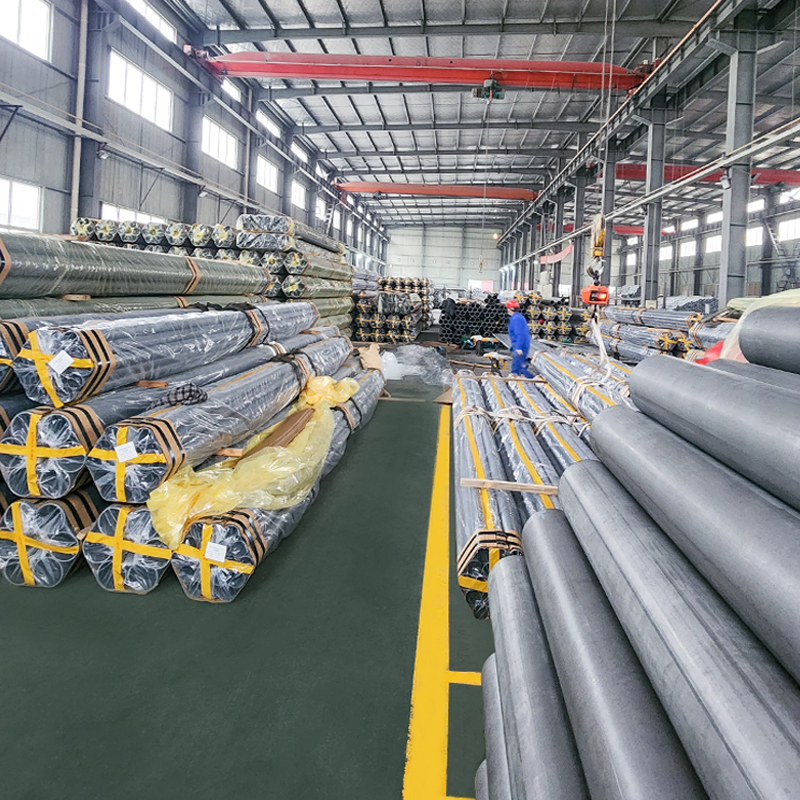
EN 10305-3 E235 Precision Conveyor Roller Tubing – Ø60.3 x 2.0 mm for Material H...
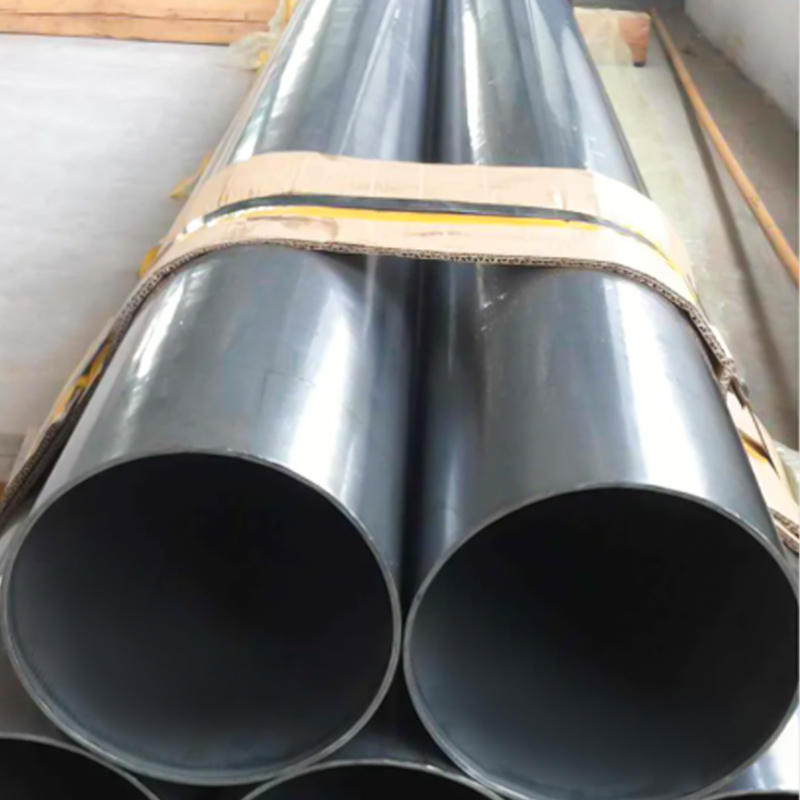
Cold-Rolled Steel Tube – ASTM A513 Type 2 Grades 1010, 1015, 1020, 1026 (1” x 0....
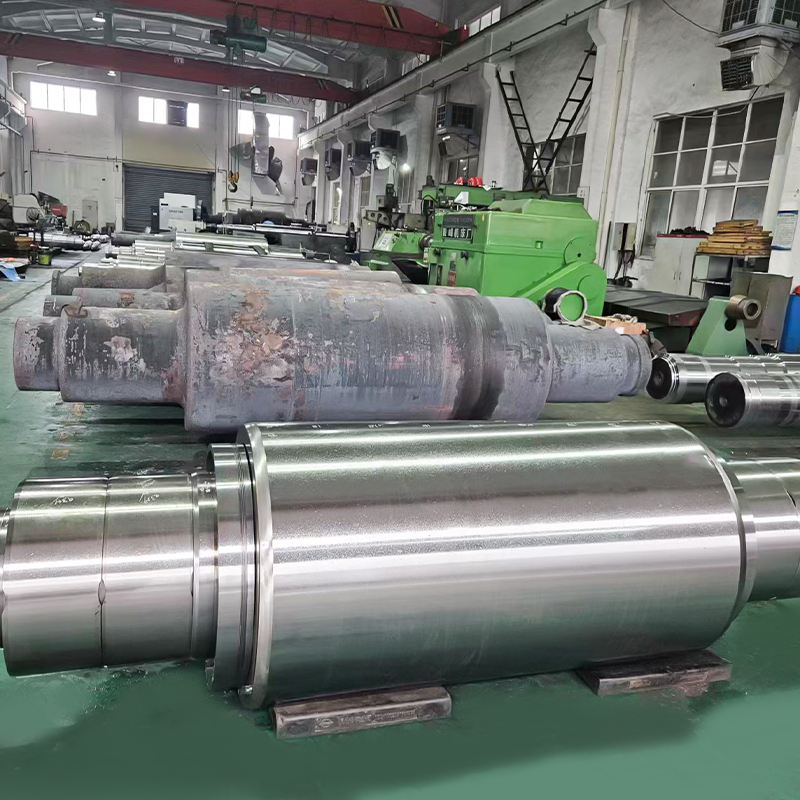
Our forged and machined work rolls are engineered for high-performance rolling m...
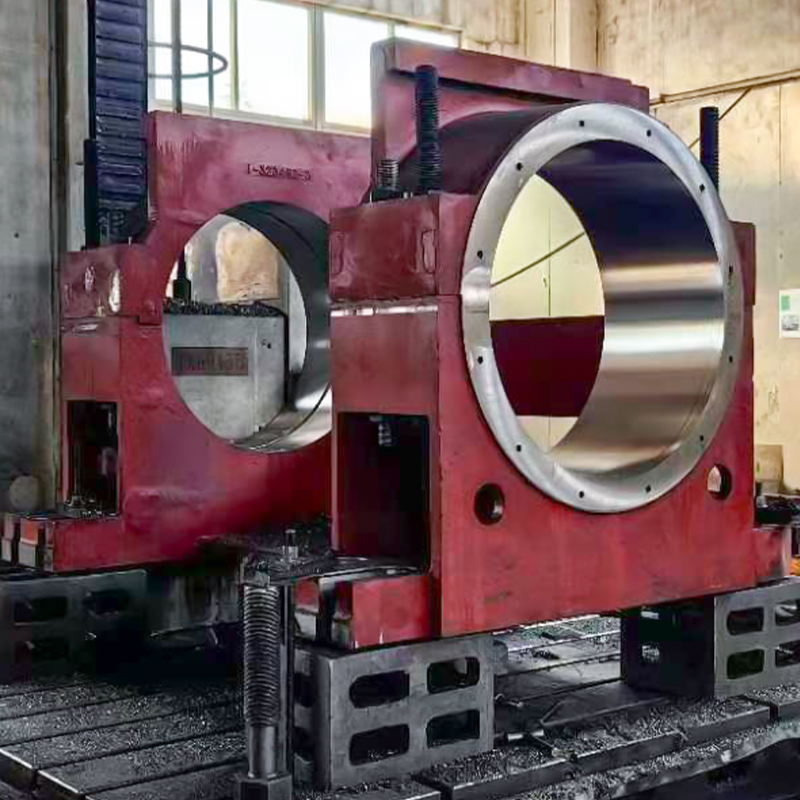
Our high-quality cast steel bearing housings are designed for extreme loads and ...
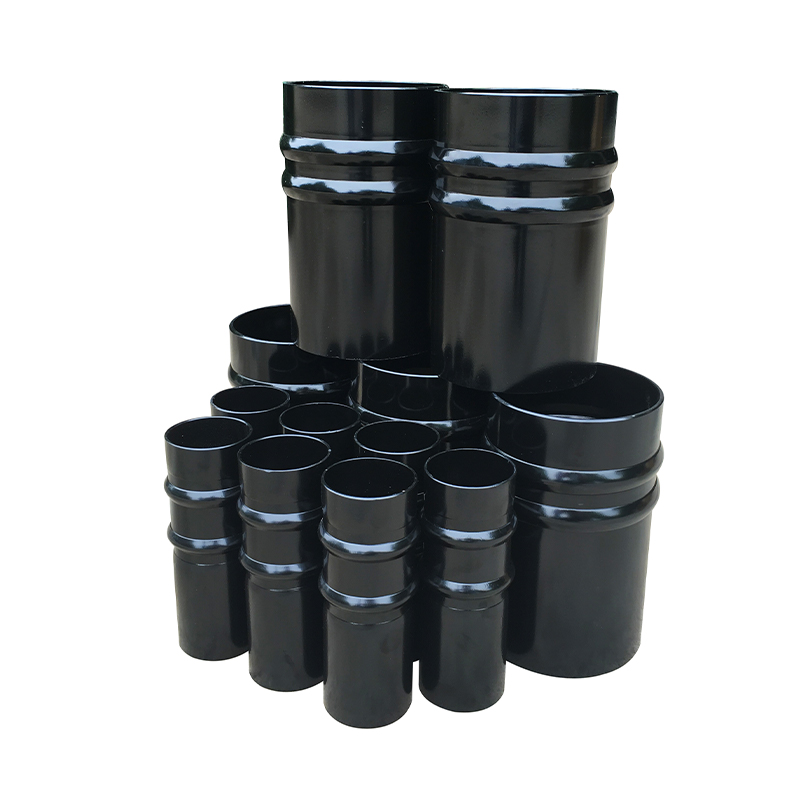
Our Custom Fabricated Tubing offers precision bent, welded, and shaped tubes tai...


