
 English
 Español
 русский
Mining Exploration Drill Rod Ø60 x 5mm – Alloy Steel 4130, High Strength Core Drilling Rods
Mining Exploration Drill Rod Ø60 x 5mm – Alloy Steel 4130, High Strength Core Dr...

Content
Steel tubes serve as the backbone of geological drilling operations, providing the structural integrity and durability required to penetrate various earth formations. These specialized drilling rods must withstand extreme torsional forces, axial loads, and corrosive environments encountered during deep-earth exploration. The selection of appropriate steel tubes directly impacts drilling efficiency, operational safety, and project economics. Geological drilling encompasses mineral exploration, geotechnical investigation, water well construction, and oil and gas extraction, each demanding specific tube characteristics tailored to formation hardness, drilling depth, and environmental conditions.
The manufacturing process of geological drilling rods involves precision engineering to ensure dimensional accuracy, metallurgical consistency, and surface finish quality. High-grade steel alloys are selected based on yield strength, fatigue resistance, and wear characteristics. Modern drilling operations frequently extend beyond 3,000 meters, requiring tubes capable of maintaining structural integrity under compressive loads exceeding 500 tons while rotating at speeds up to 150 RPM. The tube's wall thickness, diameter, and connection design must be optimized to balance strength requirements with weight considerations, as excessive rod weight can exceed rig hoisting capacity and increase drilling costs.
The choice of steel grade fundamentally determines drilling rod performance and service life. Geological drilling tubes typically employ high-strength low-alloy steels or premium alloy steels with specific chemical compositions engineered for drilling applications. The carbon content, alloying elements, and heat treatment processes directly influence mechanical properties including tensile strength, toughness, and hardenability. Common steel grades used in geological drilling applications include AISI 4145H modified chromium-molybdenum steel, offering excellent strength-to-weight ratios and fatigue resistance, and S135 grade steel providing yield strengths exceeding 135,000 psi for ultra-deep drilling operations.
| Steel Grade | Yield Strength (psi) | Tensile Strength (psi) | Primary Application |
| G105 | 105,000 | 125,000 | Moderate depth drilling |
| S135 | 135,000 | 145,000 | Deep drilling operations |
| 4145H Modified | 120,000 | 140,000 | General geological exploration |
| V150 | 150,000 | 160,000 | Ultra-deep high-stress environments |
Material selection must also account for environmental factors including hydrogen sulfide exposure, corrosive formation fluids, and temperature extremes. In sour gas environments containing H2S concentrations above 0.05 psi partial pressure, special sour-service grades with controlled hardness levels prevent sulfide stress cracking. Similarly, high-temperature drilling applications exceeding 150°C require steels with enhanced creep resistance and thermal stability to prevent premature failure. The metallurgical properties are verified through rigorous testing protocols including tensile testing, impact testing at service temperatures, hardness surveys, and non-destructive examination to ensure compliance with API specifications and industry standards.
Thread connections represent the critical interface where adjacent drilling rods join to form a continuous drill string. The connection design must provide sufficient tensile strength to suspend the entire drill string weight, torsional capacity to transmit rotational torque, and sealing capability to prevent fluid migration. Thread forms have evolved from simple API regular threads to premium connections featuring proprietary geometries, metal-to-metal seals, and torque shoulders that enhance performance in demanding applications. The thread pitch, taper angle, stab flank angle, and load flank angle are precisely engineered to optimize stress distribution and prevent galling during makeup and breakout operations.
Thread compound selection and application technique significantly influence connection performance and longevity. Heavy-duty thread compounds containing metallic particles, extreme-pressure additives, and corrosion inhibitors reduce thread galling, prevent seizing during makeup, and protect threads during storage. The makeup torque must be carefully controlled using calibrated tong systems to achieve optimal preload without exceeding the thread's yield strength. Over-torquing causes thread deformation and reduced fatigue life, while under-torquing results in inadequate sealing and potential connection failure. Modern drilling operations employ torque-turn monitoring systems that record makeup parameters, enabling quality control verification and providing traceability for each connection in the drill string assembly.
Geological drilling tubes are manufactured in standardized dimensions that balance hydraulic efficiency, mechanical strength, and compatibility with drilling equipment. The outer diameter typically ranges from 2-3/8 inches for mineral exploration core drilling to 6-5/8 inches for large-diameter water well and petroleum applications. Wall thickness varies from 0.280 inches to 0.500 inches depending on required collapse resistance and internal pressure rating. The internal diameter determines drilling fluid velocity and cuttings transport efficiency, with minimum flow areas calculated to maintain turbulent flow conditions that effectively clean the hole and cool the drill bit.
| Nominal OD (inches) | Wall Thickness (inches) | Weight (lb/ft) | Typical Application |
| 2-3/8 | 0.280 | 4.85 | Mineral core drilling, shallow exploration |
| 2-7/8 | 0.362 | 6.85 | Geotechnical investigation, environmental drilling |
| 3-1/2 | 0.368 | 9.50 | Intermediate depth drilling, rotary applications |
| 4-1/2 | 0.430 | 13.75 | Deep geological drilling, petroleum exploration |
| 5-1/2 | 0.500 | 21.90 | Large diameter water wells, production drilling |
Length specifications for geological drilling tubes standardize at Range 2 (28-32 feet) or Range 3 (38-45 feet) to optimize rig handling efficiency and minimize connection count. Shorter lengths facilitate easier handling on compact exploration rigs with limited mast height, while longer sections reduce trip time and connection-related non-productive time on deep wells. The tube straightness tolerance typically permits maximum 0.06 inches deviation per 10 feet of length to ensure smooth rotation and prevent excessive vibration. Upset dimensions at connection areas are controlled to maintain adequate clearance within casing strings while providing sufficient cross-sectional area for mechanical loads.
Surface treatments extend drilling rod service life by protecting against corrosion, abrasive wear, and erosion damage. The steel tube surface encounters aggressive environments including acidic formation fluids, chloride-rich groundwater, and abrasive rock cuttings suspended in drilling mud. Unprotected steel surfaces rapidly deteriorate through uniform corrosion, pitting, and erosion-corrosion mechanisms, leading to wall thinning, stress concentrations, and premature fatigue failure. Protective coating systems are selected based on anticipated exposure conditions, required service life, and economic considerations.
Surface preparation quality fundamentally determines coating adhesion and long-term performance. Industry standards require near-white metal blast cleaning to Sa 2.5 or NACE No. 2 cleanliness level, removing all mill scale, rust, and contaminants while creating 50-75 micron anchor pattern for mechanical bonding. The coating application must occur within four hours of surface preparation to prevent flash rusting that compromises adhesion. Quality control procedures include dry film thickness measurement, holiday detection using high-voltage spark testing, and adhesion testing via pull-off or cross-hatch methods to verify coating integrity before shipment.
Comprehensive inspection programs ensure geological drilling tubes meet specified mechanical properties, dimensional tolerances, and defect-free condition required for safe operation. Manufacturing defects including laminations, seams, laps, cracks, or inclusions create stress concentrations that propagate under cyclic loading, leading to catastrophic failure. Quality control begins with incoming raw material certification verifying chemical composition and heat treatment conditions, continues through manufacturing with in-process dimensional checks, and concludes with final product testing before shipment.
In-service inspection protocols identify damage accumulation and predict remaining useful life to prevent unexpected failures. Drill string inspection programs typically examine 100% of connections and upset areas after every 500-1000 drilling hours using magnetic particle or liquid penetrant methods. Advanced inspection technologies including rotary electromagnetic inspection systems can scan entire drill string during tripping operations, detecting fatigue cracks, corrosion pitting, and wear damage without disassembly. Tubes exhibiting crack indications, wall loss exceeding 12.5% of nominal thickness, or connection galling damage are removed from service and either repaired or retired based on severity and location of defects.
Geological drilling tubes operate under complex loading conditions combining tension from suspended weight, compression from drilling weight-on-bit, torsion from rotary torque, and bending from hole curvature. These loads vary cyclically during drilling, tripping, and circulation operations, accumulating fatigue damage over the tube's service life. Understanding failure mechanisms enables selection of appropriate materials, design modifications, and operational practices that maximize reliability and minimize non-productive time associated with fishing operations and drill string replacement.
Fatigue cracking represents the predominant failure mode in geological drilling applications, accounting for approximately 60-70% of tube failures. Fatigue cracks typically initiate at stress concentration points including thread roots, upset transitions, tool joint shoulders, and areas of mechanical damage such as slip marks or corrosion pits. The crack propagation rate depends on stress amplitude, mean stress level, material toughness, and environmental factors. High-cycle fatigue occurs in the tube body from rotary drilling vibrations, while low-cycle fatigue affects connections subjected to repeated makeup and breakout operations. Fatigue life prediction models based on S-N curve data and Miner's cumulative damage rule estimate safe operating periods, though actual service life varies significantly based on drilling conditions and operational practices.
Preventive measures to mitigate failure risks include strict adherence to manufacturer's recommended operating envelopes, regular inspection and maintenance programs, proper drilling practices that minimize vibration and shock loads, and drilling fluid chemistry control to reduce corrosion rates. Real-time monitoring systems tracking weight-on-bit, torque, and vibration parameters enable early detection of abnormal conditions before damage accumulation reaches critical levels. When combined with comprehensive inspection programs and systematic tube retirement criteria based on accumulated service hours and defect severity, these measures optimize drilling string reliability while managing maintenance costs and inventory requirements.
Proper storage and handling procedures preserve geological drilling tube integrity and prevent damage that compromises performance or reduces service life. Tubes delivered from manufacturing facilities require protection from environmental exposure, mechanical damage during transportation and storage, and contamination that interferes with connections or protective coatings. Industry guidelines specify storage rack configurations that prevent tube bending, thread protector installation requirements, and environmental controls that minimize corrosion during extended storage periods.
Storage racks must support tubes at sufficient intervals to prevent deflection exceeding straightness tolerances, typically requiring supports every 10-15 feet for 2-7/8 inch through 4-1/2 inch tubes. Wooden or elastomeric support blocks prevent surface damage and distribute loads to avoid local deformation. Thread protectors fabricated from high-impact plastic or steel protect connection threads from mechanical damage and seal against moisture intrusion. Storage areas should provide covered shelter protecting tubes from direct precipitation and ground moisture, with adequate ventilation preventing condensation accumulation. In coastal or highly corrosive environments, indoor storage with dehumidification maintaining relative humidity below 50% significantly extends tube service life by preventing atmospheric corrosion.
Maintenance records documenting tube serial numbers, drilling hours, inspection results, and repair history enable condition-based maintenance strategies optimizing tube utilization. Digital tube management systems track individual tube performance metrics including cycles to failure, failure modes, and accumulated drilling hours, providing statistical data for reliability analysis and procurement planning. When tubes reach end of service life in demanding applications, they may be downgraded to less severe drilling operations rather than immediate retirement, maximizing return on capital investment while maintaining adequate safety margins for reduced-severity applications.
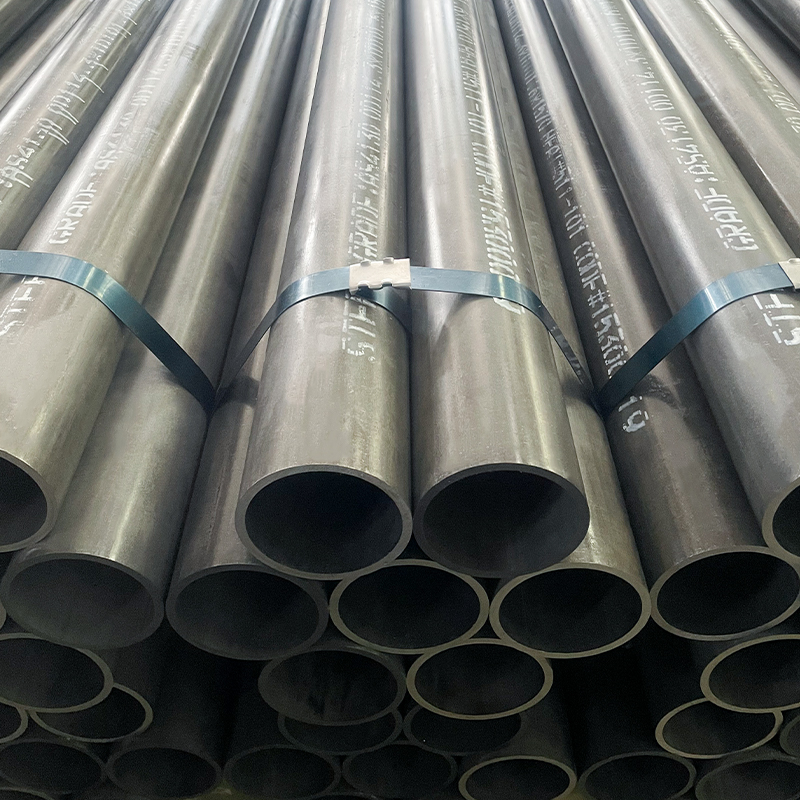
Mining Exploration Drill Rod Ø60 x 5mm – Alloy Steel 4130, High Strength Core Dr...
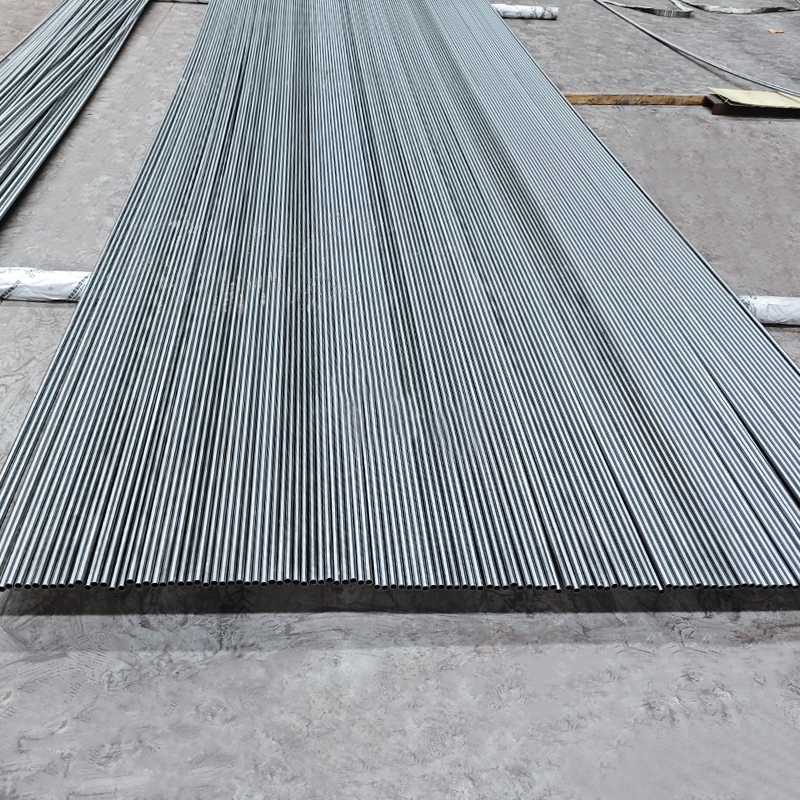
Our Stainless Steel Heat Exchanger Tubes are engineered for applications requiri...
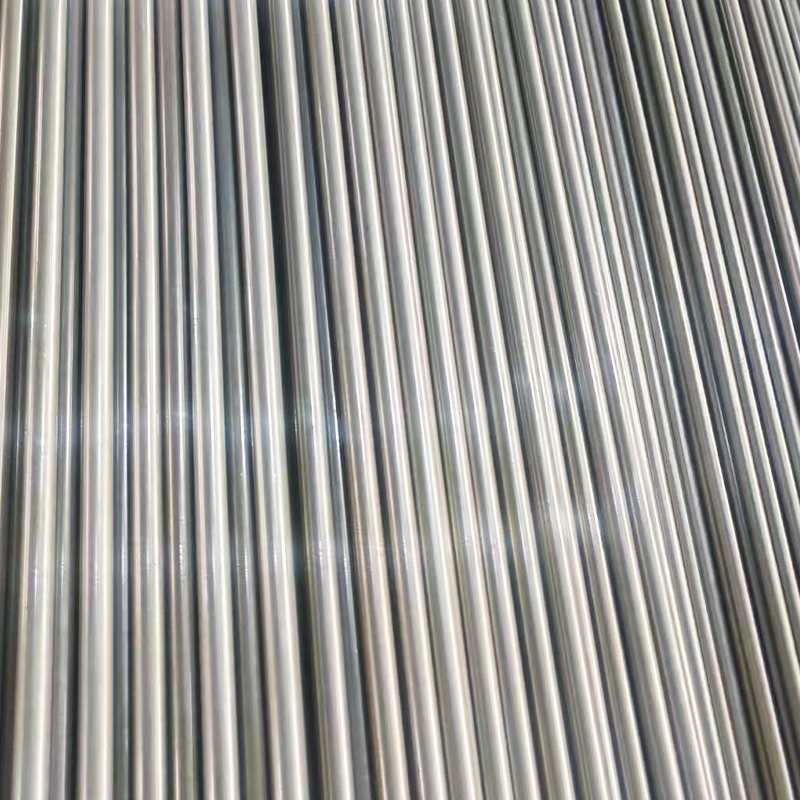
Our Welded Hydraulic Tubes are produced from cold-drawn or ERW-welded strip stee...
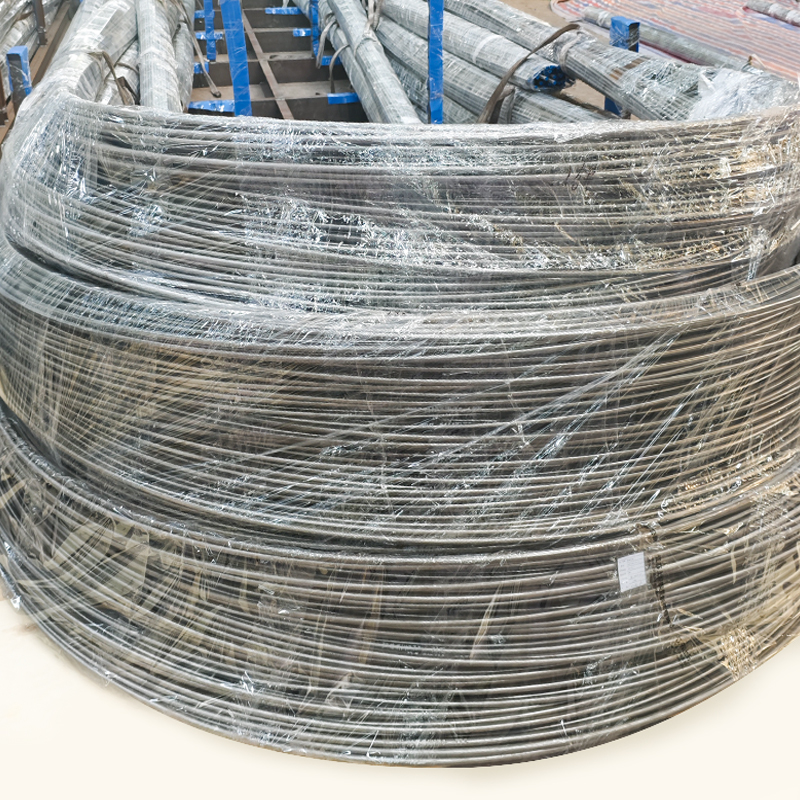
Our Carbon Steel Heat Exchanger Tubes are designed for use in low- to medium-tem...
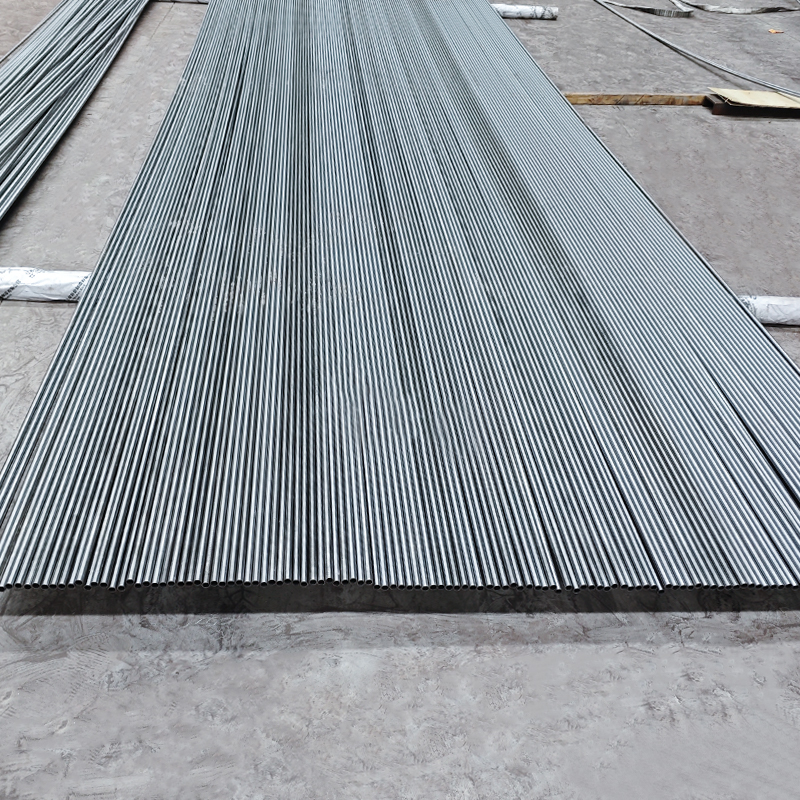
Our Carbon Steel Heat Exchanger Tubes are designed for use in low- to medium-tem...
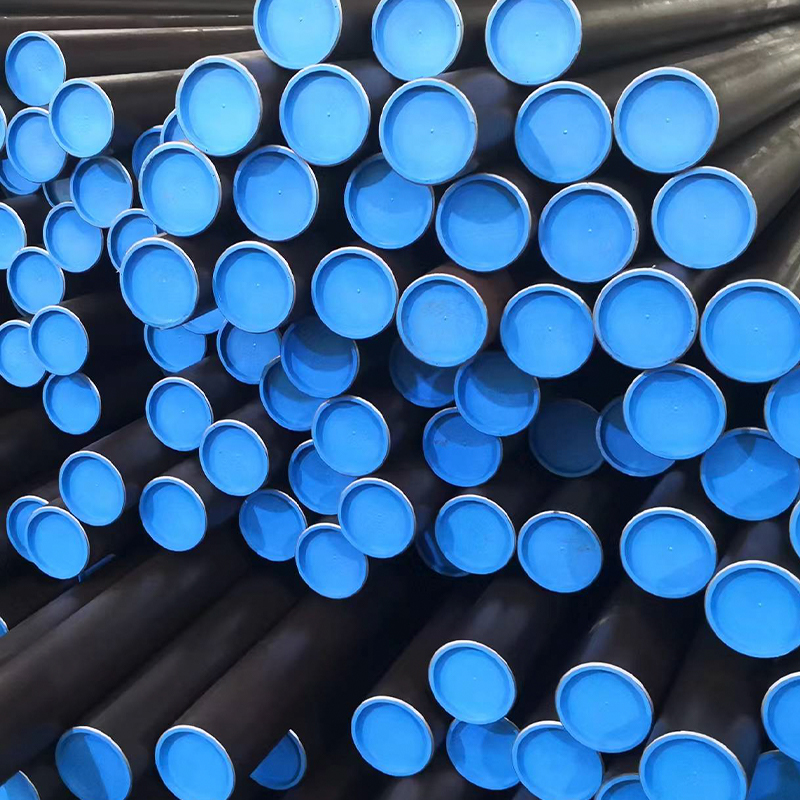
Our ASTM A519 Hydraulic Cylinder Tubes are precision-manufactured using cold dra...


