
 English
 Español
 русский
Alloy Steel Heat Exchanger Tubes – Seamless & Welded, High-Temperature Resistant
Our Carbon Steel Heat Exchanger Tubes are designed for use in low- to medium-tem...

Content
Steel tubes for adjustable lifting columns form the structural backbone of height-adjustable desks, workstations, and industrial platforms. These telescopic components enable smooth vertical movement while maintaining load capacities ranging from 50kg to 500kg per column, depending on the tube configuration and material grade. The choice of steel tube directly impacts the column's stability, lifespan, and operational reliability.
Modern lifting columns typically employ 2-stage, 3-stage, or 4-stage telescopic designs, where each stage consists of a precisely engineered steel tube with specific diameter tolerances. For instance, a standard 3-stage column might use outer tubes of 80mm, middle tubes of 60mm, and inner tubes of 40mm diameter, with wall thicknesses between 1.2mm and 2.0mm to balance weight and strength.
The performance of steel tubes for adjustable lifting columns depends heavily on material selection. Manufacturers predominantly use cold-rolled steel (CRS) and stainless steel variants, each offering distinct advantages.
SPCC (Commercial Quality Cold-Rolled Steel) represents the most common choice for budget-conscious applications, offering tensile strength of 270-410 MPa. Premium columns utilize SPCD or SPCE grades with improved formability and surface finish. Industry data shows that over 75% of office-grade lifting columns use SPCC steel tubes due to their optimal cost-to-performance ratio.
For environments requiring corrosion resistance—such as medical facilities or food processing plants—304 or 316 stainless steel tubes become necessary. These materials withstand humidity levels above 80% without degradation, though they increase manufacturing costs by approximately 200-300% compared to cold-rolled alternatives.
| Steel Grade | Tensile Strength (MPa) | Typical Wall Thickness (mm) | Best Application |
|---|---|---|---|
| SPCC | 270-410 | 1.2-1.5 | Office desks, light-duty |
| SPCD | 270-370 | 1.5-2.0 | Industrial workstations |
| 304 Stainless | 515-620 | 1.0-1.5 | Medical, food service |
| 316 Stainless | 515-620 | 1.2-2.0 | Marine, chemical exposure |
The telescopic nature of adjustable lifting columns demands extremely precise dimensional control. Steel tubes must maintain specific tolerances to ensure smooth operation without excessive play or binding.
For optimal performance, the clearance between nested tubes typically ranges from 0.15mm to 0.30mm. Tighter clearances (0.10-0.15mm) reduce wobble but increase friction and wear, while larger gaps (0.35mm+) compromise stability under load. Leading manufacturers maintain outer diameter tolerances of ±0.05mm through precision cold-drawing processes.
Premium steel tubes for adjustable lifting columns exhibit straightness deviations under 0.5mm per meter of length. Concentricity—the alignment between inner and outer diameters—must stay within 0.10mm to prevent uneven wear patterns. Testing data from industrial applications shows that tubes exceeding these tolerances experience 30-40% shorter service life due to accelerated bushing degradation.
Raw steel tubes require protective treatments to prevent corrosion and reduce friction. The choice of coating significantly affects both durability and operational smoothness.
Field studies indicate that properly powder-coated steel tubes maintain 95% of their original appearance after 10 years in climate-controlled office environments, compared to 60-70% retention for basic galvanized finishes.
Understanding the relationship between tube dimensions and load capacity helps engineers select appropriate steel tubes for adjustable lifting columns based on application requirements.
The buckling strength of a steel tube increases proportionally with wall thickness but also adds weight. For a typical 60mm diameter tube, increasing wall thickness from 1.2mm to 1.5mm improves load capacity by approximately 35% while adding only 12% more weight. However, beyond 2.0mm thickness, the weight penalty often outweighs the strength benefits for office applications.
In telescopic assemblies, the innermost tube bears the highest stress concentration. A 3-stage column with outer tube diameter of 80mm, middle tube of 60mm, and inner tube of 40mm will have its load capacity limited by the 40mm section. Engineers typically design the inner tube with 20-30% thicker walls than outer stages to compensate for reduced diameter.
| Column Configuration | Tube Diameters (mm) | Typical Load Capacity (kg) | Travel Range (mm) |
|---|---|---|---|
| 2-Stage Light | 60/40 | 80-120 | 300-400 |
| 3-Stage Standard | 80/60/40 | 120-180 | 500-650 |
| 3-Stage Heavy | 100/80/60 | 200-300 | 500-650 |
| 4-Stage Extended | 100/80/60/40 | 100-150 | 700-900 |
Identifying high-quality steel tubes for adjustable lifting columns requires attention to specific manufacturing details that separate premium products from inferior alternatives.
Most steel tubes utilize ERW (Electric Resistance Welding) construction. Premium tubes feature weld seams with complete penetration and minimal upset, ground flush to within 0.05mm of the base material. Inferior tubes show visible seam irregularities that can catch on bushings and create noise during operation. High-frequency induction welding produces superior seams compared to lower-frequency methods.
Tube ends require precise perpendicularity (within 0.5 degrees) and deburring to prevent stress concentrations. CNC-machined ends with chamfered edges ensure proper fit of mounting brackets and guide bushings. Manufacturers employing laser-cutting for end preparation achieve perpendicularity within 0.2 degrees, significantly reducing assembly issues.
Residual manufacturing debris inside tubes accelerates wear and causes operational noise. Quality manufacturers implement compressed air flushing and sometimes ultrasonic cleaning before assembly. Inspection protocols should verify that tubes contain zero particulates larger than 0.5mm.
Matching steel tube specifications to application requirements ensures optimal performance and cost-effectiveness across diverse use cases.
Height-adjustable desks typically require 2-stage or 3-stage columns with SPCC steel tubes. Wall thickness of 1.2-1.5mm provides adequate strength for loads up to 150kg, covering dual-monitor setups and standard office equipment. Powder-coated finishes in white, black, or silver match contemporary office aesthetics while protecting against minor scratches and impacts.
Manufacturing environments demand heavier-duty solutions with SPCD or higher-grade steel. Tubes with 1.8-2.0mm walls handle loads exceeding 300kg, accommodating heavy machinery, tooling, and materials. Hard chrome plating becomes essential where frequent height adjustments (10,000+ annual cycles) occur, as it maintains low friction and prevents galling.
Healthcare settings necessitate 304 stainless steel tubes that withstand repeated chemical cleaning and sterilization. The higher material cost (approximately $15-25 per kilogram versus $2-4 for cold-rolled steel) is justified by corrosion resistance exceeding 2,000 hours in salt spray testing and compliance with FDA material guidelines.
Understanding how steel tubes for adjustable lifting columns fail helps engineers implement preventive measures and extend service life.
Unprotected or poorly coated steel tubes develop rust within 6-12 months in high-humidity environments. Corrosion initially appears as surface pitting but progresses to wall thinning that compromises structural integrity. Regular inspection for coating damage and application of touch-up coatings prevents accelerated deterioration. Facilities with humidity consistently above 70% should specify stainless steel or heavily galvanized tubes.
The sliding interface between nested tubes experiences abrasive wear, particularly when inadequate lubrication exists. Wear rates of 0.01-0.05mm per 10,000 cycles are typical for properly maintained systems. When clearances increase beyond 0.50mm due to wear, wobble becomes noticeable and accelerates further degradation. Using self-lubricating polymer bushings between tube stages reduces wear by 60-80% compared to metal-on-metal contact.
Exceeding rated capacity causes permanent deformation or catastrophic buckling. The slenderness ratio (extended length divided by tube radius of gyration) determines buckling susceptibility. Columns with ratios above 150 become vulnerable to eccentric loading failures. Implementing electronic overload protection that limits motor torque to 120% of rated capacity prevents most buckling incidents.
Balancing performance requirements with budget constraints requires strategic decisions about steel tube specifications for adjustable lifting columns.
Material costs represent 30-45% of total column manufacturing expenses, making tube selection a primary cost driver. Specifying exactly the required load capacity—neither over-engineering nor under-sizing—optimizes material usage. For example, reducing wall thickness from 1.5mm to 1.2mm in a low-load application can decrease material costs by 18% while maintaining adequate performance margins.
Volume purchasing directly from tube manufacturers rather than through intermediaries typically reduces costs by 15-25%. However, this requires minimum order quantities of 500-1000 pieces per specification. Smaller producers often find it more economical to source from specialized lifting column manufacturers who already maintain inventory of standard tube configurations.
The choice between domestic and imported tubes involves tradeoffs beyond simple price comparison. While Asian-manufactured tubes may cost 30-50% less than European equivalents, quality consistency and lead times vary significantly. Establishing robust inspection protocols and maintaining safety stock mitigates risks associated with lower-cost sourcing.
Ongoing innovations in materials and manufacturing processes continue to improve steel tubes for adjustable lifting columns while addressing emerging application requirements.
Next-generation AHSS (Advanced High-Strength Steel) grades offer tensile strengths exceeding 600 MPa while maintaining excellent formability. These materials enable wall thickness reduction of 20-30% compared to conventional steels at equivalent load capacities, resulting in lighter columns with improved energy efficiency. Early adopters in the automotive-inspired furniture sector report weight savings of 1.5-2.0kg per column.
Combining steel inner tubes with carbon fiber or aluminum outer stages exploits the strengths of multiple materials. Steel provides wear resistance and load-bearing capacity where stresses concentrate, while lightweight outer components reduce overall mass. Current prototypes demonstrate 35-40% weight reduction with only 15% cost increase compared to all-steel designs.
Embedding strain gauges or RFID chips within tube walls enables real-time load monitoring and predictive maintenance. These smart tubes can alert users when approaching capacity limits or signal when wear necessitates service. Development costs currently add $8-15 per column, but this investment pays dividends in preventing catastrophic failures in critical applications.
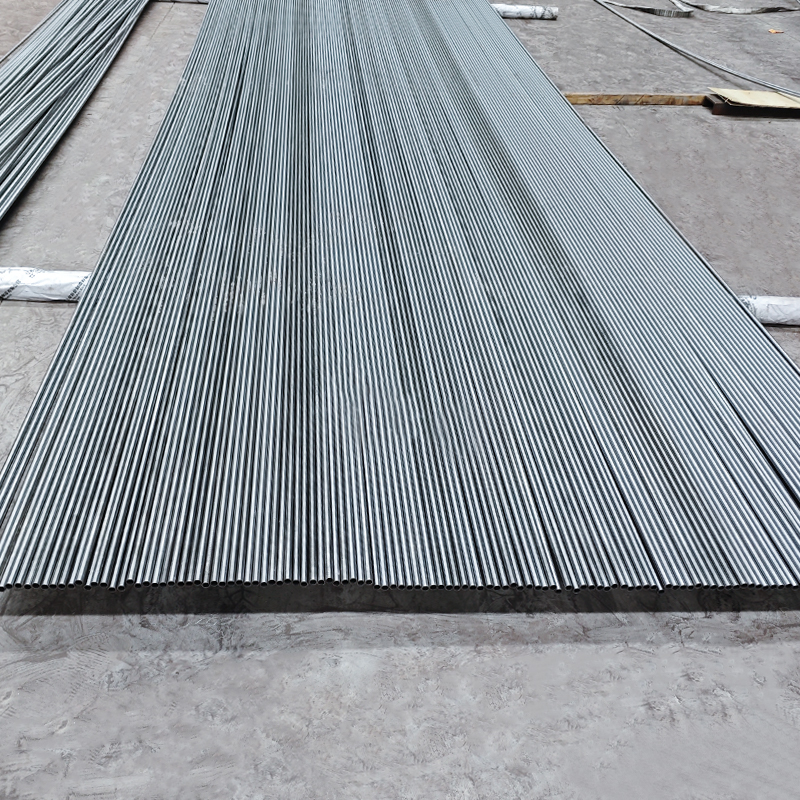
Our Carbon Steel Heat Exchanger Tubes are designed for use in low- to medium-tem...
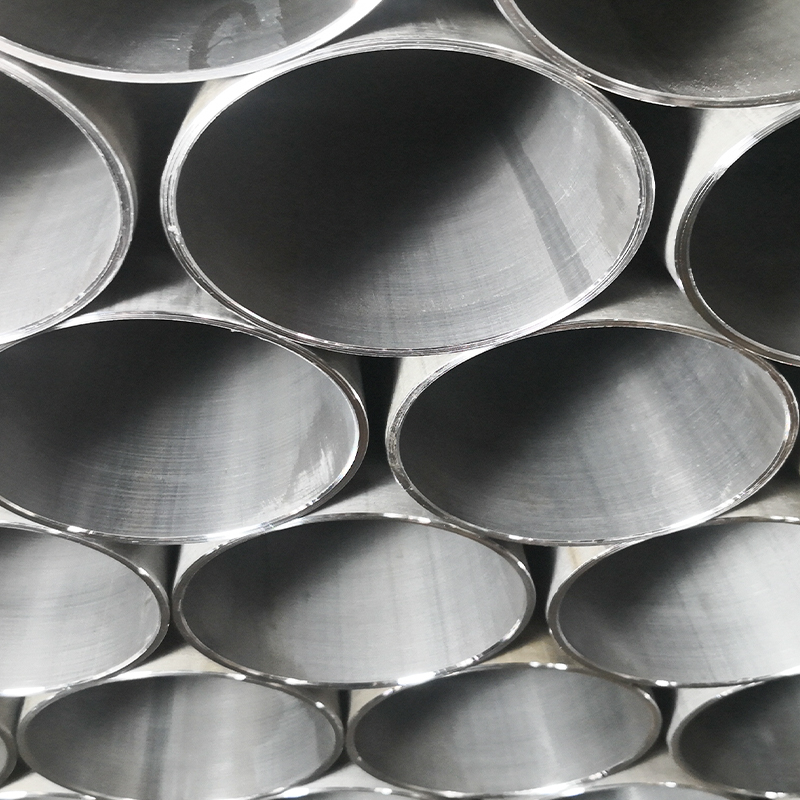
Our Super Smooth ID Tubes (SSID) are engineered for applications requiring extre...
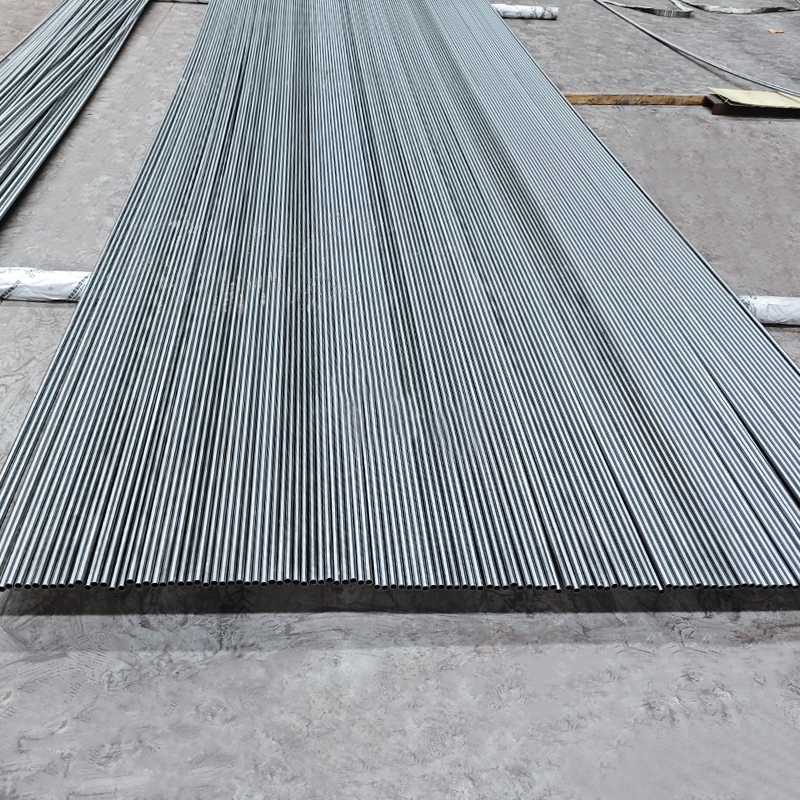
Our Stainless Steel Heat Exchanger Tubes are engineered for applications requiri...
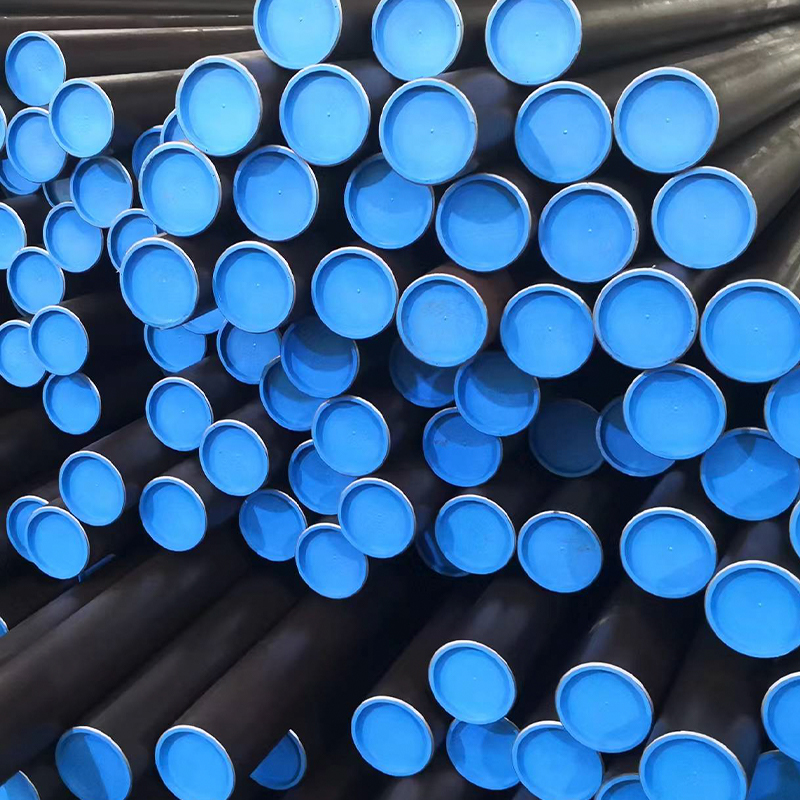
Our ASTM A519 Hydraulic Cylinder Tubes are precision-manufactured using cold dra...
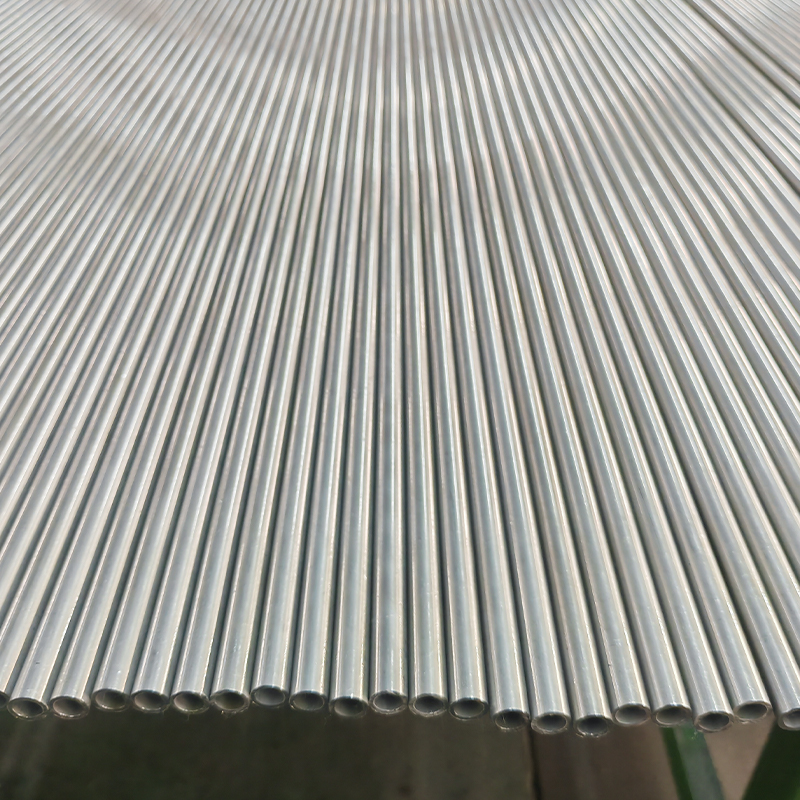
Our Hydraulic Tubes are manufactured from cold-drawn seamless steel (CDS) in com...

Our Stainless Steel Pneumatic Cylinder Tubes are precision-manufactured from 304...


