
 English
 Español
 русский

Hydraulic Tube – Welded Steel EN 10305-2, Cold Drawn / ERW, Precision Tubing for High-Pressure Systems
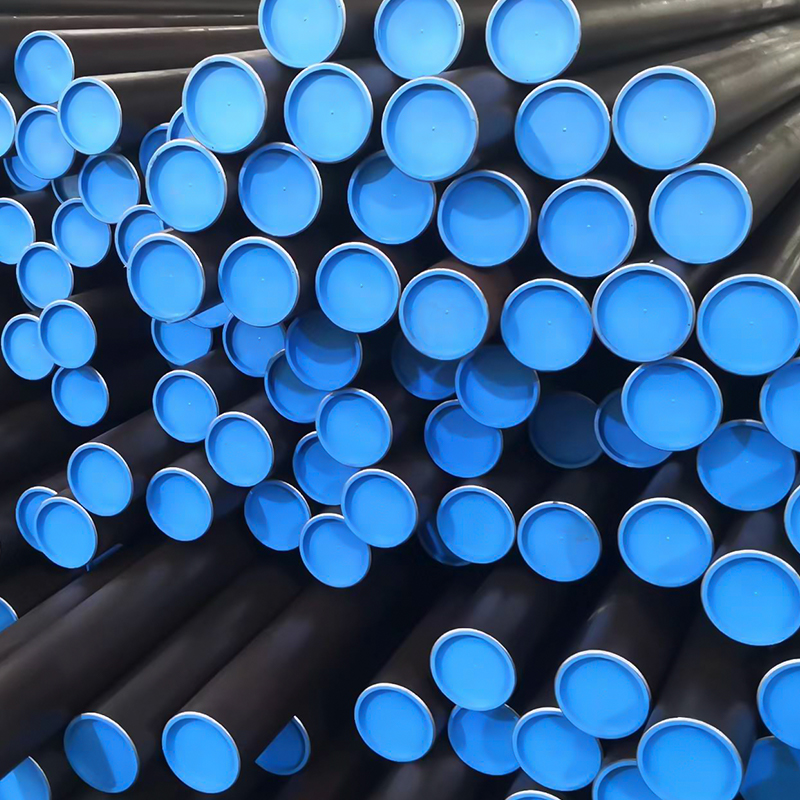
Our Welded Hydraulic Tubes are produced from cold-drawn or ERW-welded strip stee...

Content
If you have ever quoted a cylinder barrel or a shaft component and been told the tube has to be "EN 10305-2 E355", you already know the phrase hides a fair amount of detail. It names a standard, a steel grade, and by extension a manufacturing route: strip steel, electric-resistance welded, then cold drawn to its final size. Getting all three aligned is what separates a tube that machines cleanly and holds its bore from one that causes headaches three operations downstream.
We have spent years drawing tube for hydraulic and mechanical customers, and the questions around E355 have not really changed. What is the difference between Part 1 and Part 2? Why does the same grade behave differently from two suppliers? When is honing worth the extra step, and when is a cold-drawn bore good enough? Below we walk through those points in the order they usually come up on a project.
EN 10305 is the European standard for precision steel tubes, and it is split into parts. Part 1 covers seamless cold-drawn tube. Part 2 — the one this article is about — covers welded, cold-drawn tube. Both parts share a family of grades (E215, E235, E255, E355), and both describe tubes made to tight dimensional accuracy rather than tubes made to a pressure-vessel code. That distinction matters: EN 10305-2 is a dimensional and technical delivery standard for precision tube, not a boiler or pressure equipment specification.
In practice, a Part 2 tube starts life as slit steel strip. The strip is formed and ERW welded into a parent tube, then cold drawn through a die over a mandrel or plug to reach the final diameter and wall. Because the draw happens after welding, the weld seam is compressed and elongated along with the parent metal, which is why a properly made cold-drawn welded tube does not carry the same seam concerns as an as-welded ERW tube. Annealing may be applied between draws or at the end, depending on the delivery condition.
The number in E355 is the headline: a specified minimum yield strength of 355 MPa. That is roughly fifty percent higher than E235, which is why E355 turns up in cylinder barrels, telescopic sections and drive shaft tubes where a lighter wall has to carry the same load. Tensile strength in the cold-drawn condition sits comfortably above the yield figure, but the exact values you can rely on depend on which delivery condition you order — a point that causes more disputes than any other in this grade.
| Condition | What happens at the mill | What you notice downstream | Typical fit |
|---|---|---|---|
| +C | Final cold draw, no heat treatment afterwards | Highest strength and hardness, lower elongation, more residual stress | Barrels that will be honed, general mechanical parts |
| +LC | Soft annealed after drawing | Lower strength, better ductility, easier machining and forming | Parts needing bending, crimping or heavy cut operations |
| +SR | Stress relieved at low temperature after drawing | Better dimensional stability when the tube is cut and machined | Thin-wall and tight-tolerance bores that must stay round |
| +A | Fully annealed | Softest and most ductile, lowest strength of the four | Severe forming, flaring or swaging work |
One practical note: E355 is not a single fixed recipe. The standard constrains the result — mechanical properties, tolerances, surface condition — and leaves the steelmaker room to get there. Two mills can both ship compliant E355 and still differ in hardness, ovality and how the tube behaves after the first cut. That is why we always ask customers what happens to the tube after it leaves us.
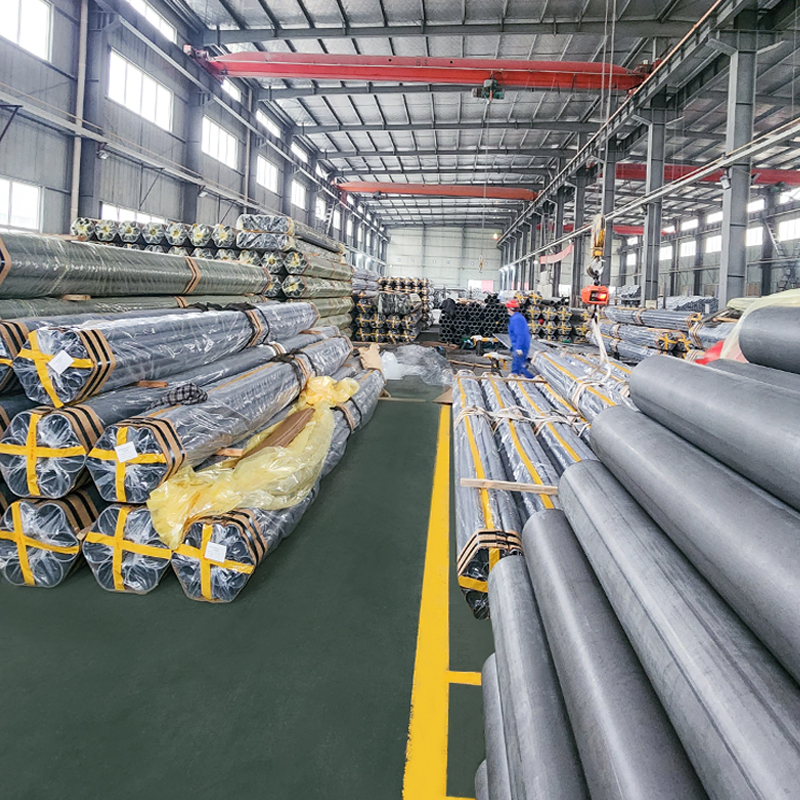 Cold Drawn Welded Steel Tube EN 10305-2Precision CDW tube in E235, E355 and E460 for hydraulic and mechanical parts where consistent strip chemistry and symmetric wall aid cylinder bore cleanup.View Product →
For cylinder work, the argument for welded cold-drawn tube is consistency. Strip arrives with a known chemistry and a uniform thickness, so wall variation around the circumference starts small and stays small through drawing. Seamless tube starts from a pierced shell, and while good seamless mills control eccentricity tightly, the wall thickness in a welded-drawn tube is inherently symmetric. That translates into a bore that cleans up with less stock removal and a wall that stays where the designer put it.
The second advantage is the bore itself. A cold-drawn ID comes off the mandrel smooth and work-hardened, which is often enough for pneumatic service or for lower-pressure hydraulic work. Where the application demands a sealing surface, the tube can be honed or roller burnished to an H8 or H9 bore with a roughness around Ra 0.4 µm. These finishes are standard in our hydraulic cylinder tube range, and they are the reason so many barrel makers specify a drawn-welded route rather than machining from bar or heavy seamless stock.
Where welded-drawn stops making sense is worth saying plainly. Very heavy walls, unusual diameter-to-wall ratios, and applications governed by a pressure vessel code rather than a precision tube standard are usually better served by seamless. A good supplier will tell you that rather than quote around it.
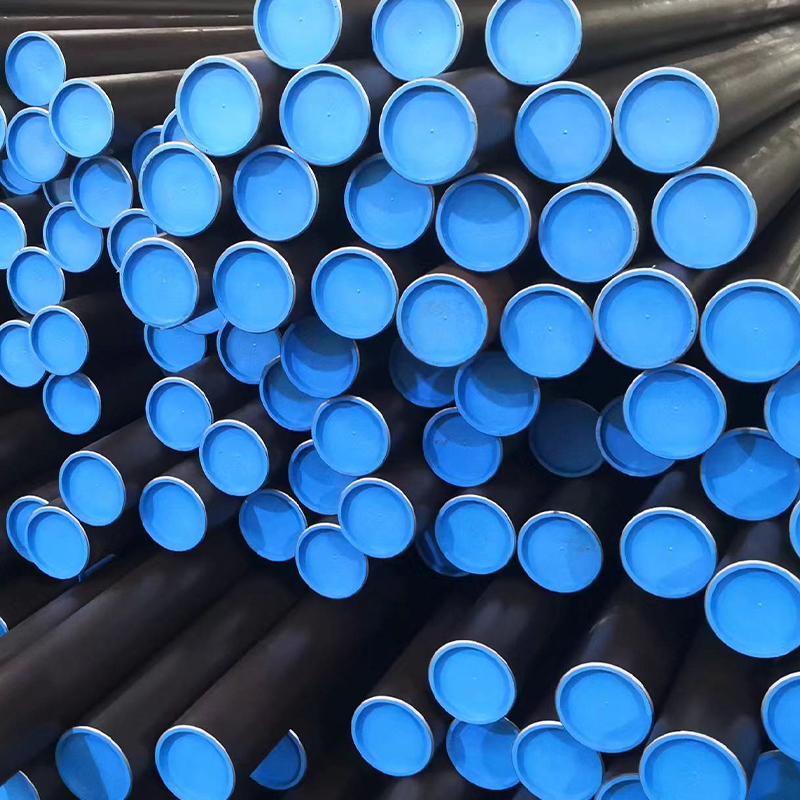 Hydraulic Cylinder Tube EN 10305-2 E355Cold-drawn welded tube for honing or SRB finishing, suited to medium-pressure hydraulic cylinders where OD, wall and ID tolerances matter before barrel assembly.View Product →
Tolerance is where E355 tube earns or loses its reputation. EN 10305-2 works with a set of tolerance classes, and two tubes can both be "E355" while sitting at opposite ends of the permitted band. Outside diameter, wall thickness and inside diameter each carry their own tolerance, and the inside diameter is usually the one that decides whether a barrel needs reaming after cutting. Straightness, ovality and length tolerance follow the same logic — they are negotiable in the sense that you can specify tighter than the standard default, but you should know that you are doing so.
If you want to see how the tolerance bands actually stack up before you commit to a drawing, our EN 10305-2 tolerance guide walks through the numbers class by class. It is the article we send customers when they ask why a 0.05 mm difference matters.
Bore finish deserves its own conversation. A raw cold-drawn ID, a skived and roller burnished bore, and a honed bore behave differently under a reciprocating seal. Honing removes the drawing marks and leaves a cross-hatch that holds oil; roller burnishing leaves a harder, smoother surface but a different oil-retention profile. Both can hit H8 and Ra 0.4 µm, and the right answer depends on stroke speed, pressure and how long the seal has to last.
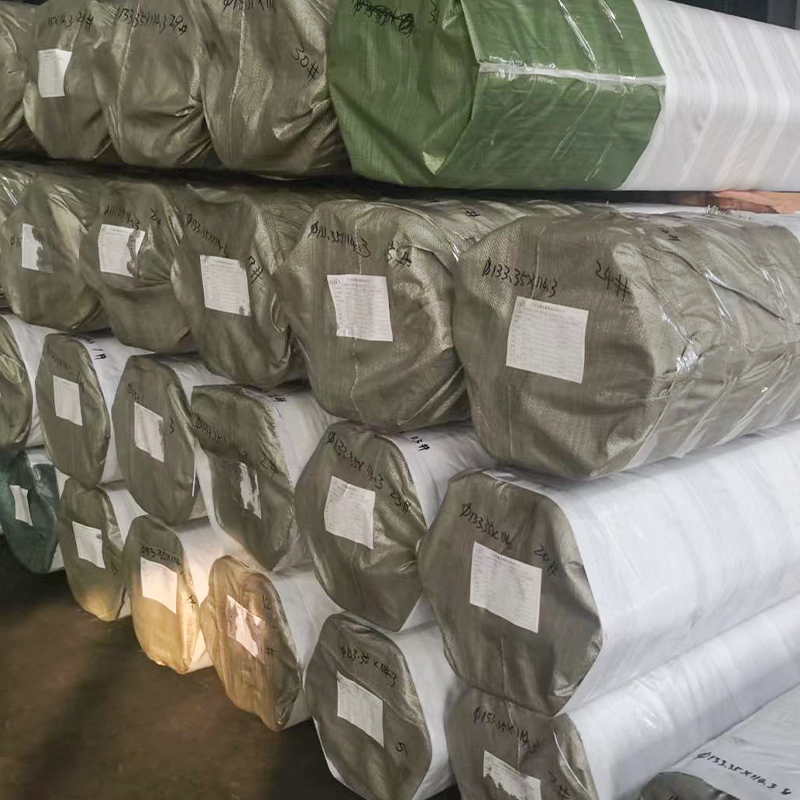 Honed and SRB Hydraulic Cylinder Tube E355Cold-drawn welded barrel tube with honed H8 ID and Ra ≤0.4 μm finish, or optional SRB, for seal performance in medium-pressure hydraulic cylinders.View Product →
Most of the problems we see with E355 orders trace back to a specification that was almost complete. Run through these before the purchase order goes out:
Mechanically it can, and it is often the route to a thinner, lighter wall. But higher strength usually comes with lower elongation in the +C condition, so forming operations that were comfortable in E235 may need a stress-relieved or annealed condition in E355. Check the forming step before you swap grades.
Not in a properly drawn product. The weld is made in the parent tube and then drawn, which refines the seam microstructure and brings its properties close to the parent metal. The seam only becomes a talking point when the tube is used as-welded without drawing, which is a different product entirely.
As-drawn bores normally sit within the standard tolerance classes. Honed and roller-burnished bores routinely reach H8 with Ra 0.4 µm, and tighter calls are possible on a case-by-case basis once the size and length are known.
EN 10305-2 E355 tube is not complicated once the three elements are separated: the standard tells you how the tube is toleranced and delivered, the grade tells you what it will carry, and the delivery condition tells you how it will behave on your machines. Most of the difficulty comes from treating the three as a single label and letting the mill decide the rest.
That is also where a supplier earns its keep. We would rather spend ten minutes on the phone about bore finish and stress relief than ship a container of tube that meets the standard and still does not fit the job. If you are working through a barrel, shaft or structural application and want a second opinion on the specification, send over the drawing — the conversation usually costs nothing and saves a great deal more than that.
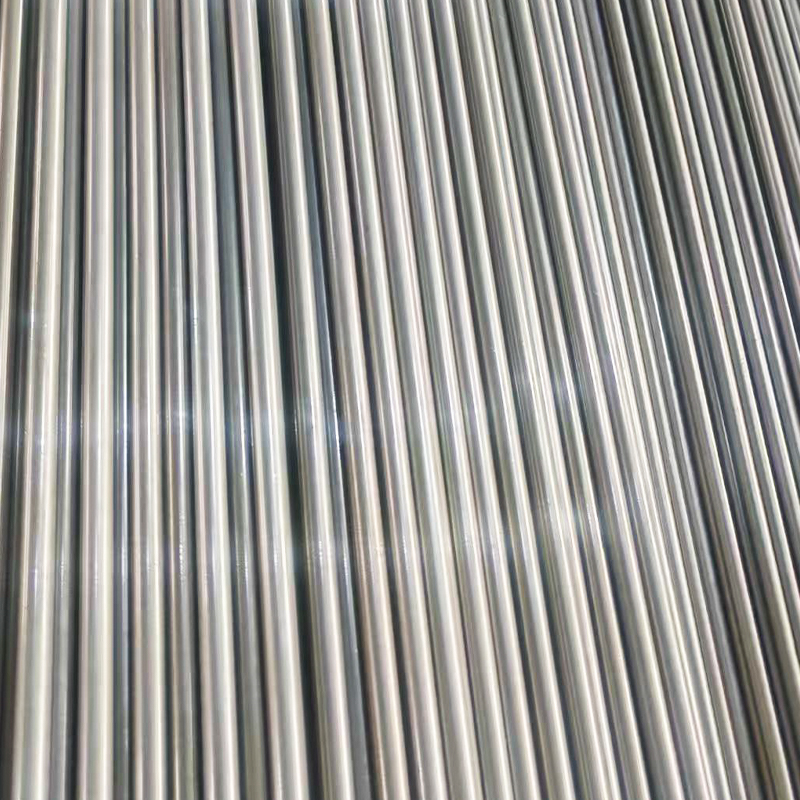
Our Welded Hydraulic Tubes are produced from cold-drawn or ERW-welded strip stee...
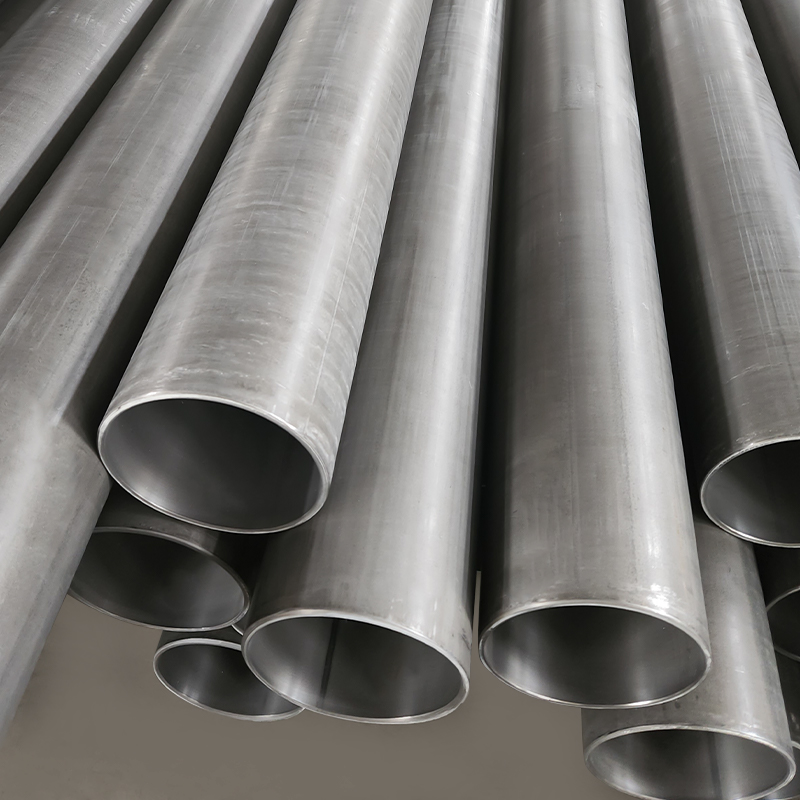
Our Hydraulic Shock Absorber Tube is manufactured to EN 10305-2 standards using
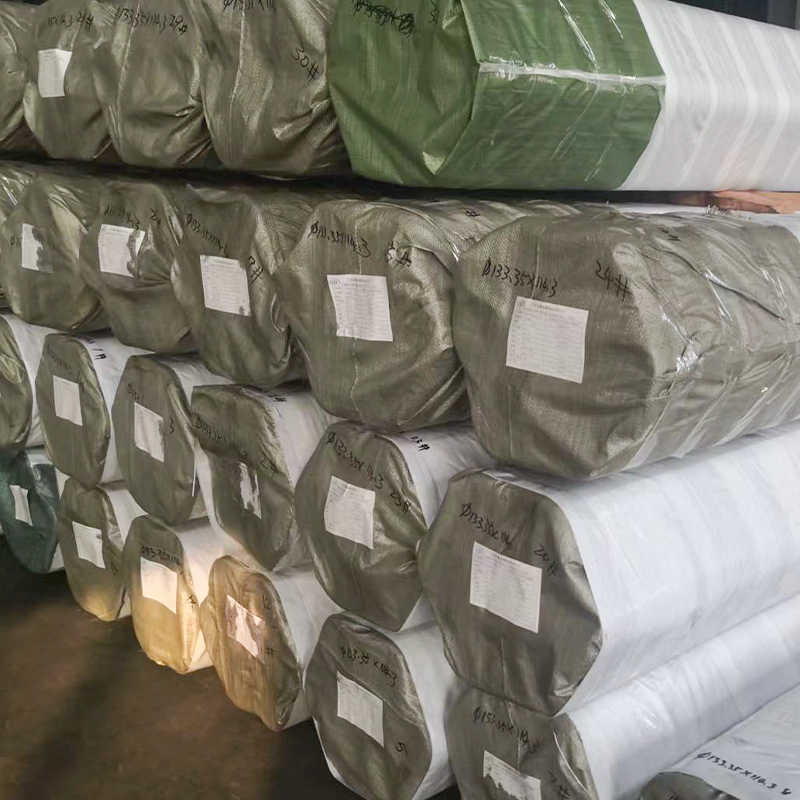
Our Hydraulic Cylinder Tubes (CDW) are produced according to EN 10305-2 E355, us...
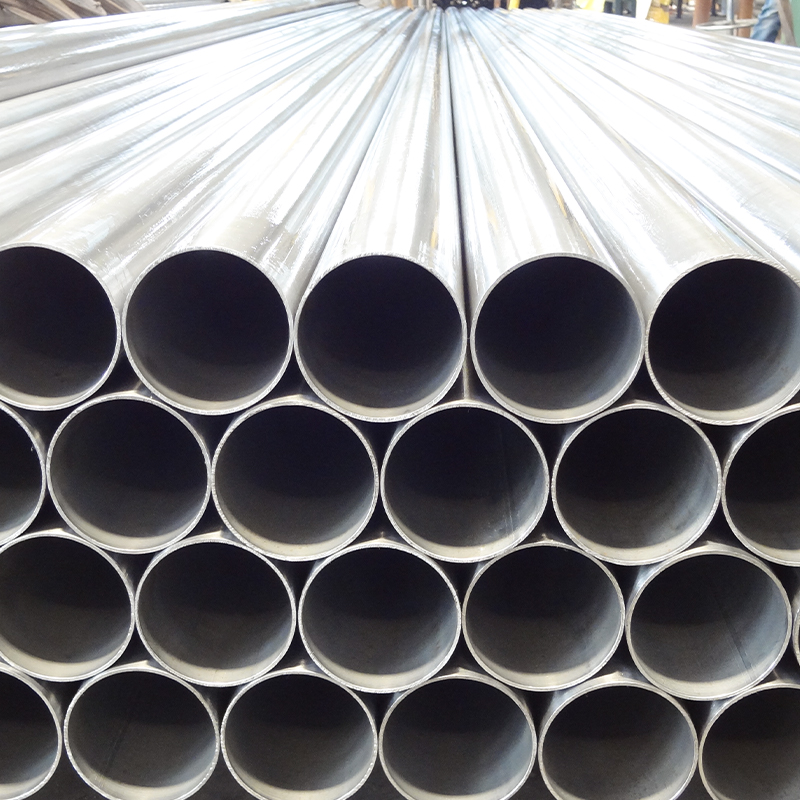
Precision Cold Drawn Welded Steel Tubes (CDW) – EN 10305-2 E235 & E355High-T...
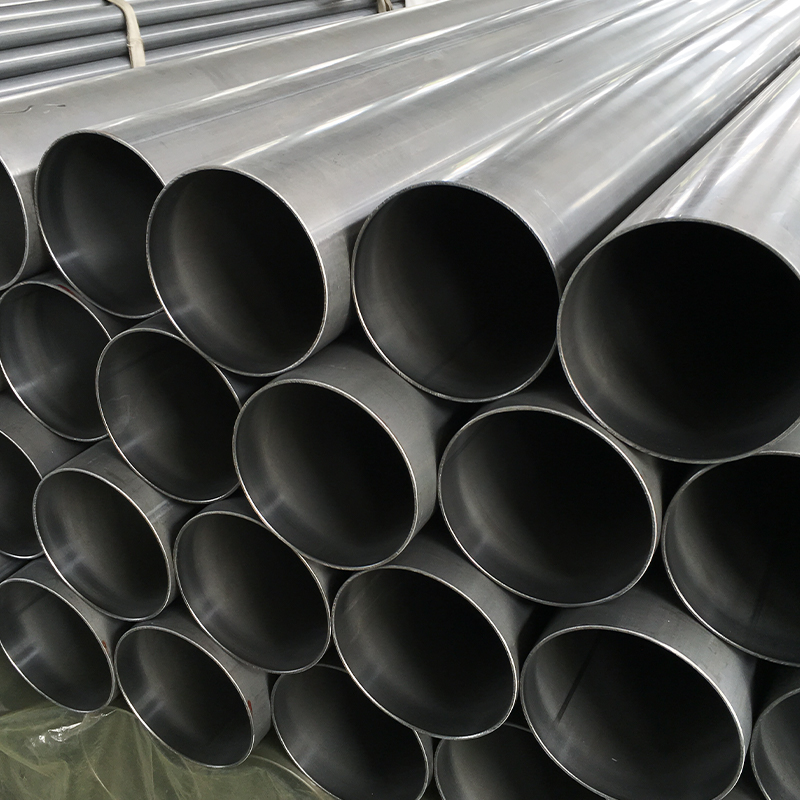
Our Seamless Shock Absorber Tubes are manufactured to EN 10305-1 using high-qual...
Cold Drawn Seamless (CDS) steel tubes manufactured according to EN 10305-1, avai...


