
 English
 Español
 русский
Stainless Steel Heat Exchanger Tubes – ASTM A213 / A249, EN 10216-5 | Seamless & Welded
Our Stainless Steel Heat Exchanger Tubes are engineered for applications requiri...

Content
Specify 316L stainless steel, and an auditor or quality manager will still ask for the mill certificate, the surface finish report, and the declaration of compliance. The alloy is the starting point—not the finish line. For cylinder tubes destined for food processing lines or medical device assemblies, the certification framework surrounding that material determines whether it clears procurement review, passes a hygienic design audit, or earns regulatory acceptance in target markets.
This guide maps the compliance landscape for both applications, covering the standards that matter, the material decisions they drive, and the documentation buyers must demand before a single tube enters a regulated production environment. If you are sourcing stainless steel cylinder tubes for hygienic and precision applications, understanding this framework is the prerequisite to every other decision.
A common misconception in regulated industries is that material grade alone confers compliance. It does not. The FDA, for instance, does not approve or certify raw stainless steel tube stock. It regulates how materials perform within food-contact or medical-device systems—a distinction that shifts the compliance burden from the alloy to the entire specification, fabrication, and documentation chain.
This matters practically. Two tubes with identical chemistry can have very different compliance profiles depending on their surface finish, welding method, traceability documentation, and the standards their manufacturer was audited against. For cylinder tubes in particular—where bore geometry, wall straightness, and inner surface condition directly affect both functional performance and cleanability—compliance is a manufacturing question as much as a materials question.
The result: procurement teams and design engineers need to evaluate three things simultaneously. First, the right alloy grade. Second, the applicable standards for the target industry. Third, the documentation package that proves both.
Austenitic stainless steels—primarily 304L and 316L—dominate both food and medical cylinder tube applications. The choice between them is not arbitrary.
| Property | 304L | 316L |
|---|---|---|
| Chromium content | 18–20% | 16–18% |
| Molybdenum | None | 2–3% (key differentiator) |
| Corrosion resistance | Good — general food/beverage | Superior — chlorides, acidic media, saline |
| Carbon content | ≤0.030% (L grade) | ≤0.030% (L grade) |
| Typical food applications | Dry or low-acid processing | Dairy, meat, seafood, CIP systems |
| Typical medical applications | Non-implant instrument components | Fluid systems, surgical equipment, implant-adjacent |
The "L" designation—low carbon—is significant in both sectors. During welding, standard-carbon grades can undergo carbide precipitation at grain boundaries, reducing localized corrosion resistance in heat-affected zones. Low-carbon grades suppress this mechanism, which is why cold-drawn stainless steel tubes with tight dimensional tolerances for regulated applications are nearly always specified to 304L or 316L rather than their standard-carbon counterparts.
For aggressive cleaning-in-place (CIP) environments common in food processing, 316L's molybdenum content provides meaningful protection against chloride-induced pitting—a real concern when caustic and acid-based CIP agents cycle repeatedly through the same tubing. In medical fluid systems where sterile saline solutions or body fluids may contact tube surfaces, 316L is similarly the default choice.
Four frameworks define the compliance baseline for stainless steel cylinder tubes used in food production environments. They operate at different levels—material chemistry, equipment design, surface finish, and regional regulation—and in practice, more than one will apply simultaneously.
The FDA's food safety framework does not list stainless steel tube as an approved material in a straightforward catalog. Instead, compliance is established indirectly: stainless steel tubing is accepted under 21 CFR Part 110's Current Good Manufacturing Practice (CGMP) requirements when paired with recognized industry standards that verify cleanability and non-contamination. This means compliance requires matching material certifications to process parameters—food type, operating temperature, contact duration—and demonstrating that the tubing system as a whole meets CGMP criteria.
NSF certification under ANSI 51 applies to finished equipment designs, not to raw stainless tube stock. A stainless cylinder tube component may be used within an NSF-certified food processing machine, but the certification covers the system—not the individual tube. This distinction matters for procurement: requesting "NSF-certified tube" is technically imprecise. The correct question is whether the equipment system incorporating that tube carries NSF/ANSI 51 certification.
Developed by a consortium of equipment manufacturers, dairy processors, and public health regulators, 3-A Sanitary Standards translate hygienic design principles into measurable specifications. For tubing, this means interior surfaces polished to Ra ≤0.8 μm (32 μin), elimination of crevices and dead legs, and design geometries that permit full cleaning-in-place without disassembly. Pneumatic cylinder tubes engineered for clean-environment use are frequently evaluated against 3-A criteria even when full 3-A certification is not required, because the surface and dimensional standards translate well to any high-hygiene application.
ASTM A270 is the primary material specification for sanitary stainless tubing in North American food and pharmaceutical applications. It covers dimensional requirements, mechanical properties, and surface finish criteria for both seamless and welded tube. Compliance with A270—confirmed by a mill test report (MTR)—is a baseline documentation requirement for any food-contact tube in regulated supply chains.
For manufacturers supplying European markets, the EU framework regulation EC 1935/2004 requires that food-contact materials be accompanied by a Declaration of Compliance (DoC) confirming the material does not transfer substances to food at levels that could endanger human health. Suppliers shipping stainless cylinder tube components into European food equipment production need to ensure this documentation is available and correctly scoped to the specific application conditions.
Medical applications demand a more rigorous and structured compliance framework than food processing. Where food compliance focuses primarily on cleanability and corrosion resistance, medical compliance adds biocompatibility, sterility compatibility, dimensional consistency for precision assemblies, and quality management system (QMS) requirements that cover the entire manufacturing chain.
ISO 13485 is the foundational QMS standard for medical device manufacturing. It does not specify material properties directly, but it establishes the organizational processes—documented procedures, supplier qualification, traceability, and continuous monitoring—that govern how compliant stainless tube is specified, procured, processed, and verified. Any supplier of cylinder tube components destined for regulated medical device assemblies should be operating under an ISO 13485-certified QMS. Buyers can verify this through the supplier's certification body and scope of certification. The official ISO 13485 standard and its regulatory requirements are maintained and published by the International Organization for Standardization, which also provides guidance on applying the standard across the medical device supply chain.
Biocompatibility testing under ISO 10993 determines whether a material is safe for contact with human tissue, blood, or bodily fluids. For stainless steel cylinder tubes used in medical fluid delivery systems or equipment that contacts patients directly, relevant parts of ISO 10993 apply. 316L stainless steel has an established biocompatibility record, but the specific application, contact duration, and contact type determine which ISO 10993 test categories are required.
ASTM F899 specifies chemical composition and mechanical properties for stainless steels used in surgical applications. Where cylinder tubes form part of surgical instrument assemblies—actuating mechanisms, fluid channels, or structural components—F899 compliance establishes the material baseline that regulatory submissions will reference.
ISO 7153-1 defines the corrosion-resistant stainless steel grades suitable for medical instruments and equipment, specifying composition limits and performance expectations for materials intended to perform reliably across repeated sterilization cycles. Compliance with this standard is particularly relevant for cylinder tubes used in reusable surgical or diagnostic device assemblies.
Surface finish is where cylinder tube compliance becomes technically demanding—and where specification shortcuts create real-world problems. For both food and medical applications, the interior bore surface of a cylinder tube is not simply a manufacturing detail. It is a hygiene and functional performance variable with direct regulatory implications.
In food applications, the 3-A standard's Ra ≤0.8 μm threshold exists because surface peaks and valleys below that roughness level are too shallow to harbor bacterial colonies through typical CIP cycles. Above that threshold, cleaning efficacy becomes statistically less reliable—a risk food safety auditors document. In medical fluid systems, similar logic applies: smoother internal surfaces reduce particulate entrapment and support effective sterilization.
Honed tube with precision inner bore finish achieves the dimensional accuracy and surface quality that regulated applications require. Honing produces a geometrically consistent bore—critical not only for sealing performance in pneumatic and hydraulic applications but also for ensuring that surface finish measurements taken at one point of the tube are representative of the full bore length.
Dimensional tolerances for cylinder tubes used in regulated applications must also account for:
Surface finish specifications should always be confirmed against actual Ra measurement reports—not inferred from visual inspection or general grade claims.
Documentation gaps are treated as seriously as physical non-conformances in regulated audits. Missing or incomplete records can trigger corrective action requests regardless of actual material quality. The following checklist covers the core documentation a compliant stainless cylinder tube order should include.
| Document | Food Applications | Medical Applications | Notes |
|---|---|---|---|
| Mill Test Report (MTR) | Required | Required | Must include heat number, chemical composition, and mechanical properties |
| Certificate of Compliance (CoC) | Required | Required | Confirms material meets specified standard (e.g., ASTM A270, A269) |
| Surface Finish Report (Ra) | Required for 3-A / ASME BPE | Strongly recommended | Measured Ra values, not visual grade claims |
| Dimensional Inspection Report | As specified | Required for precision assemblies | OD, wall, bore diameter, straightness, ovality |
| Positive Material Identification (PMI) | Recommended | Required for critical components | Confirms delivered material matches MTR heat number |
| Declaration of Compliance (DoC) — EU | Required for EU markets | Required for EU MDR | Must cite regulation, conditions of use, and identity of material |
| Biocompatibility Data (ISO 10993) | Not typically required | Required for patient-contact applications | Scope depends on contact type and duration |
| Weld Records / Borescope Reports | Required for orbital-welded systems | Required | 100% borescope inspection is industry standard for sanitary stainless |
One critical point: a Certificate of Compliance is only as reliable as the supplier's quality system. A CoC from an ISO 13485-certified manufacturer backed by heat-number-linked MTRs is substantively different from a generic compliance claim on a commercial invoice. Buyers should verify that all heat numbers on the CoC correspond exactly to heat numbers on the MTR, and that MTR chemistry falls within the specified grade limits.
Selecting a supplier for regulated stainless cylinder tube applications goes beyond price and lead time. A structured qualification process—even a lightweight one—protects the downstream product and the organization from audit findings, field failures, and supply chain disruption.
The first evaluation dimension is certification scope. Does the supplier hold ISO 9001 or ISO 13485 certification, and does the certificate scope cover the specific product category—precision tubes, cylinder tubes, stainless steel components? Scope limitations matter. A supplier certified for structural steel fabrication is not automatically qualified for precision medical tubing.
Second, assess traceability depth. Can the supplier link every shipped tube to a specific production heat, with a corresponding MTR that has not been modified or re-issued? Heat traceability is the backbone of regulated supply chains. Suppliers who cannot produce this linkage on request are not suitable for food or medical applications, regardless of their other credentials.
Third, review manufacturing process controls for the specific product. Cold-drawing processes, annealing practices, surface finishing methods, and dimensional inspection frequency all affect the consistency and compliance of finished tube. A supplier willing to share process documentation—or who has passed third-party audits by regulated customers—demonstrates a level of process transparency that generic claims cannot.
Finally, evaluate after-sale support: Can the supplier respond quickly to a corrective action request? Do they maintain records long enough to support a product recall investigation if one occurs years after shipment? In regulated industries, the supplier relationship extends well beyond the point of delivery. Our complete cylinder tube and rod product range is produced under documented quality controls with full heat traceability to support regulated customer requirements.
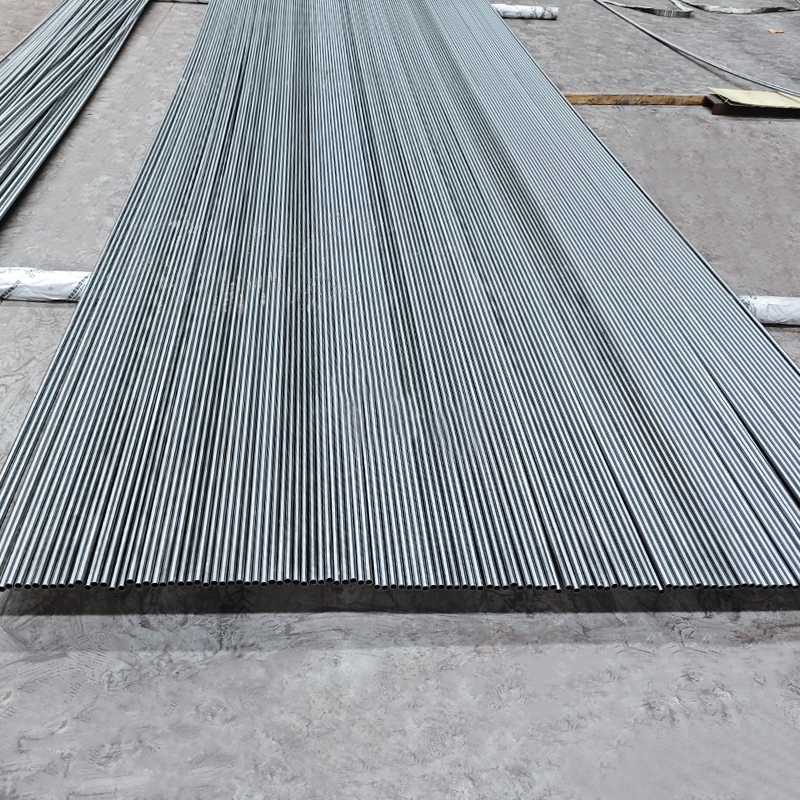
Our Stainless Steel Heat Exchanger Tubes are engineered for applications requiri...

Our Stainless Steel Pneumatic Cylinder Tubes are precision-manufactured from 304...
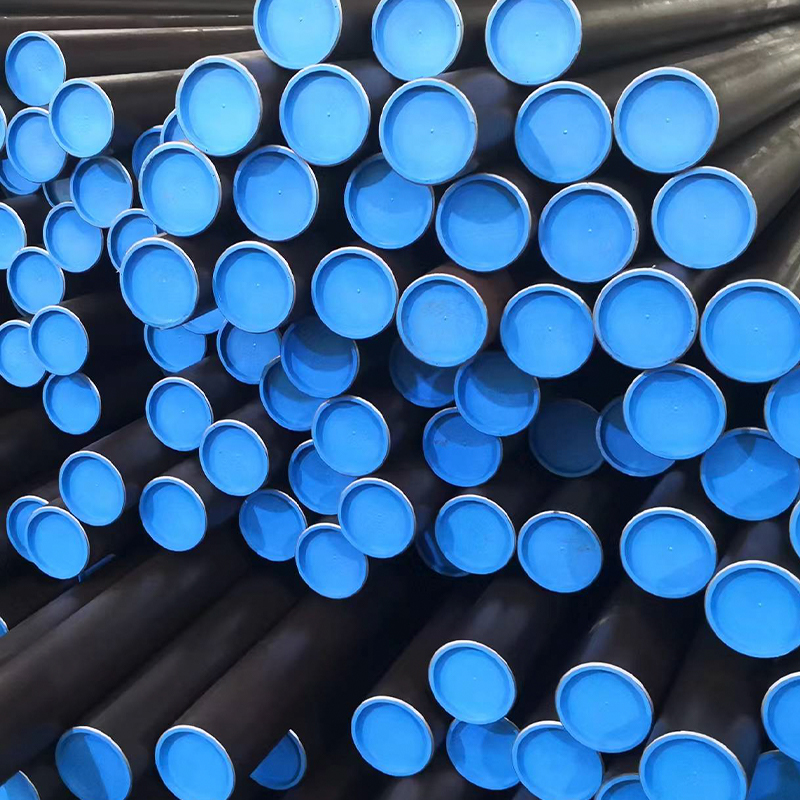
Our ASTM A519 Hydraulic Cylinder Tubes are precision-manufactured using cold dra...
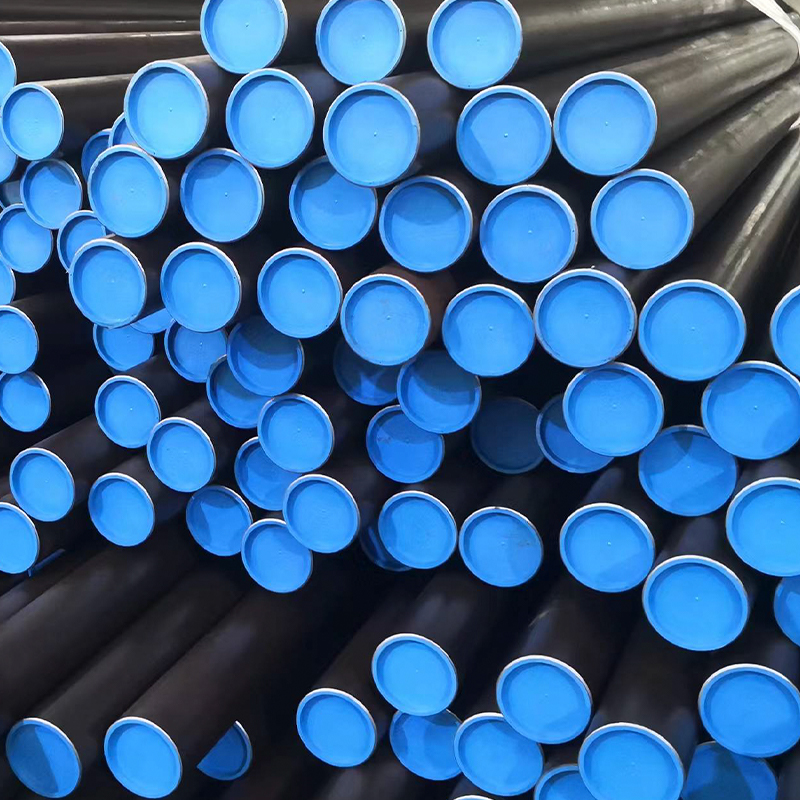
Our Honed and Skived & Roller Burnished (SRB) Tubes – ASTM A519 are precisio...
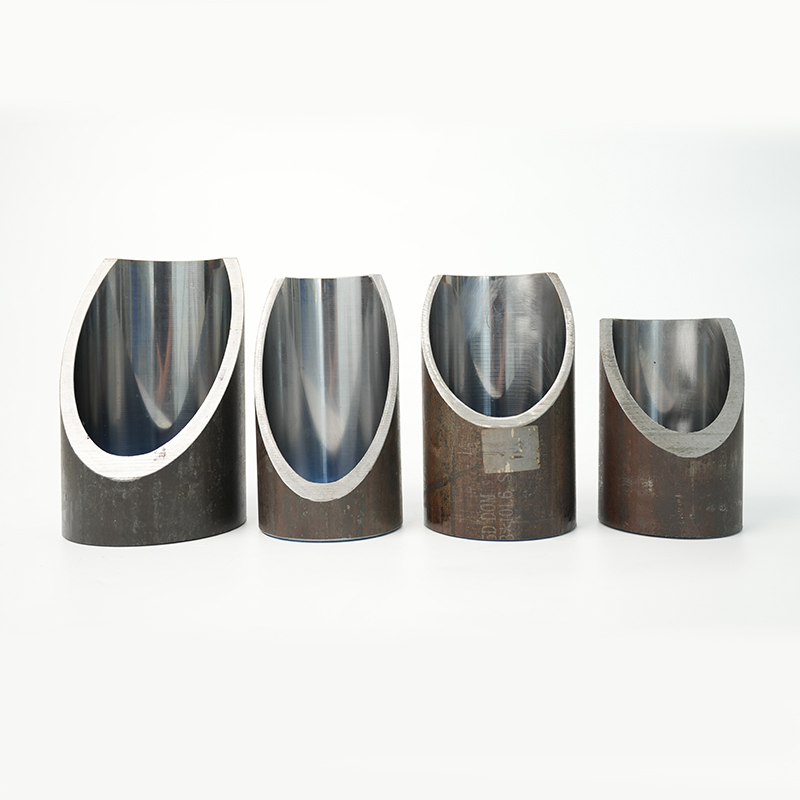
Our EN 10305-2 Cold Drawn Welded (CDW) Honed & SRB Tubes are precision-proce...
Our Honed and Skived & Roller Burnished (SRB) Tubes are manufactured from EN...


